
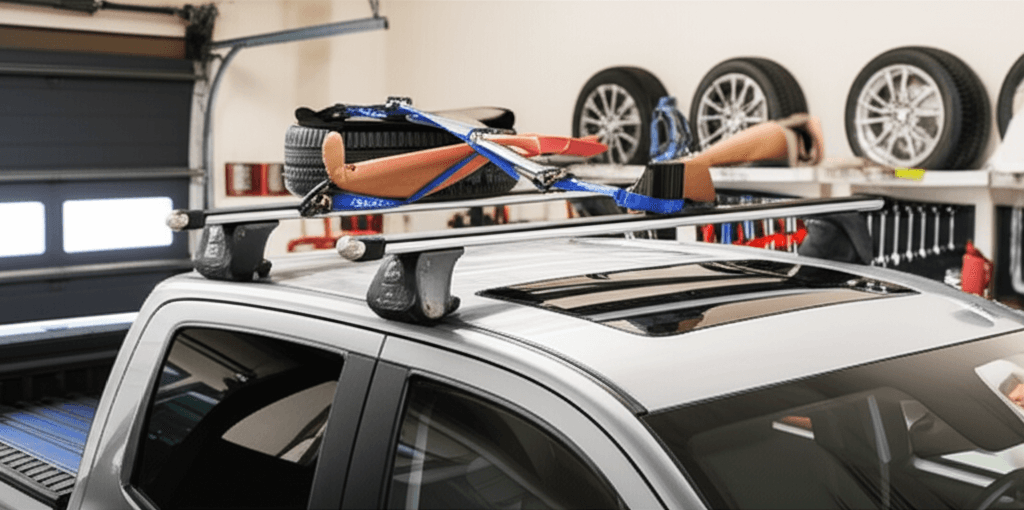
Looking for the best straps for your truck bed? Secure your cargo with confidence using ratchet straps or cam buckle straps, depending on your load’s weight and sensitivity. Explore options based on length, weight capacity, and material to find the perfect fit for safe, worry-free hauling.
Hey there, truck owners! Ever felt that little pang of worry when your gear is rattling around in the truck bed on your way to an adventure? You want to haul your bikes, kayaks, tools, or camping gear, but you’re not quite sure how to keep it all safely in place. It’s a common puzzle, and frankly, it can be a bit frustrating when you just want to enjoy the ride. But don’t sweat it! I’m here to break down the world of truck bed straps, making it super simple to choose the right ones. We’ll go through everything you need to know, step-by-step, so you can load up and hit the road with peace of mind.
Why Truck Bed Straps Are Your Cargo’s Best Friend
Think of your truck bed straps as the unsung heroes of your hauling tasks. Without them, even a short trip can turn into a risky situation. Loose items can shift, causing damage to your truck, your cargo, or even other vehicles on the road. Using the right straps ensures everything stays put, protecting your investments and keeping everyone safe.
Imagine hauling a load of lumber for a DIY project or heading out for a weekend camping trip. Your gear represents valuable time, effort, and money. Proper tie-downs aren’t just about preventing a mess; they’re about safety. According to the National Highway Traffic Safety Administration (NHTSA), improperly secured cargo is a serious hazard that can lead to accidents.
So, what makes a strap the “best”? It really depends on what you’re hauling and how much it weighs. Let’s dive into the different types and what to look for.
Understanding Your Truck Bed Strap Options
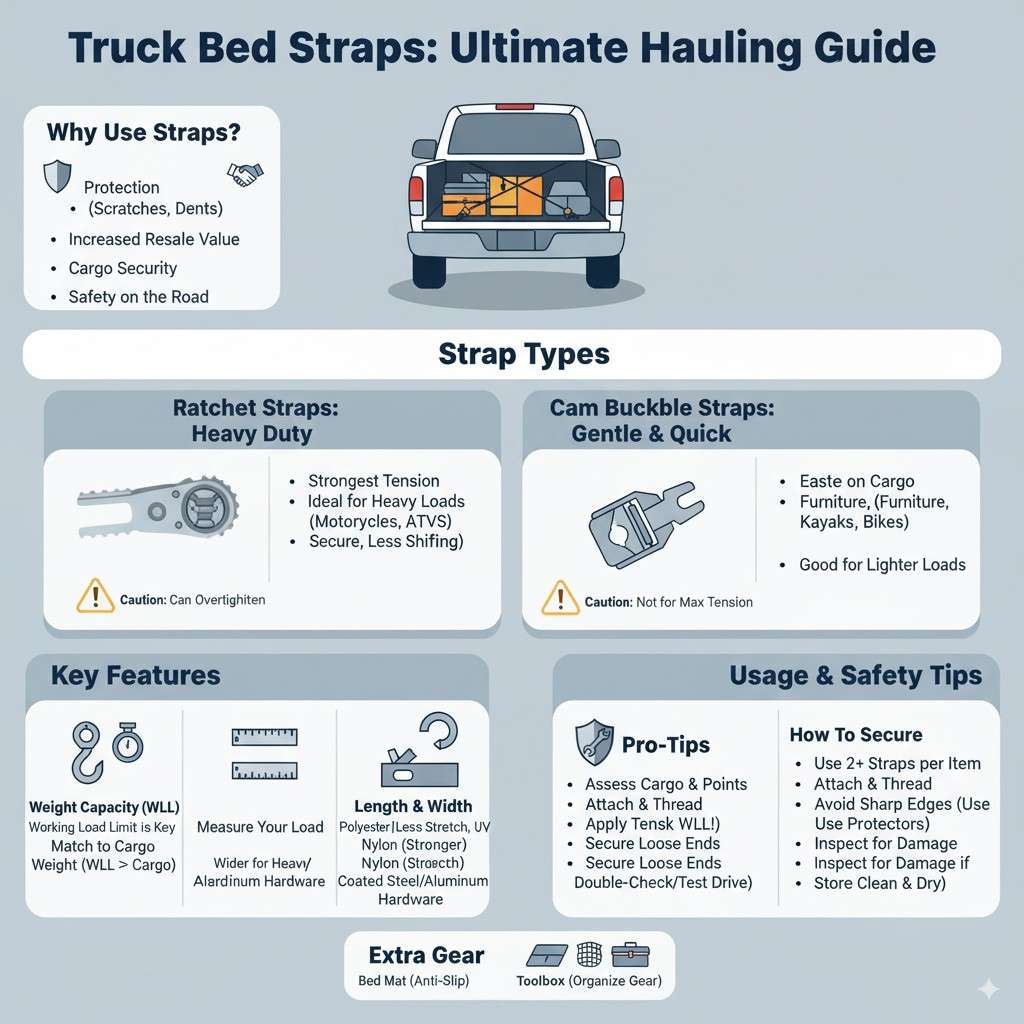
When you’re in the market for truck bed straps, you’ll primarily find two main types: ratchet straps and cam buckle straps. Each has its own strengths and is suited for different kinds of jobs.
Ratchet Straps: The Heavy-Duty Champions
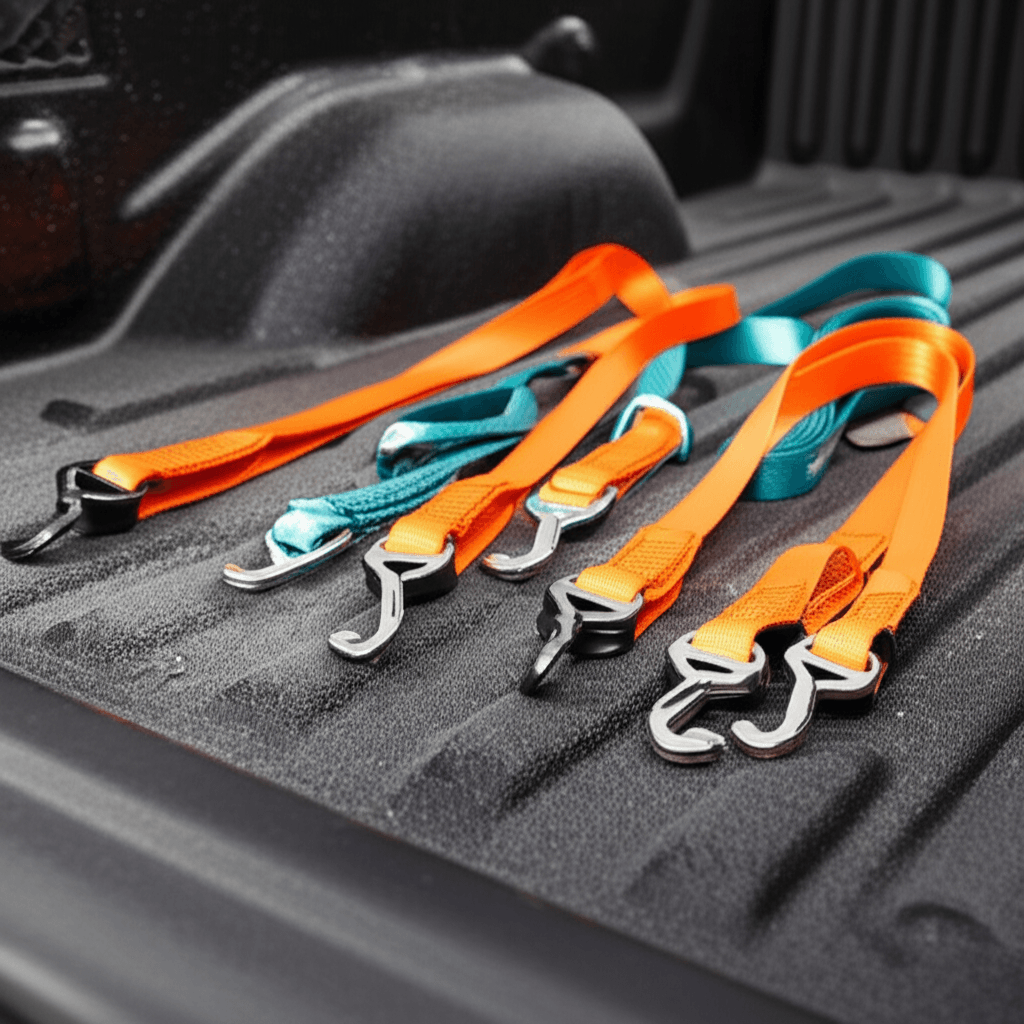
Ratchet straps are your go-to for heavier, bulkier items that need a really secure, tight hold. They work with a ratcheting mechanism that allows you to cinch the strap down incredibly tight. This is fantastic for things like motorcycles, ATVs, large equipment, or anything you absolutely cannot have shifting.
How they work: You loop one end of the strap around your anchor point and cargo, then feed the other end through the ratchet mechanism. As you pump the handle up and down, it tightens the strap, locking it into place. To release, you lift a lever on the ratchet.
Pros:
- Exceptional holding power and tension.
- Ideal for heavy and valuable items.
- Less likely to loosen over time due to vibrations.
Cons:
- Can be over-tightened, potentially damaging delicate cargo.
- The ratcheting mechanism can be a bit bulky.
- Can take slightly longer to apply and remove compared to cam straps.
Cam Buckle Straps: The Gentle Giants
Cam buckle straps are perfect for lighter loads or items that could be damaged by excessive pressure, like furniture, sporting goods, or even appliances. They use a unique cam mechanism to create tension, which is easier to control and won’t overtighten.
How they work: You thread the strap through the cam buckle and pull the loose end to tighten. The cam grips the strap, holding it in place. To release, you press a button or lever on the buckle.
Pros:
- Gentle on cargo – prevents crushing or damage.
- Very easy and quick to use.
- Great for securing lighter items safely.
Cons:
- Don’t provide the same level of extreme tension as ratchet straps.
- May loosen slightly over very long or bumpy rides, though usually minimal.
- Less ideal for extremely heavy or high-vibration loads.
Key Features to Consider When Choosing Straps
Beyond the type of mechanism, several other factors will help you pick the best straps for your specific truck bed needs.
1. Weight Capacity (Working Load Limit – WLL)
This is arguably the most crucial spec. The WLL tells you the maximum weight the strap is designed to handle safely when used correctly. Cheaper straps might list a “breaking strength,” which is how much force it takes to break the strap – this is not the same as safe working load. Always choose straps with a WLL significantly higher than the weight of the item you’re securing. A good rule of thumb is to have a combined WLL of tiedown straps that is at least twice the weight of the cargo. Always check the manufacturer’s guidelines.
| Strap Type | Typical Working Load Limit (WLL) | Best For |
|---|---|---|
| Cam Buckle Straps | 200 – 500 lbs | Bikes, kayaks, furniture, luggage, lighter equipment |
| Ratchet Straps | 500 – 2,500+ lbs | Motorcycles, ATVs, heavy machinery, lumber, large/heavy items |
2. Strap Length
Measure the distance from your anchor point(s) on the truck to the anchor point(s) on your cargo, and add extra for wrapping around the load. It’s always better to have a strap that’s a little too long and can be safely secured than one that’s too short and won’t reach. Common lengths range from 5 feet to 30 feet or more.
3. Strap Width
Wider straps (like 1-inch or 2-inch widths) generally have a higher WLL and distribute pressure over a larger surface area, which is good for protecting your cargo. Smaller, narrower straps might be fine for very light loads but are usually less durable.
4. Material
Most truck bed straps are made from polyester or nylon webbing.
- Polyester webbing holds its shape well, is UV resistant, and doesn’t stretch much when wet, making it a popular choice for outdoor use.
- Nylon webbing is stronger and more flexible than polyester, and it stretches more, which can be good for absorbing shock but might not be ideal if you need a perfectly static hold.
Look for straps with strong, coated steel or aluminum hardware (hooks, buckles) that won’t rust or corrode, especially if you’ll be using them in wet conditions.
5. Hardware Type (Hooks and Loops)
The ends of your straps have different types of hardware.
- S-hooks are common and work well with many tie-down points.
- Snap hooks offer a more secure connection than S-hooks.
- J-hooks are great for wrapping around bars or frames.
- Loop ends are useful for attaching to carabiners or other anchor points.
Make sure the hooks are strong, coated to prevent rust, and fit your truck’s tie-down points securely.
Top Picks for the Best Straps for Truck Beds
While the “best” strap is subjective to your needs, here are some highly-rated options and brands known for quality and durability:
For Heavy Loads: Heavy-Duty Ratchet Straps
When you need to tie down something substantial, like a motorcycle or construction equipment, you’ll want a robust set of ratchet straps. Brands like:
- Keeper Corp: Known for their range of securement products, Keeper offers durable ratchet straps with high WLLs and quality hardware. Look for their heavy-duty Series.
- Kinedyne: A leader in cargo control, Kinedyne offers professional-grade ratchet straps built for demanding applications. Their straps are often found in commercial trucking.
- US Cargo Control: This brand specializes in straps and tie-downs, offering a wide selection of heavy-duty ratchet straps with various lengths and hook types.
For Lighter Loads and Ease of Use: Cam Buckle Straps
If you’re hauling bikes, kayaks, or furniture, cam buckle straps offer a great balance of security and simplicity without risking damage to your items.
- Rhino USA: These guys are hugely popular for their quality and customer service. Their cam buckle straps are often made with high-strength polyester and have excellent zinc-coated hardware.
- CargoLoc: A well-known name in cargo management, CargoLoc offers reliable and easy-to-use cam buckle straps that are a solid choice for everyday hauling needs.
- Vault Cargo: Focused on durable and secure tie-down solutions, Vault Cargo provides cam buckle straps that are often rated for good weight capacity and include robust stitching.
For Versatility: Combination Kits
Some manufacturers offer kits that include a mix of strap types, or straps with different hook configurations. These can be a great way to get started or to equip yourself for a variety of hauling tasks. Websites like eTrailer.com often have curated selection of these kits.
How to Properly Use Truck Bed Straps for Maximum Security
Simply having the right straps isn’t enough; using them correctly is key to safety. Here’s a quick guide:
Step-by-Step Tie-Down Process:
- Assess Your Cargo: Determine the weight and shape of your item and identify any potential weak points or surfaces that need protection.
- Select Your Straps: Choose the right type (ratchet or cam buckle) and ensure their WLL is adequate for your load. Check that the length is sufficient.
- Find Secure Anchor Points: Locate strong, sturdy anchor points on both your truck bed (look for built-in loops or hooks) and on your cargo itself. Avoid flimsy points or points that aren’t designed for load bearing. Check if your truck has dedicated tie-down anchors – most modern trucks do!
- Attach One End: Securely attach one end of the strap to an anchor point. Ensure the hook or loop is firmly in place.
- Wrap and Thread: Drape the strap over your cargo and run it to the corresponding anchor point on the other side of your truck or cargo. Thread the strap through the buckle or ratchet mechanism as per its design.
- Apply Tension:
- For Cam Buckles: Pull the loose end of the strap firmly until the cam grips it securely.
- For Ratchet Straps: Pump the ratchet handle until the strap is very tight. Ensure it’s snug but not so tight that it crushes or damages your cargo.
- Secure Loose Ends: Tuck away any excess strap neatly so it doesn’t flap in the wind or get caught on anything. You can use a strap tie or zip ties for this.
- Double-Check Everything: Walk around your load and tug on each strap. Ensure all hooks are secure, buckles are locked, and the cargo is stable.
- Test Drive (Short Distance): After securing your load, drive a short distance (e.g., to the end of your street or block) and then stop to re-check your straps and cargo. Vibrations can sometimes cause things to shift slightly.
Important Safety Tips:
- Always use two tie-down points for each item that carries significant weight, or at least two straps on larger loads.
- Avoid crossing straps unless specifically designed for it, as this can weaken their holding power.
- Inspect your straps before each use for any signs of wear, fraying, or damage to the webbing or hardware. Discard any damaged straps immediately.
- Never exceed the WLL of your straps. If in doubt, use stronger straps or more of them.
- Be mindful of edges. If your straps run over sharp edges on your cargo, use edge protectors or padding to prevent the strap from fraying or breaking.
Bundling and Protecting Your Cargo
Straps are great, but sometimes you need a bit more to keep things organized and protected from the elements. Consider adding these to your truck bed setup:
Truck Bed Mats and Liners
A good truck bed mat or liner can prevent lighter items from sliding around easily, giving your straps a bit of extra help. It also protects your truck bed itself!
Cargo Nets
For lighter, irregularly shaped items, or to keep smaller things from rolling around, a cargo net can be a useful addition. They work well in conjunction with straps for ultimate security.
Toolboxes and Storage Solutions
If you frequently haul tools or smaller items, investing in a truck bed toolbox or storage bins can make securing them much easier and keep them organized.
Maintaining Your Truck Bed Straps
To ensure your straps last as long as possible and remain safe to use, a little maintenance goes a long way:
- Clean Regularly: After hauling dirty or muddy items, rinse your straps with clean water. If they are very soiled, a mild soap and water solution can be used, followed by thorough rinsing.
- Dry Completely: Always allow your straps to air dry completely before storing them. Storing them wet can lead to mildew and weaken the webbing.
- Inspect for Damage: Before and after each use, visually inspect the webbing for cuts, abrasions, fraying, or chemical damage. Check the hardware for cracks, bending, or rust.
- Store Properly: Roll or fold your straps neatly and store them in a dry place, away from direct sunlight and harsh chemicals. Avoid storing them where they can be accidentally damaged by other items.
- Discard Damaged Straps: This is critical. If you find any significant wear, tearing, or damage to the webbing or any part of the hardware, discard the strap. It’s not worth the risk to your cargo or safety.
Frequently Asked Questions About Truck Bed Straps
Q1: What’s the difference between working load limit (WLL) and breaking strength?
A1: Breaking strength is the force at which a strap will break. The WLL is the maximum weight the strap can safely handle in normal use and is typically 1/3 to 1/5 of the breaking strength. Always use the WLL for safety calculations.
Q2: How many straps do I need for my truck bed?
A2: For most loads, you’ll want at least two straps to secure it from shifting side-to-side and front-to-back. For heavier or larger items, more straps might be necessary for even distribution of force.
Q3: Can I use tie-down straps in the rain?
A3: Yes, most quality straps made from polyester or nylon are designed to be used in various weather conditions. However, always ensure they are dried thoroughly after use to prevent mildew.
Q4: How do I prevent my straps from fraying on sharp edges?
A4: Use edge protectors or pieces of rubber or carpet under the strap where it contacts sharp edges of your cargo. This greatly extends the life of the strap and maintains its integrity.
Q5: Are ratchet straps or cam buckle straps better for securing bicycles?
A5: Cam buckle straps are generally better for bicycles. They provide sufficient tension without the risk of crushing delicate bike frames or components that could happen with the extreme tension of ratchet straps.
Q6: How often should I replace my truck bed straps?
A6: There’s no set timeline, as it depends heavily on usage and condition. Replace them immediately if you notice any fraying, cuts, tears, UV damage, or worn hardware. If used frequently, inspect them thoroughly every few months.
Conclusion
Equipping your truck with the right straps is an essential step for any truck owner looking to haul gear safely and securely. Whether you’re tackling a heavy load with robust ratchet straps or gently securing lighter items with easy-to-use cam buckle straps, understanding the key features like weight capacity, length, and material will guide you to the perfect choice. Remember to always inspect your straps before use, secure them properly using good anchor points, and don’t hesitate to use protectors for sharp edges.
By following these guidelines, you’ll not only protect your valuable cargo and your truck but also ensure a safer journey for yourself and everyone around you. Happy hauling