
As an Amazon Associate, RackReveal earns from qualifying purchases. Some links on this page are affiliate links, at no extra cost to you.
Building a bike rack can seem like a challenging task. But with the right guidance, it’s quite doable.
A homemade bike rack not only saves money but also provides a personalized solution to your storage needs. In this blog post, we will guide you through the steps to build a sturdy and functional bike rack. Whether you need a rack for your garage, backyard, or even for your vehicle, we’ve got you covered.
You don’t need to be a professional carpenter or have specialized skills. With simple tools and materials, you can create a bike rack that keeps your bikes organized and secure. Let’s explore how you can turn this DIY project into a fun and rewarding experience.
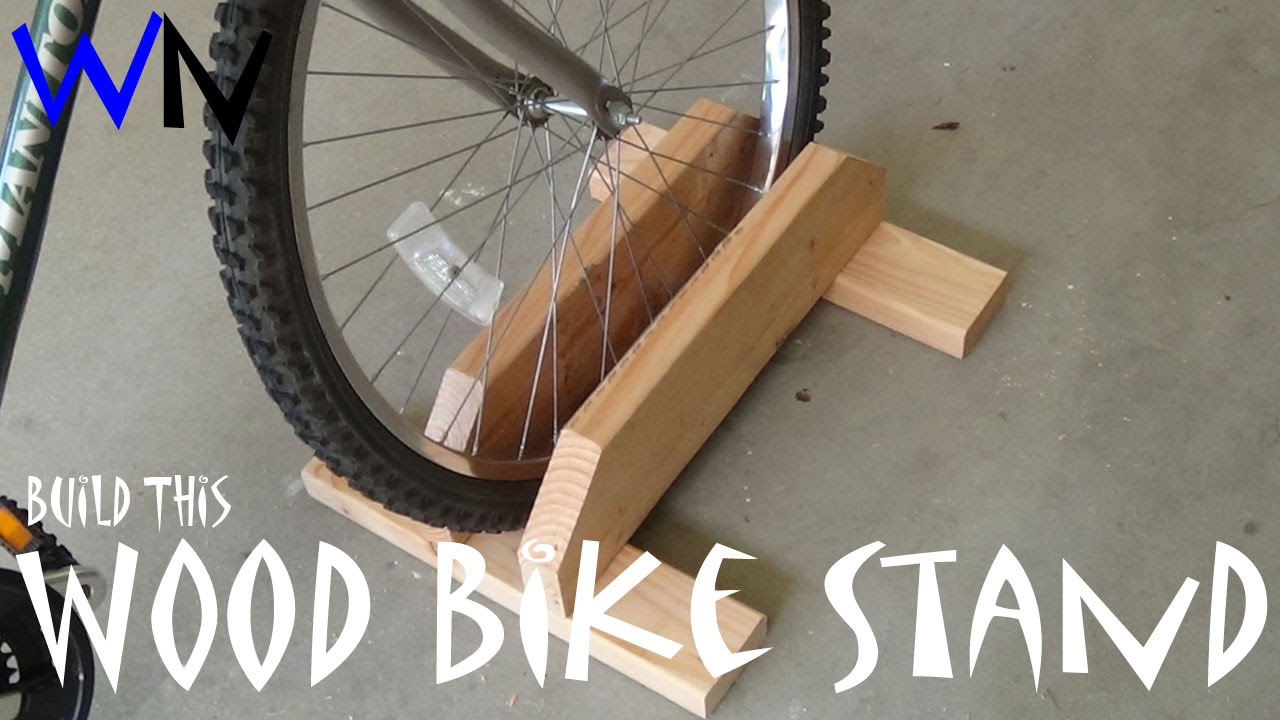
Which DIY Bike Rack Should You Build?
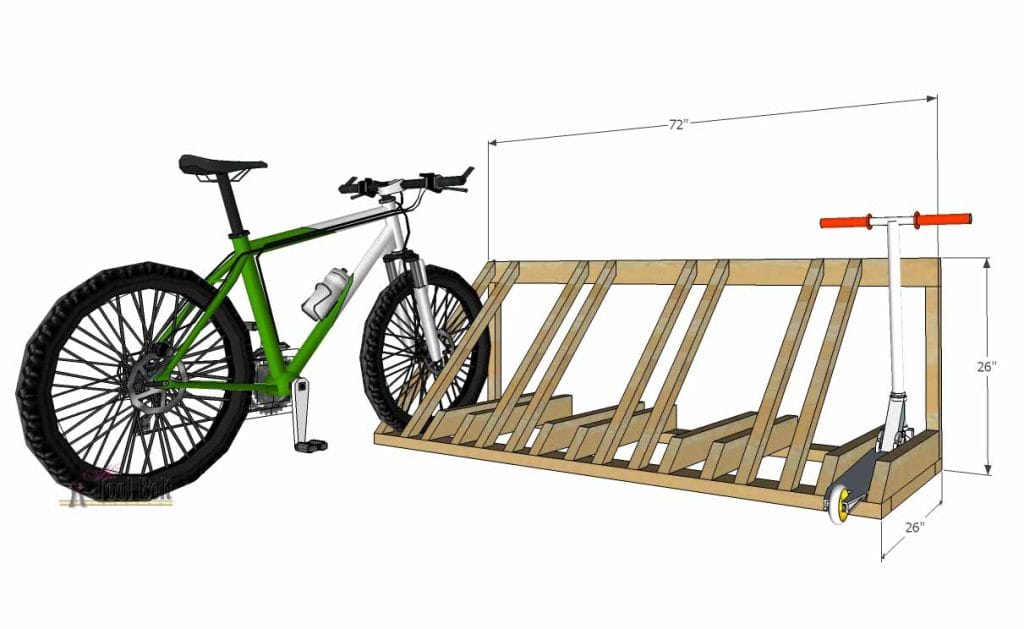
Pick the design first, then buy materials. The right one depends on your floor or wall space and your bikes’ tire width.
| Design | Best for | Materials | Difficulty |
|---|---|---|---|
| Floor slot rack (wheel slots) | 2-5 bikes in a garage or shed | 2×4 lumber, screws, corner brackets | Easy, one afternoon |
| PVC pipe stand | Kids’ bikes, light road bikes, indoor use | 1-1/4 inch PVC pipe, elbows, tees, PVC cement | Easy |
| Wall rail with hooks | Saving floor space; bikes hang by the front wheel | 2×6 board screwed into studs, vinyl-coated bike hooks | Easy, needs a stud finder |
| Ceiling hoist | Bikes you use rarely, high garage ceilings | Pulley hoist kit into ceiling joists | Moderate |
Slot width by tire: make wheel slots a little wider than your widest tire. As a guide, about 1-1/2 inches for road and hybrid tires, about 2-1/2 to 3 inches for mountain bike tires, and 4-1/2 inches or more for fat bikes. Heavy e-bikes (often 50-70 lb) are safer in a floor rack than on a wall hook.
Need to carry bikes on your car instead? A homemade car rack is not safe at highway speed; see our e-bike hitch rack guide and bike rack reviews.
Materials Needed
A bike rack needs some basic tools. You will need a drill. Get a set of screwdrivers too. A wrench set is also important. You might need a saw. A measuring tape helps a lot. Don’t forget safety gear. Gloves and goggles are a must.
You need wood or metal pipes. Screws and bolts are essential. Get brackets for support. Sandpaper is good for smooth edges. You may need paint for finishing. Hinges are useful for moving parts. Choose strong materials for a durable rack.
Planning Your Bike Rack
Think about how many bikes you need to store. Consider the space available. Vertical racks save space. Horizontal racks are easier to use. Think about the materials. Metal is strong. Wood looks nice. Both can work well. Think about the style. Simple designs are easy to build. Fancy designs look cool. Think about the weather. If the rack is outside, it must be weatherproof. Plan the design carefully.
Measure your bikes. Measure the space where the rack will go. Write down these measurements. Make sure the rack will fit your bikes. Allow extra space for easy access. Make sure you have room to maneuver your bikes. The rack should be stable. It should not tip over. Measure twice to be sure.
Building The Frame
Start by measuring the wood. Mark where you need to cut. Use a saw to cut the wood. Make sure cuts are straight. This will help the frame fit well. Double-check your measurements before cutting. It’s better to cut a bit longer. You can always trim off extra wood later.
Lay out the wood pieces on the ground. Arrange them to form the frame. Use screws to join the pieces. Ensure the frame is square. This will make it stronger. Reinforce corners with brackets. This adds extra strength. Check for any loose screws. Tighten them if needed. Your frame is now ready.
Rather Buy Than Build? Ready-Made Bike Storage
If you would rather skip the saw, these do the same jobs as the DIY designs above. Check the wheel size and tire width each one fits before you order.
Same idea as a floor slot rack: a steel floor stand holds bikes upright by the wheel with nothing to mount.

- This free-standing floor stand is great when you still need the flexibility to move your bike around, whether it’s in yo…
- 2 pulleys design with adjustable position. Fits any bikes with wheel size from 24" to 29". Just a simple "slide in" and …
- Either front or rear wheel slides in. Sitting in firmly to make the bike standing 100% stable. This rack only touches on…
Same idea as a wall hook, but the bike swings flat against the wall: Steadyrack’s pivoting mount. This model fits 24-29 inch wheels and 2.1-2.8 inch tires; road bikes need Steadyrack’s narrow-tire version.

- Easy Load – Steadyrack’s MTB wall bike rack makes lifting effortless. Just roll your bike onto the rack, designed for bi…
- Effortless roll-in storage – Say goodbye to awkward lifting. Just balance your bike on the rear wheel and roll it in—our…
- Pivot to save serious space – The SteadyPivot system lets you swivel your bike, so you can store it close to the wall an…
Same idea as a ceiling hoist: a pulley lift raises the bike by the handlebars and saddle. Mount it into a ceiling joist and stay within the listed weight rating.

- steel
- Durable Steel Construction: Made from high-quality steel to ensure strength and reliability, supporting up to 50 pounds …
- Safety Locking Mechanism: Built-in lock prevents accidental release, keeping your bicycle safely secured
As an Amazon Associate, we earn from qualifying purchases at no extra cost to you.
Creating Bike Slots
Learn how to build a bike rack with easy steps. Gather materials, measure space, and follow a clear plan. Create a sturdy and organized bike storage solution for your home.
Spacing The Slots
Each bike slot needs enough space. This prevents bikes from touching each other. Keep at least 18 inches between slots. This allows easy access and avoids scratches. Use a measuring tape for accuracy. Mark each slot with chalk. Make sure lines are straight.
Securing The Slots
Use sturdy materials to secure the slots. Wood or metal works well. Cut the material to match your marks. Attach them firmly to the base. Make sure each slot is stable. Test by gently shaking the slot. It should not move. Ensure all slots are equally secure.
Adding Stability
Adding stability is crucial when building a bike rack. Secure the base with strong materials and ensure proper balance. This helps prevent tipping and keeps bikes safe.
Reinforcing The Structure
A strong bike rack needs a solid structure. Use thick wood or metal for the frame. Bolts and screws should be tight. This avoids shaking. Use braces at corners for extra strength. This keeps the rack from wobbling. Check all parts for sturdiness. Make sure they are well fixed.
Ensuring Balance
A balanced bike rack is safe. Level the base to the ground. This stops tipping over. Use a spirit level to check. Adjust legs if needed. Place heavy items at the bottom. This adds weight for balance. Spread the weight evenly across the rack. This keeps the rack stable. Check balance often. Make sure it stays safe.
Finishing Touches
Start with rough sandpaper. This removes big bumps. Then, use finer sandpaper. This makes the wood smooth. Always move in the direction of the grain. This helps avoid scratches. Wipe the dust away with a cloth. Now the wood is ready for finishing.
Choose paint or stain. Paint gives a solid color. Stain shows the wood grain. Apply a thin coat first. Let it dry. Apply more coats if needed. Use a brush or a cloth. Make sure the finish is even. This protects the wood. It also makes your rack look great.
Installing Your Bike Rack
Pick a spot with enough space. Ensure it’s easy to access. Avoid busy walkways and avoid blocking doors. The area should be dry and safe. Measure the space to fit the rack. Think about height and width. The bike should hang without touching the ground. Consider nearby walls and objects. Prevent scratches and damage. Choose a location with good lighting.
Gather tools like a drill, screws, and a level. Mark the spot where you will mount the rack. Drill holes for the screws. Use a level to ensure it is straight. Insert screws and tighten them. Check if the rack is secure. Test by gently pulling. Ensure it doesn’t move. Adjust if needed. Hang your bike and check balance.
Before you drill: wall hooks and rails must go into studs, not bare drywall. A stud finder with live-wire warning shows you both the stud and any cable behind it.

- ACCURATE: More sensors = More accuracy. Conventional electronic stud finders have 1 or 2 sensors. The ProSensor M210 has…
- EASY: No calibration is required. Simply press and hold the button to begin scanning. Unlike other wall stud finders tha…
- SHOWS FULL WIDTH OF STUDS: Unlike magnetic stud finders that only find screws, the ProSensor M210 detects the full width…
Maintenance Tips
Creating a sturdy bike rack requires basic tools and materials like wood, screws, and a drill. Ensure the rack is stable by measuring and cutting pieces accurately. Secure the joints tightly for added safety.
Regular Inspections
Check the bike rack every week. Look for any loose screws. Make sure all parts are tight. A wobbly rack can be dangerous. Also, check for rust. Rust weakens the metal. Clean it off if you see any. Inspect the rack after every use. This keeps it in good shape.
Repairing Damages
Fix any damage right away. Small cracks can get bigger. Broken parts can cause accidents. Replace any worn-out parts. Use quality parts for repairs. Do not use tape or glue. They are not strong enough. Make sure the repairs are secure. Test the rack after fixing it. This ensures it is safe to use.
Black Friday tip: bike storage racks, hoists and stud finders are often discounted in late November. Count your bikes and measure your widest tire now, so you know which rack or slot width you need when the deals start.
Frequently Asked Questions
How Do I Start Building A Bike Rack?
To start, gather necessary materials like wood, screws, and tools. Measure and cut wood pieces according to your desired dimensions.
What Materials Are Needed For A Bike Rack?
You need wood, screws, a saw, a drill, and brackets. These materials will ensure a sturdy and reliable bike rack.
Can I Build A Bike Rack Without Woodworking Skills?
Yes, you can. Follow simple plans and use pre-cut wood. Many bike rack designs are beginner-friendly and easy to assemble.
How Much Time Does It Take To Build?
Building a bike rack can take a few hours. The time depends on your skill level and the complexity of the design.
How Wide Should Bike Rack Slots Be?
A little wider than your widest tire: about 1-1/2 inches for road and hybrid bikes, 2-1/2 to 3 inches for mountain bikes, and 4-1/2 inches or more for fat bikes. Too wide and the bike leans; too narrow and the tire rubs or will not go in.
Conclusion
Building your own bike rack is practical and rewarding. Follow the steps outlined to create a sturdy, reliable rack. Gather materials, use simple tools, and take your time. Enjoy the process. Your bike will have a safe home. Plus, you save money and gain a useful skill.
Share your experience with friends. Inspire them to build one too. With a little effort, you can have a custom bike rack. Happy building!
Further reading: bicycle parking rack (Wikipedia)

🛠️ Buying Gear for Your Work Truck?
A free Amazon Business account gets you bulk pricing, tax-exempt purchases, and business-only deals on tools, racks, and truck accessories.
Create Free Amazon Business AccountAs an Amazon Associate we earn from qualifying purchases.