
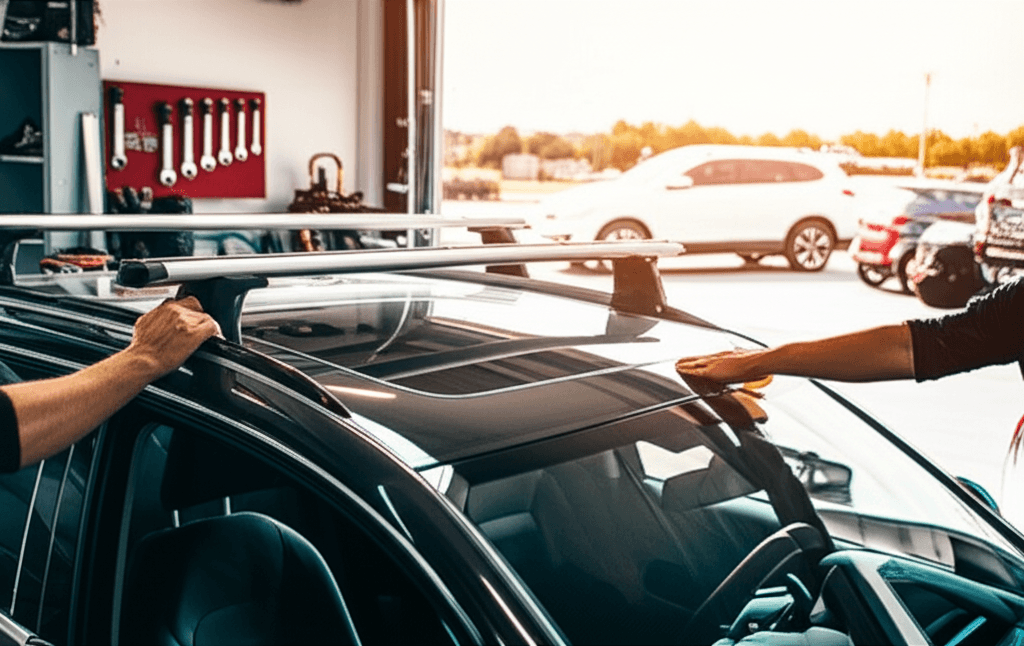
Quick Summary: Yes, a roof rack will impact your car’s fuel economy, causing a noticeable decrease in miles per gallon (MPG), especially when loaded or at highway speeds. Keeping it empty and streamlined minimizes this effect.
Planning an adventure that requires more gear than your car can hold? A roof rack is a fantastic solution! You might be wondering, “How will a roof rack affect my car’s fuel economy?” It’s a common and smart question. The good news is, understanding this impact is pretty straightforward. We’ll break down exactly how much MPG you might lose, why it happens, and what you can do to keep your wallet happy at the pump.
We’ll cover everything from the science behind air resistance to practical tips for minimizing fuel loss, making sure you can travel smarter and more affordably. Get ready to equip your adventure—without breaking the bank on gas!
Understanding Aerodynamics and Your Car
Think about how your car moves through the air when you drive. It’s not just pushing air out of the way; it’s creating a smooth flow around its shape. This smooth flow is called aerodynamics. A well-designed car uses good aerodynamics to glide through the air with less effort, which directly translates to better fuel economy. Less effort from the engine means using less fuel.
Now, imagine sticking a bulky, boxy object on top of your car. That smooth airflow gets disturbed. The roof rack, especially when empty, creates drag. Drag is like invisible resistance pushing back against your car as it moves. The more drag, the harder your engine has to work to maintain speed, and the more fuel it consumes. This is the primary reason why a roof rack affects your car’s MPG.
What is Aerodynamic Drag?
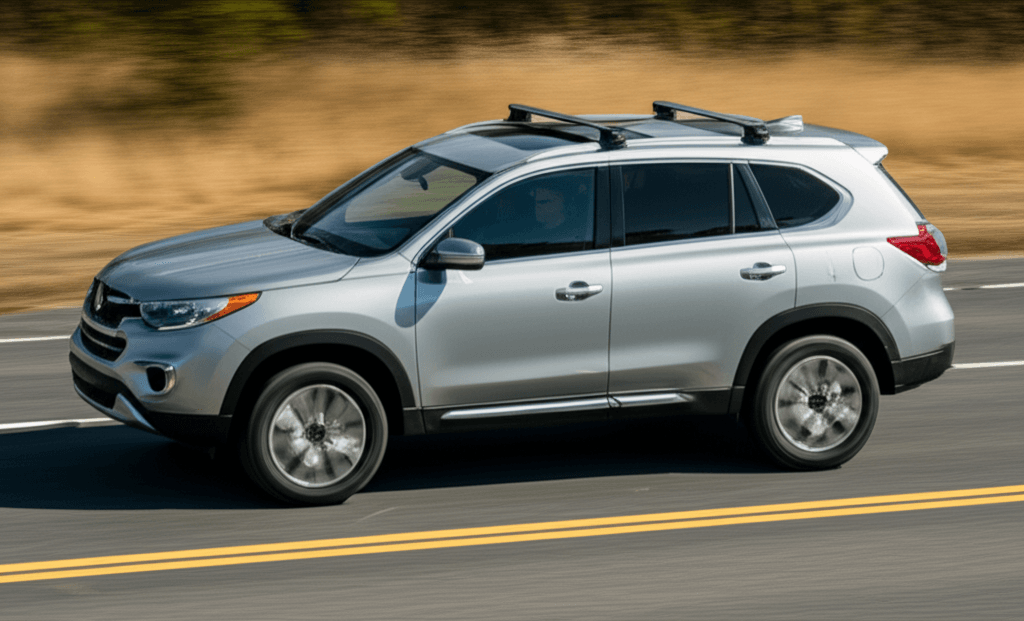
Aerodynamic drag is the force that opposes a vehicle’s motion through the air. It’s a combination of factors, including the shape of the vehicle and its speed. For a roof rack, drag is created because it disrupts the natural, streamlined airflow over your car’s body. Imagine a smooth river; if you put a jagged rock in it, the water has to swirl and eddy around it, losing some of its smooth flow. Your car’s air is doing something similar around a roof rack.
There are two main types of drag that are relevant here:
- Form Drag (or Pressure Drag): This is created by the shape of the object. A blunt, non-streamlined shape like a roof box creates more form drag than a sleek, teardrop shape. A roof rack, even without a cargo box, presents multiple uprights and crossbars that interrupt airflow.
- Friction Drag: This is caused by the air rubbing against the surface of the object. While less significant for a roof rack compared to form drag, it still contributes to overall resistance.
The faster you go, the more exponentially drag increases. This means a roof rack affects your fuel economy much more noticeably at highway speeds than it does in city driving.
How Much MPG Can You Expect to Lose?
This is the million-dollar question, and the answer is, “It depends!” There isn’t a single, universal number because so many factors are at play. However, we can give you some solid estimates and explain what influences them.
Generally, an empty, well-designed crossbar-style roof rack can reduce your fuel economy by about 1% to 5%. This might not sound like much, but over a long trip, it adds up. However, once you start adding cargo, especially bulky items, or if you use a large roof box, that number can climb significantly.
Factors That Influence MPG Loss:
- Rack Design: Sleek, aerodynamic crossbars create less drag than older, bulkier designs. Some modern racks are specifically engineered to minimize air resistance.
- Speed: As mentioned, drag increases with the square of your speed. Driving at 75 mph will cause significantly more fuel consumption with a roof rack than driving at 55 mph.
- Type of Rack: Bare crossbars are better than a full roof box. A hard-shell roof box, while protective, can be a large, blunt surface that significantly increases drag. Soft-sided carriers can also flap in the wind, creating drag.
- Load (Weight and Shape): An empty rack causes drag, but a loaded rack causes even more. The weight itself requires more engine effort, and the added surface area and shape of the cargo create more air resistance. Bulky, upright items catch more wind than streamlined items.
- Vehicle Shape: Smaller, more aerodynamic cars will notice the impact of a roof rack more than larger SUVs or trucks that already have a less streamlined profile.
- Weather Conditions: Strong headwinds will amplify the negative effect of a roof rack on your fuel economy.
To give you a clearer picture, let’s look at some general scenarios:
| Scenario | Estimated MPG Loss | Explanation |
|---|---|---|
| Empty, Aerodynamic Crossbars | 1-5% MPG Decrease | Minimal disruption to airflow. Most noticeable at highway speeds. |
| Empty, Basic Crossbars | 3-7% MPG Decrease | Slightly more drag due to less refined design. |
| Empty Roof Box (Aerodynamic) | 5-10% MPG Decrease | The box itself is a larger surface area, increasing drag. |
| Loaded Roof Box (e.g., luggage) | 10-20% MPG Decrease | Increased weight and shape of cargo combined with the box. |
| Carrying Bulky Items (e.g., bikes, kayaks) | 10-25% MPG Decrease | Items catch significant wind, creating substantial drag. |
| Driving Above 70 mph with Any Rack/Load | Significant increase from above percentages | Drag forces increase exponentially with speed. |
It’s important to remember these are estimates. Your actual mileage may vary. For instance, research from the U.S. Department of Energy suggests that a roof rack can reduce fuel economy by up to 20%!
To get a better understanding, you can perform a simple test yourself. Before and after installing your rack (or loading it), fill up your tank, reset your trip odometer, and drive normally for a set distance (e.g., 100 miles). Then refill and calculate your MPG. Repeat this process with the rack installed and loaded, and compare the results.
Why Does the Shape of the Load Matter?
It’s not just the weight; the shape of what you’re carrying on your roof rack plays a huge role in how much it affects fuel economy. Think about it like this: a flat, wide object will catch more wind than something narrow and pointed.
When you install a roof rack, you’re adding something to your car that wasn’t originally designed to be there. The engineering of cars aims for a smooth flow of air over the body. Adding a roof rack, and then more importantly, adding gear to it, disrupts this as efficiently as possible.
Here’s a breakdown of how different load shapes impact drag:
- Aerodynamic Profiles: Items like a specially designed, low-profile roof box or a kayak that lies relatively flat on its side will create less drag than upright objects. However, even an aerodynamic box is an object creating drag.
- Upright Items: Things like bikes mounted vertically, Stand Up Paddleboards (SUPs) on their sides, or even just an empty but poorly designed cargo box will face the wind directly. This blunt force creates significant turbulence behind the object, which translates directly into increased drag.
- “Sail Effect”: This is a common way to describe how bulky items act like sails, catching the wind and pushing against your vehicle. The larger the surface area presented to the wind, the greater the force pushing back.
For example, carrying bicycles is a common use for roof racks. If your bikes are mounted upright on a rack, they present a large, uneven surface area to the wind. This is far less aerodynamic than putting them inside your car (if possible) or using a hitch-mounted rack.
Similarly, a large cargo box, while great for storage, often has a blunt front end that is a major source of drag. Even if the box itself is designed to be somewhat aerodynamic, the added surface area compared to bare crossbars will increase fuel consumption. For best results, try to position cargo to create the most streamlined profile possible.
Minimizing the Fuel Economy Impact
The good news is you don’t have to ditch your roof rack or cancel your road trip dreams to save on gas. With a few smart strategies, you can significantly reduce the impact of your roof rack on your car’s fuel economy. It’s all about making smart choices before, during, and after your journey.
1. Choose the Right Roof Rack System
Not all roof racks are created equal when it comes to aerodynamics. When you’re purchasing a rack, consider these points:
- Aerodynamic Crossbars: Opt for crossbars that have a flat, airfoil-like shape. These are designed to cut through the air much more efficiently than round or square bars. Brands like Thule and Yakima offer many aerodynamic options.
- Low-Profile Designs: Some racks are designed to sit closer to the roof of your vehicle, reducing their overall height and the amount of air they disrupt.
- Integrated Racks: If your vehicle comes with integrated or flush side rails, these are often more aerodynamic than aftermarket systems.
- Removable Racks: If you only use your roof rack for occasional trips, investing in a system that is easy to remove when not in use is one of the best ways to save fuel.
For more information on choosing the right rack, check out resources from the Federal Highway Administration on vehicle aerodynamics.
2. Remove the Rack When Not in Use
This is arguably the most effective way to combat fuel economy loss. If you only put your roof rack on for specific trips (like camping or ski season), take it off as soon as you’re done. Even just the bare crossbars create drag. Leaving them on your car full-time when you’re not using them is like driving around with a small parachute on your roof, costing you extra money at the pump every day.
3. Load Smartly and Secure Your Cargo
Even with the best rack, how you load your cargo makes a difference. Try to:
- Pack Tightly: Minimize empty space within cargo boxes or carriers. Loose items can shift and create more drag or noise.
- Streamline the Load: Whenever possible, arrange items to present the most aerodynamic profile. If using a roof box, pack it so the front is slightly lower than the back.
- Secure Everything Properly: Loose items will flap in the wind, creating noise and increasing drag. Use good quality straps and tie-downs.
- Keep Height in Mind: The taller the load, the more wind resistance it encounters.
4. Drive More Conservatively
As we’ve discussed, speed is a major factor. Adjusting your driving habits can make a significant difference:
- Reduce Speed: Especially on highways, driving 5-10 mph slower can dramatically improve MPG when a roof rack is installed.
- Avoid Rapid Acceleration and Braking: Smooth driving is always more fuel-efficient, and it becomes even more crucial with added drag.
- Use Cruise Control: On relatively flat terrain, cruise control can help maintain a steady speed, which is more efficient than constant manual adjustments.
5. Consider Alternative Storage
Sometimes, the best way to minimize fuel economy impact is to avoid putting large items on the roof altogether:
- Hitch-Mounted Carriers: If your vehicle has a trailer hitch, a hitch-mounted cargo carrier or bike rack can be much more aerodynamic than a roof rack, as it’s typically placed lower and behind the vehicle.
- Inside Storage: If possible, use the interior of your car. Folding down seats or using cargo organizers can often fit more than you think.
- Towing a Trailer: For very large loads, a small utility trailer might even be more fuel-efficient than a heavily loaded roof rack, depending on the trailer’s design and speed.
Impact on Handling and Noise
Beyond fuel economy, roof racks and their loads can affect your vehicle in other ways.
Handling
Adding significant weight to the roof of your vehicle raises its center of gravity. This can affect how your car handles, especially during turns or sudden maneuvers:
- Increased Rollover Risk: A higher center of gravity makes your vehicle more prone to tipping, particularly SUVs and taller vehicles. This is more pronounced with heavy or awkwardly distributed loads.
- Swaying: In crosswinds, a heavily loaded roof rack can cause your vehicle to sway more noticeably.
- Cornering: You’ll likely notice more body roll when cornering. It’s important to slow down more for turns and avoid aggressive driving.
Always be mindful of the weight limits specified by both your vehicle manufacturer and your roof rack manufacturer. Exceeding these limits can compromise vehicle safety and lead to damage.
Noise
Even an empty roof rack can create wind noise, often described as a whistling or humming sound, especially at higher speeds. This noise is caused by the same airflow disruption that creates drag.
- Bare Rack Noise: Different rack designs produce different levels of noise. Aerodynamic bars are generally quieter than round bars. Some users find that adding a fairing (a deflector shield) to the front of the rack can help reduce wind noise.
- Loaded Rack Noise: The cargo itself can contribute to noise. Items that aren’t perfectly secured can flap or rattle. Some cargo boxes are also inherently noisier than others due to their construction and shape.
If wind noise is a significant concern, look for rack systems that are specifically advertised as quiet or consider adding accessories like fairings or wind reducers.
Maintenance and Care for Your Roof Rack
To ensure your roof rack performs well, lasts a long time, and doesn’t negatively impact your car beyond fuel economy, proper maintenance is key.
Regular Cleaning
Washing your roof rack regularly, especially after exposure to salt, sand, mud, or road grime, is crucial. Use mild soap and water, and a soft brush or cloth. Rinse thoroughly to remove all soap residue.
- What to Clean: Don’t forget to clean the mounting points on your car’s roof, as dirt and grit can accumulate there, potentially scratching your paint.
- Drying: Dry the rack and your car’s roof thoroughly to prevent water spots and potential rust.
Inspecting for Damage
Before and after each use, and periodically throughout the year, inspect your roof rack for any signs of damage or wear:
- Check Components: Look for cracks, bends, or corrosion on the crossbars, towers (the parts that attach to your car), and any accessories like cargo boxes or bike mounts.
- Inspect Mounting Hardware: Ensure all bolts, nuts, and clamps are tight and free from rust or damage.
- Examine Straps and Tie-downs: If you use soft carriers or tie-downs, check for fraying, cuts, or wear.
Tightening Connections
Vibrations from driving can cause bolts and clamps to loosen over time. Periodically check and retighten all fastenings according to the manufacturer’s instructions.
- Factory Manuals: Always refer to the installation manual for your specific roof rack system. It will detail recommended tightening procedures and torque specifications if applicable.
- On-the-Go Checks: For long trips, it’s a good practice to re-check the tightness of your roof rack at stops.
Lubrication (Where Applicable)
Some parts, like certain lock cylinders or pivot points on accessories, may benefit from occasional lubrication. Use a silicone-based lubricant or a recommended product from the rack manufacturer. Avoid petroleum-based lubricants, which can degrade rubber or plastic components.
Storing Your Rack
If you remove your roof rack for extended periods, store it properly in a dry place, away from direct sunlight and extreme temperatures. A garage or shed is ideal. This will protect it from the elements and prolong its lifespan. Ensure no small parts are lost during storage.
Frequently Asked Questions (FAQ)
Q1: Will removing my roof rack make a noticeable difference in MPG?
A: Yes, absolutely. Even empty crossbars create drag. Removing them, especially if you don’t need them, will directly improve your fuel economy. This is especially true