
As an Amazon Associate, RackReveal earns from qualifying purchases. Some links on this page are affiliate links, at no extra cost to you.
Transporting a kayak can be tricky. The roof rack is a great solution.
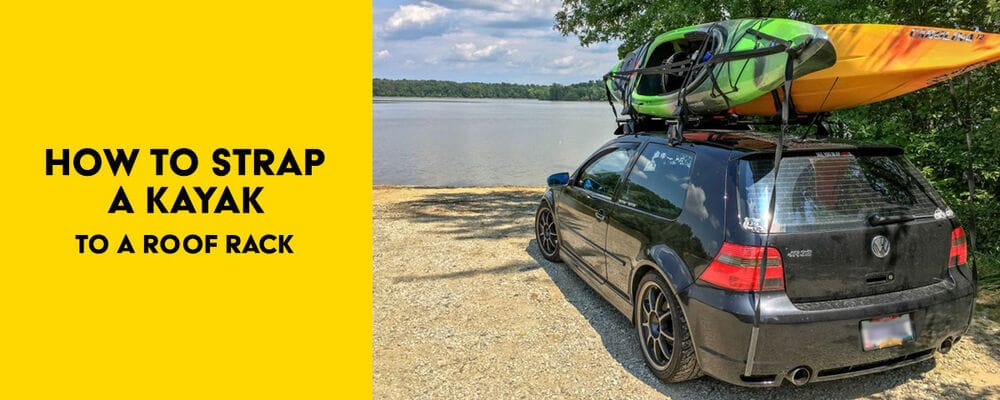
Kayaking is an amazing outdoor activity, but getting your kayak to the water can be a challenge. Properly securing your kayak on a roof rack ensures safe transport and protects your vehicle and kayak. Many find this task daunting, but with the right steps, it becomes much simpler.
In this guide, we will explore the best way to put your kayak on a roof rack. Whether you’re a seasoned paddler or new to the sport, these tips will help you secure your kayak efficiently and with confidence. Let’s get started!
Choosing The Right Roof Rack
Selecting the right roof rack makes loading a kayak easier. Secure the kayak with straps to keep it stable. Ensure the roof rack fits your vehicle for a safe journey.
Types Of Roof Racks
There are several types of roof racks. Each has its own benefits. J-style racks hold the kayak at an angle. Saddle racks support the kayak from below. Stacker racks let you carry more than one kayak. Temporary pads are soft and easy to remove. Choosing the right type depends on your needs.
Compatibility With Kayak
Ensure the roof rack fits your kayak. Check the kayak’s size and shape. Some racks may not work with certain kayaks. Measure the width and length of your kayak. Compare these with the rack’s capacity. A good fit means better safety. Also, consider the weight of the kayak. The roof rack should be strong enough. A bad fit can cause damage. Always read the rack’s manual.

Preparing Your Kayak
Look at the kayak for any damage. Check for cracks and holes. Inspect the hull and sides carefully. Fix any problems before you go.
Wash the kayak with water and soap. Remove dirt and grime. Make sure it is clean and dry. Clean surfaces help with grip. A clean kayak is also safer to handle.
Gathering Necessary Equipment
Ensure you have strong straps. They should be long enough. Look for durable tie-downs. They must hold the kayak firmly. Quality materials are vital. Safety is a priority.
Use padding to protect your kayak. Soft materials work best. Foam pads are ideal. Protectors shield your car. They prevent scratches. Keep your kayak safe. Ensure a smooth journey.

Lifting The Kayak
Always bend your knees and keep your back straight. Lift with your legs, not your back. This prevents injury. Stand close to the kayak. Use both hands to grip it firmly. Avoid twisting your body. Move in a straight line. If the kayak is too heavy, ask for help. Two people can lift it safely.
A kayak lift assist can help you. Place the lift near your car. Use it to raise the kayak. The device holds the kayak in place. You can then slide it onto the roof rack. This reduces strain on your body. It makes lifting easier and safer. No need to struggle or risk injury.
Positioning The Kayak On The Roof Rack
Lift the kayak and place it in the middle of the roof rack. Make sure it is centered. This helps with balance. A centered kayak reduces the risk of it falling off. Check both sides to ensure equal overhang. This step is very important.
Once centered, adjust the kayak for better stability. Secure the front and back with straps. Tighten the straps but do not overdo it. Firmly secure the kayak to avoid movement. Make sure it does not shift when you push it. A stable kayak means a safer trip.
Securing The Kayak
Place the kayak on the roof rack. Use strong straps to secure it. Make sure the straps go over the kayak. Pass the straps under the bars of the rack. Pull the straps tight. Check that the kayak does not move.
After securing, tighten the straps more. Do not make them too tight. Just enough to hold the kayak well. Check the kayak from all sides. Move it to see if it is secure. If it moves, tighten the straps again. Always check before driving.
Ensuring Safety
Always make sure the kayak is fastened tightly. Check each strap one more time. Tighten straps if they feel loose. This prevents the kayak from moving. Secure kayaks are safer for driving.
Try to move the kayak by hand. Push and pull gently. The kayak should not slide or wobble. If it moves, tighten the straps again. Test one more time to be sure. Safety first!
Driving With A Kayak
Drive slower than usual. A kayak on the roof can catch wind. It might make your car less stable. Take turns carefully. Avoid sudden stops. This will keep your kayak safe. It will also keep other drivers safe. Remember, safety first.
A kayak adds height to your car. Check for low bridges. Watch out for parking garages. Measure the total height of your car with the kayak. Know your limits. This helps in avoiding accidents. Plan your route in advance. Stay aware of your surroundings.
Gear Worth Considering
A couple of real products that fit directly with what this guide covers:
These cam buckle straps secure your kayak to the roof rack while the silicone housing helps protect your vehicle’s paint during transport.
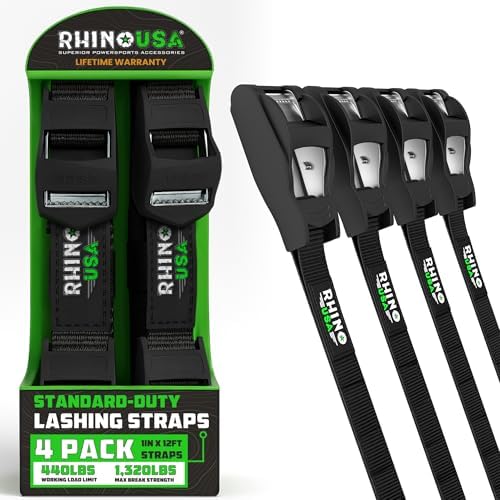
- SILICONE-COVERED CAM BUCKLE STRAPS – Protective silicone housing helps prevent scratches on vehicle paint and gear while…
- VERSATILE TIE DOWN STRAPS FOR OUTDOOR GEAR – Ideal for securing kayaks, canoes, paddleboards, surfboards, bikes, ladders…
- BUILT-IN VELCRO KEEPER AND STORAGE BAG – Each strap includes a Velcro keeper to keep straps neatly coiled. Comes with a …
This lift-assist roof rack, with its 100 lb capacity and Smart-Lift Mechanism, simplifies the loading step this guide walks you through.

- Important Notice: Verify Crossbar Compatibility Before Purchase! 1. Requires extended and adjustable crossbars. Your cro…
- Elevate Your Loading Game: Say goodbye to backaches & heavy lifting! Our innovative Smart-Lift Mechanism effortlessly ra…
- Safety First: Travel with confidence. Engineered with sturdy construction and advanced locking mechanisms, this rack kee…
Frequently Asked Questions
How Do I Secure A Kayak On A Roof Rack?
To secure a kayak, use straps or cam buckles. Position the kayak in the center. Tighten the straps firmly. Ensure it’s stable.
Can One Person Lift A Kayak Onto A Roof Rack?
Yes, one person can lift a kayak. Use proper lifting techniques. Consider using a kayak lift assist for ease.
Do I Need Special Straps For Kayaks?
Yes, special kayak straps are recommended. They provide better grip and security. Avoid using bungee cords.
What Is The Best Position For A Kayak On A Roof Rack?
Place the kayak hull-side down. Center it between the crossbars. Ensure it’s evenly balanced for stability.
Conclusion
Securing a kayak on a roof rack can be simple. Follow the right steps. Choose proper gear. Ensure the kayak is centered and tied down tightly. Double-check all straps before driving. Safety comes first. Practice makes perfect. Soon, you will find the process easy.
Enjoy your kayaking adventures with peace of mind. Happy paddling!
Recommended Product
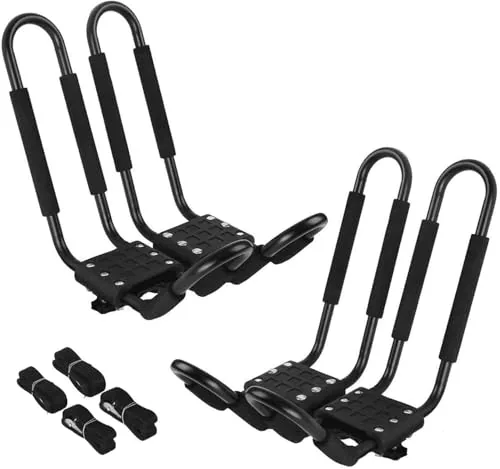
PIRIPARA Kayak Roof Rack 2 Pairs J-Bar Carrier Holder for Canoe, SUV,
Further reading: roof rack (Wikipedia)

🛠️ Buying Gear for Your Work Truck?
A free Amazon Business account gets you bulk pricing, tax-exempt purchases, and business-only deals on tools, racks, and truck accessories.
Create Free Amazon Business AccountAs an Amazon Associate we earn from qualifying purchases.