

Quick Summary: Roof racks are expensive because they’re engineered for safety, durability, and vehicle-specific fit. High-quality materials, rigorous testing, and specialized designs ensure they can securely carry heavy loads, withstand harsh weather, and enhance your adventures, offering significant long-term value for your vehicle’s utility.
Are you dreaming of those epic road trips, loaded up with bikes, kayaks, or extra luggage, but then you look at the price tag of a roof rack and think, “Whoa, that’s a lot!” You’re not alone. It’s a common sticker shock for many of us who want to expand our vehicle’s carrying capacity. But before you dismiss them as too pricey, let’s explore why roof racks cost what they do. I’m here to break it down in a way that makes sense, showing you the incredible value packed into those sturdy bars and towers.
We’ll dive into what goes into making a reliable roof rack system, why choosing the right one matters for your adventures, and how to see the “stunning value” behind the investment. Get ready to understand the real worth of a good roof rack!
Unpacking the Cost: What Makes a Roof Rack Worth the Price Tag?
When you see a roof rack system costing a few hundred dollars, it’s natural to wonder where that money is going. It’s not just a couple of metal bars! The price reflects a complex blend of engineering, materials, safety standards, and design tailored specifically to your vehicle. Let’s break down the key factors that contribute to the cost, and more importantly, demonstrate the value you receive.
1. Engineering and Design: More Than Just Straight Bars
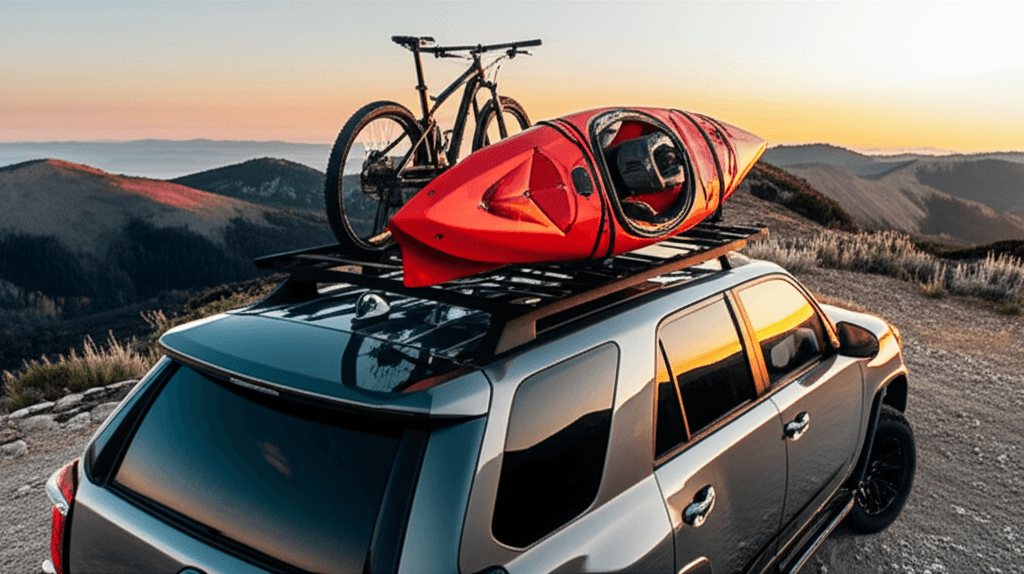
The seemingly simple design of a roof rack is actually the result of extensive research and development. Manufacturers invest heavily in creating systems that are not only functional but also aerodynamic, quiet, and safe. This process involves:
- Aerodynamic Profiling: Modern roof racks are shaped to minimize wind noise and drag. This isn’t just about comfort; it directly impacts your vehicle’s fuel efficiency. Less drag means better gas mileage, saving you money on fuel over time.
- Vehicle-Specific Fit: The best roof racks are designed to perfectly match the contours and mounting points of your specific car or SUV. This ensures a secure and stable fit, preventing damage to your vehicle and keeping your gear safe. Generic racks often compromise on fit and security.
- Load Capacity Engineering: Roof racks are engineered to carry significant weight. This involves calculating stress points, ensuring structural integrity, and designing mounting systems that distribute the load effectively across your vehicle’s roof structure. This is crucial for safety when carrying heavy items like kayaks or cargo boxes.
- Wind Tunnel Testing: Reputable brands often use wind tunnels to test their designs for noise, drag, and stability. This adds to the development cost but results in a superior product that performs better in real-world conditions.
2. High-Quality Materials: Built to Last
The materials used in a high-quality roof rack are crucial for its longevity, safety, and performance. Cutting corners on materials would lead to a rack that fails under load or quickly deteriorates. Here’s what you’re paying for:
- Durable Metals: Most crossbars and towers are made from aircraft-grade aluminum or high-strength steel. These materials are chosen for their excellent strength-to-weight ratio, resistance to corrosion, and ability to withstand extreme temperatures and weather conditions.
- UV-Resistant Plastics and Composites: Many components, like end caps, clamps, and specific adapter parts, are made from robust, UV-resistant plastics. This prevents them from becoming brittle and cracking when exposed to sunlight over time.
- Corrosion Resistance: Beyond the base materials, racks are treated with coatings and finishes (like powder coating or anodizing) to protect against rust and corrosion. This is especially important if your vehicle is exposed to rain, snow, salt, or coastal air.
- Precision Manufacturing: High-quality racks are manufactured with tight tolerances. This ensures that parts fit together perfectly, creating a strong and reliable system without rattles or movement.
3. Safety and Testing: Non-Negotiable Standards
Safety is paramount when it comes to carrying equipment on your vehicle’s roof. A poorly designed or installed rack can be dangerous, leading to accidents. This is why manufacturers invest heavily in ensuring their products meet stringent safety standards:
- Weight Ratings: Every roof rack system has a specific weight rating. This rating is determined through rigorous testing to ensure it can safely support the stated load without compromising vehicle dynamics or structural integrity. Exceeding this can be dangerous and void warranties. Always check your vehicle’s owner’s manual for its dynamic (while driving) and static (while parked) roof load capacity as well.
- Crash Testing: Top brands often perform or submit their products for crash testing to ensure they perform safely in the event of an accident. This adherence to safety protocols adds to the development and validation costs.
- Industry Certifications: Many roof rack systems meet or exceed international standards like those set by TÜV or ISO. Obtaining these certifications requires extensive testing and quality control processes. For example, the TÜV is a globally recognized certification body validating product safety and quality.
- Long-Term Durability Testing: Manufacturers simulate years of use, exposing racks to extreme weather, vibration, and stress to ensure they hold up over time.
4. Specialized Fit Kits and Accessories
One of the key reasons for the cost is that many high-end roof rack systems are modular. This allows for a custom fit for a wide variety of vehicles. You might need:
- Vehicle-Specific Towers/Feet: These are the parts that attach directly to your car’s roof (door frame, fixed points, side rails). They are uniquely engineered for each vehicle model to ensure a secure, non-damaging connection.
- Custom Fit Kits: Often, a specific “fit kit” is required for your make and model. This kit might include custom brackets, clips, or padding designed to interface perfectly with your car’s roofline, protecting paint and ensuring stability.
- Purpose-Built Accessories: The cost also extends to the vast array of accessories designed to work with the rack: bike carriers, kayak mounts, ski racks, cargo boxes, and more. These are often just as engineered and expensive as the base rack system.
Understanding Your Options: Different Types of Roof Racks
The “expense” can also vary depending on the type of rack you need. Some options are more budget-friendly than others, but they typically come with trade-offs in terms of ease of installation, noise, or weight capacity.
1. Factory-Installed Roof Racks
These are integrated into your vehicle’s design from the manufacturer. They often look sleek and are designed for specific mounting points.
- Pros: Seamless integration, often lower initial cost if bundled with the vehicle, typically good fit.
- Cons: Usually limited in function (often just basic crossbars), may not be as robust or quiet as aftermarket options, less versatile for specialized gear.
2. Aftermarket Roof Rack Systems
These are the most common and versatile options, offering a wide range of brands and configurations. They typically consist of several components:
- Crossbars: The horizontal bars that run across your vehicle. Available in different materials (aluminum, steel) and shapes (aerodynamic, square, round).
- Towers/Feet: The components that attach the crossbars to your vehicle’s roof.
- Fit Kits: Vehicle-specific parts that ensure a secure connection between towers and your car.
Aftermarket systems are popular because they offer more choices for carrying capacity, gear compatibility, and aesthetics. The “stunning value” comes from their adaptability and durability.
3. Types of Aftermarket Systems Based on Vehicle Attachment:
This is where the fit kit discussion becomes critical and directly impacts the perceived cost and value.
a) Raised Side Rails
Many SUVs and wagons come with rails that run from the front to the back of the roof, raised slightly above the roofline.
- Rack Type: Usually uses clamp-on towers that grip the rails.
- Cost: Generally mid-range. The towers are usually universal, but you might need specific clips for the best grip.
- Ease of Installation: Very easy, often requiring minimal tools.
b) Flush Side Rails
Similar to raised rails, but they sit flush with the roofline, with no gap underneath.
- Rack Type: Requires towers with a specific clamp or channel mechanism to grip the flush rail.
- Cost: Mid to high range, as the tower design needs to be more specialized.
- Ease of Installation: Relatively easy, but may require more precise alignment.
c) Fixed Mounting Points
These are small, often covered, mounting holes or points located along the edge of the roof or in the door frame.
- Rack Type: Uses towers that attach directly to these secure points, often with a custom fit kit.
- Cost: Can be mid to high, as the fit kit is very specific to the vehicle.
- Ease of Installation: Moderate; requires careful attachment of several parts.
d) Door Frame/Gutter Mounts
For vehicles without designated mounting points, racks can clamp onto the lip of the door frame (sometimes called bare roof or clamp mounts) or into rain gutters (older vehicles).
- Rack Type: Towers with specialized clamps and often plastic clips that press into the door frame.
- Cost: Can vary, but a full system with specific fit kits can add up.
- Ease of Installation: Moderate; requires careful measurement and tightening to ensure a secure fit without damaging door seals. Check out resources like Car and Driver’s guide for installation tips.
4. Basket Racks vs. Crossbar Systems
Beyond the base attachment, you have different styles of racks themselves:
- Crossbars: The simplest and often most affordable base. They offer a platform to attach other accessories (bike racks, kayak carriers).
- Cargo Baskets: These are open frames that sit on top of crossbars. They provide a large, open space for bulky or irregularly shaped items. They can be great for camping gear, luggage, or anything you don’t want inside.
- Cargo Boxes: These are enclosed, lockable containers that mount to crossbars. They offer protection from the elements and theft for your gear.
The price of the complete system will depend heavily on which of these components you choose.
The Value Proposition: Why a Good Roof Rack is an Investment
So, we’ve established why they cost what they do. Now, let’s focus on why that cost translates into “stunning value” for you. A good roof rack isn’t just an accessory; it’s a way to enhance your vehicle’s utility and open up new possibilities for adventure and everyday life.
1. Unlocking Your Vehicle’s Potential
Your car is more than just a mode of transport; it’s a tool for your lifestyle. A roof rack multiplies its capabilities:
- More Space for Adventures: Carry your bikes for a trail ride, your kayak for a paddle, your skis for a winter getaway, or extra luggage for a family road trip without cramming everything inside. This transforms your vehicle from a commuter car to an adventure machine.
- Comfort and Safety Inside: Without a roof rack, you might be forced to put gear inside, taking up passenger space and potentially creating hazards. A roof rack keeps the cabin clear, making for a more comfortable and safer journey for everyone.
- Transporting Bulky Items: Need to pick up lumber from the hardware store, a new kayak, or even a large piece of furniture? A roof rack with appropriate tie-downs can make these tasks manageable.
2. Durability and Longevity: Built to Last for Years
When you invest in a reputable brand, you’re investing in a product designed to last for many years and countless adventures. Unlike cheaper alternatives that might warp, rust, or break after a season or two, a quality roof rack:
- Withstands the Elements: Rain, snow, intense sun, and road grime are no match for properly coated metals and UV-resistant plastics.
- Maintains Performance: High-quality components ensure that the rack remains secure and stable trip after trip, without loosening or developing annoying rattles.
- Resale Value: A well-maintained roof rack system, especially one that is vehicle-specific, can be a selling point when you eventually trade in or sell your car. Potential buyers may see the added utility as a bonus and may be willing to pay a little more.
3. Safety and Peace of Mind
This is perhaps the most crucial aspect of value. Knowing that your gear is securely fastened to your roof provides invaluable peace of mind:
- Secure Gear Transport: You can drive with confidence, knowing your expensive bikes, kayaks, or luggage are safe and won’t come loose. This protects your gear, other drivers, and your vehicle from potential damage.
- Reduced Stress: Worrying about whether your gear is safe can detract from the enjoyment of your journey. A reliable rack means you can focus on the road and your destination.
- Protection for Your Vehicle: Properly designed racks and fit kits are engineered to attach securely without damaging your car’s paint or roof structure. This avoids costly repairs down the line.
4. Enhancing Fuel Efficiency (Counterintuitive, Right?)
While it might seem like adding something to your roof would decrease fuel efficiency, remember the engineering behind good racks. Aerodynamic designs minimize drag. More importantly, a roof rack might allow you to:
- Consolidate Trips: If you can fit more gear on your roof, you might be able to avoid making an extra trip for larger or bulkier items, saving fuel overall.
- Avoid Renting: For specific activities or hauling needs, renting a trailer or a larger vehicle can be costly. A roof rack often eliminates the need for such rentals.
Calculating the Real Cost: A Look at Total Cost of Ownership
Let’s compare a high-quality system versus a cheaper option over its lifespan. Consider a durable, reputable roof rack set that costs around $500 and lasts 10 years. That’s $50 per year. Now consider a $150 cheaper rack that starts to creak, rust, or become unstable after 3 years, requiring replacement.
Here’s a simple breakdown:
| Factor | High-Quality Rack ($500) | Budget Rack ($150) |
|---|---|---|
| Initial Cost | $500 | $150 |
| Lifespan | 10 Years | 3 Years (approx.) |
| Replacement Costs | $0 | $150 (after 3 yrs) + $150 (after 6 yrs) = $300 |
| Total Cost over 10 Years | $500 | $150 (initial) + $300 (replacements) = $450 |
| Potential Fuel Savings (Aerodynamics) | Moderate | Minimal/Negative (if poorly designed) |
| Safety/Durability | High | Low |
| Noise Level | Low | High |
| Peace of Mind | High | Low |
As you can see, even though the initial outlay is higher, the total cost of ownership for a quality rack can be comparable or even lower over time, not to mention the superior performance and safety benefits. You’re often paying for the engineering, materials, and testing that prevent premature failure and ensure safety. Resources like NHTSA discuss vehicle safety, and while they don’t focus on accessories directly, the principles of secure load carrying are vital. A well-secured load on your roof is part of safe driving.
Maximizing Value: Tips for Choosing and Maintaining Your Roof Rack
To ensure you get the maximum value and longevity out of your roof rack investment, follow these tips: