
Table of Contents
show
Why You Need a Tool Box for Your Truck Bed
Your truck is a workhorse, and its bed is designed for carrying all sorts of things. However, without proper organization, it can quickly become a chaotic space. A tool box for your truck bed offers several key benefits:- Organization: Keeps tools and equipment neatly stored, preventing them from sliding around and getting damaged.
- Security: Most truck bed tool boxes are lockable, protecting your valuable tools from theft when your truck is unattended.
- Protection: Shields your items from weather elements like rain, sun, and dust, which can cause rust and damage over time.
- Accessibility: Makes it easy to find and retrieve the tools you need, saving you time and hassle.
- Versatility: Can be used for a variety of purposes, from carrying work tools to camping gear or sports equipment.

- Keep your gear secure and dry with this Truck Bed Tool Box made from heavy duty aluminum. Its weatherproof design preven…
- This Heavy Duty Aluminum Tool Box is perfect for any truck bed, pickup, trailer, or RV. The spacious interior holds larg…
- Designed for lifetime durability, our Truck Bed Tool Box features premium aluminum construction and reinforced corners f…
$169.99
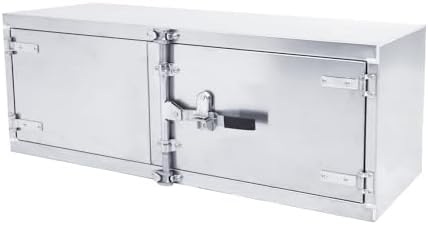
- 【High Quality】The high-quality aluminum material used not only has excellent corrosion resistance, but also its smooth s…
- 【Non-Mirror Finish Barn Door】This storage box adopts a non mirror smooth barn door design, which not only retains the pr…
- 【Safe and Security】The aluminum alloy cam lock it is equipped with is not only structurally stable, but also thoughtfull…
$450.99
Types of Truck Bed Tool Boxes
Choosing the right tool box depends on your truck model, bed size, and what you intend to store. Here are the most common types:Cross-Bed Truck Tool Boxes
These are the most popular type. They mount across the bed rails, usually just behind the cab.- Pros: Excellent visibility and access, utilizes space efficiently without hindering cargo loading too much. Generally secure.
- Cons: Can limit the height of items you can carry in the bed.
- Considerations: Available in various materials like aluminum and steel, and different lid opening styles (e.g., gull-wing, single lid). Always check compatibility with your truck’s bed.
Side-Mount Truck Tool Boxes
These boxes attach to the side rails of your truck bed, often near the tailgate.- Pros: Good for storing longer items and offer easy access from the side without reaching over the bed.
- Cons: Can take up valuable bed space and may reduce visibility of other items in the bed.
- Considerations: Can be mounted on one or both sides of the bed, providing flexible storage.
Under-Bed Truck Tool Boxes
These are mounted underneath the truck bed, often near the rear wheels.- Pros: Maximize usable bed space, keeping the bed clear for large items or cargo. Discreet and out of the way.
- Cons: Can be more difficult to access and may have less storage capacity compared to cross-bed boxes. Installation can be more involved.
- Considerations: Ideal for storing less frequently used items or tools. Ensure they don’t interfere with suspension or exhaust components.
Chest Tool Boxes
These are standalone boxes that sit directly in the truck bed.- Pros: Offer the most storage capacity and can be easily removed from the truck.
- Cons: Take up significant bed space and can be heavy to move. Security can be a concern if not bolted down.
- Considerations: Great for contractors or those who need to haul large amounts of equipment.
Essential Gear for Your Truck Bed Tool Box
Once you have a tool box, filling it with the right gear is the next step. Here’s a breakdown of essential items for a beginner-friendly setup, focusing on versatility and common needs.Basic Hand Tools
These are the bread and butter of any toolbox, perfect for quick fixes and basic tasks.Wrenches and Socket Set
A good set of combination wrenches (both SAE and metric) and a socket set with a ratchet and extension bars are indispensable. You’ll find yourself using these for everything from tightening loose bolts to assembling equipment. Look for durable steel sets. For a good starting point, consider a 3/8-inch drive socket set as it offers a good balance of size and strength for typical truck tasks.Pliers Set
You’ll want at least three types of pliers:- Slip-joint pliers: For general gripping and turning.
- Needle-nose pliers: For reaching into tight spots, bending wire, and holding small nuts or bolts.
- Channel-lock pliers: For gripping larger and irregularly shaped objects, like plumbing fittings or stubborn bolts.
Screwdrivers
A set of screwdrivers with various tip types (Phillips and flat-head) and sizes is crucial. Having a few different lengths will also be helpful for accessing different screws.Adjustable Wrench
An adjustable wrench, also known as a “crescent wrench,” is incredibly versatile and can replace several fixed-size wrenches for nuts and bolts.Safety Gear
Safety should always come first. These items are vital for protecting yourself when working on your truck or handling tools.Work Gloves
Protect your hands from cuts, abrasions, and grease. Opt for durable leather or synthetic gloves that offer a good grip.Safety Glasses
Essential for protecting your eyes from flying debris, dust, or splashes. Look for glasses that offer good peripheral vision and a comfortable fit. You can find ANSI Z87.1 certified safety glasses that are both affordable and effective.First-Aid Kit
A well-stocked first-aid kit is a must for any vehicle, especially if you’re often working with tools. Include bandages, antiseptic wipes, gauze, medical tape, and pain relievers.Organization and Maintenance Supplies
Keeping your tools and truck in good condition requires a few extra items.Zip Ties and Duct Tape
These are the universal fixers. Zip ties can secure wires or hoses temporarily, while duct tape can handle a myriad of repairs, from sealing a leaky hose to reinforcing a broken part.Mechanic’s Wire
Useful for fishing wires through tight spaces, holding parts together, or creating temporary linkages.Tow Strap or Rope
In case you or someone else needs a tow, a sturdy tow strap is invaluable. Ensure it has a high weight rating suitable for your truck. Check out resources from the National Highway Traffic Safety Administration (NHTSA) for safe towing practices.Tire Pressure Gauge
Maintaining proper tire pressure is crucial for safety, fuel efficiency, and tire longevity. A reliable digital or dial gauge is a great addition to your kit.Jump Starter Cables or Portable Jump Pack
A dead battery can happen to anyone. Having reliable jump cables or a portable jump pack means you can get yourself or a friend going without needing another vehicle.General Purpose Lubricant (e.g., WD-40)
Great for freeing up rusted bolts, lubricating moving parts, and cleaning.Shop Rags or Microfiber Cloths
For cleaning up spills, wiping down tools, and general maintenance.Optional but Highly Recommended Gear
Depending on your needs, you might want to add a few more items to your truck bed tool box.Multitool
A good quality multitool can often replace several individual tools for minor tasks, offering pliers, knives, screwdrivers, and more in a compact package.Work Light or Headlamp
If you frequently work on your truck or need to access something in the dark, a portable work light or a headlamp is a lifesaver.Torque Wrench
For specific jobs where precise tightening is required (like lug nuts or engine components), a torque wrench ensures parts are fastened correctly.Wire Strippers and Crimpers
If you do any electrical work, these are essential for splicing and connecting wires safely.Small Pry Bar
Useful for separating components or making small adjustments.Choosing the Right Tool Box Material and Features
When selecting a tool box, consider more than just its shape. The material and features will impact its durability, security, and ease of use.Materials
- Aluminum: Lightweight, corrosion-resistant, and durable. Often more expensive but a great long-term investment.
- Steel: Stronger and more durable than aluminum, but heavier and prone to rust if not properly coated or maintained. Usually more affordable.
- Plastic or Polyethylene: Lightweight, rust-proof, and often the most budget-friendly. However, they may not be as secure or durable as metal options.
Key Features to Look For:
- Locking Mechanism: Ensure it has sturdy, reliable locks to deter theft.
- Lid Support: Gas struts or strong prop rods keep the lid open securely and prevent it from slamming shut.
- Weather Seals: Rubber or foam seals around the lid help keep out dust and moisture.
- Internal Organization: Some boxes come with dividers or trays to help you sort your tools.
- Drain Plugs: Useful for easily emptying out any water that might get inside.
- Mounting Hardware: Ensure it comes with suitable hardware for your specific truck bed.
| Material | Pros | Cons | Best For |
|---|---|---|---|
| Aluminum | Lightweight, corrosion-resistant, strong, good resale value | Can be more expensive, might dent more easily than steel | Durability and weight-conscious |
| Steel | Very strong, durable, often more affordable than aluminum | Heavy, prone to rust if not coated properly, can be scratched | Heavy-duty use and budget-conscious |
| Plastic/Polyethylene | Lightweight, will not rust, generally lowest cost | Less secure, can become brittle in extreme cold or degrade in sunlight, may not hold up to heavy impacts | Light tool storage, budget-focused users |
Installation Tips
Most truck bed tool boxes are designed for relatively straightforward installation. However, always follow the manufacturer’s instructions carefully.- Read the Manual: Familiarize yourself with the mounting process before starting.
- Position the Box: Place the tool box in the desired location in your truck bed. For cross-bed boxes, ensure it’s centered and at a height that doesn’t obstruct your rear view too much.
- Mark Mounting Holes: Use the tool box as a template to mark where you need to drill.
- Drill Holes: Use the appropriate drill bit size as recommended in the manual. Be careful not to drill too large a hole.
- Install Mounting Hardware: Secure the box using the provided hardware, ensuring bolts, nuts, and washers are tightened appropriately. For added security, consider using locking nuts.
- Check for Clearance: Make sure the box doesn’t interfere with your tailgate operation or other truck features.
Frequently Asked Questions (FAQs)
Q1: How do I choose the right size tool box for my truck?
Measure the width of your truck bed at the location where you plan to install the box (e.g., behind the cab for a cross-bed box). Check the dimensions of the tool box against your truck’s specifications and ensure adequate clearance for your tailgate and any other accessories.Q2: Is an aluminum or steel tool box better?
Aluminum is lighter and won’t rust, making it ideal if weight is a concern or you live in a humid climate. Steel is generally stronger and more resistant to dents, but it’s heavier and needs to be protected from rust. Both are excellent choices depending on your priorities.Q3: How secure are truck bed tool boxes?
Most are very secure, especially when equipped with a good locking mechanism. However, no box is completely theft-proof. For maximum security, ensure the locks are robust and consider additional security measures like a cable lock securing the box to the truck frame.Q4: Will a tool box damage my truck bed?
When installed correctly with the recommended hardware, a tool box should not damage your truck bed. Drilling is sometimes required, so ensure it’s done neatly and sealed to prevent rust. Some tool boxes can be mounted without drilling, using specific clamps or brackets.Q5: What should I do if water gets into my tool box?
Check if your tool box has drain plugs, which make emptying water easy. If not, you can tilt the box to drain it. Ensure any seals are in good condition and consider adding desiccants (like silica gel packs) inside to absorb any remaining moisture and prevent corrosion.Q6: Can I put my tool box in the bed of my vehicle if it’s not a truck?
Yes, you can place a truck bed tool box in the cargo area of an SUV or van if it fits. However, they are designed to secure to truck bed rails, so you might need to find alternative ways to secure it within the vehicle to prevent sliding.Conclusion
Equipping your truck with the right tool box and stocking it with essential gear is a straightforward way to boost your truck’s utility and your own preparedness. From basic hand tools and safety equipment to indispensable maintenance supplies, having these items organized and accessible in your truck bed means you’re ready for unexpected repairs, work projects, or even an adventure. By understanding the different types of tool boxes and the key features to look for, you can make an informed decision that suits your specific needs and budget. Remember, a little organization goes a long way in making your truck – and your life – run smoother. So, get out there, choose your toolbox, fill it with the essentials, and hit the road with confidence!🛠️ Buying Gear for Your Work Truck?
A free Amazon Business account gets you bulk pricing, tax-exempt purchases, and business-only deals on tools, racks, and truck accessories.
Create Free Amazon Business AccountAs an Amazon Associate we earn from qualifying purchases.