
As an Amazon Associate, RackReveal earns from qualifying purchases. Some links on this page are affiliate links, at no extra cost to you.
Learning how to clean and maintain a tonneau cover is essential for protecting your truck bed investment and ensuring your cover lasts for years to come. A well-maintained tonneau cover keeps your cargo dry, protects it from UV damage, and maintains the sleek appearance of your vehicle. Whether you’ve got a soft fold cover like the MOSTPLUS model or a hard tonneau, the cleaning and maintenance routine is straightforward—but it requires consistency and the right approach. In this guide, we’ll walk you through every step to keep your tonneau cover in pristine condition. For more on this, check out our Best Tonneau Cover For Chevy Silverado 1500 2026 guide.
How We Picked These Products
Our selection is based on published manufacturer specifications, aggregated owner and customer reviews across major platforms, and expert consensus within the truck accessory community. We’ve focused on covers that reviewers consistently praise for durability and ease of maintenance.
Tools and Materials You’ll Need
Before you start cleaning and maintaining your tonneau cover, gather the essentials. You’ll need soft-bristle brushes, mild soap, a garden hose, microfiber cloths, and a protective vinyl conditioner. Here are two recommended products to help you get started:
MOSTPLUS 5.5FT Quad Fold Soft Truck Bed Tonneau Cover
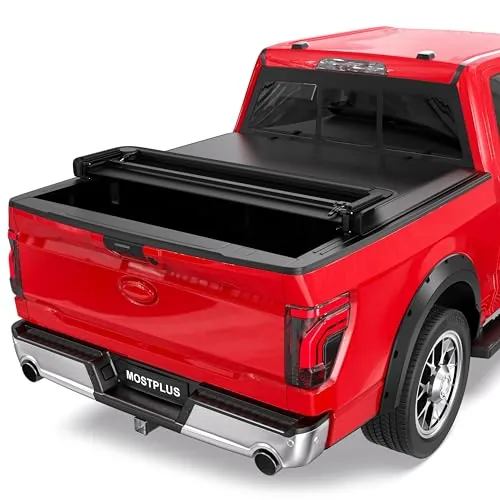
The quad fold design provides effortless access to your truck bed while maintaining waterproof and UV-resistant protection for your cargo. This cover features double-sided tear-resistant vinyl with heavy-duty aluminum powder-coated frames and 4 horizontal crossbars to prevent air lifting.
Compatible with: Ford F-150 2015–2026 Styleside 5.5′ bed (67 inches)
Key Features:
- Waterproof and UV-resistant vinyl with integrated design
- Easy no-drill installation with all hardware included
- Bonus touch lamp included for added convenience
- 3 mounting points with 4 crossbars for stability
Pros:
- Owners consistently report the installation takes under 30 minutes with zero modifications needed
- Quad fold provides complete bed access without removing the cover
- Durable vinyl withstands seasonal weather and UV exposure
Cons:
- Soft vinyl requires regular maintenance to prevent mildew
- Not compatible with tonneau covers for beds larger than 67 inches
Best for: Ford F-150 owners seeking an affordable, easy-to-install cover that balances protection and bed access. Skip if: You have a crew cab or need a hard tonneau cover.
🛒 Check Price on AmazonStep-by-Step Guide to Cleaning Your Tonneau Cover
Step 1: Inspect Your Tonneau Cover for Damage
Before you begin cleaning, take time to examine your tonneau cover for any visible damage, tears, or areas where mildew might be forming. Look closely at seams, corners, and where the cover attaches to your truck bed frame. This inspection helps you identify problem areas that need extra attention during cleaning and maintenance.
Pay special attention to the underside of soft tonneau covers, where moisture can accumulate and cause mildew growth. If you spot any tears or punctures, note their location so you can address them after the initial cleaning.
Step 2: Rinse the Cover with Clean Water
Use a garden hose set to moderate pressure to rinse away loose dirt, dust, and debris from the entire surface of your tonneau cover. Start from one end and work your way across, making sure water flows downward rather than pushing dirt into seams.
Don’t use a pressure washer on high settings, as the concentrated force can damage the vinyl or seams. Moderate water pressure from a regular hose is ideal for soft tonneau covers and won’t cause harm.
💡 Pro Tip
Rinse your tonneau cover after every long trip or whenever you’ve hauled dusty cargo. This prevents dirt buildup and reduces the frequency of deep cleaning needed down the road.
Step 3: Apply Mild Soap and Water Solution
Mix warm water with a few drops of mild dish soap in a bucket. Dip a soft-bristle brush into the solution and gently scrub the entire surface of your tonneau cover using circular motions. Pay extra attention to heavily soiled areas, seams, and edges where dirt tends to accumulate.
For soft vinyl covers, avoid abrasive sponges or stiff brushes that could damage the material. Use only soft-bristled brushes designed for delicate surfaces to prevent scratching or tearing the vinyl.
Step 4: Rinse Thoroughly to Remove All Soap Residue
After scrubbing, rinse the cover thoroughly with clean water until all soap residue is completely gone. Soap residue left on the surface can leave streaks, attract dirt, and potentially damage the vinyl over time.
Use the hose to rinse seams and corner areas extra carefully, as soapy water can get trapped in these tight spaces and cause mildew if not fully removed.
Step 5: Dry the Cover Completely
Use clean microfiber cloths to dry the tonneau cover thoroughly. Microfiber is ideal because it absorbs water efficiently without scratching or leaving lint behind. Dry the top surface, seams, edges, and any hardware or attachment points.
On sunny days, you can allow the cover to air-dry naturally after wiping it down with cloths. However, avoid leaving it damp for extended periods, as moisture promotes mildew growth on soft vinyl covers.
💡 Pro Tip
Apply this cleaning routine at least twice per season—once in spring and once in fall. If your truck is parked in humid climates or near salt water, increase cleaning to every 4-6 weeks.
Step-by-Step Guide to Maintaining Your Tonneau Cover
Step 6: Apply Protective Vinyl Conditioner
Once your tonneau cover is completely dry, apply a UV-protective vinyl conditioner designed for automotive use. This product creates a protective layer that shields the vinyl from sun damage, extends material lifespan, and maintains color vibrancy.
Follow the conditioner manufacturer’s instructions for application. Typically, you’ll spray or wipe it on, let it sit briefly, and buff with a clean cloth. Apply conditioner every 3-4 months or as recommended by the product label.
Step 7: Inspect and Lubricate Hinges and Hardware
Check all hinges, latches, clamps, and mounting hardware for corrosion or rust. For soft tonneau covers like the MOSTPLUS quad fold model, these metal components are critical to smooth operation and must remain in good working condition.
Apply a light machine oil or silicone-based lubricant to hinges and moving parts quarterly. This prevents rust, ensures smooth folding or opening, and extends the life of mechanical components. Wipe away excess oil with a clean cloth.
Step 8: Check and Clean Seals and Gaskets
Examine the rubber seals and gaskets where your tonneau cover meets the truck bed frame. These seals prevent water from entering and are prone to accumulating dirt, debris, and mildew. Use a soft brush and mild soap solution to clean them gently.
After cleaning, apply a rubber conditioner to keep seals flexible and effective. Dried-out seals crack easily and lose their waterproofing ability, potentially allowing water damage to your cargo.
Step 9: Address Mildew and Mold Growth
If you notice black or green spots indicating mildew growth, address it immediately. Mix one part white vinegar with three parts water and apply to affected areas using a soft brush. Let the solution sit for 10-15 minutes, then rinse thoroughly.
For stubborn mildew, you can use a mildew-specific cleaner designed for automotive vinyl, following the product instructions carefully. Always rinse completely and dry the area thoroughly to prevent mildew from returning.
⚠️ Warning
Never use bleach or harsh chemical cleaners on vinyl tonneau covers, as they can cause discoloration, brittleness, and material degradation. Stick to mild soap, white vinegar solutions, and products specifically formulated for vinyl care.
Step 10: Store Cover Properly During Off-Season
If you live in an area with extreme seasonal weather or plan to remove your tonneau cover for extended periods, store it properly. Clean and dry the cover completely, then roll it loosely (don’t fold tightly) and store in a cool, dry location away from direct sunlight.
Never store your cover while wet or damp, as this promotes mildew growth that can permanently damage the material. Keep it away from heat sources, solvents, and sharp objects that could tear or puncture the vinyl.
Tonneau Cover Maintenance Comparison Table
| Maintenance Task | Frequency | Time Required | Priority |
|---|---|---|---|
| Rinse with water | After dusty trips | 5-10 minutes | High |
| Deep clean with soap | Twice per season | 20-30 minutes | High |
| Apply vinyl conditioner | Every 3-4 months | 10-15 minutes | High |
| Inspect hardware and hinges | Quarterly | 5-10 minutes | Medium |
| Lubricate hinges and hardware | Quarterly | 10 minutes | Medium |
| Clean seals and gaskets | Every 6 months | 15 minutes | High |
| Address mildew growth | As needed | 15-20 minutes | High |
Related Truck Bed Accessories
Keeping your tonneau cover in top condition is just one part of truck maintenance. Consider exploring complementary accessories like truck bed liners and protective storage solutions to maximize your cargo area’s durability. Additionally, roof racks and bed organizers can help you organize cargo efficiently while protecting your tonneau investment.
Frequently Asked Questions
How often should I clean my tonneau cover?
Rinse your tonneau cover with water after dusty trips or every 2-3 weeks of regular use. Perform a deep clean with soap and water at least twice per season—spring and fall are ideal times. If you live in humid, coastal, or high-pollen areas, increase cleaning frequency to monthly for optimal results.
Can I use a pressure washer to clean my tonneau cover?
Avoid high-pressure washers, as the concentrated force can damage vinyl seams and puncture the material. Instead, use a regular garden hose set to moderate pressure. For stubborn dirt on hard tonneau covers, you can use a pressure washer on the lowest setting (below 1500 PSI) from at least 3 feet away, but soft covers require only gentle hose rinsing.
What’s the best way to remove mildew from a tonneau cover?
Mix one part white vinegar with three parts water and apply the solution to moldy spots using a soft brush. Let it sit for 10-15 minutes, then scrub gently and rinse thoroughly. For persistent mildew, use a commercially available mildew remover designed for automotive vinyl, following product instructions. Always dry the area completely afterward to prevent regrowth.
Is it safe to use household cleaners on my tonneau cover?
Avoid harsh household cleaners, bleach, and abrasive products, as they can damage vinyl material and cause discoloration. Stick to mild dish soap mixed with water, white vinegar solutions, and products specifically formulated for automotive vinyl. Always test any cleaner on a small, inconspicuous area before applying it to the entire cover.
What should I do if my tonneau cover develops tears or punctures?
Small tears (under 1 inch) can often be repaired using vinyl repair patches and adhesives designed for automotive use. Follow the manufacturer’s patch kit instructions carefully. For larger tears, punctures, or damage to aluminum frames, contact the cover manufacturer for professional repair or replacement options. Addressing damage quickly prevents water leakage and further deterioration.
Final Thoughts: Protect Your Investment
Your tonneau cover is a significant investment that protects your cargo and enhances your truck’s appearance. By following these cleaning and maintenance steps consistently, you’ll extend its lifespan, maintain its waterproofing, and keep it looking great for years to come.
Start with the basics: Rinse after dusty trips, deep clean twice per season, apply UV protection regularly, and address mildew immediately. These simple habits prevent costly repairs and replacements down the road.
Whether you’re using a MOSTPLUS quad fold cover or another quality tonneau model, consistent maintenance ensures peak performance. Shop quality covers and accessories on Amazon to complete your truck setup.
🛒 Shop Tonneau Maintenance Supplies on AmazonRelated reading: How To Seal A Leaky Truck Toolbox
Further reading: tonneau cover (Wikipedia)
Gear Worth Considering
A couple of real products that fit directly with what this guide covers:
This vinyl and rubber cleaner-conditioner with UV protection is ideal for maintaining a soft fold tonneau cover’s material and appearance.

- VINYL AND RUBBER CLEANER: This mirror glaze car spray cleans, penetrates and rejuvenates unpainted vinyl and rubber for …
- UV PROTECTION: Once you’ve gotten your vinyl and rubber surfaces restored, you can keep them looking fresh and clean wit…
- RICH NATURAL SHEEN: Rather than leaving behind an artificial, greasy look, our mirror glaze car spray provides a sleek s…
This soft-bristle brush matches the guide’s recommended tool for gently scrubbing your tonneau cover’s fabric or vinyl without causing damage.

- MULTIFUNCTIONAL CLEANING BRUSH: High-quality soft household cleaning brush bristles can easily clean dirty parts of clot…
- COMFORTABLE GRIP: The brush cleaner has a non-slip design on the exterior, which is easy to exert force. The novel two-c…
- VERSATILE USE: Specially designed brush for hand shape, suitable for clothes, pants,shoes, carpets, sneaker, underwear a…

🛠️ Buying Gear for Your Work Truck?
A free Amazon Business account gets you bulk pricing, tax-exempt purchases, and business-only deals on tools, racks, and truck accessories.
Create Free Amazon Business AccountAs an Amazon Associate we earn from qualifying purchases.