
Quick Summary: The Ford Ranger offers different truck bed sizes depending on the cab configuration. Typically, you’ll find a 5-foot and a 6-foot bed for most modern Rangers, giving you flexibility for hauling different kinds of gear. Choosing the right size depends on your hauling needs and cab style.
So, you’re looking at a Ford Ranger and wondering about the bed size? It’s a common question, and for good reason! Getting the right truck bed size is super important for hauling everything from DIY project materials to camping gear. It can feel a bit confusing with different cab options and bed lengths, but don’t worry. This guide is here to make it simple and clear. We’ll break down exactly what you need to know so you can confidently pick the Ranger that fits your life. Let’s get your truck sorted!
Why Ford Ranger Bed Size Matters for Your Hauling Needs
Your truck bed is like your mobile toolbox or your weekend adventure carrier. The size of that bed makes a big difference in what you can bring along. If you’re hauling lumber for a home renovation, you need to make sure it fits properly without sticking out too much. If you’re planning a camping trip, you might need space for a cooler, tents, chairs, and all your gear. The Ford Ranger has been a popular choice for many folks because it balances a smaller, more maneuverable size with surprisingly capable hauling. Understanding the different bed dimensions will help you avoid any last-minute surprises and ensure your Ranger is the perfect partner for all your tasks and adventures.
Understanding Ford Ranger Cab Configurations
Before we dive into bed sizes, it’s helpful to know about the cab styles. The cab is where you and your passengers sit. Ford typically offers two main cab configurations for the Ranger, and these directly influence the available bed lengths:
- SuperCab: This is Ford’s term for the smaller, two-door cab. It usually has smaller rear-opening doors and is best for occasional passengers or extra storage space behind the front seats.
- SuperCrew: This is Ford’s version of a four-door, crew cab. It offers more spacious seating for four or five people, with full-sized rear doors for easy access.
Generally, the SuperCab models come with a longer bed option, while the SuperCrew models might be offered with a shorter bed to maintain a more balanced overall vehicle length and turning radius. Think about how many people you’ll typically be riding with when deciding between these cab styles, as it’s directly tied to how much bed space you can get.
Ford Ranger Bed Sizes: A Detailed Look
The Ford Ranger has evolved over the years, and bed sizes can vary slightly between generations. However, for the most recent models (like the popular 2019 through current generations), you will most commonly find two primary bed lengths. These lengths are measured from the inside of the tailgate to the inside of the bulkhead (the front wall of the bed).
The Shorter Bed Option
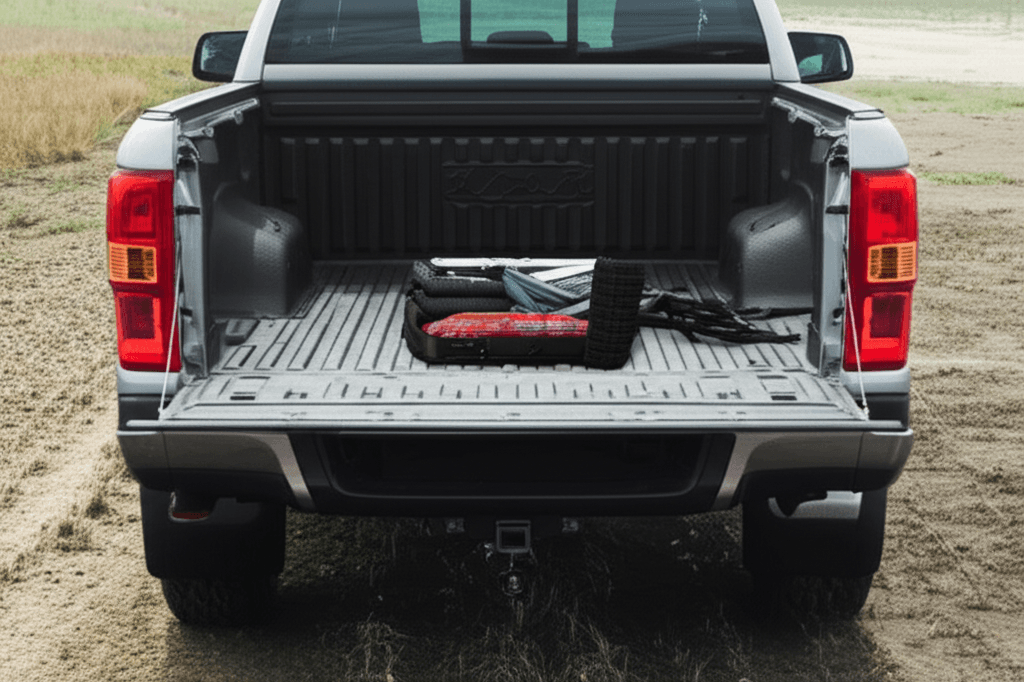
One of the most common bed sizes you’ll find on a Ford Ranger is the shorter option. This is often paired with the SuperCrew cab configuration.
- Approximate Length: Around 5 feet (or 61 inches)
This 5-foot bed is a great choice if you prioritize maneuverability and a more compact truck. It’s perfectly capable for many everyday tasks, like hauling groceries, sports equipment, or smaller home improvement supplies. While it’s shorter, it still offers good depth, so you can fit a decent amount of cargo.
The Longer Bed Option
For those who need more cargo capacity, the longer bed is available. This is typically found on the SuperCab Rangers, although in some configurations, it might also be an option on the SuperCrew.
- Approximate Length: Around 6 feet (or 72-75 inches, depending on the exact model year and generation)
This 6-foot bed provides significantly more space than the 5-foot option. It’s ideal for larger items, like motorcycles, ATVs, longer lumber, or a significant amount of camping gear. If your work or hobbies require hauling bulkier or longer materials, this is likely the bed size you’ll want to aim for.
Comparing Bed Sizes: Tables and Dimensions
To help you visualize and compare, let’s look at the typical dimensions for recent Ford Ranger models. Remember that these are interior measurements and can vary slightly by specific model year. Always double-check the exact specifications for the Ranger you are interested in.
| Bed Size (Approx.) | Length (Inches) | Width Between Wheel Wells (Inches) | Maximum Width (Inches) | Typical Cab Pairing |
|---|---|---|---|---|
| Short Bed | 61 | 44.8 | 62.4 | SuperCrew (4-door) |
| Long Bed | 72-75 | 44.8 | 62.4 | SuperCab (2-door) or occasionally SuperCrew |
As you can see, the width between the wheel wells is pretty consistent across both bed sizes. This is a critical measurement if you plan to haul items that need to sit flat between the wheels, like plywood sheets or pallets. The main difference is the overall length available for your cargo.
What Can You Haul with Each Bed Size?
Let’s break down what each bed size is best suited for:
With the 5-Foot Bed (Approx. 61 inches)
This bed is versatile and great for:
- Groceries, luggage, and sports equipment
- Camping gear for a weekend
- Smaller home improvement supplies (e.g., bags of mulch, paint cans)
- Motorcycles (one might fit diagonally, or two might fit with careful placement, but a longer bed is much easier)
- Furniture that can be loaded and secured
It makes the Ranger easier to park and maneuver in tight city streets or parking lots, which is a big plus for many drivers.
With the 6-Foot Bed (Approx. 72-75 inches)
This bed offers more space and is ideal for:
- Longer lumber, pipes, or building materials
- ATVs or dirt bikes (often fits two more comfortably)
- Larger furniture pieces
- More extensive camping setups or gear for longer trips
- Work equipment like toolboxes or smaller generators
- Easier transport of items like kayaks or bicycles without extensive overhang
If your primary use of the truck is hauling, especially larger or longer items, the 6-foot bed will offer much more convenience and capability.
Factors to Consider When Choosing Your Ford Ranger Bed Size
Choosing the right bed size isn’t just about liking one over the other; it’s about matching the truck to your lifestyle. Here are some key things to think about:
- Your Daily Driving Needs: Do you often drive in congested urban areas? A shorter bed (and shorter overall vehicle length) makes parking and navigating much easier.
- Passenger Capacity: If you frequently need to carry more than two people, the SuperCrew (which typically comes with the shorter bed) will be your choice. If you primarily carry one or two passengers and need maximum bed space, the SuperCab with the longer bed is the way to go.
- Type of Cargo: What do you haul most often? If it’s mostly everyday odds and ends, the shorter bed works. If you regularly haul construction materials, sporting equipment like kayaks, or motorcycles, the longer bed is almost essential.
- Towing vs. Hauling: Sometimes, manufacturers might have different configurations or weight ratings between cab and bed setups. If towing is a major factor, research how bed size might affect your Ranger’s towing or payload capacity, although typically the difference is minor for most everyday users. You can find official Ford towing guides for detailed information.
- Resale Value: While both configurations are popular, consider national trends. Truck buyers often seek versatility, so both bed lengths have good demand. Check local listings to see which configurations are more prevalent and seem to sell faster in your area.
Accessorizing Your Ford Ranger Bed
Once you’ve decided on your bed size, there are tons of accessories to make it even more useful. These can help you maximize your hauling potential and protect your investment.
Bed Liners
A bed liner is crucial for protecting your truck bed from scratches, dents, and the elements. You have a few main options:
- Drop-in Liners: These are rigid plastic liners that simply sit in the bed. They are easy to install and remove but can sometimes allow moisture to get trapped underneath. They can also be a bit slippery.
- Spray-in Liners: These are applied professionally and a bonded to the bed material. They offer excellent protection against impacts and abrasion and can be textured for better grip. Many people prefer these for their durability and seamless look. You can explore options from companies like LINE-X or others known for tough coatings.
Tonneau Covers
A tonneau cover is a cover for your truck bed. They offer protection for your cargo from weather and theft and can also improve aerodynamics, potentially saving you a bit on gas. Popular types include:
- Soft Covers: Usually made of vinyl and roll up or fold. They are less expensive and easy to use.
- Hard Covers: Made of rigid materials like aluminum, fiberglass, or ABS plastic. They offer more security and durability and can come in folding or retractable styles.
Bed Extenders and Cargo Management
If you opt for the shorter bed but occasionally need to haul longer items, a bed extender can be a lifesaver. These typically attach to the tailgate and swing out to create a longer, contained space. Other cargo management systems, like bed racks, tie-down points, or dividers, can help keep your load secure and organized.
Tips for Measuring and Using Your Ford Ranger Bed
When you’re out looking at trucks or measuring items to haul, keep these tips in mind:
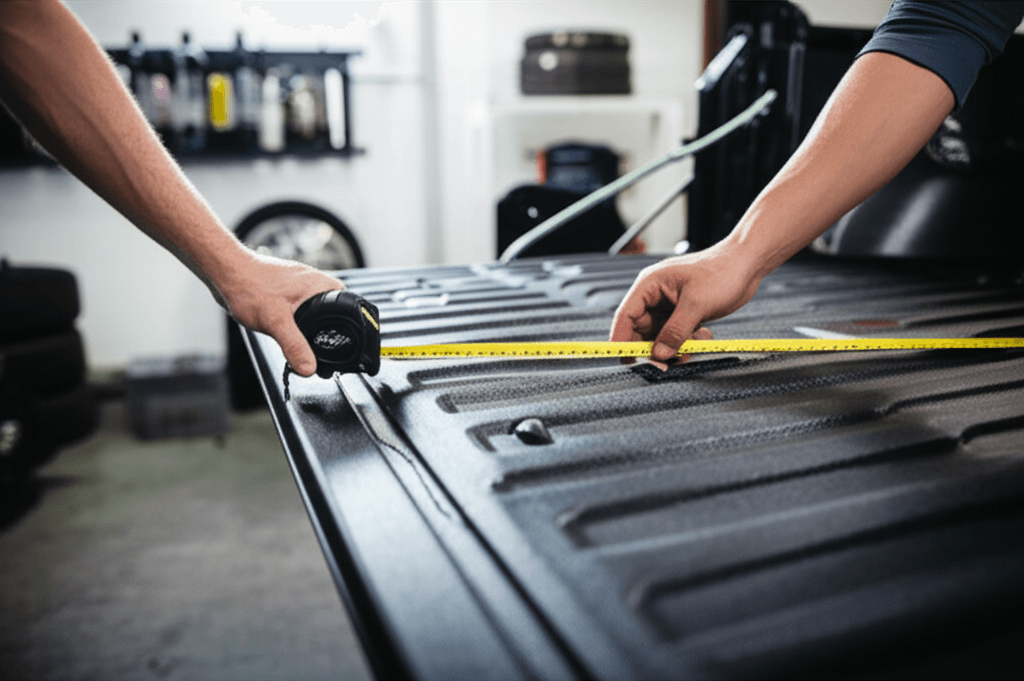
- Measure from the Inside: Always measure the interior dimensions – from the front wall (bulkhead) to the inside of the open tailgate, and side wall to side wall.
- Watch the Wheel Wells: The narrowest point is usually between the wheel wells. If you need to lay items flat, ensure they fit within this space.
- Consider the Tailgate: When the tailgate is down, it extends the usable length, but items may still need to be secured carefully to prevent them from sliding out. Some people strap the tailgate up to create a more contained space if the item fits entirely within the bed.
- Payload Capacity: Don’t just think about length; consider the weight your bed can handle. Check your Ranger’s payload capacity, which is the maximum weight the truck can carry in the bed and cab combined. This is usually found on a sticker inside the driver’s side door jamb. Overloading can be dangerous and damage your truck.
- Secure Everything: Always use good quality tie-down straps, bungee cords, or netting to secure your cargo. Even in a shorter bed, unsecured items can shift during transport. Organizations like the National Highway Traffic Safety Administration (NHTSA) provide guidelines on safe cargo securing.
Ford Ranger Bed Size by Generation (Brief Overview)
It’s worth noting that bed sizes have been fairly consistent for the modern Ranger, but older generations might have had slightly different options.
- Second Generation (2001-2012): Primarily offered a 6-foot bed and a 7-foot bed.
- Third Generation (2019-Present): As discussed, typically 5-foot and 6-foot beds are most common.
If you’re looking at a classic Ranger, definitely confirm the specific bed dimensions for that particular model year. The core concept of choosing based on cab and hauling needs remains the same.
Frequently Asked Questions (FAQs) about Ford Ranger Bed Sizes
Q1: What is the most common Ford Ranger bed size?
A1: The most common Ford Ranger bed sizes in recent generations are approximately 5 feet (short bed) and 6 feet (long bed). The 5-foot bed is typically found on SuperCrew (4-door) models, while the 6-foot bed is commonly paired with SuperCab (2-door) models.
Q2: Can I fit a motorcycle in a Ford Ranger bed?
A2: Yes, you can often fit a motorcycle in a Ford Ranger bed, especially the 6-foot bed. A 6-foot bed provides enough length for most standard dirt bikes or smaller motorcycles. A 5-foot bed might fit one diagonally or with the tailgate down, but it will be a much tighter fit and requires careful securing. Always measure your motorcycle and the bed to be sure.
Q3: Does the bed size affect towing capacity?
A3: While the bed size itself doesn’t directly dictate towing capacity, the cab configuration (which is tied to bed size) and engine options do. Manufacturers pair certain bed lengths with specific cab types. Always check the specific towing and payload ratings for the exact Ford Ranger model and configuration you are considering, as these can vary.
Q4: What are the interior dimensions of a Ford Ranger bed?
A4: For modern Ford Rangers, the 5-foot bed is about 61 inches long and 62.4 inches wide (total width), with about 44.8 inches between the wheel wells. The 6-foot bed extends this length to around 72-75 inches, while the width dimensions remain similar. These are interior measurements.
Q5: Is a 6-foot bed better than a 5-foot bed for DIY projects?
A5: If your DIY projects involve hauling materials like lumber, drywall, or plumbing pipes that are longer than 6 feet, a 6-foot bed often makes transport easier and safer. If your materials are typically shorter or can be cut down, then the 5-foot bed might suffice. The 6-foot bed offers more versatility for carrying larger items without excessive overhang.
Q6: Can I put a longer bed on a Ranger that comes with a shorter option?
A6: No, the bed size is a factory-installed feature tied to the truck’s frame and cab configuration. You cannot simply swap a short bed for a long bed or vice versa after purchase without an extensive and impractical conversion that would essentially involve rebuilding the truck. It’s crucial to choose the correct configuration from the start based on your needs.
Making Your Choice
Both the 5-foot and 6-foot Ford Ranger beds offer practical hauling solutions, but they cater to slightly different needs. If you’re a city dweller or an occasional hauler who values maneuverability and passenger space, the 5-foot bed paired with a SuperCrew cab might be your ideal match.
However, if your work, hobbies, or adventurous spirit demand hauling larger materials, equipment, or recreational gear regularly, the extra length of the 6-foot bed, often found with the SuperCab, will provide the capability you need. It’s all about balancing your day-to-day driving with your cargo requirements.
By understanding these dimensions and considering your personal needs, you can confidently select the Ford Ranger with the perfect bed size to tackle whatever driving and hauling challenges come your way. Happy trucking!