
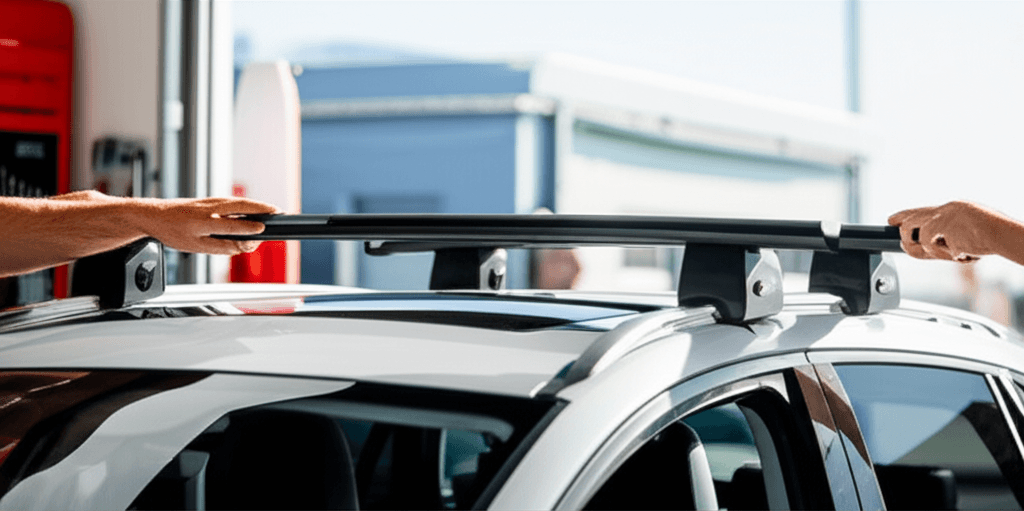
Do roof racks affect MPG? Yes, roof racks can decrease your vehicle’s gas mileage, especially when loaded or at higher speeds. However, the impact can be minimized by choosing aerodynamic designs, removing them when not in use, and driving mindfully. This guide explains how and what you can do about it.
Thinking about adding a roof rack to your car or SUV? They’re fantastic for hauling bikes, kayaks, luggage, or camping gear, opening up a world of adventure! But you might be wondering, “Do roof racks affect MPG?” It’s a common question, and the answer is: they can. Don’t let that worry you, though! With a little know-how, you can understand how roof racks impact your fuel efficiency and learn simple tips to keep your gas tank from emptying too quickly. We’ll break down exactly why this happens and, more importantly, how to get the most out of your roof rack without sacrificing too much gas money. Let’s explore!
Understanding the Impact: How Roof Racks Influence MPG
When you add anything to the roof of your car, especially something like a roof rack system, you’re changing how air flows around your vehicle. Think of your car as a smooth, aerodynamic shape designed to cut through the air as efficiently as possible. Now, imagine adding a bulky rack or cargo box on top. This disrupts that smooth airflow, creating drag.
Drag is essentially the resistance your car meets as it moves forward. The more drag, the harder your engine has to work to maintain speed. Your engine working harder means it burns more fuel. So, in simple terms, a roof rack, especially when loaded, makes your car less aerodynamic, leading to decreased MPG.
The amount of MPG decrease can vary quite a bit. It depends on several factors:
- The type and design of the roof rack: Some racks are much more aerodynamic than others.
- Whether the rack is loaded: An empty rack causes less drag than one full of gear.
- Speed: The faster you drive, the more drag you encounter, and the bigger the MPG hit.
- Rack size and shape: Larger, boxier racks create more drag than sleeker, low-profile ones.
- Vehicle type: SUVs and larger vehicles already have more surface area, so a rack might have a proportionally smaller impact than on a small car, but the absolute difference can still be significant.
Let’s look closer at these influences.
The Role of Aerodynamics
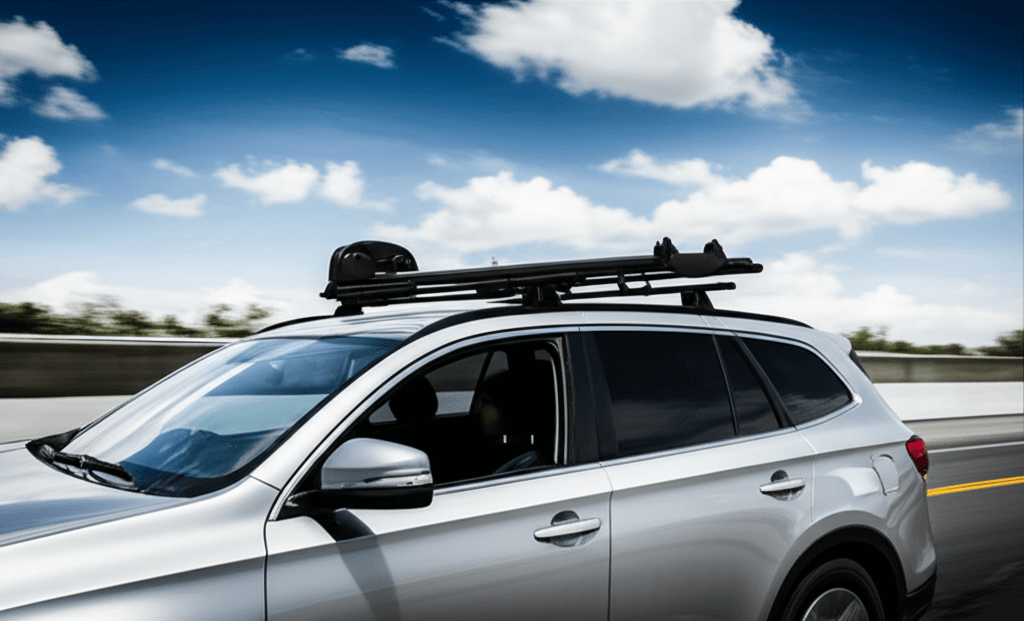
A car’s design is carefully engineered to be as slippery through the air as possible. This is crucial for fuel efficiency. When you attach a roof rack, even a bare one, you’re adding obstructions to the clean lines of your car’s roof. These obstructions disrupt the laminar airflow (smooth, even flow) and create turbulent airflow (choppy, chaotic flow).
This turbulence increases aerodynamic drag. It’s like trying to run through water versus running through air – the water pushes back much harder. Similarly, a roof rack pushes back against your car’s forward motion. Most modern roof rack systems, especially crossbars, are designed with some attention to aerodynamics, often featuring oval or wing-shaped profiles. However, even the most streamlined designs will add some drag compared to a bare roof.
Loaded vs. Unloaded Racks
This is a biggie! An empty roof rack, while adding some drag, is significantly less impactful than a roof rack loaded with gear. When you load up your roof rack, you might be:
- Increasing frontal area: The overall surface area pushing against the air increases.
- Creating more turbulent airflow: Gear can be bulky and irregularly shaped, making airflow wilder.
- Adding weight: While weight primarily affects MPG during acceleration and braking, it doesn’t directly impact aerodynamic drag at steady speeds. However, more importantly, loaded racks are often less streamlined than the vehicle itself.
Think of carrying a big, bulky suitcase on your head versus just having your hair. The suitcase creates much more wind resistance. The same principle applies to your car.
The Speed Factor
Aerodynamic drag increases significantly with speed. In fact, drag tends to increase with the square of your speed. What does that mean in plain English? If you double your speed, the drag doesn’t just double; it quadruples! This is why keeping your speed down on the highway can make a noticeable difference in MPG, and it’s even more pronounced when you have a roof rack.
For example, driving at 55 mph might cause a certain amount of drag with a roof rack. If you increase your speed to 70 mph, the drag could be almost 50% higher, drastically worsening your fuel economy.
Types of Roof Racks and Their MPG Impact
Not all roof racks are created equal when it comes to fuel efficiency. Here’s a quick look at common types and their general impact:
| Roof Rack Type | Description | Typical MPG Impact (Approximate) | Notes |
|---|---|---|---|
| Bare Crossbars (Aerodynamic) | Sleek, often wing-shaped bars that attach to your vehicle’s factory rails, towers, or directly to the door frame. | 1-5% decrease | Minimal impact when empty. Less drag than older, boxier designs. |
| Bare Crossbars (Non-Aerodynamic) | Older or simpler designs, often square or round tubes. | 3-8% decrease | Noticeable drag, especially at highway speeds. |
| Roof Cargo Box (Aerodynamic) | Sleek, enclosed boxes designed to reduce wind resistance. | 5-15% decrease | Can be quite aerodynamic, but adds significant bulk. Still causes more drag than bare crossbars. |
| Roof Cargo Box (Non-Aerodynamic or Poorly Loaded) | Older styles, or boxes not efficiently packed. | 10-20% decrease | Significant drag due to shape and potential for items to protrude. |
| Specialty Racks (Bike, Kayak, Ski) | Carriers designed for specific gear. Profile varies greatly. | 2-10% decrease | Depends heavily on the design and how the gear is loaded. A flush-mounted kayak rack is better than a ski rack with skis sticking out. |
| Factory-Installed Racks | Integrated into the vehicle’s design. | 1-5% decrease | Often designed with aerodynamics in mind, but still add drag. |
As you can see, even the most aerodynamic options will cause some loss. The key is to minimize that loss.
Tips to Minimize MPG Loss with a Roof Rack
The good news is you don’t have to accept a huge drop in your MPG. Here are practical tips to help:
1. Choose an Aerodynamic Rack System
When shopping for a roof rack, look for systems that are specifically designed for aerodynamics. These often feature:
- Wing-shaped or airfoil crossbars: They mimic airplane wings to allow air to flow over and around them more smoothly.
- Low-profile designs: Racks that sit close to your car’s roof have less of an impact.
- Integrated systems: Some vehicles have factory-installed racks that are seamlessly integrated into the roofline.
Brands like Thule and Yakima, among others, offer various aerodynamic crossbar options. Research reviews and specifications to find the best fit for your vehicle and needs.
2. Remove the Rack When Not in Use
This is arguably the most effective strategy! If you’re not actively carrying gear, take your roof rack off. Even bare crossbars create drag. Removing them when they’re not needed can restore your vehicle’s original aerodynamics and significantly improve your MPG. Many modern systems are designed for relatively easy installation and removal, though some may require tools or a bit more effort. Check the manufacturer’s instructions for your specific rack.
3. Load Your Gear Smartly
If you are using a roof rack or cargo box, packing it efficiently can make a difference:
- Pack tightly: Loose items can flap and create more drag.
- Use a streamlined cargo box: If using a box, opt for a sleeker, more aerodynamic model.
- Keep the load low: Whenever possible, avoid stacking gear so high that it creates a massive sail-like effect.
- Secure everything properly: Use plenty of bungee cords, straps, or nets to prevent items from shifting or creating drag. A well-packed box is better than a haphazardly loaded open rack.
Consider using a front fairing if your rack or cargo box doesn’t have one. A fairing is a curved piece of plastic or metal that attaches to the front of the rack and helps deflect air over your load, reducing wind noise and drag.
4. Drive Mindfully
Your driving habits play a huge role in fuel economy, and this is amplified when you have a roof rack.
- Reduce your speed: As we discussed, drag increases dramatically at higher speeds. Driving 65 mph instead of 75 mph can save a considerable amount of fuel.
- Avoid rapid acceleration and braking: Smooth driving is always more fuel-efficient.
- Use cruise control on highways: This helps maintain a steady speed, which is better for MPG, especially on flatter terrain.
A roof rack makes your vehicle less efficient at high speeds, so being gentle on the accelerator and brakes becomes even more important.
5. Regular Maintenance and Checks
Ensure your roof rack is properly installed and all parts are secure. Loose components can create extra noise and drag, and more importantly, they can be a safety hazard. Check that all clamps are tight and that there’s no excessive movement.
Also, consider the condition of your rack. Older, damaged racks can be less aerodynamic and less safe. If your rack is looking worn, it might be time for an upgrade or replacement.
Real-World Estimates: How Much MPG Can You Lose?
Pinpointing an exact MPG loss for every situation is tricky because it depends heavily on the variables we’ve discussed. However, we can provide some general estimates based on studies and expert observations:
- Empty, aerodynamic crossbars: You might see a loss of 1-3 MPG on the highway.
- Empty, bulky crossbars: This could result in a 3-5 MPG loss.
- Loaded cargo box: Expect to lose anywhere from 5-15% of your MPG, depending on the box’s aerodynamics and how it’s loaded. At highway speeds (70+ mph), this could mean a loss of 5-10 MPG or more.
- Carrying large gear (bikes, kayaks): The impact can range from 2-8 MPG lost, again, greatly influenced by the size, shape, and number of items, and how they are mounted.
For a car that gets 30 MPG, a 10% loss means you’re only getting 27 MPG – a noticeable difference over a long trip.
Are Roof Racks Worth the MPG Hit?
For many people, the answer is a resounding yes! The ability to transport extra gear opens up possibilities for adventure, family trips, or recreational activities that wouldn’t be possible otherwise. Think about:
- Outdoor enthusiasts: Cyclists, kayakers, skiers, and campers can carry their specialized equipment with ease.
- Families on vacation: Ample luggage space can make road trips much more comfortable, especially with kids.
- DIYers and hobbyists: Transporting lumber, sporting goods, or project materials safely.
The trade-off in fuel economy is often considered a worthwhile price to pay for the versatility and freedom a roof rack provides. By being conscious of the factors that affect MPG and implementing the tips above, you can minimize the impact and enjoy the benefits of your roof rack system.
It’s also worth considering that while a roof rack adds drag, leaving equipment inside your vehicle (like a messy trunk full of camping gear) can add weight, which also affects MPG. For bulky items, the roof is often the most practical solution.
Choosing the Right Roof Rack for Your Needs
When you’re ready to purchase a roof rack, consider these points:
Types of Mounts
Roof racks attach in a few main ways:
- Fixed Points: These are mounting points specifically designed into your car’s roof and are often covered by small flaps.
- Raised/Factory Side Rails: Most SUVs and wagons have rails that run front-to-back along the edges of the roof. Crossbars attach to these.
- Bare Roof (Clip-on): These racks use clips that grip the edge of your car’s door frame. These are common for sedans and coupes and often require vehicle-specific fit kits.
- Gutters: Older vehicles might have rain gutters along the roofline where a rack can clamp on.
Refer to your vehicle’s owner’s manual or consult with a reputable rack dealer to determine the best mount type for your car.
Load Capacity
Every roof rack system has a maximum weight capacity. This is the total weight the rack itself can hold, including the weight of any attachments (like cargo boxes or bike carriers) and the gear you’re carrying. It’s crucial not to exceed this limit. Overloading a roof rack can damage your vehicle, the rack, and pose a serious safety risk.
You can find load capacity information in your roof rack’s manual and often on manufacturer websites. Always adhere to the lower of the vehicle’s roof load limit or the rack system’s limit.
Security and Locking
For expensive gear like bikes or kayaks, or for long trips where you might leave your vehicle unattended, consider racks with integrated locking mechanisms. Many high-quality rack systems and accessories feature locks to deter theft.
Ease of Installation
If you plan to install and remove your rack frequently, look for systems known for their user-friendly installation. Some systems can be installed or removed in minutes, while others might take longer. Read reviews and check product descriptions for details on installation time and tool requirements.
For a comprehensive guide on specific roof rack installation, you can often find helpful resources:
- REI’s Expert Advice on Roof Rack Systems provides a good overview of types and components.
Frequently Asked Questions (FAQ)
Q1: Will I notice a difference in MPG right away with a roof rack?
Yes, you likely will, especially if you primarily drive on highways or at higher speeds. Even an empty, aerodynamic roof rack creates drag that your engine has to work against, using a bit more fuel. The difference is usually more pronounced the faster you drive.
Q2: How much MPG do I typically lose with an empty roof rack?
On average, an empty, aerodynamic roof rack might decrease your fuel efficiency by 1-5%. A more basic or less aerodynamic rack could lead to a 3-8% loss. This translates to a few miles per gallon less, depending on your vehicle’s base MPG.
Q3: Does a fully loaded roof rack drastically reduce MPG?
Yes, a loaded roof rack, especially a bulky cargo box or unevenly packed gear, creates significantly more aerodynamic drag. You could see a reduction in MPG ranging from 5% to as much as 20% or more in extreme cases, particularly at highway speeds.
Q4: Is it bad to leave a roof rack on my car all the time?
It’s not inherently “bad” for your car, but it will consistently reduce your MPG as long as it’s installed. If fuel efficiency is a priority and you don’t need the rack daily, it’s best to remove it when not in use to regain your vehicle’s optimal aerodynamics.
Q5: What’s the best way to reduce drag from my roof rack?
The most effective ways are to remove the rack when not in use, drive at lower highway speeds (aim for under 65 mph), and ensure any gear is packed tightly and as aerodynamically as possible. Choosing a sleek, modern rack design also helps.
Q6: Does the type of cargo really matter for MPG?
Yes, absolutely. The shape and size of your cargo make a big difference. A sleek, aerodynamic cargo box will cause less drag than a collection of irregularly shaped items sticking out from the rack. Similarly, a kayak mounted flush is better than surfboards