
A truck bed cab, often called a camper shell or truck cap, is an essential upgrade transforming your truck’s open bed into a secure, weather-protected cargo area. It’s perfect for protecting gear, creating extra living space for adventures, or simply keeping your belongings safe from the elements and theft.
Owning a truck opens up a world of possibilities for hauling, adventuring, and tackling tough jobs. But that open truck bed, while versatile, can leave your gear exposed to rain, sun, and sticky fingers. If you’ve ever worried about your camping equipment getting soaked, your tools being stolen, or simply need more usable space for travel, you’re not alone. Many truck owners feel this frustration. The good news is, there’s a fantastic solution that’s surprisingly straightforward: installing a cab for your truck bed, also known as a truck cap or camper shell. This upgrade can significantly boost your truck’s utility and your peace of mind. We’ll walk you through everything you need to know, from understanding the different types to making sure you get the right fit.
What Exactly Is a Truck Bed Cab (Camper Shell)?
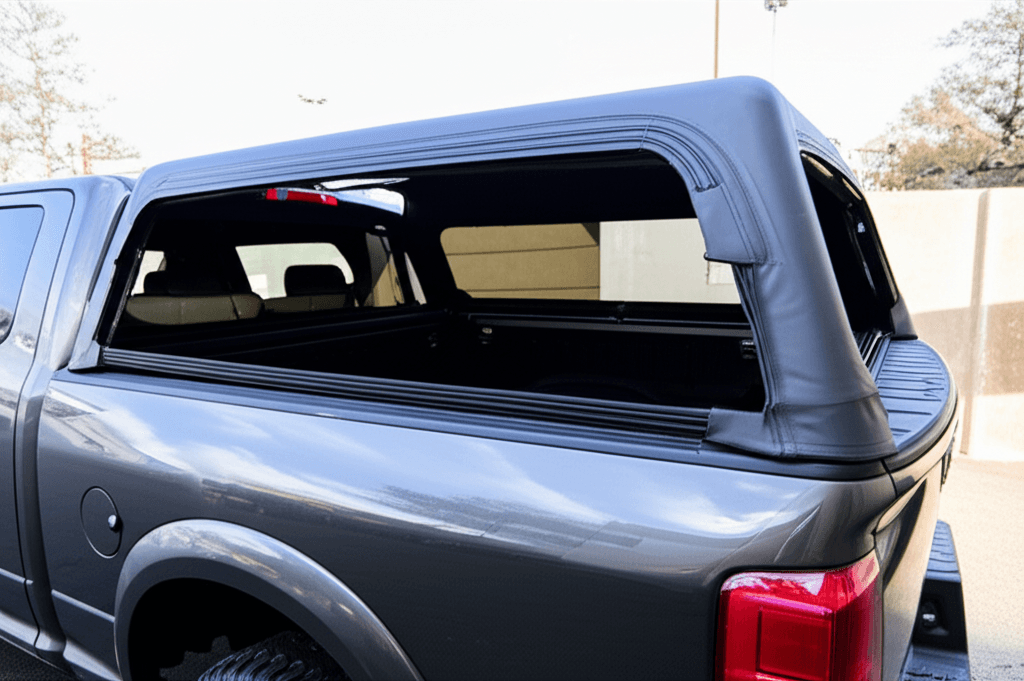
A truck bed cab, more commonly referred to as a truck cap or camper shell, is a hard or soft top that fits over your truck’s bed. Think of it as an extension of your truck’s cabin, but specifically designed for the cargo area. It covers the sides and the top of the bed, most often featuring a tailgate that seals in the back. This creates a completely enclosed and secure space, turning your open truck bed into something much more versatile.
These accessories come in various materials and styles, each offering different benefits. Whether you need to protect your tools from bad weather, transport your dog safely, or even add sleeping space for camping trips, a truck bed cab is a game-changer. It’s one of the most practical upgrades you can make to enhance your truck’s functionality.
Why is a Truck Bed Cab an Essential Upgrade?
The benefits of adding a truck bed cab are numerous and directly address common challenges truck owners face. It’s not just about aesthetics; it’s about making your truck more practical, secure, and enjoyable to use.
Key Benefits:
- Enhanced Security: A locked truck cap makes it much harder for thieves to access your belongings. When your tailgate is locked, your cargo is essentially inside a secure compartment.
- Weather Protection: Keep your gear, groceries, pets, or luggage dry and protected from rain, snow, hail, and harsh sun. No more worrying about water damage or faded items.
- Increased Cargo Space & Versatility: It effectively doubles your secure, enclosed cargo space. You can transport items that wouldn’t be suitable for an open bed, like fragile goods or specialized equipment.
- Improved Aerodynamics (Potentially): Some caps, especially those with a more streamlined design, can slightly improve your truck’s aerodynamics, potentially leading to minor fuel efficiency gains.
- Versatile for Recreation and Camping: Many camper shells can be outfitted for sleeping, creating a basic camper setup for outdoor adventures without the need for a full RV.
- Maintained Resale Value: A well-maintained truck cap can be a desirable feature for future buyers, potentially increasing your truck’s resale value.
- Privacy: Keep your cargo out of sight, adding a layer of privacy for anything you might be carrying.
Types of Truck Bed Cabs
Choosing the right type of truck bed cab depends on your needs and budget. They generally fall into a few main categories, each with its own pros and cons.
1. Truck Caps (or Camper Shells)
These are the most common type. They are built to match the height and often the contour of your truck’s cab. They provide a fully enclosed, secure, and weather-tight space.
- Materials: Typically made from fiberglass, aluminum, or ABS plastic.
- Pros: Excellent security, weather protection, available in many styles (e.g., with windows for visibility, toolboxes, racks), can be painted to match your truck.
- Cons: Can be more expensive, fiberglass can be prone to cracking if hit hard, heavier than soft options.
2. Tonneau Covers
While not a “cab” in the traditional sense of extending upwards like the main cab, tonneau covers are also significant bed upgrades that enclose the cargo area. They are lower profile and sit flush or slightly above the bed rails.
- Types:
- Soft Tonneau Covers: Usually made of vinyl or canvas, often roll-up or tri-fold designs.
- Hard Tonneau Covers: Made of ABS plastic, fiberglass, aluminum, or composite; typically bi-fold, tri-fold, or retractable.
- Pros: Generally more affordable than caps, can improve aerodynamics significantly, easier to install and remove, good for keeping cargo dry and secure from casual theft (especially hard covers).
- Cons: Limited vertical cargo height, less secure than a full cap, soft covers offer less security and weather resistance than hard covers.
3. Truck Bed Covers (Soft Tops / Caps)
These are often fabric-based and offer a soft-sided enclosure. They are typically less secure and less weather-tight than hard caps but are more affordable and lighter.
- Materials: Vinyl, canvas, or heavy-duty fabric stretched over a frame.
- Pros: Lightweight, budget-friendly, easy to install/remove, good for basic protection from sun and moderate rain.
- Cons: Less secure, less durable, offers minimal insulation, not ideal for extreme weather or high-value items.
4. Commercial Caps
Designed with functionality for tradespeople in mind. These often feature specific storage solutions like built-in shelving, toolboxes, and reinforced construction.
- Features: Lockable compartments, often have a rugged, utilitarian look.
- Pros: Highly functional for work, excellent organization, durable.
- Cons: Can be more expensive, may not be as aesthetically pleasing for personal use.
Choosing the Right Truck Bed Cab for Your Needs
The “best” truck bed cab is the one that fits your lifestyle and vehicle. Here’s a guide to help you narrow down your options:
Consider Your Primary Use:
- For General Hauling & Weather Protection: A standard truck cap (fiberglass or ABS) is a solid choice.
- For Camping & Overnight Stays: Look for camper shells with options for windows, ventilation, and potentially a bed rug or sleeping platform. Some higher-end models are designed specifically for this.
- For Tools & Work Equipment: Commercial caps or caps with robust toolbox configurations are ideal.
- For Sports Gear (Bikes, Kayaks): While a cap can carry these, consider one with roof rack mounts. A tonneau cover might be less ideal if you need to carry tall items.
- For Pets: A cap with good ventilation (e.g., screened windows) is crucial for pet safety and comfort.
- For Aesthetics: Fiberglass caps can often be painted to perfectly match your truck’s color and can give a more integrated look.
Key Factors to Evaluate:
- Truck Bed Size & Type: This is paramount! Your cap MUST be designed for your specific truck’s year, make, model, and bed length (e.g., short bed, long bed, specific). Even a quarter-inch difference can mean a poor fit. Measure your bed!
- Material:
- Fiberglass: Durable, stylish, can be painted. Can be heavier and potentially crack on impact.
- Aluminum: Lightweight, strong, corrosion-resistant. Can be noisier and less insulated than fiberglass.
- ABS Plastic: Lightweight, affordable, impact-resistant. May be more prone to UV fading or cracking in extreme temperatures than fiberglass.
- Soft Tops (Vinyl/Canvas): Most affordable, lightest. Least durable and secure.
- Features:
- Windows: Slider, crank-out, side-access, or solid. Consider visibility and ventilation needs.
- Locking Mechanism: How secure is it? Does it integrate with your truck’s central locking?
- Roof Rack Capability: Essential if you plan to carry kayaks, bikes, or a rooftop tent. Look for reinforced roofs or integrated rails.
- Interior Lighting: A small LED light can be very handy.
- Headliner: Some caps have an upholstered interiorliner for a cleaner look and some insulation.
- Budget: Prices can range from a few hundred dollars for basic soft tops to several thousand for high-end fiberglass caps with all the features.
Compatibility Check:
Always double-check compatibility with your truck’s specific bed dimensions. Major manufacturers and retailers have online tools where you can input your truck’s details (year, make, model, bed length) to see what fits. For example, TFLTruck.com provides a handy guide to understanding truck bed lengths, which is a crucial first step.
Installation Process: A Beginner’s Guide
Installing a truck bed cab can range from a simple DIY project to something requiring professional help, depending on the type. Here’s a general overview, focusing on a common fiberglass or ABS truck cap. Always refer to the manufacturer’s specific instructions!
Tools You Might Need:
- Drill and drill bits (if mounting racks or accessories)
- Socket set and wrenches
- Measuring tape
- Level
- Utility knife (for trimming seals)
- Screwdriver set
- Silicone sealant (automotive grade)
- Clamps (optional, but helpful)
- Safety glasses and gloves
- A helper! (Truck caps are awkward and heavy)
Step-by-Step Installation (General Cap):
- Clean the Truck Bed Rails: Thoroughly clean the top edges (bed rails) of your truck bed. Remove any dirt, grease, or old sealant. This ensures a good seal.
- Prepare the Cap: If your cap came with mounting brackets, install them according to the manufacturer’s instructions. If it has a built-in seal, ensure it’s correctly positioned.
- Position the Cap: With a helper, carefully lift and place the cap onto the truck bed. Ensure it’s centered with an even overhang (if any) on all sides. Check that the front of the cap is flush against the truck’s cab.
- Check Alignment: Ensure the cap sits correctly on the bed rails. Use a level to check that it’s not tilted. A good fit is crucial for sealing and preventing leaks.
- Install Clamps (Optional): Some installations recommend using clamps to hold the cap in place while you start the permanent fastening process.
- Install Mounting Hardware: This typically involves clamps that grip the underside of the bed rail or J-bolts that go through the bed rail. Follow the specific instructions for your cap. Hand-tighten all fasteners initially.
- Check Alignment Again: With the primary fasteners loosely in place, re-check the cap’s alignment. Make sure there are no gaps between the cap and the truck body where water could enter.
- Tighten Fasteners: Once alignment is perfect, tighten all fasteners securely. Do not overtighten, as this can damage the cap or your truck bed.
- Seal Any Gaps: If necessary, apply automotive-grade silicone sealant to any small gaps between the cap and the truck body to ensure a watertight seal.
- Install Wiring (if applicable): If your cap has a third brake light or interior light, you’ll need to connect it to your truck’s wiring. This usually involves running a wire from the cap to the trailer hitch connector or tapping into existing brake light wiring. This step can be tricky, and many prefer to have a professional do it. You can find guides on how to install a third brake light from resources like etrailer.com.
- Test the Seal: After installation, it’s a good idea to spray the cap with a hose to check for leaks.
Pro Tip: If you’re not comfortable with drilling or electrical connections, many aftermarket accessory shops and truck dealerships offer professional installation services. This is especially recommended for complex features or if you want a guarantee on proper fit and function.
Maintenance and Care for Your Truck Bed Cab
To ensure your truck bed cab lasts for years and continues to look good, a little regular maintenance goes a long way.
Regular Cleaning:
- Exterior: Wash the cap regularly with car wash soap and water, just like your truck. Use a soft cloth or sponge to avoid scratching.
- Windows: Use a standard glass cleaner and a microfiber cloth for streak-free windows.
- Bed Interior: Vacuum or sweep out the bed regularly.
Protecting the Finish:
- Fiberglass: Waxing fiberglass caps a couple of times a year can protect the paint and gel coat from UV rays and environmental damage.
- Paint Matching: If your cap is painted to match your truck, use touch-up paint for small nicks or scratches.
- UV Protection: Consider applying a UV protectant spray to plastic or rubber seals to prevent them from drying out and cracking.
Checking Seals and Hardware:
- Periodically inspect the rubber seals around the doors and tailgate for wear and tear. Replace them before they start leaking.
- Check that all mounting hardware and clamps remain tight.
Winter Care:
- Ensure drains are clear of snow and ice to prevent water backup.
- If you live in an area with heavy snow, make sure the cap can handle the load, especially if you plan to put anything on its roof.
Pros and Cons of Adding a Truck Bed Cab
Like any automotive upgrade, a truck bed cab has its advantages and disadvantages. Here’s a quick breakdown:
| Pros | Cons |
|---|---|
| Increased security for cargo | Higher upfront cost compared to an open bed or some tonneau covers |
| Excellent weather protection (rain, snow, sun) | Can add weight to the truck |
| Versatile for hauling various items and activities (camping, pets) | May slightly impact fuel economy (depending on design) |
| Adds privacy by concealing cargo | Installation can be complex for some types or features |
| Improves truck’s appearance and utility | Can limit the ability to haul very large, bulky items that would overhang the bed |
| Can increase resale value if well-maintained | Requires regular cleaning and occasional maintenance |
| Creates a more integrated, finished look for the truck | Risk of sealing issues if not installed properly |
Cost Considerations for Truck Bed Cabs
The price of a truck bed cab can vary significantly based on the type, material, brand, features, and whether you install it yourself or pay for professional installation.
- Soft Caps: These are usually the most affordable, often ranging from $200 to $600.
- ABS Plastic Caps: Expect to pay between $800 and $1,500.
- Aluminum Caps: Prices typically fall between $1,000 and $2,000, though specialized commercial options can be more.
- Fiberglass Caps: These are often the most expensive, with prices ranging from $1,000 to $2,500 or even more for premium models.
- Installation: If you opt for professional installation, budget an additional $100 to $300.
Finding Deals: Look for off-season sales, consider slightly used caps from reputable sources, or shop around at different retailers. Manufacturers often offer online deals or rebates.
FAQ: Your Truck Bed Cab Questions Answered
Q1: Will a truck bed cap fit any truck?
No, truck bed caps are designed for specific truck makes, models, and bed lengths. You must ensure the one you choose is compatible with your truck’s exact specifications for a proper fit and seal.
Q2: Can I install a truck bed cap myself?
Yes, many truck caps are designed