
As an Amazon Associate, RackReveal earns from qualifying purchases. Some links on this page are affiliate links, at no extra cost to you.
Planning your ultimate road trip for the World Cup 2026? You’re going to need the right gear to make your cross-country adventure smooth and hassle-free.
Whether you’re packing sports gear, camping supplies, or just extra luggage, having the best roof racks and cargo carriers can make all the difference. In this guide, you’ll discover top options that fit your vehicle, keep your stuff safe, and give you more space to enjoy the ride.
Get ready to hit the road with confidence and make your World Cup experience unforgettable!
Choosing The Right Roof Rack
Choosing the right roof rack matters for your World Cup 2026 road trip. It helps carry extra gear safely. The right rack fits your vehicle and holds your cargo well. This guide covers what to know before buying.
Think about the type, material, weight capacity, and vehicle fit. These points keep your trip smooth and your gear secure.
Types Of Roof Racks
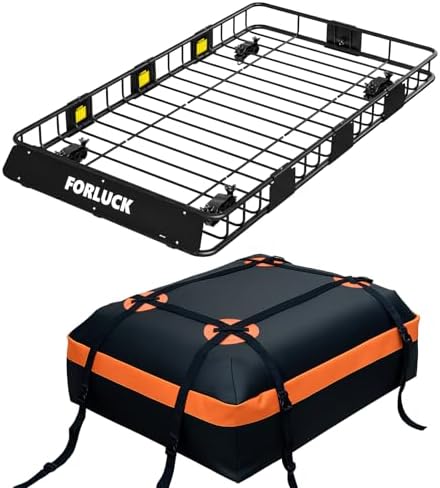
Roof racks come in several styles. Crossbars are common and attach to your car’s roof rails. They hold boxes, bikes, or skis. Roof baskets offer open space for odd shapes or larger items. Some racks are fixed, while others are removable. Choose based on the gear you carry most.
Material And Durability
Aluminum racks are light and resist rust. Steel racks are strong but heavier. Plastic parts help reduce weight and prevent scratches. Pick materials that last through rain, wind, and sun. Durable racks protect your gear and last many trips.
Weight Capacity
Check the maximum load the rack can hold. Overloading risks damage or accidents. Most racks list weight limits clearly. Match the rack’s capacity to your cargo weight. Always leave some margin for safety and stability.
Compatibility With Your Vehicle
Not all racks fit every car. Some need factory rails, others clamp to door frames. Measure your roof and check your car’s manual. Use racks made for your vehicle type. Proper fit keeps the rack stable and prevents damage.
Best Cargo Carriers For Road Trips
Choosing the right cargo carrier can make your World Cup 2026 road trip easier and more fun. Extra storage helps keep your car organized and comfortable. It frees up space inside the vehicle for passengers and quick access items. The best cargo carriers protect your gear and fit your travel needs.
Consider size, durability, and ease of use. The right carrier fits your roof rack securely and handles different weather conditions. This guide breaks down key features to help you pick the best cargo carrier for your cross-country journey.
Hard Shell Vs Soft Shell Carriers
Hard shell carriers offer strong protection against bumps and scratches. They keep your items safe in rough conditions. They are usually more durable and last longer. Soft shell carriers are lighter and easier to store when not in use. They can flex to fit odd-shaped items. Soft shells usually cost less but may wear faster. Your choice depends on how much protection and flexibility you need.
Water Resistance And Weather Protection
Road trips often face rain, dust, and wind. Cargo carriers need good water resistance to keep gear dry. Hard shells are mostly waterproof. Soft shells come with water-resistant fabrics and sealed zippers. Check for carriers with strong weather seals. This keeps your belongings safe in storms and dust storms. A weatherproof carrier means less worry on the road.
Size And Storage Options
Choose a size that fits your travel load and vehicle roof. Larger carriers hold more but can affect driving and fuel use. Small carriers are easier to handle but may not fit all gear. Some carriers have compartments or straps inside. These help organize items and keep them from shifting. Think about what you need to carry and how often you will use the carrier.
Ease Of Installation And Removal
Simple mounting saves time and effort during stops. Look for carriers with quick-attach systems or easy buckles. Some models fit most roof racks without extra tools. Check how heavy the carrier is when empty. A lighter carrier is easier to lift and remove. Easy installation means less hassle and more time enjoying the trip.
Top Roof Rack Brands For 2026
Choosing the right roof rack is key for any World Cup 2026 road trip. It helps carry extra gear safely and frees space inside your car. Some brands stand out for quality and ease of use. These top roof rack brands offer strong, reliable options for fans traveling cross-country. Each brand has unique features and designs to fit different needs and vehicles.
Thule
Thule is a trusted name in roof racks. Their products are strong and easy to install. Thule racks fit many car models and hold heavy loads. They offer different styles like bars, baskets, and cargo boxes. Many travelers choose Thule for durability and versatility. Their racks keep your gear secure on long trips.
Yakima
Yakima makes roof racks that suit outdoor lovers. Their designs focus on stability and convenience. Yakima racks come with smart attachments for bikes, skis, and more. They also offer cargo carriers that protect your items from weather. Yakima’s products are known for being tough and reliable.
Rhino-rack
Rhino-Rack builds racks for adventure and everyday use. Their racks are easy to fit and adjust. Rhino-Rack offers a variety of accessories for camping and sports gear. They use strong materials to handle rough roads. This brand is popular with fans who want rugged, dependable racks.
Inno
INNO provides sleek, functional roof racks for many vehicles. Their racks focus on simplicity and strength. INNO offers cargo carriers and bike mounts that are easy to use. The brand is known for quiet rides and secure fittings. INNO racks help keep your gear safe and organized.
Safety Tips For Roof Rack Travel
Traveling with a roof rack offers extra space for gear and luggage. It helps keep your vehicle organized during long trips. Safety is key when carrying items on your roof. Following basic safety tips protects you and other drivers on the road. Properly securing your load and checking your vehicle can prevent accidents.
Securing Your Load
Always tie down items tightly to the roof rack. Use strong straps or ropes designed for roof racks. Check that nothing can move or fall off while driving. Cover loose items with a tarp if needed. Make sure all knots and fasteners are secure before driving. Double-check your load after a few miles.
Weight Distribution
Place heavy items in the center of the roof rack. Avoid putting too much weight on one side. Balance the load evenly to keep the vehicle stable. Overloading the roof can affect handling and fuel efficiency. Know your vehicle’s roof weight limit and do not exceed it. Spread weight to prevent damage to the roof or rack.
Driving Adjustments
Drive slower than usual with a loaded roof rack. Take turns gently and avoid sudden stops. Watch out for low bridges or parking garage heights. Strong winds can affect vehicle control. Keep a larger distance from other vehicles. Be extra cautious in bad weather or on rough roads.
Regular Maintenance Checks
Inspect your roof rack before every trip. Look for loose bolts, cracks, or rust. Clean the rack to avoid dirt buildup. Check straps and fasteners for wear and tear. Repair or replace damaged parts promptly. Regular checks ensure your rack stays safe and reliable.


Packing Essentials For The World Cup Road Trip
Packing for a World Cup road trip needs smart planning. Every item should save space and stay organized. Proper packing keeps your journey smooth and fun. It helps carry all essentials without clutter. This guide covers must-have items for fans crossing the country.
Sports Gear Storage
Sports gear needs safe and easy storage. Use roof racks with secure straps to hold balls, cleats, and jerseys. Soft bags fit inside cargo carriers to protect delicate items. Keep gear dry and clean with waterproof covers. Label bags for quick access at stops.
Camping And Outdoor Equipment
Camping gear takes up space but is key for rest stops. Pack tents, sleeping bags, and chairs in compact bags. Use stackable containers to organize cooking tools and lights. Choose lightweight items to avoid extra weight on the vehicle. Keep essentials in easy-to-reach spots for quick setup.
Food And Beverage Containers
Food storage keeps snacks fresh during long drives. Use insulated coolers for drinks and perishable items. Leak-proof containers prevent messes in cargo carriers. Pack reusable water bottles to stay hydrated. Organize food by meal times to avoid searching on the road.
Entertainment And Tech Gear
Entertainment gear makes downtime fun for all passengers. Bring portable chargers, headphones, and tablets in padded cases. Use cable organizers to prevent tangles. Pack travel games and books for variety. Store all tech gear in a dedicated bag for easy finding.
Planning Your Route And Stops
Planning your route and stops is key for a smooth World Cup 2026 road trip. Careful planning helps you enjoy the games and explore new places. It also keeps your journey comfortable and stress-free. This guide covers must-see cities, scenic attractions, fuel breaks, and smart accommodation tips. Follow these points for a fun, organized trip.
Key Cities Hosting Matches
Focus on cities hosting World Cup matches first. These include major hubs like New York, Los Angeles, Dallas, and Miami. Each city offers unique stadiums and fan zones. Plan your route to reach these cities ahead of match days. Book tickets and parking early. Staying close to stadiums saves time and hassle.
Scenic Stops And Attractions
Include scenic stops along your route for rest and fun. National parks, lakes, and historic towns are great choices. Visit places like the Grand Canyon or the Great Smoky Mountains. These spots offer fresh air and photo chances. Short breaks here can refresh you before the next game.
Fuel And Rest Breaks
Plan regular fuel stops to avoid last-minute worries. Use apps to find nearby gas stations on your route. Take rest breaks every two to three hours. Stretch your legs and grab snacks. Staying alert on the road keeps you safe and ready for the games.
Accommodation Tips
Book your accommodations early, especially near match cities. Look for budget-friendly hotels, motels, or vacation rentals. Consider places with parking for your roof rack or cargo carrier. Choose quiet spots to rest well after long days. Read reviews to pick comfortable and clean stays.
Budgeting For The Road Trip
Planning a road trip for the World Cup 2026 means careful budgeting. You need to know how much money to set aside for each part of the trip. This helps avoid surprises and keeps your trip fun and stress-free. Let’s break down the main costs you should expect on your journey.
Fuel Costs
Fuel is a big expense for any road trip. Calculate the total distance you will drive. Check your vehicle’s average miles per gallon. Use current fuel prices to estimate how much you will spend. Remember, carrying extra cargo can lower your fuel efficiency. Plan stops to refuel in cheaper areas if possible.
Accommodation Expenses
Hotels and motels add up fast on a long trip. Look for affordable places to stay along your route. Consider budget hotels, motels, or even camping spots. Booking in advance can save money. Sharing rooms with friends or family cuts costs too. Always check reviews for safety and comfort.
Food And Dining
Eating out often can get expensive. Pack snacks and drinks for the road. Choose fast-food or local diners for quick and cheaper meals. Grocery stores offer good options for picnics or making your own food. Keep a small cooler in your cargo carrier for fresh items. This saves money and time.
Souvenirs And Tickets
Souvenirs and event tickets are part of the fun but watch your spending. Set a budget for memorabilia like shirts or hats. Buy tickets early to avoid higher prices later. Look for package deals or group discounts. Remember, experiences count more than things. Spend wisely to enjoy every moment.
Frequently Asked Questions
What Is The Best Roof Rack For A World Cup Road Trip?
The best roof rack is sturdy, weather-resistant, and easy to install. Look for aerodynamic designs to reduce noise and fuel use. Brands like Thule and Yakima offer great options for cross-country trips.
How Much Cargo Space Do I Need For A World Cup Trip?
Plan for at least 15-20 cubic feet of cargo space per person. This ensures enough room for luggage, sports gear, and souvenirs. Use cargo carriers to maximize space without crowding the vehicle.
Are Rooftop Cargo Carriers Safe For Long-distance Travel?
Yes, rooftop cargo carriers are safe if properly installed and secured. Choose carriers with strong locking mechanisms and weatherproof materials. Regularly check straps and mounts during the trip for added safety.
Can I Install Roof Racks Myself For The World Cup Trip?
Most roof racks are designed for easy DIY installation with basic tools. Follow manufacturer instructions carefully. If unsure, seek professional help to ensure secure attachment and avoid damage.
Conclusion
A great roof rack or cargo carrier makes your trip easier. It gives you more space for all your gear. Choose one that fits your car and needs well. Keep safety and ease of use in mind always. With the right gear, enjoy every mile to the World Cup.
Pack smart, drive safe, and have fun on the road!



- 【Fit for both on road and off road models】 Fit for all models of Bronco Sport (Not for Bronco). There are two sets of ru…
- 【Better Than OEM】Optimized re-designed crossbar by added metal mechanism lock system, this upgrade offers durable and 10…
- 【Solid addition】Metal mechanism lock system + Upgraded heavy duty 2mm thickness aluminum bar. Black Matte Powder Coated …
Further reading: roof rack (Wikipedia)

🛠️ Buying Gear for Your Work Truck?
A free Amazon Business account gets you bulk pricing, tax-exempt purchases, and business-only deals on tools, racks, and truck accessories.
Create Free Amazon Business AccountAs an Amazon Associate we earn from qualifying purchases.