
As an Amazon Associate, RackReveal earns from qualifying purchases. Some links on this page are affiliate links, at no extra cost to you.
Setting up a truck for camping transforms your pickup into a mobile basecamp for unforgettable outdoor adventures. Whether you’re planning a weekend getaway or an extended expedition, learning how to set up a truck for camping ensures you pack smart, sleep comfortably, and stay protected from the elements. This guide walks you through every step—from choosing the right tent and organizing your bed space to securing gear and maximizing ventilation—so you can hit the road with confidence and enjoy the great outdoors without sacrificing comfort. New to this? Our Best Truck Camping Accessories 2026 guide walks through the fundamentals first.
How We Picked These Recommendations
Our selection is based on published specifications, aggregated owner and customer reviews from major retailers, and expert consensus within the camping and truck accessory community. We focused on products that solve real camping setup challenges and deliver consistent results across different truck models and camping conditions.
What You Need: Essential Tools & Products
Before diving into setup steps, gather these core items to build your truck camping setup. A quality truck bed tent is non-negotiable—it provides shelter, protects your gear, and keeps you comfortable through multiple seasons. A roof rack or bed organizer helps you maximize storage and keep frequently used items accessible.
We recommend starting with our top-rated truck bed tent featured below, plus a sturdy storage solution. Browse the complete product recommendations section to find gear that matches your truck size, budget, and camping style.
Step 1: Measure Your Truck Bed & Choose the Right Tent
Your truck bed dimensions dictate which tent will fit properly. Measure the length (5.5 ft, 6.5 ft, or 8 ft are standard), width, and height from the bed floor to the top of the wheel wells. Most truck bed tents are designed for specific size ranges—a 5.5–6 ft tent won’t fit an 8 ft bed, and forcing it creates gaps that compromise weatherproofing.
Write down your measurements and compare them to the tent specifications before purchasing. Look for a tent rated for your truck model (Ford F-150, Chevy Silverado, Dodge Ram, Toyota Tacoma, etc.) to ensure color-coded poles and attachment points align with your bed structure.
Choose a tent with 4-season weatherproofing if you camp in variable climates. PU3000mm waterproof coatings and durable polyester fabrics withstand rain, wind, and UV exposure better than budget alternatives.
Pro Tip:
Bring your truck’s dimensions to a camping retailer and ask to see the tent in person if possible. A quick visual check prevents expensive returns and setup frustrations later.
Step 2: Clear & Clean Your Truck Bed
Remove all loose items, tools, and cargo from your truck bed. Sweep away dirt, gravel, and debris that could puncture your tent floor or create uncomfortable lumps under your sleeping area. A clean, flat surface is essential for proper tent installation and comfort.
If your bed is heavily rusted or damaged, consider placing a tarp or protective liner underneath the tent to prevent further deterioration and protect your gear from moisture. Wipe down any sticky residue or spills with a damp cloth and let the bed dry completely before proceeding.
Step 3: Organize Your Storage & Gear Layout
Plan where each category of gear will live: sleeping essentials (sleeping bag, pad, pillow) go inside the tent; cooking equipment, tools, and supplies go in weatherproof storage bins or a truck bed organizer; and larger items like coolers fit alongside the tent or underneath bed racks. This layout prevents overcrowding and makes items easy to find.
Use clear plastic bins so you can see contents without opening them. Label bins by category (Kitchen, Tools, Emergency, etc.) and stack them vertically to save space. Keep frequently used items—flashlights, toiletries, snacks—accessible without disturbing sleeping gear.
Pro Tip:
Invest in a truck bed organizer or partition system. These maximize vertical space and keep your gear secure while driving, reducing shifting and damage.
Step 4: Install the Truck Bed Tent—Color-Coded Assembly
Lay out all tent components in your truck bed and identify color-coded poles—most modern tents use different colors (red, blue, yellow) to match specific attachment points. Read the instructions carefully; many tents require poles to be assembled in a particular order to ensure structural integrity.
Start by connecting the main frame poles. Slide the first color pole into its designated socket at the bed corners, then attach the crossbars that create the tent’s peak and shape. Secure each pole firmly so the tent stands straight without sagging or tilting.
Unroll the fabric canopy and drape it over the assembled frame. Align the attachment points and secure them using the included straps, clips, or hooks. Pull the fabric taut to eliminate wrinkles and prevent water pooling on the roof. Attach the front and side doors, then secure any guy lines or rain fly if included.
Test the tent by gently pushing on the walls and roof to confirm stability. All poles should feel rigid, and the fabric should be drum-tight. If anything feels loose, recheck your assembly and tighten all connections.
Step 5: Set Up Ventilation & Manage Condensation
Open all mesh windows and roof vents to maximize airflow, even if you’re setting up in cool weather. Proper ventilation prevents condensation buildup that can dampen sleeping bags and gear. If your tent has a full-size entrance door and side windows, crack them open slightly while you sleep to maintain air circulation.
Position your truck to catch prevailing breezes. If camping near trees, orient the tent so wind flows through the windows rather than across the bed. In humid or wet conditions, slightly crack the doors and vents to allow moisture to escape.
Warning:
Never seal the tent completely or run propane heaters inside. Poor ventilation creates condensation and dangerous carbon monoxide buildup. Always maintain at least minimal airflow.
Step 6: Layer Your Sleeping Setup for Comfort
Start with a quality sleeping pad or air mattress on the tent floor—this insulates you from cold truck metal and provides cushioning. A good pad reduces heat loss in cool weather and improves sleep quality significantly. Top the pad with clean bedding: fitted sheet, blankets, and your sleeping bag rated for expected temperatures.
Arrange pillows at the head of your sleeping area and keep extra blankets nearby for temperature adjustments. Organize small personal items (phone, headlamp, glasses) on a small shelf or within arm’s reach so you don’t fumble in the dark.
Step 7: Secure Your Gear & Weather-Proof Everything
Use tie-down straps or cargo nets to secure storage bins, coolers, and equipment so they don’t shift while you’re driving. Place heavier items low and toward the center of the bed to maintain vehicle balance and stability.
Cover the tent’s exterior with a rain fly if included, ensuring it doesn’t trap moisture underneath. Inspect seams and zippers for any gaps. Position your truck to shed water away from the tent entrance—a slight slope is ideal. Store a small tarp or emergency cover inside the cab in case of extreme weather.
Step 8: Test Your Setup Before Your First Trip
Assemble everything in your driveway or a parking area before heading to a remote campsite. Spend a test night in your truck to identify comfort issues, gear gaps, or assembly problems while you’re still close to home and supplies.
Test the tent in light rain if possible. Check for leaks at seams, zippers, and pole connections. Confirm that ventilation keeps the interior dry and comfortable. Make adjustments to your sleeping pad, bedding, or positioning based on what you learn. This trial run saves frustration and ensures you enjoy your camping trips.
Recommended Products for Truck Camping Setup
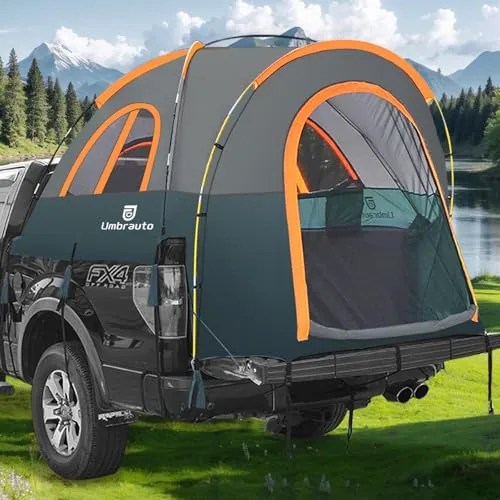
Umbrauto Truck Bed Tent 5.5-6ft
Brand: Umbrauto
This spacious truck bed tent fits 5.5–6 ft full-size beds perfectly and accommodates 2–3 sleepers comfortably. The 66.5″ length provides ample room for tall campers, and the 4-season weatherproof design with PU3000mm waterproof coating handles rain, wind, and temperature swings without compromise.
Key Features: Color-coded poles for tool-free assembly, full-size entrance door, two large mesh windows for ventilation, roof vent, clear installation instructions, and included carrying bag. The durable 210T polyester fabric resists UV damage and maintains structural integrity across multiple seasons.
Real Owner Insight: Owners consistently report that setup takes 15–20 minutes even for first-time users, thanks to color-coded poles. Reviewers note the tent handles heavy rain without leaks and maintains excellent ventilation to prevent condensation buildup.
Best for: Truck owners with 5.5–6 ft beds (Chevy Silverado, Ford F-150, Dodge Ram, GMC Sierra, Toyota) who want reliable 4-season camping without paying premium prices.
Skip if: You have an 8 ft truck bed or need a solo sleeper design—this tent prioritizes roominess for 2+ people.
🛒 Check Price on AmazonTruck Camping Setup Comparison Table
| Aspect | Bed Tent Setup | Gear Organization | Ventilation |
|---|---|---|---|
| Setup Time | 15–20 min (color-coded) | 10–15 min | 5 min (open vents) |
| Weather Protection | PU3000mm coating, all-season | Weather-sealed bins, tarps | Mesh + vents, condensation control |
| Capacity | 2–3 sleepers in 5.5–6 ft bed | Multiple bins, roof rack optional | Continuous airflow, no dead zones |
| Assembly Complexity | Low (pole system) | Low (stack bins) | Minimal (open doors/vents) |
Additional Truck Camping Resources
Once you’ve mastered the basics, explore our guide to the best truck roof racks for organizing overhead cargo to maximize storage on long trips. You’ll also benefit from expert advice on selecting truck bed organizers and storage solutions to keep gear tidy and accessible.
Frequently Asked Questions
Can I use a truck bed tent in winter or snow?
Yes, but only with a 4-season tent rated for snow load and low temperatures. A PU3000mm waterproof tent like the Umbrauto model handles snow and ice if you periodically clear heavy accumulation from the roof. Pair it with an insulated sleeping pad and a cold-rated sleeping bag (at least -10°F comfort rating) to stay warm. Never rely on the tent alone for insulation—your pad and bedding are critical.
How do I prevent condensation inside my truck bed tent?
Maximize ventilation by opening all mesh windows and roof vents, even in cool weather. Crack doors slightly while sleeping to allow moisture to escape. Use a sleeping pad to insulate yourself from the cold truck bed (which sweats in humid conditions), and consider placing a small dehumidifier or moisture-absorbing packets inside the tent. Position your truck to catch natural breezes and avoid parking under heavy tree cover that traps moisture.
What’s the best truck size for camping with a bed tent?
Full-size trucks with 5.5 ft or 6.5 ft beds are ideal for truck bed tents. These accommodate 2–3 sleepers comfortably and integrate with standard roof racks and storage systems. Mid-size trucks (Chevy Colorado, Ford Ranger) can fit smaller 5 ft tents, while 8 ft beds require specialty tents or alternative sleeping solutions. Always measure your bed before purchasing a tent to ensure proper fit.
Do I need a roof rack in addition to a truck bed tent?
A roof rack isn’t mandatory if your truck bed tent is properly sized and secured. However, a roof rack significantly expands storage capacity for gear that doesn’t fit in the bed (coolers, extra fuel cans, firewood). Roof racks also improve aerodynamics and weight distribution, keeping your truck stable on long drives. Consider one if you frequently camp for extended periods or transport bulky equipment.
How often should I inspect and maintain my truck bed tent?
Inspect your tent before each trip for tears, seam damage, or zipper issues. Clean the fabric with mild soap and water after muddy or sandy camping, and allow it to air-dry completely before storage to prevent mold. Check poles and connections for loose parts or corrosion. Store the tent in a cool, dry place (not direct sunlight) to protect the polyester from UV degradation. Most quality tents last 5–10 years with proper care.
Ready to Hit the Road?
Transform Your Truck Into a Cozy Campsite
You now have a complete roadmap for setting up a truck for camping. Follow these eight steps, invest in quality gear like the Umbrauto truck bed tent, and prepare thoroughly with your driveway test run. Your next adventure awaits—one that combines the freedom of the open road with the comfort of a mobile basecamp.
Start by browsing truck bed tents, organizers, and roof racks on Amazon. Compare specs, read owner reviews, and choose products that match your truck model and camping style.
🛒 Shop Truck Camping Gear on AmazonRelated reading: How To Install Running Boards On A Truck
Further reading: pickup truck bed (Wikipedia)
Gear Worth Considering
A couple of real products that fit directly with what this guide covers:
This waterproof, easy-setup truck bed tent fits 5.5-6ft beds and sleeps 2-3, matching the guide’s emphasis on a quality shelter for your setup.

- 【Double-layer Waterproof Material & Rainfly】: JOYTUTUS pickup truck tent made of 210D polyester oxford, with PU2000 wate…
- 【Easy Installation】: The installation instruction is included for quick and fast assembly. Pay attention when you instal…
- 【Private and Spacious Space】: Tent size: 90.5 x 62.9 x 66.9 inch, suitable for 2 person. The tent has 3 well-ventilated …
This slide-out organizer with adjustable blockers helps you organize and secure gear in your truck bed, a key step this guide covers.
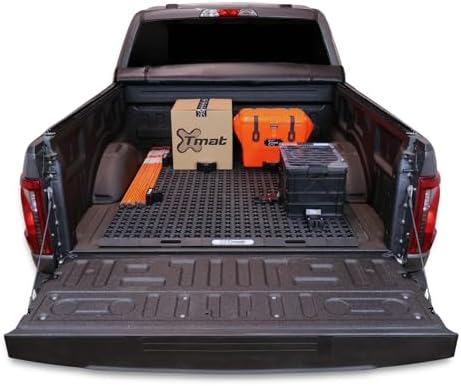
- ORGANIZED CARGO, YOUR WAY – Tmat is a modular truck bed mat system with adjustable blockers designed to keep tools and e…
- INCLUDES 6 BLOCKERS FOR CUSTOM CONFIGURATION – Comes with four solid and two adjustable blockers that fit around your ca…
- NO TOOLS REQUIRED – Assembles quickly in minutes with no drilling or vehicle modifications needed. Designed with a unive…

🛠️ Buying Gear for Your Work Truck?
A free Amazon Business account gets you bulk pricing, tax-exempt purchases, and business-only deals on tools, racks, and truck accessories.
Create Free Amazon Business AccountAs an Amazon Associate we earn from qualifying purchases.