
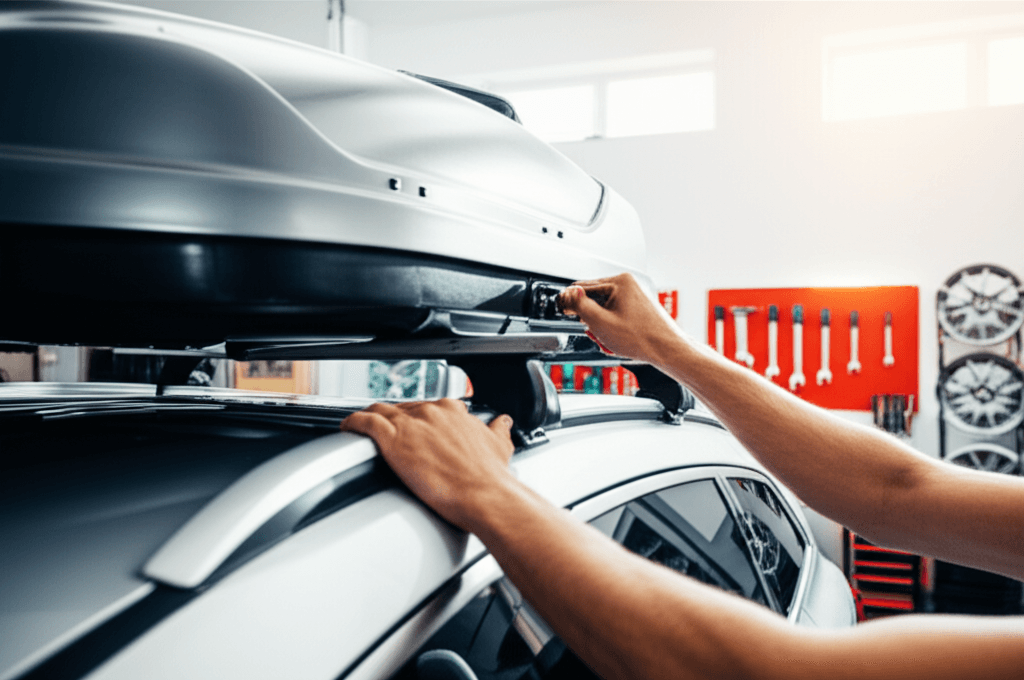
Fixing your roof box is easier than you think! This guide helps you tackle common issues like cracks, broken latches, or worn-out seals. With simple steps and common tools, you can get your roof box back in top shape for your next adventure, saving you money and ensuring secure cargo.
Hitting the road for a family trip or an epic outdoor adventure often means loading everything you need onto your car’s roof. A roof box is a fantastic way to add extra cargo space. But what happens when your trusty roof box gets a little dinged up or a part stops working? Don’t sweat it! Many common roof box problems can be fixed with a bit of know-how and a few basic tools. We’ll walk you through how to fix roof box issues, from minor cosmetic damage to functional repairs, so you can get back to enjoying your travels with confidence.
Understanding Roof Box Materials and Common Issues
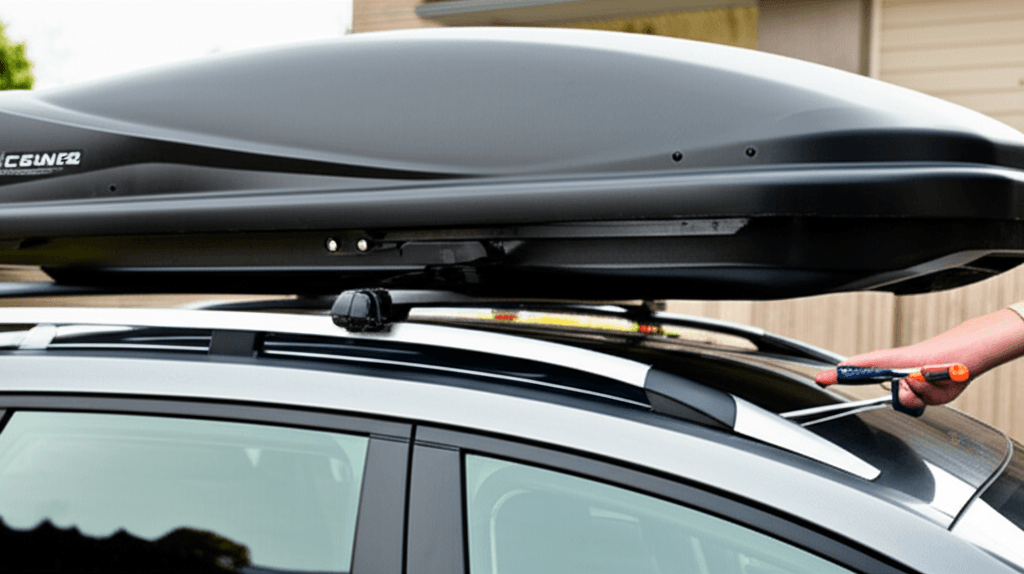
Roof boxes are typically made from plastic, most commonly ABS (acrylonitrile butadiene styrene) or a similar high-impact plastic. This material is chosen for its durability, weather resistance, and relatively light weight. However, like any gear that ventures onto the open road, they can suffer damage.
Common issues you might encounter include:
Cracks and Punctures: From branches, low overhangs, or impacts during loading/unloading.
Broken Latches or Hinges: Wear and tear, or forceful use can break these essential components.
Worn-out Seals: Leading to water leaks and an unhappy interior.
Scratches and Scuffs: Mostly cosmetic, but can be annoying.
Loose Mounting Hardware: Requiring tightening or replacement.
Understanding what your roof box is made of will help you choose the right repair materials. For most plastic repairs, you’ll be working with adhesives, patching materials, or plastic welding techniques.
Essential Tools and Materials for Roof Box Repairs
Before you start, gather these basics. Having them ready will make the repair process smooth and stress-free.
Tools:
Safety Glasses: Always protect your eyes, especially when cutting or sanding.
Gloves: To keep your hands clean and protected from adhesives.
Screwdriver Set: For removing and reattaching components.
Utility Knife or Box Cutter: For trimming excess material or making precise cuts.
Sandpaper: Various grits (e.g., 80, 120, 220) for cleaning and preparing surfaces.
Drill with Small Drill Bits: For creating pilot holes or removing broken fasteners.
Clamps: To hold pieces together while adhesive dries.
Heat Gun (Optional but Recommended for Plastic Welding): For softening plastic to mend cracks.
Cleaning Supplies: Isopropyl alcohol, soap, and water for de-greasing surfaces.
Materials:
Plastic Repair Kit: Specifically designed for ABS plastic, often including plastic epoxy, filler, and reinforcement mesh. You can find good kits at most auto parts stores or online retailers specializing in automotive repair.
Plastic Welder or Soldering Iron (for plastic welding): If you opt for this more advanced repair.
Replacement Parts: Latches, hinges, or seal strips if yours are completely broken and beyond repair. Check the manufacturer’s website or specialty retailers.
Silicone Sealant or Rubber Sealant: To reseal edges or repair minor gaps. Look for UV-resistant types.
Primer and Paint (Optional): If you want to match the color after repair.
Step-by-Step Guide: How to Fix a Cracked Roof Box
Cracks are one of the most common and concerning roof box damages. Luckily, they’re often fixable.
Step 1: Assess the Damage and Clean the Area
Start by carefully examining the crack. Note its length, width, and depth. Is it a surface-level scuff or a deep puncture that goes all the way through?
Thoroughly clean the area around the crack. Use soap and water to remove dirt and grime, then wipe it down with isopropyl alcohol. This ensures the adhesive or welding material will bond properly.
For deeper cracks, you might need to slightly bevel the edges with a utility knife or sandpaper. This creates a V-groove that allows more repair material to fill the damaged area.
Step 2: Prepare for Repair
For Adhesive/Epoxy Repair: If the crack is on the underside or an area that won’t be heavily visible, you can use a reinforcement mesh. Cut a piece of the mesh slightly larger than the crack.
For Plastic Welding: Ensure you have a plastic welding rod that matches your roof box material (ABS is common). Clean the plastic thoroughly. You might want to score the plastic on both sides of the crack to create a better bonding surface.
Step 3: Apply the Repair Material
Adhesive/Epoxy Method:
Apply a small amount of plastic primer if your kit recommends it.
Mix the two-part plastic epoxy according to the kit instructions.
Apply the epoxy to fill the crack. If you have a deep crack, press the reinforcement mesh into the wet epoxy on the underside of the roof box, then cover it with more epoxy. This adds significant strength.
Smooth the excess epoxy over the crack, ensuring it’s well-covered both inside and out. Use a plastic spreader or putty knife to get a clean finish.
Allow the epoxy to cure fully according to the product’s instructions. This can take several hours to a full day.
Plastic Welding Method (More Advanced):
If you’re using a plastic welder or a soldering iron, heat the area around the crack.
Melt the edge of the crack slightly, then feed in your matching plastic welding rod. Work slowly and consistently, fusing the rod into the cracked plastic. You can also melt a strip of your roof box plastic and use it as a filler rod.
For added strength, you can use a hot staple tool or a metal mesh that you embed into the plastic while it’s still hot, on the underside of the crack.
Allow the welded area to cool completely.
Step 4: Finishing Touches
Once the repair material is fully cured, gently sand the repaired area. Start with a coarser grit (like 80 or 120) to level the repair material with the surrounding plastic, then move to a finer grit (like 220) for a smooth finish.
Clean the area again.
If you want to paint the repaired area, apply a plastic-compatible primer, followed by your chosen paint color. Many roof boxes are black or a dark gray, making touch-ups easier.
How to Fix Broken Roof Box Latches and Hinges
Latches keep your roof box securely closed, and hinges allow it to open and close smoothly. Damage here can render your box unusable or unsafe.
Fixing Latches:
1. Identify the Problem: Are the latches not engaging? Is a spring broken? Is the plastic tab snapped off?
2. Clean and Inspect: Remove any debris from the latch mechanism.
3. Lubricate: Sometimes, a lack of lubrication is the culprit. Try a silicone-based lubricant spray.
4. Minor Repairs: If a small plastic piece is broken, you might be able to reattach it using a strong plastic epoxy suitable for the material. Clean both surfaces thoroughly, apply the epoxy, and clamp it in place until it dries.
5. Replacement: If the latch mechanism is too damaged, it’s best to replace it.
Check your roof box manufacturer’s website for replacement parts. Many brands offer specific hardware kits.
Find the mounting screws for the old latch. Remove them, often requiring access from inside the lid or base of the box.
Attach the new latch, ensuring it’s aligned correctly to engage with the locking mechanism on the other half of the box.
Fixing Hinges:
1. Inspect for Damage: Hinges can crack, break, or simply become loose.
2. Tighten Screws: If the hinge is loose, check if the mounting screws need tightening. Sometimes, a missing screw is the issue.
3. Repairing Cracked Plastic Hinges: If the plastic hinge itself is cracked, you can attempt a repair similar to fixing a crack in the box body using plastic epoxy or welding. However, hinges undergo stress, so for critical repairs, replacement is often better.
4. Replacing Hinges:
Some hinges are integrated into the box, making replacement impossible without significant modification.
For bolt-on hinges, carefully remove the old ones by unscrewing them.
Install the new hinges, ensuring they allow the lid to open and close freely without binding. Pay attention to the angle and placement.
Important: Ensure the new hinge allows the lid to open to a safe angle without overextending and damaging the plastic.
How to Repair Leaking Roof Box Seals
A leaky roof box can ruin your gear and make a mess. The seals around the lid are crucial for keeping water out.
Step 1: Identify the Leak Source
The easiest way to do this is after a car wash or a rainy drive. Open the box and check for drips or wet spots.
Inspect the rubber or foam seal that runs around the edge of the lid or the base. Look for cracks, compression, gaps, or areas where it has pulled away from the plastic.
Step 2: Clean and Prepare
Thoroughly clean the area where the seal meets the box. Remove any dirt, mold, or old adhesive. Use isopropyl alcohol for a spotless finish.
Step 3: Repair Options
For Minor Gaps or Tears in the Seal:
You can often use a flexible, waterproof adhesive or a high-quality silicone sealant designed for automotive use. Apply a thin bead around the damaged area or a small gap.
Press the seal back into place. If it has detached, use a strong, flexible adhesive specifically made for rubber, and allow it to cure fully. A Permatex threadlocker or a similar strong bonding agent can be effective for reattaching detached parts.
For Worn or Compressed Seals:
If the seal is brittle, cracked extensively, or permanently compressed, it’s often best to replace the entire seal.
You can buy universal weather stripping from auto parts stores or specialist DIY stores. Measure the length you need carefully.
Many weather strips have an adhesive backing. Clean the channel where the old seal was attached very well, peel off the backing, and press the new seal firmly into place.
If the new strip doesn’t have adhesive, use a strong, flexible rubber adhesive to attach it. Ensure it’s applied evenly and the seal is pressed firmly.
Step 4: Test for Leaks
After the sealant or adhesive has cured, lightly spray the area with water from a hose or sponge. Check inside the box for any signs of moisture. You might need to do this a few times to ensure a complete seal.
Here’s a quick look at common seal materials and their challenges:
| Seal Material | Pros | Cons | Repair Tips |
|---|---|---|---|
| Rubber (EPDM) | Durable, flexible, good UV resistance. | Can be expensive, may lose shape over time if stressed. | Best for replacing worn seals; can be adhered with rubber cement or strong epoxy. |
| Foam (Closed-Cell) | Lightweight, good cushioning. | Less durable than rubber, can compress over time, may absorb water if damaged. | Used for lighter sealing; susceptible to tears. Use flexible adhesive. |
| Silicone | Highly flexible, excellent weather resistance. | Can be less durable against abrasion, can attract dust. | Good for minor gap filling or repairing small tears; use silicone-based adhesives. |
How to Fix Cosmetic Issues: Scratches and Scuffs
While scratches and scuffs don’t affect the function of your roof box, they can be visually unappealing.
Minor Scuffs: Often, these can be buffed out. Use a plastic cleaner or polish. For tougher marks, a rubbing compound designed for plastics (like those used for car headlights or boat hulls) can be effective. Always test in an inconspicuous area first.
Deeper Scratches: If a scratch is too deep to buff out, you can fill it.
Clean the scratch thoroughly.
Use a fine-grit sandpaper (220 or higher) to smooth the edges of the scratch slightly.
Use a plastic filler or a colored epoxy that matches your roof box color. Apply it carefully, then sand it smooth once cured.
For a more professional look, you can then use a plastic primer and spray paint. A guide on plastic painting can be helpful.
Important Considerations for Roof Box Safety
Before and after any repair, it’s vital to prioritize safety.
Structural Integrity: If the damage is severe, affecting the core structure or mounting points, it might be safer to replace the roof box entirely. A compromised box can detach, posing a serious hazard.
Load Capacity: Ensure your repairs do not compromise the box’s original load rating.
Waterproofing: After any seal repair, conduct thorough tests to confirm it’s watertight. Water damage to your cargo is no fun!
Secure Mounting: Regularly check that your roof box is securely fastened to your roof rack. Loose bolts or straps are a common cause of accidents. This is especially important after any repair that involved the mounting points.
Manufacturer Guidelines: Always refer to your specific roof box’s manual for any repair recommendations or warnings.
When to Consider Replacement
Sometimes, repairs aren’t feasible or cost-effective. Consider replacing your roof box if:
The main body has multiple large cracks or significant structural damage.
Mounting points are severely damaged and cannot be securely repaired.
The lid or base is warped, preventing a proper seal.
Replacement parts are unavailable, and the damage prevents safe use.
* The cost of extensive repairs approaches the price of a new or used box.
Frequently Asked Questions About Fixing Roof Boxes
Q1. What kind of plastic are most roof boxes made from?
Most roof boxes are made from ABS (acrylonitrile butadiene styrene) plastic or a similar durable, impact-resistant plastic. This is important to know when choosing repair materials, as you’ll want products designed for ABS.
Q2. Can I use super glue to fix a crack in my roof box?
While super glue (cyanoacrylate) can bond plastics, it’s generally not recommended for structural repairs on a roof box. It can become brittle and may not withstand the vibrations and stresses of travel. A specialized plastic repair epoxy or welding is a much stronger and more durable solution.
Q3. How long does a plastic epoxy repair take to cure?
Cure times vary depending on the specific product. Most plastic epoxies require at least a few hours to set and typically need 24 hours for a full, strong cure. Always check the manufacturer’s instructions. It’s best to let it cure completely before putting any stress on the repaired area or re-installing the box.
Q4. My roof box is old and the plastic is becoming brittle. Can this be fixed?
If the plastic is merely faded or has minor surface oxidation, a good plastic cleaner and polish can help. However, if the plastic is genuinely brittle due to age and UV exposure, it’s a sign of degradation. While you can repair cracks in brittle plastic, it may be more prone to further cracking. In such cases, replacement might be the safest option for long-term reliability.
Q5. What’s the best way to prevent damage to my roof box?
Regular maintenance and careful handling are key. Always ensure the roof box is properly mounted. Be mindful of low overhangs and branches. When loading and unloading, avoid dropping or slamming the box. Routinely check seals for wear and tear, and keep the locking mechanisms clean and lubricated.
Q6. Can I use a heat gun to reshape warped plastic on my roof box?
Yes, a heat gun can be used to gently warm and reshape warped plastic. However, you must be very careful not to overheat and melt or damage the plastic. Work in short bursts, keeping the heat gun moving, and wear protective gloves. Allow the plastic to cool and solidify in the desired shape. This is best for minor warps, not major structural distortion.
Q7. Where can I find specific replacement parts for my roof box brand?
Start with the manufacturer’s official website. Many brands have a “parts” or “support” section where you can order specific components like latches, keys, or mounting hardware. If the manufacturer doesn’t directly supply parts, look for reputable online retailers that specialize in automotive accessories or roof rack systems.