
As an Amazon Associate, RackReveal earns from qualifying purchases. Some links on this page are affiliate links, at no extra cost to you.
Transporting a truck bed can be challenging. It requires proper planning and the right tools.
Whether moving to a new location or needing to haul a truck bed for a project, understanding the best methods is crucial. The process may seem daunting at first, but with the right guidance, it can be manageable and safe.
This guide will provide you with essential steps and tips to ensure your truck bed reaches its destination without damage. From preparing the bed for transport to choosing the right vehicle and securing the load, we will cover all you need to know. With careful planning and the right approach, transporting a truck bed can be a straightforward task. Let’s dive in and explore the best practices for a smooth and successful move.
Which Way Should You Haul a Truck Bed?
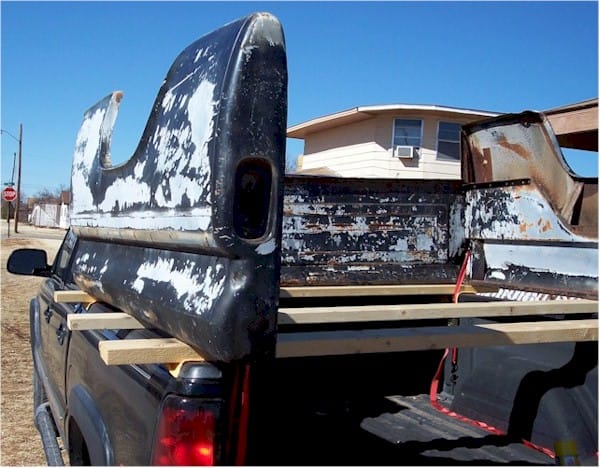
A loose pickup bed is big, awkward and heavy, and a steel full-size bed takes three or four people to lift. Pick the method that fits your bed size and distance.
| Method | Best for | How to do it | Check first |
|---|---|---|---|
| Flatbed, utility or car-hauler trailer | Any bed, any distance (the safest way) | Bed upright on wood blocks or blankets, strap over the top, tie each corner to the trailer’s anchor points | Deck is longer and wider than the bed; trailer load rating |
| On top of another pickup | Short, slow trips only | Bed rides on padding over the carrying truck’s bed rails, strapped front and rear to the tie-down points | Overhang past the tailgate (flag it); roof and mirror clearance |
| On its side | A trailer deck that is too narrow for the bed flat | Pad the lower side, brace it against the trailer front, strap to at least four anchor points | The lower bed side and fender can dent; flat is more stable |
| Towing company or freight | Long distance or no trailer | Ask for a flatbed tow or freight shipping on a pallet | Get a written quote and check insurance |
Before you load it: remove the tailgate (it comes off by hand on most trucks and makes the bed lighter), the taillights and loose parts, and tape up the wiring harness so it cannot flap. Measure the bed length and width, including the wheel wells, before you choose a trailer.
Preparation Steps
Ensure you have the right equipment. Secure the truck bed properly to avoid damage. Use straps to keep it in place.
Inspect The Truck Bed
Check the truck bed for any damage or rust spots. Look for loose parts or sharp edges. Ensure the bed is clean and free of debris. This helps in safe transportation. Take pictures of the truck bed for reference.
Gather Necessary Tools
Collect all tools needed for the job. You will need a wrench, straps, and a dolly. Having a tarp can also be useful. Make sure you have gloves for safety. Check if you need extra help. Ask a friend or hire someone to assist.
Choosing The Right Vehicle
Check the size of your truck bed. Compare this with the vehicle you plan to use. Make sure the truck bed fits well. This avoids any issues during transport. Measure both the truck bed and the vehicle. Use a tape measure for accuracy. A good fit ensures a safer journey.
Make sure the vehicle can carry the weight of the truck bed. Look at the vehicle’s manual. Check its maximum load capacity. Overloading can damage the vehicle. It can also be unsafe. Plan your trip with this in mind. Always use a vehicle that can handle the weight.
Securing The Truck Bed
Use strong straps or ropes to secure the truck bed. Place one strap over the front. Then, place another strap over the back. Tighten the straps until they are snug. Check the straps twice. Make sure they do not move. Double-check knots if using ropes. Secure all corners well.
Protect the truck bed with padding. Use foam or blankets. Place padding under the bed. Cover the sides too. This prevents scratches and dents. Check for gaps. Fill gaps with extra padding. Ensure padding is thick enough. Safety first.
Straps, Padding and a Flag
Long straps that go over the whole bed and down to both sides of the trailer: 2 inch, 27 ft, rated 10,000 lb (break strength).
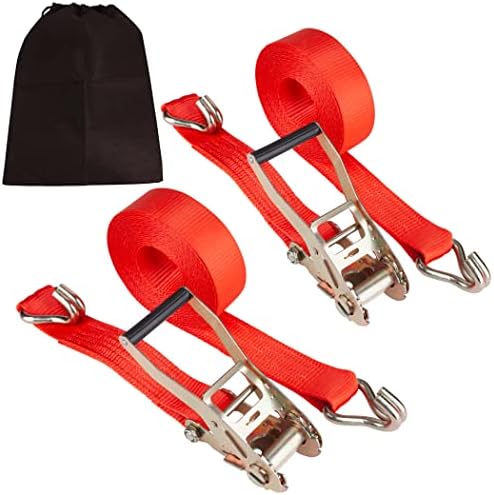
- [Industrial Grade Strength] Rated for 10,000 lb break strength with a 3,333 lb working load limit. Built to secure motor…
- [Long Handle Ratchet] Extra-wide ergonomic ratchet handle delivers greater leverage with less effort, making tightening …
- [Double J-Hooks] Reinforced steel double J-hooks fit D-rings, E-track systems, trailers, trucks, and common anchor point…
Shorter straps for tying each corner down to a trailer or truck anchor point.

- AMERICAN OWNED, FAMILY OPERATED – Join the Rhino USA Family and Support a Father/Son Business With the Best USA-Based Cu…
- RHINO EZ-RELEASE SYSTEM – Features a User-Friendly Design That Allows for Quick and Easy Strap Release, Enhanced by our …
- BUILT TO LAST A LIFETIME – Engineered With an Electro-Plated Zinc Coated Ratchet for Enhanced Durability, an Ergonomic P…
Edge protectors stop the straps cutting into the bed rails and the paint.

- 4″ Plastic Corner Protectors
- Dimensions: 4″ X 4″ X 6″
- Yellow Color
Moving blankets under and around the bed prevent scratches and stop it sliding.

- [PROFESSIONAL MOVERS 6 PACK] Designed with thick layers of cushioning to absorb shocks and impacts during transportation…
- [80″ x 72″ SIZE] These blankets provide generous coverage for furniture, appliances, and other large items, ensuring max…
- [REUSABLE & VERSATILE] Ideal for moving, furniture storage, soundproofing, or protecting floors during home projects.
A red flag for the overhang if the bed sticks out past the back of the truck or trailer.

- 【18″ x 18″ Oversized Load Flag For Clear Cargo Marking】– Designed to help mark oversized loads, wide loads, and extende…
- 【Reflective Visibility For Day & Night Transport】– Featuring high-visibility reflective X strips and bright red fabric,…
- 【Heavy-Duty 600D Fabric Built For Repeated Hauling】– Made from durable 600D Oxford fabric, these red warning flags are …
As an Amazon Associate, we earn from qualifying purchases at no extra cost to you.
Loading Techniques
First, place the truck bed on a flat surface. This helps with balance. Make sure the area is clear. Safety first. Use a dolly or forklift if needed. Get help from others. Moving heavy objects alone is risky. Align the bed with the truck. Check if it’s centered. This prevents tipping.
Balance the load evenly. Distribute the weight. Heavy items should go in the middle. Light items on the sides. Use straps to secure the bed. Tighten them properly. Loose straps can cause accidents. Check the balance again. Adjust if needed. Ensure the bed is stable. A stable load is a safe load.
Driving Tips
Transporting a truck bed requires careful planning and secure fastening. Use strong straps to hold the bed in place. Ensure the truck bed is balanced to avoid shifting during transit.
Maintaining Safe Speeds
Driving with a truck bed needs care. Keep speeds below 55 mph. Fast speeds can cause damage. Wind resistance affects control. Always check the load is secure. Sudden stops are dangerous. Drive smoothly and steadily. Watch for bumps and potholes. They can shift the load. Avoid sharp turns. Slow and steady wins the race.
Handling Turns And Stops
Take turns wide and slow. Truck beds are heavy and can tip. Slow down before curves. Use gentle braking. Sudden stops can throw the load. Maintain distance from other vehicles. This gives more time to stop. Plan your route. Avoid narrow roads and sharp bends. Stay calm and drive safely. Keep both hands on the wheel.

Unloading Safely
Always remove the straps slowly. Fast movements can cause harm. Take your time to ensure safety. Be sure the truck bed is stable. Straps must be loose enough to remove. Check each one before you move the truck bed. Safety is the main goal. Do not rush.
Look at the truck bed for any damage. Check all sides closely. Small cracks can become big problems. Dents should be noted. Take pictures if you need to. This helps in case of a claim. Document everything well. Report any issues right away.
Legal Considerations
Knowing your truck’s load limits is very important. Exceeding these limits can be dangerous. It may also be illegal. Always check the truck’s manual. It will show the maximum weight limit. Overloading can damage the truck. It can also lead to accidents. Stay safe. Stay legal.
Check local laws before transporting a truck bed. Rules can vary by area. Some places have strict rules. Others may be more relaxed. Always stay informed. Avoid fines and other issues. Ask local authorities if unsure.
Overhang rule: in most US states, a load that sticks out more than 4 feet past the back of the vehicle needs a red flag (and a red light at night). Check your state’s rule before you drive.
Common Mistakes
Overloading the truck bed is a big mistake. It can cause damage. The bed can bend or crack. You must know the weight limit. Check the truck manual. Do not exceed the limit. Overloading makes driving unsafe. It can also lead to accidents. Secure the load properly. Use straps and ropes. Make sure nothing moves during transport.
Loads that shift during transport can be dangerous. Use ropes and straps to secure items. Place heavier items at the bottom. Distribute the weight evenly. This keeps the truck stable. Check the load regularly. Stop to adjust if needed. Shifting loads can cause accidents. Always double-check the load before driving.
Black Friday tip: ratchet straps, edge protectors and moving blankets are often discounted in late November. If a bed swap is planned for winter, buy the straps then and check their length against your bed and trailer.
Frequently Asked Questions
How Do You Secure A Truck Bed For Transport?
To secure a truck bed, use sturdy straps or chains. Make sure the bed is balanced and avoid overloading. Ensure all parts are tightly fastened and double-check before moving.
What Tools Are Needed To Remove A Truck Bed?
You will need a wrench set, screwdrivers, and a jack. These tools help you to safely and efficiently remove the truck bed.
Can You Transport A Truck Bed On A Trailer?
Yes, you can use a trailer to transport a truck bed. Ensure it is properly secured with straps or chains to prevent movement during transport.
What Is The Safest Way To Transport A Truck Bed?
The safest way is to use a flatbed trailer. Secure the truck bed with heavy-duty straps and ensure it is balanced and stable.
Can You Transport a Truck Bed on Its Side?
Yes, if your trailer is too narrow to carry it flat. Pad the lower side, brace it against the front of the trailer and strap it to at least four anchor points. Upright or upside down is more stable, and the lower bed side can dent, so drive slowly.
Conclusion
Transporting a truck bed requires careful planning and the right tools. Secure the bed properly to avoid damage during the move. Use straps or ropes to keep it in place. Drive slowly and watch for bumps on the road. This ensures a smooth and safe transport.
Remember, safety is key. Follow these steps, and your truck bed will reach its destination in good condition. Happy transporting!
Further reading: pickup truck bed (Wikipedia)

🛠️ Buying Gear for Your Work Truck?
A free Amazon Business account gets you bulk pricing, tax-exempt purchases, and business-only deals on tools, racks, and truck accessories.
Create Free Amazon Business AccountAs an Amazon Associate we earn from qualifying purchases.