
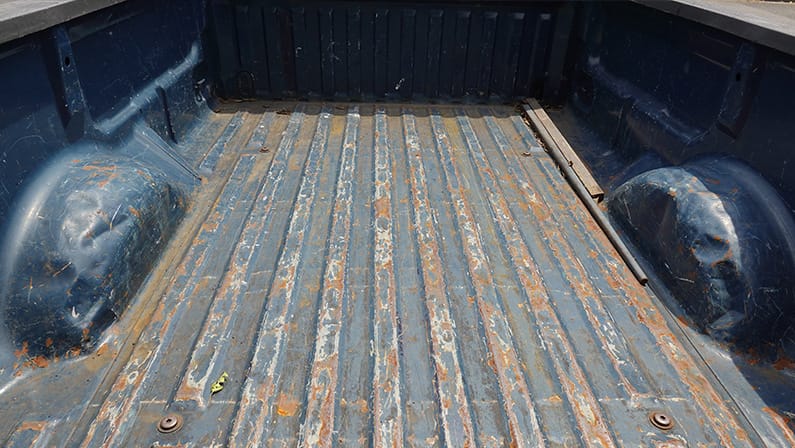
Rust on your truck bed can spread fast. Ignoring it can lead to costly repairs.
So, how do you fix truck bed rust effectively? Truck bed rust not only looks bad but can also weaken the structure of your vehicle. Catching rust early and treating it properly can save you from more serious damage. In this guide, we will walk you through simple steps to fix rust on your truck bed.
You’ll learn about the tools and materials needed, as well as some handy tips to make the job easier. Don’t let rust ruin your truck; follow along to keep it in top shape.
Introduction To Truck Bed Rust
Truck bed rust is a common problem. It occurs due to exposure to water and air. Rust can weaken the truck bed. It makes it look old and worn out. Taking care of rust is important. It extends the truck’s life.
Causes Of Rust
Rust forms when metal meets moisture. Rain and snow contribute to rust. Salt on roads speeds up rusting. Scratches expose metal to air and water. Poor maintenance leads to rust.
Signs Of Rust Damage
Look for red or brown spots. These are early rust signs. Bubbling paint is another sign. It means rust is underneath. Check for holes or flakes. Rust can cause metal to fall apart. Inspect the truck bed often. Early detection helps in fixing rust.
Gathering Necessary Tools And Materials
Gather essential tools and materials before fixing truck bed rust. Gather sandpaper, primer, paint, and a rust remover. Ensure you have safety gear like gloves and goggles.
Essential Tools
You need some basic tools to fix truck bed rust. Get a wire brush and a sandpaper. A drill with a wire wheel attachment is useful. Have safety gloves and goggles ready. A paintbrush and masking tape are also needed. A putty knife can help with scraping off rust.
Required Materials
Gather rust converter and primer. These are important. Buy truck bed liner paint. Get some rust remover and a filler. You will need a cleaning solution. Have clean rags on hand. Make sure you have all materials before you start.
Preparing The Truck Bed
Start by cleaning the truck bed thoroughly to remove dirt and debris. Sand the rusted areas to smooth the surface. Apply a rust converter to stop further corrosion.
Cleaning The Surface
First, remove all items from the truck bed. Then, wash the bed with soap and water. Use a brush to scrub away dirt. Make sure to reach all corners. Let it dry completely. This ensures a clean surface to work on.
Sanding The Rusted Areas
Use sandpaper to sand the rusted areas. Focus on removing all rust. Sand until you see clean metal. Be thorough but gentle. Avoid damaging the metal surface. Wipe away dust with a clean cloth. Repeat if necessary.

Credit: www.f150forum.com
Applying Rust Converter
Applying rust converter to a truck bed stops further rusting and creates a stable surface. Clean the area, apply the converter, and let it dry.
Choosing The Right Rust Converter
Select a rust converter designed for truck beds. Look for products with good reviews. Make sure it can be used on large surfaces. Some rust converters also act as a primer. This can save time and effort. Check the application method too. Some come in sprays, others in brushes or gels.
Application Techniques
First, clean the rusted area. Remove any loose rust and dirt. Use a wire brush or sandpaper. Then, apply the rust converter. Follow the instructions on the package. Ensure the area is dry before applying. Use a brush for small areas. For larger areas, a spray might be better. Allow the converter to dry completely. This may take a few hours. Finally, apply a protective coating to prevent new rust.
Using Body Filler For Holes
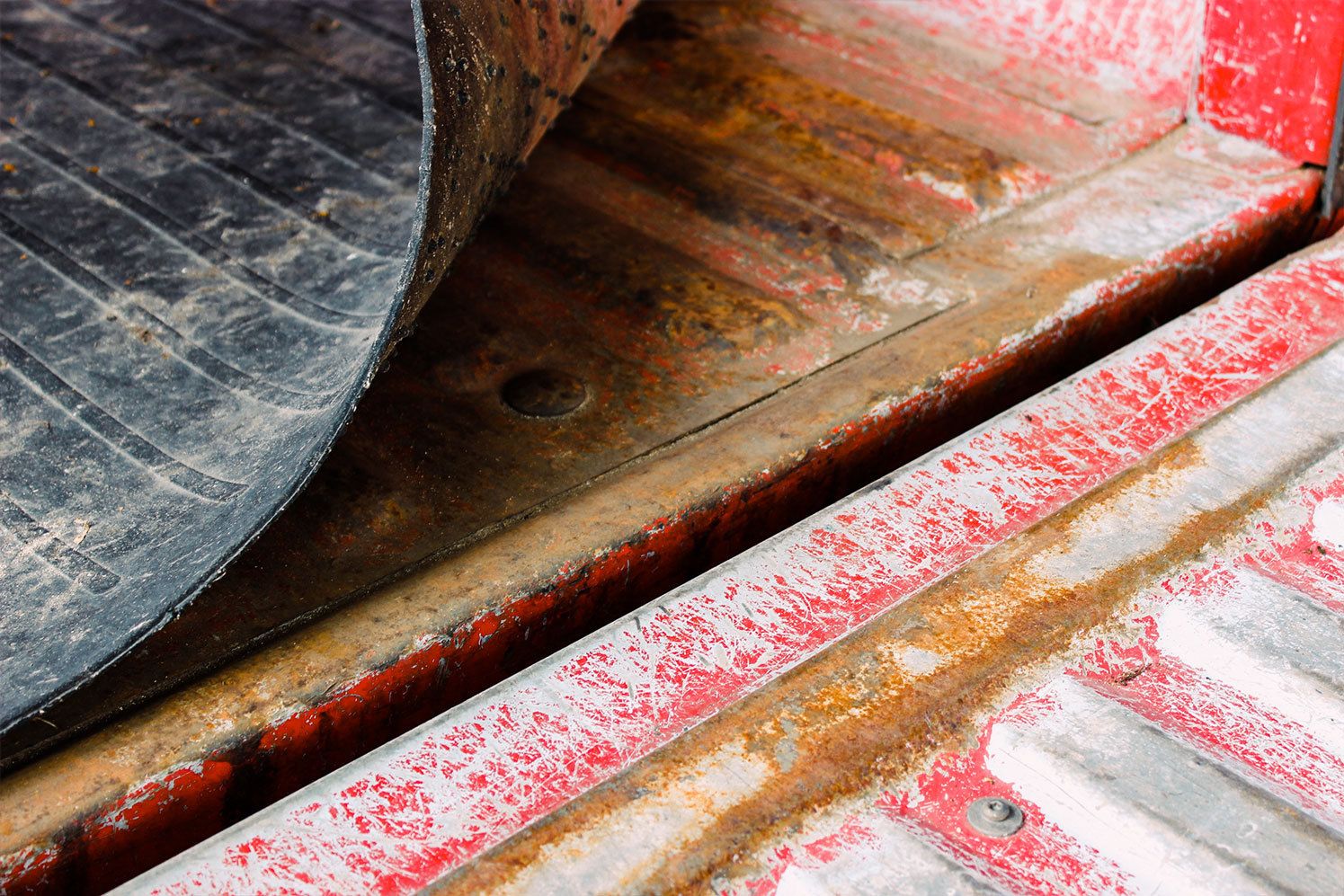
Start by mixing the body filler. Follow the instructions on the can. It’s important to mix it well. The color should be even. No streaks. Use a plastic spreader for this task. Apply the filler to the rust holes. Make sure it’s smooth and even. Let it dry completely. This may take a few hours. Once dry, sand the area. Use fine-grit sandpaper. The surface should be smooth. Wipe away dust with a clean cloth. Now the area is ready for paint. Always use a rust-resistant paint. This will protect the truck bed. Keep your truck looking good.
Credit: www.linex.com
Priming And Painting
Choose a rust-inhibiting primer. This helps to stop rust from spreading. Epoxy primers work well. They bond with metal. Pick a paint made for trucks. Acrylic enamel is a good choice. It is durable. It also looks great.
Clean the truck bed. Remove all dirt and grease. Sand the rusty spots. Use fine-grit sandpaper. Wipe away dust. Apply the primer. Spray or brush it on. Let it dry. Add a second coat if needed. Paint the truck bed. Use even strokes. Let the paint dry. Apply more coats if necessary.
Applying A Bed Liner
Bed liners come in different types. Spray-on liners offer a custom fit. Drop-in liners are easy to install and remove. Bed mats protect the truck bed floor. Roll-on liners are applied like paint. Each type has its own benefits.
Clean the truck bed first. Remove any dirt and rust. Sand the surface to make it smooth. Apply a rust converter if needed. Follow the instructions on the bed liner kit. Allow the liner to dry completely. This process ensures a strong, lasting bond. It helps protect your truck bed from future rust.

Credit: www.youtube.com
Preventing Future Rust
Keep your truck bed clean. Dirt and debris hold moisture. Moisture causes rust. Wash the bed often. Dry it well after washing. Check for scratches or dents. Scratches and dents expose metal. Exposed metal rusts quickly. Fix any damage right away. Use a rust converter on small rust spots. This stops rust from spreading. Wax your truck bed. Wax creates a barrier against moisture. Inspect your truck bed often. Look for new rust or damage.
Use a bed liner. Bed liners protect the metal. Spray-on liners work well. They form a tight seal. This keeps moisture out. Rubber mats are also good. They prevent scratches. Scratches lead to rust. Apply a rust-proof paint. Paint adds a protective layer. Choose high-quality products. Quality products last longer. Reapply coatings as needed. Follow the manufacturer’s instructions. Protective coatings are key. They help keep rust away.
Frequently Asked Questions
How Do You Prevent Truck Bed Rust?
To prevent truck bed rust, regularly clean and inspect the area. Apply a rust-resistant coating and use bed liners or mats to protect the surface.
What Tools Are Needed To Fix Truck Bed Rust?
You will need sandpaper, a wire brush, rust converter, primer, and touch-up paint to fix truck bed rust effectively.
Can You Fix Truck Bed Rust Yourself?
Yes, you can fix truck bed rust yourself with basic tools and materials. Follow a step-by-step guide for best results.
How Long Does It Take To Repair Truck Bed Rust?
Repairing truck bed rust usually takes a few hours. The exact time depends on the severity of the rust damage.
Conclusion
Fixing truck bed rust is essential for vehicle longevity. Act quickly to prevent further damage. Clean the area thoroughly before applying any rust treatment. Choose high-quality rust converters for best results. Paint and seal the treated area to protect it.
Regular maintenance helps avoid future rust issues. Always inspect your truck bed periodically. A rust-free truck bed ensures a longer-lasting vehicle. Follow these steps for a reliable, rust-free truck bed. Your truck will thank you.