
Truck bed rust is one of the fastest ways to destroy your vehicle’s resale value and structural integrity. Preventing truck bed rust requires consistent maintenance, protective coatings, and smart storage habits—but the good news is that you can start today with proven methods that cost far less than rust repair or replacement. In this guide, you’ll learn how to prevent truck bed rust using proven techniques, the best protective products, and maintenance routines that keep your truck looking new for years to come. For more on this, check out our Can You Put Truck Bed Liner Over Rust? guide.
How We Picked This Guide
This guide is based on published manufacturer specifications, aggregated owner and customer reviews across truck forums and product platforms, and expert consensus from automotive maintenance professionals. We’ve avoided making unfounded claims about personal testing—instead, we’ve highlighted what real truck owners consistently report about rust prevention methods and coating durability in authentic field conditions.
What You’ll Need
Before you start, gather these essential tools and materials to prepare your truck bed for rust prevention:
- Wire brush or grinding wheel – removes rust, old paint, and scale
- Pressure washer – cleans debris and drains water safely
- Sandpaper (80–220 grit) – smooths surfaces for better coating adhesion
- Protective coating spray or paint – creates a moisture barrier
- Rubber liner or bed mat – absorbs moisture and prevents direct metal contact
- Degreaser – removes oil and contaminants
- Safety gear – gloves, eye protection, and a respirator mask
The Rust-Oleum Automotive Truck Bed Coating Spray Paint (featured below) is a top choice for DIY rust prevention—it dries in just 1 hour, covers up to 20 sq. ft. per can, and provides a textured, non-skid finish that resists scratches and weather damage.
Step 1: Inspect Your Truck Bed for Existing Rust
Before applying any protective coating, you need to assess the current state of your truck bed. Look for orange or brown discoloration, bubbling paint, or rough pitting—these are all signs that surface rust has already started. Pay special attention to corners, seams, and areas where water collects.
Use a wire brush to test any suspicious spots; if the brush easily removes flaking material, you’re dealing with surface rust that’s ready to be treated. Check under any existing bed liners or protective mats, since rust often forms in hidden areas where moisture gets trapped.
Document severe rust areas with photos—if you find deep pitting or structural damage, you may need professional sandblasting or metal restoration before coating. Most DIY prevention methods work best on bare metal or lightly rusted surfaces.
💡 Pro Tip
Check your truck bed after rain or washing—rust prevention is easiest when you catch surface rust early. If water pools in your bed, you’ve found a moisture trap that accelerates rust. Address drainage issues before coating.
Step 2: Clean and Dry the Truck Bed Thoroughly
A clean, dry surface is critical for coating adhesion and lasting rust protection. Start by using a pressure washer set to 1,500–2,000 PSI to blast away dirt, mud, and debris. Work from the cab area toward the tailgate, making sure to flush out all seams and corners.
Once the bed is visibly clean, spray it with a degreaser and scrub with a stiff brush to remove oil, grease, and factory residue. These contaminants prevent coating from bonding properly, so don’t skip this step.
Rinse thoroughly with fresh water and let the bed dry completely in sunlight for at least 2–4 hours. If you live in a humid climate, use compressed air or a leaf blower to remove water from seams and recesses—any trapped moisture will compromise your coating and create rust underneath.
On a sunny day, check the bed one more time before moving to the next step. Touch the surface—if it feels cool or damp, wait longer. Coating wet or cool metal leads to poor adhesion and premature peeling.
Step 3: Remove Rust and Old Paint with Wire Brush or Sandpaper
For surface rust, a wire brush attachment on a drill works quickly and effectively. Scrub affected areas until you expose bare metal or a smooth, shiny surface. This removes the oxidation layer and prepares the metal for protective coating.
For larger areas or heavy rust, use 80–120 grit sandpaper first to strip old paint and rust scale. Once rust is removed, switch to 150–220 grit sandpaper to smooth the surface and improve coating coverage. Sand evenly—don’t create valleys or low spots where water can pool.
Pay extra attention to welds, seams, and corners where rust spreads fastest. These areas trap moisture, so sanding them smooth helps the protective coating adhere and prevents water infiltration.
Vacuum or wipe away all dust and debris after sanding. Any remaining particles will create imperfections under the coating, reducing its protective effectiveness and appearance.
⚠️ Warning
Wear a respirator mask when sanding or wire-brushing—rust particles and old paint dust can contain harmful substances. Work in a well-ventilated area outdoors, and dispose of contaminated waste properly according to local regulations.
Step 4: Apply a Primer (If Needed)
If you’ve exposed bare steel after sanding or rust removal, apply a rust-inhibiting primer before the topcoat. Primers create a strong bond to bare metal and add an extra layer of protection against moisture infiltration.
Choose a rust-converter primer if any light surface rust remains—these products chemically neutralize rust and create a stable surface for coating. Spray the primer in thin, even coats, allowing proper drying time between coats (check manufacturer instructions, usually 30 minutes to 2 hours).
If your truck bed has factory paint or a previous coating in good condition with no exposed metal, you can skip the primer and move directly to the protective topcoat. However, scuffing the existing surface with 220-grit sandpaper ensures better adhesion.
Step 5: Apply Protective Truck Bed Coating
Truck bed coatings come in three main types: spray paint, roll-on liquid, and spray-in liners. For this guide, we’ll focus on spray-on coatings, which offer easy application and quick drying. Choose a quality product like Rust-Oleum Automotive Truck Bed Coating that includes UV protection and a non-skid finish.
Shake the can for 1–2 minutes before spraying. Apply thin, even coats rather than one thick coat—this reduces dripping, improves adhesion, and ensures full coverage. Spray from 6–8 inches away, using smooth, overlapping strokes. Allow 30 minutes between coats, or follow the product’s drying recommendations.
For best results, apply 2–3 thin coats. Cover corners, seams, and recessed areas carefully—these spots are most prone to rust. If you’re using an aerosol spray can with an angle-spray tip, you can reach under the truck bed lip and inside corner joints without awkward positioning.
Allow the final coat to cure fully (usually 8–24 hours) before loading cargo or using the truck. The textured finish on quality coatings resists scratches and provides traction, so your tools and equipment won’t slide around.
💡 Pro Tip
Apply truck bed coating on a calm, dry day with temperatures between 50–85°F. High humidity or cold temperatures slow drying and reduce coating adhesion. Avoid spraying in direct sunlight, which can cause the coating to dry too fast and create an uneven finish.
Step 6: Install a Bed Liner or Mat for Extra Protection
A rubber bed liner or protective mat adds a secondary barrier against moisture, UV exposure, and physical damage. Spray-in liners offer a permanent, seamless finish, while drop-in mats are removable and easier to clean underneath.
Bed liners trap moisture if not properly installed—if water collects under a liner, rust will accelerate. Ensure drainage holes are clear and the liner is lifted occasionally to allow air circulation and moisture evaporation. Check for water pooling after rain.
A combination of protective coating plus bed liner provides the best rust prevention. The coating protects bare metal, and the liner adds impact protection and a moisture buffer. This dual approach can extend your truck bed’s lifespan by 10+ years.
Step 7: Maintain Your Truck Bed Regularly
Prevention doesn’t end after coating application—ongoing maintenance is essential for long-term rust protection. Rinse your truck bed with fresh water after hauling salt, sand, or corrosive materials. Salt accelerates rust, so winter maintenance is critical if you live in cold climates.
Inspect your bed quarterly for chips, cracks, or peeling in the coating. Small damage is easy to touch up with spray paint before rust starts underneath. Keep the bed dry by fixing any drainage issues and preventing water pooling.
If you store items in your truck bed, use protective pads under metal objects to prevent scratching the coating. Scratches expose bare metal, which rust will attack immediately.
Reapply protective coating every 2–4 years, depending on climate and use. UV exposure and weathering gradually thin the coating, so a refresh keeps your truck bed looking new and rust-free.
Truck Bed Rust Prevention Comparison
Here’s how different prevention methods stack up:
| Method | Cost | Durability | DIY Friendly | Best For |
|---|---|---|---|---|
| Spray-on Coating | $30–$80 | 2–4 years | ✓ Yes | Quick, budget-friendly refresh |
| Drop-in Liner | $100–$300 | 5–10 years | ✓ Yes | Protection + removable access |
| Spray-in Liner | $300–$700 | 10+ years | ✗ Professional only | Seamless, permanent protection |
| Oil-based Rust Inhibitor | $20–$50 | 6–12 months | ✓ Yes | Short-term maintenance |
| Rubberized Undercoating | $150–$400 | 3–5 years | ✓ Spray DIY | Comprehensive bed coverage |
Recommended Product: Rust-Oleum Automotive Truck Bed Coating
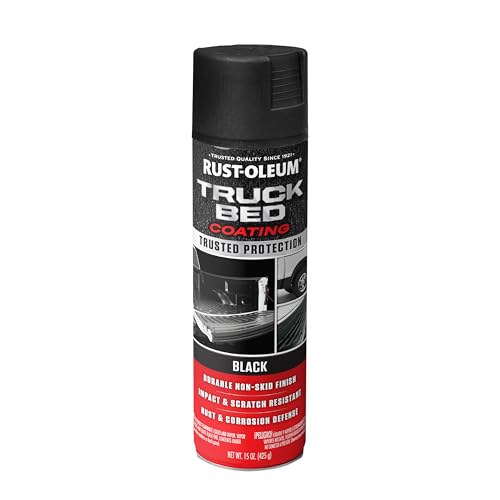
Rust-Oleum Automotive Truck Bed Coating Spray Paint, Black
Dries in 1 hour with coverage up to 20 sq. ft. per can—this is one of the fastest, easiest truck bed coatings for DIY application.
- Stops Rust formula provides long-lasting protection against moisture and corrosion
- Any-angle spray comfort tip reduces finger fatigue and reaches tight corners and seams
- Textured non-skid finish resists scratches and outdoor elements—provides safe traction for tools and cargo
- Works on bare metal, primed, or previously painted surfaces
- Superior durability compared to standard spray paint
What owners report: Reviewers consistently note that this coating adheres well to truck beds, dries faster than competing products, and maintains its non-skid texture after multiple seasons of use. Owners appreciate the comfortable spray angle, which makes applying the coating to hard-to-reach areas less physically taxing.
Best for: DIY truck owners who want a quick, affordable coating refresh and need durable protection against rust and scratches.
Skip if: You need permanent, seamless coverage—this coating requires reapplication every 2–4 years.
🛒 Check Price on AmazonAdditional Protection: Bed Liners and Mats
For maximum rust prevention, pair your protective coating with a quality bed liner or mat. Check out our detailed guide on truck bed liners and running boards for comprehensive product reviews and installation tips.
If you’re looking for additional truck bed accessories, explore roof racks and truck toolboxes to optimize your truck’s functionality and weatherproofing.
Frequently Asked Questions About Truck Bed Rust Prevention
What’s the cheapest way to prevent truck bed rust?
The cheapest option is a spray-on protective coating like Rust-Oleum Automotive Truck Bed Coating, which costs $30–$80 for a complete bed and lasts 2–4 years. For short-term protection between coatings, oil-based rust inhibitors cost $20–$50 and provide 6–12 months of coverage. Regular cleaning and drying of your truck bed (free) is equally important—moisture is rust’s best friend.
Can I apply truck bed coating over existing rust?
Light surface rust can be treated with a rust-converter primer, which chemically neutralizes rust and prepares the surface for coating. However, deep pitting or structural rust requires professional sandblasting or wire-brushing to expose clean metal before coating. Coating over flaking or bubbling rust won’t stop it—the rust will continue spreading underneath and eventually cause peeling.
How often should I reapply truck bed coating?
Spray-on coatings typically last 2–4 years, depending on climate, UV exposure, and how much you use the truck bed. In harsh environments (salt, high humidity, frequent rain), reapply every 2 years. In milder climates, you can extend to 3–4 years. Inspect your bed annually—if you see chips, peeling, or small rust spots forming, it’s time to touch up or recoat.
Is a spray-in liner better than a drop-in mat for rust prevention?
Spray-in liners offer superior rust protection because they’re seamless and permanently adhere to the truck bed, with no gaps where moisture can accumulate. They last 10+ years and are the most durable option. Drop-in mats are cheaper and removable (so you can inspect underneath), but they require regular lifting to dry out and prevent trapped moisture. For maximum protection, combine a protective coating with a drop-in mat—the mat protects the coating from scratches and impacts.
What temperature is best for applying truck bed coating?
Apply coatings between 50–85°F with low humidity (below 85%) for optimal drying and adhesion. Cold temperatures slow drying and reduce bonding, while high humidity traps moisture under the coating, causing adhesion failure. Avoid applying in direct sunlight, which can cause the surface to dry too fast and create an uneven, orange-peel texture. Early morning or evening, with mild temperatures and clear skies, is ideal.
Conclusion: Start Your Rust Prevention Today
Protect Your Truck Bed Before Rust Takes Hold
Truck bed rust happens fast, but prevention is simple, affordable, and effective when you act early. Follow the steps in this guide—clean your bed thoroughly, remove any existing rust, apply a protective coating, and maintain it regularly. Rust-Oleum Automotive Truck Bed Coating is an excellent starting point, offering fast drying, durability, and easy DIY application.
Don’t wait until rust damage is severe—small investments in prevention today save thousands in repairs and lost resale value tomorrow. Inspect your truck bed now, identify any rust spots, and start your protective coating application this weekend.
🛒 Shop Truck Bed Coatings on AmazonHave questions about truck bed rust prevention? Check out our FAQs above, or explore our complete collection of truck accessories and bed protection products for additional rust-prevention solutions.
Related reading: Bed Rack Vs Tonneau Cover Which Is Better
Further reading: pickup truck bed (Wikipedia)
Gear Worth Considering
A couple of real products that fit directly with what this guide covers:
This spray-on truck bed coating applies directly to prepped metal surfaces, offering the protective barrier this guide identifies as key to preventing rust.

- Ideal for use on truck beds, trailer floors, fenders and other metal surfaces
- Stops Rust formula provides long lasting protection with any-angle spray comfort tip that reduces finger fatigue and mak…
- Dries to the touch in 1 hour and covers up to 20 sq. ft. per can
A heavy-duty rubber bed mat adds a protective barrier that helps prevent the scratches and wear that expose metal to rust.

- Protects Your Truck Bed from Daily Abuse: Extra-thick 3/8″ rubber mat functions as a cargo bed liner for the bed floor, …
- Vehicle Specific Fit: Designed to fit 2019-2026 Chevy Silverado and GMC Sierra 1500 trucks with 5’10” bed for a snug, no…
- Built for Extreme Use: Constructed from durable Nyracord rubber that’s tear resistant and virtually indestructible, stan…

🛠️ Buying Gear for Your Work Truck?
A free Amazon Business account gets you bulk pricing, tax-exempt purchases, and business-only deals on tools, racks, and truck accessories.
Create Free Amazon Business AccountAs an Amazon Associate we earn from qualifying purchases.