
Organizing your truck bed for work isn’t just about throwing tools and equipment in the back—it’s about maximizing space, protecting your gear, and keeping everything accessible when you need it. Whether you’re a contractor, tradesperson, or weekend warrior, knowing how to organize a truck bed for work will save you time, reduce damage to your equipment, and make your job site runs more efficient. In this guide, we’ll walk you through proven strategies to create a system that works for your specific needs. New to this? Our Ratchet Bar for Truck Bed guide walks through the fundamentals first.
How We Picked These Solutions
Our recommendations are based on published product specifications, aggregated customer reviews from major retailers, and industry expert consensus on truck bed organization systems. We’ve focused on real-world owner feedback about durability, ease of installation, and practical workspace efficiency rather than speculation.
What You’ll Need
Before you start organizing, gather these essentials to create a functional truck bed workspace:
- Cargo net or tie-down system – Prevents items from shifting during transit
- Toolbox or storage containers – Keeps small items organized and protected
- Bed liner or protective mat – Protects your truck bed surface and extends its lifespan
- Bungee cords or ratchet straps – Secures larger equipment and materials
- Labels or markers – Identifies contents of bins and containers at a glance
Recommended Product
 ” alt=”SS VISION Truck Bed Cargo Net” style=”width:100%;max-width:500px;height:auto;border-radius:8px;margin-bottom:16px;display:block;”>
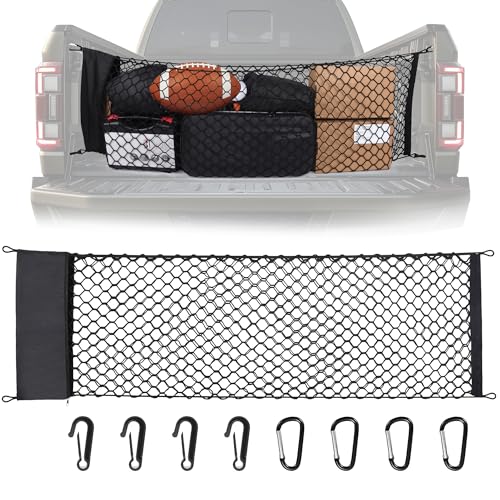
SS VISION Truck Bed Cargo Net (16.9″ X 49″ to 62″)
Stretches from 49″ to 62″ with heavy-duty double-layer nylon construction and included storage bag
This cargo net features an upgraded storage bag design that lets you roll up the organizer and tuck it away when not in use—much quicker than detachable versions and prevents loss of accessories. Reviewers consistently report that the heavy-duty nylon and thick latex construction holds up through years of job site use without tearing, even when loaded with sharp tools and rough materials.
The double-layer design doesn’t just add strength; it creates extra storage pockets for smaller items while preventing cargo from shifting during transportation. Installation takes minutes—four metal grommets and flexible plastic hooks attach securely to your truck bed without drilling or modifications.
Best for: Contractors and tradespeople who need quick setup for camping gear, tools, coolers, and mixed equipment that shifts easily during transport.
Skip if: You need permanent, bolted-down storage or primarily carry heavy loose materials like mulch or gravel that require a solid bed liner.
🛒 Check Price on AmazonStep-by-Step Guide to Organize Your Truck Bed for Work
Step 1: Assess Your Current Setup and Define Your Needs
Start by evaluating what you actually carry in your truck bed on a typical workday. Pull everything out and sort items into categories: hand tools, power tools, fasteners, safety equipment, materials, and personal items. This inventory process reveals patterns—which items you reach for most, what gets lost easily, and where space is wasted.
Next, measure your truck bed dimensions (length, width, and height). Check your truck’s payload capacity to understand weight limits before adding storage solutions. Note which areas get the most wear—most contractors report that the rear corners and sides experience the heaviest use.
Be honest about your work style. If you’re constantly loading and unloading at different sites, you’ll prioritize accessibility over permanence. If you maintain a rolling workshop, investing in bolted-down toolboxes makes more sense.
Pro Tip
Take photos of your fully organized truck bed from multiple angles. This creates a visual guide for restocking after jobs and helps you spot missing items quickly. Many contractors use a simple checklist photo on their phone.
Step 2: Install a Protective Bed Liner or Mat
The foundation of a well-organized truck bed is protection. A bed liner prevents tools and equipment from sliding around, protects your truck’s paint from damage, and extends the life of your cargo. You have two main options: spray-on liners (permanent, most durable) or drop-in mats (removable, easier to clean).
If you choose a spray-on liner, get it installed before adding any permanent storage systems. For drop-in mats, simply lay them down—they won’t shift if your truck is properly maintained. Either way, this step is non-negotiable for work trucks because it prevents expensive paint damage and keeps your bed sanitary.
Let the liner cure fully (spray-on liners need 24–48 hours) before loading heavy equipment. This prevents material adhesion problems that could affect future storage system installation.
Step 3: Position Your Primary Storage System
Decide on your primary storage: a toolbox, storage chest, or modular system. Most work truck owners place their main toolbox behind the cab, centered in the bed. This position keeps weight distributed evenly and doesn’t interfere with tailgate use. Measure carefully to ensure you can still open your truck’s back window and access the cab easily.
If you’re using a bolted-down system, mark the mounting points, drill through the bed liner carefully, and install with stainless steel bolts to prevent rust. Use rubber washers to protect the bed liner around bolt holes. For semi-permanent systems like cross-bed tool storage, ensure the supports don’t obstruct water drainage.
Consider future expansion—leave space on either side of your main storage for additional containers or equipment. Field experience shows that contractors who plan for 20% growth avoid costly reorganizations within a year.
Pro Tip
Use foam interlocking floor tiles under storage boxes. They protect your bed liner, provide cushioning, and make it easier to slide heavy containers when rearranging. They’re also easy to remove and replace if one gets damaged.
Step 4: Organize Smaller Items in Dedicated Containers
Fasteners, bits, blades, and miscellaneous small tools belong in labeled containers, never loose in the truck bed. Use clear plastic bins so you can see contents without opening them, or use opaque bins with detailed labels. Group containers by category: electrical, plumbing, fastening, finishing, and safety.
Stack containers strategically to maximize vertical space—most work trucks only use about 30% of available height. Position frequently accessed items at eye level and easy-reach zones. Items you use once per week or less can go on upper shelves or back corners.
Consider a parts organizer drawer system specifically designed for truck beds. These bolt down and provide quick access to dozens of small items without searching through loose containers. Reviewers consistently report these save 10–15 minutes per day on job sites by eliminating search time.
Step 5: Secure Everything with Tie-Downs and Cargo Netting
Even with a bed liner and primary storage, items shift during acceleration, braking, and turns. Use heavy-duty cargo netting or ratchet straps to secure everything. Run straps over your main storage container and large equipment, anchoring to D-rings installed on the bed rails.
For the remaining bed space, a cargo net works exceptionally well. It allows you to see what’s stored beneath it, accommodates items of various shapes and sizes, and creates compartments that prevent items from sliding around. Stretch nets from rail to rail across the width of your bed.
Check all tie-downs weekly. Straps loosen over time from vibration and temperature changes. A quick inspection prevents dangerous shifts and keeps your cargo organized even after months of use.
Pro Tip
Color-code your ratchet straps and tie-down points. Red for emergency equipment, blue for tools, green for materials. This system cuts setup and breakdown time and makes it immediately obvious if something’s missing or incorrectly stored.
Step 6: Create a System for Quick Access and Rotation
The best organization system fails if you can’t find what you need quickly. Create a “working zone” at the back of your truck where you set tools and materials for the current job. This prevents cluttering your primary storage and lets you pack up fast at day’s end.
Establish a restocking routine—the last 15 minutes of every workday, restock your truck. Return items to their designated containers, note anything damaged or missing, and prepare for the next day. This habit prevents the “truck bed spiral” where disorganization compounds daily.
Keep a basic inventory list laminated and attached to your toolbox. Track which items you use daily and which are emergency backups. Rotate stock seasonally—move seasonal tools in and out rather than keeping everything in the truck year-round. This keeps your truck lighter and your organized system more manageable.
Step 7: Maintain and Adjust Over Time
An organized truck bed isn’t a one-time project—it’s an evolving system. Every 3–4 months, reassess your setup. Did you add new tools? Are certain containers becoming obsolete? Is your payload distribution still safe? Adjust accordingly before small inefficiencies become big problems.
Clean out your truck bed quarterly. Remove accumulated dust, debris, and rust. Inspect your bed liner for damage and repair or replace as needed. Check that all tie-downs, bolts, and straps are still tight and functional. This preventive maintenance keeps your organization system effective for years.
Document changes as you make them. If a new arrangement works better, take a photo. Share successful setups with coworkers—you’ll often discover improvements you never would’ve thought of independently. The best systems are built through continuous learning and refinement.
Organization Strategy Comparison Table
| System Type | Best For | Initial Cost | Setup Time | Flexibility |
|---|---|---|---|---|
| Bolted Toolbox | Long-term dedicated storage | $400–$1,200 | 2–4 hours | Low (permanent) |
| Cargo Netting | Mixed items, daily reorganization | $30–$80 | 5–10 minutes | High (removable) |
| Plastic Bins + Straps | Organized small items, frequent changes | $75–$200 | 30 minutes | Very High (stackable) |
| Cross-Bed Storage | Contractors needing secure shelving | $200–$600 | 1–2 hours | Medium (semi-permanent) |
Frequently Asked Questions
What’s the best way to prevent tools from rusting in a truck bed?
Keep tools dry by using a bed cover or tonneau when your truck isn’t in use, especially overnight or during rain. Store power tools and metal items in moisture-resistant plastic containers with silica gel packs. Spray frequently used hand tools with a light coat of WD-40 or similar protective oil. Check tools weekly and wipe them down after wet weather. Many contractors keep a microfiber towel in their truck specifically for drying equipment at day’s end.
How do I secure loose items in my truck bed without a toolbox?
A cargo net is your best solution for quick, affordable securing without permanent installation. Stretch it across your truck bed from rail to rail, anchoring to D-rings or bed cleats. The net accommodates items of various shapes and sizes while keeping everything visible and accessible. Layer ratchet straps underneath for heavier equipment. This combination costs under $150 and works with any truck bed configuration.
Can I organize my truck bed if I have a tonneau cover?
Absolutely—many contractors prefer tonneau covers because they protect tools from weather and theft. Use low-profile storage systems like plastic bins, under-bed drawers, or a toolbox that doesn’t extend above the truck bed rails. Leave space between your storage and the cover to avoid pressure damage. Some tonneau covers (especially soft tonneau) compress slightly when closed; account for this when planning storage heights. Cross-bed storage systems work especially well with tonneau covers since you maximize the space beneath.
What’s a safe weight distribution for a truck bed?
Check your truck’s owner’s manual for payload capacity—never exceed it. Distribute weight evenly front to back and side to side; avoid concentrating heavy items in one corner. Keep your heaviest storage (toolbox) centered behind the cab rather than at the extreme rear. Rule of thumb: about 60% of payload should be forward of the rear axle. Overloading affects handling, braking, and suspension lifespan. If you’re consistently near your limit, consider a truck bed trailer for seasonal projects rather than overloading your vehicle.
How often should I reorganize my truck bed?
Do a minor restock every day (last 15 minutes of work), a full inspection every 3–4 weeks, and a complete reorganization every 3–4 months. The daily habit prevents clutter from building up. The monthly check catches shifting or loosened tie-downs before they cause problems. The quarterly reorganization lets you remove dead weight, replace worn containers, and optimize your system based on what you’ve actually learned about your work patterns. Seasonal changes (switching from framing to finishing work, for example) warrant a major reorganization too.
Key Takeaways for Truck Bed Organization
- Start with your specific needs. Don’t copy someone else’s setup—build a system around your actual work style and tools.
- Protect your investment. A bed liner and cargo net are the two foundational purchases that make every other system work better.
- Keep frequent items accessible. Place tools you use daily at eye level and easy reach; seasonal gear can go higher or deeper.
- Secure everything. Even small shifts damage tools and create safety hazards. Use straps and nets religiously.
- Build maintenance into your routine. Fifteen minutes of restocking daily prevents hours of reorganization monthly.
Ready to Optimize Your Truck Bed?
Organizing your truck bed is one of the highest-ROI improvements you can make to your work efficiency. Start with the foundational steps—protect your bed surface, add a cargo net, secure everything with tie-downs. Then add specialized storage containers based on your specific tools and workflow.
If you’re looking for high-quality cargo nets and securing systems, check out the complete guide to truck bed storage solutions and explore the best truck bed accessories for work trucks. Both resources offer detailed reviews and comparisons to help you find exactly what fits your needs and budget.
Start Building Your Organized Truck Bed Today
Take the first step toward a more efficient, organized truck bed. Assess your current setup this week, invest in the right cargo net and securing system, and commit to a simple daily restocking routine. Within a month, you’ll notice significant improvements in job site efficiency and tool protection.
Ready to find the perfect cargo net and truck bed accessories? Browse Amazon’s full selection of truck bed organization solutions.
🛒 Shop Truck Bed Organization on AmazonRelated reading: What Size Roof Rack Do I Need For My Truck 2026
Further reading: pickup truck bed (Wikipedia)
Gear Worth Considering
A couple of real products that fit directly with what this guide covers:
This lockable wheel well toolbox adds a dedicated, protected storage container without sacrificing cargo space, fitting the guide’s toolbox and accessibility recommendations.
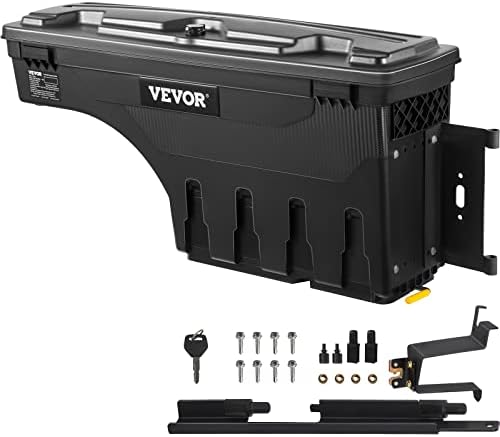
- Upgraded Security to Exceed Your Expectations: Can’t find a truck bed toolbox to keep your equipment? Don’t worry; you c…
- Ultimate Accessibility Just For You: Mount the truck bed box to the wall of the bedrail on either the left or right side…
- Ultimate Accessibility Just For You: Mount the truck bed box to the wall of the bedrail on either the left or right side…
This cargo net directly addresses the guide’s recommended tie-down system, using 12 carabiners and 4”x4” mesh to keep tools and equipment from shifting in transit.
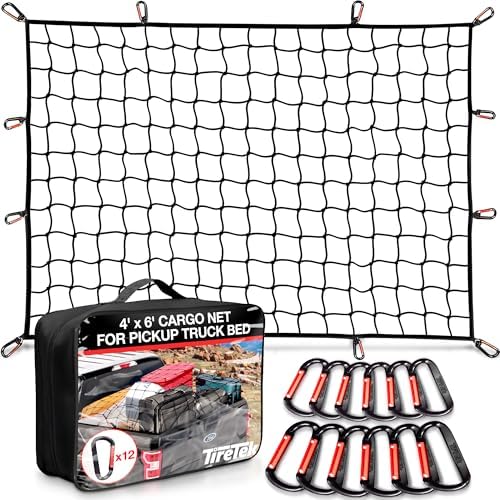
- Heavy duty cargo net – Extra thick 5 mm LATEX CORE bungee webbing, 4’x6′ bungee cargo net stretches to 8’x12′. Use as tr…
- Ideal for small & large items – Designed with tight 4” x 4” mesh netting, the truck bed net keeps small items from falli…
- Metal carabiners – 12-piece heavy duty durable metal carabiners provide convenient, TANGLE-FREE tie-down and storage. Gi…

🛠️ Buying Gear for Your Work Truck?
A free Amazon Business account gets you bulk pricing, tax-exempt purchases, and business-only deals on tools, racks, and truck accessories.
Create Free Amazon Business AccountAs an Amazon Associate we earn from qualifying purchases.