
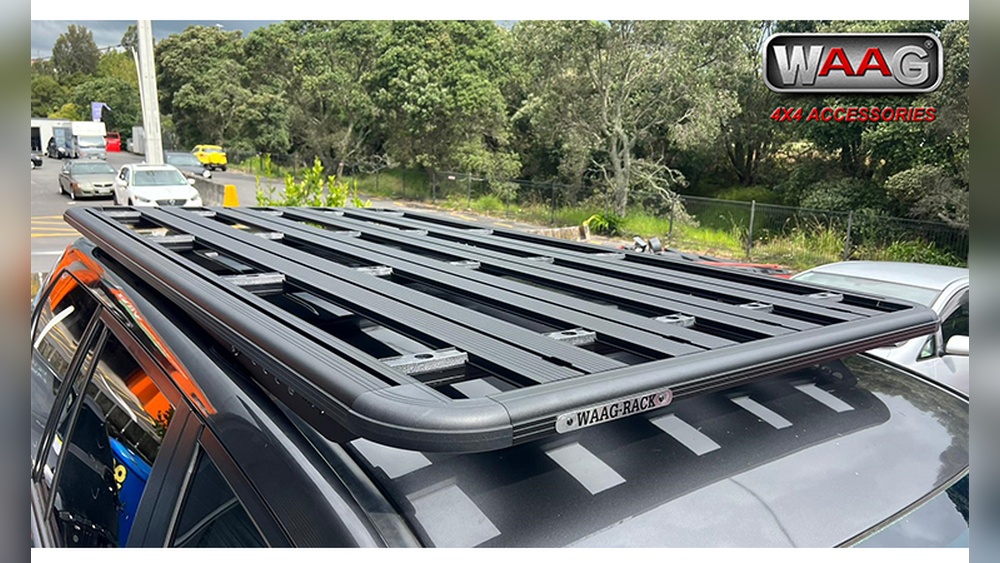
You rely on your roof rack to carry your gear safely and securely. But have you ever stopped to think about how well you’re maintaining it?
A poorly cared-for roof rack can lead to damage, lost items, or even costly repairs. Keeping your roof rack in top shape doesn’t have to be complicated or time-consuming. You’ll discover simple, effective tips to protect your investment and ensure your adventures stay hassle-free.
Ready to learn how to make your roof rack last longer and work better every time? Let’s dive in.
Choosing The Right Roof Rack
Choosing the right roof rack is important for safe and easy use. The correct rack fits your needs and vehicle perfectly. It must hold your gear without causing damage. Consider the material, weight capacity, and vehicle compatibility. These factors ensure a good match for your roof rack.
Materials And Durability
Roof racks come in different materials like aluminum, steel, and plastic. Aluminum is light and resists rust well. Steel is strong but heavier and may rust. Plastic parts are usually for trim or covers. Choose a material that lasts and suits your needs. Durable racks save money over time.
Weight Capacity Considerations
Every roof rack has a weight limit. This limit is the maximum load it can hold safely. Know your gear’s weight before buying a rack. Do not exceed the rack’s weight capacity. Overloading can damage your vehicle and cause accidents. Choose a rack with a capacity higher than your gear weight.
Compatibility With Your Vehicle
Not all racks fit every vehicle. Check your vehicle’s roof type and size first. Some cars need specific mounting systems or fit kits. Crossbars and rails must match the width and shape of your roof. A compatible rack installs easily and stays secure. This prevents damage and improves safety on the road.

Credit: www.familyhandyman.com
Regular Cleaning Techniques
Regular cleaning keeps your roof rack in good shape. Dirt and grime build up quickly. This can damage the rack over time. Clean the rack often to avoid problems. Simple steps make cleaning easy and effective.
Removing Dirt And Debris
Start by brushing off loose dirt and leaves. Use a soft brush or cloth. Avoid scratching the rack’s surface. For stubborn dirt, use water to rinse it off. Clear out any debris stuck in corners or joints. This helps maintain the rack’s function and look.
Safe Cleaning Products
Choose gentle cleaners safe for metal and plastic. Mild soap mixed with water works well. Avoid harsh chemicals that can damage the finish. Test cleaners on a small area first. Use a soft sponge or cloth to apply the cleaner. This prevents scratches and keeps the surface smooth.
Drying And Preventing Rust
Dry the rack completely after washing. Use a clean towel or cloth to wipe it down. Leaving water can cause rust spots. Check metal parts for signs of rust regularly. Apply a thin layer of oil or protectant on metal areas. This helps stop rust and extends the rack’s life.
Inspecting For Damage
Inspecting your roof rack for damage is a key step in keeping it safe and strong. This check helps find problems early. Fixing small issues stops bigger troubles later. Regular inspections protect your gear and your vehicle. Spend time looking carefully at all parts of the rack.
Checking For Corrosion
Look closely for rust or corrosion on metal parts. Rust weakens the roof rack and can cause breaks. Pay special attention to joints and bolts. Clean off any dirt to see the metal clearly. Use a soft brush and mild soap to remove grime. If you spot rust, treat it quickly with rust remover or paint.
Identifying Loose Or Missing Parts
Check all nuts, bolts, and screws for tightness. Loose parts can make the rack unstable and unsafe. Tighten any that move or wobble. Make sure no bolts or screws are missing. Missing parts reduce strength and can cause accidents. Replace any lost pieces with the right size and type.
Assessing Structural Integrity
Look at the frame for cracks, bends, or damage. A bent frame does not hold weight well. Small cracks can grow and cause failure. Press gently on different areas to check for weakness. Listen for strange sounds like creaks or snaps. If the structure feels weak, get a professional to check it.
Lubrication And Moving Parts
Maintaining a roof rack’s moving parts is essential for smooth operation. Lubrication helps prevent rust and wear. It keeps locks, hinges, and joints working well. Proper care extends the life of your roof rack and avoids costly repairs.
Types Of Lubricants To Use
Choose lubricants that resist water and dirt. Silicone spray works well on plastic and metal parts. White lithium grease offers long-lasting protection for metal joints. Avoid oils that attract dust, like motor oil. Use products designed for outdoor gear to ensure durability.
Maintaining Locks And Hinges
Clean locks and hinges before applying lubricant. Remove dirt and old grease with a cloth or brush. Apply lubricant sparingly to avoid buildup. Test locks and hinges after lubrication to check smooth movement. Proper care prevents sticking and rust formation.
Frequency Of Lubrication
Lubricate moving parts every three to six months. Increase frequency if you use the roof rack in wet or salty conditions. Regular checks help spot problems early. Consistent care keeps your roof rack reliable and easy to use.
Proper Loading And Unloading
Proper loading and unloading of a roof rack is essential for safety and roof rack longevity. It helps keep the vehicle stable and prevents damage to the rack and cargo. Careful handling also saves time and effort during trips.
Distributing Weight Evenly
Place heavy items in the center of the roof rack. Balance the weight on both sides to avoid tilting. Even distribution prevents stress on the rack and vehicle roof. It also helps maintain control while driving.
Securing Loads Safely
Use straps or ropes to tie down all items tightly. Check knots and fasteners before driving. Ensure nothing can shift or fall off during travel. Proper securing protects your cargo and other road users.
Avoiding Overloading Risks
Know the roof rack’s maximum weight limit. Do not exceed this limit under any circumstances. Overloading can damage the rack and the vehicle. It also increases the risk of accidents and fines.

Credit: www.thule.com
Storage Tips When Not In Use
Proper storage of your roof rack keeps it in good shape and ready for use. Storing it correctly prevents damage and rust. It also helps avoid wasting money on repairs or replacements. Follow these tips for the best storage practices.
Removing The Rack Safely
Start by loosening the fasteners carefully. Use the right tools to avoid scratching the rack or car. Keep all screws and bolts in a small container. This step prevents losing any parts during storage. Handle the rack gently to avoid bending or warping it.
Storing In A Dry Environment
Choose a dry place away from moisture. Moisture causes rust and weakens metal parts. A garage or shed works well for storing racks. Avoid leaving the rack outside during rainy or snowy seasons. Keep it off the ground to avoid dampness from below.
Covering And Protecting The Rack
Use a breathable cover to protect the rack from dust. Avoid plastic covers that trap moisture inside. A cloth cover or old blanket works great. Clean the rack before covering to prevent dirt buildup. Check the cover regularly and replace if damaged.
Seasonal Maintenance
Seasonal maintenance keeps your roof rack safe and ready all year. Different seasons bring unique challenges. Regular care helps avoid damage and extends the rack’s life.
Preparing For Winter Conditions
Clear snow and ice from the roof rack often. Use gentle tools to avoid scratches. Check for rust spots and treat them quickly. Apply a protective spray to metal parts. Tighten all bolts and fasteners. Cold weather can loosen them.
Handling Exposure To Sun And Salt
Sun can fade and weaken materials over time. Clean the rack with mild soap and water. Avoid harsh chemicals that harm finishes. Salt from roads causes corrosion. Rinse the rack after trips near the ocean or salted roads. Dry the rack completely to stop rust.
Routine Checks After Long Trips
Inspect the roof rack after each long drive. Look for loose parts or cracks. Tighten any loose screws and bolts. Clean dirt and debris from joints and locks. Check straps and attachments for wear. Replace damaged parts to keep gear secure.
When To Seek Professional Help
Knowing when to seek professional help is key to keeping your roof rack safe and functional. Some problems need expert eyes and tools. Ignoring serious damage can lead to bigger issues. Safety matters most when you carry heavy loads on your roof rack.
Signs Of Serious Damage
Look for cracks in the metal or plastic parts. Bent or twisted bars can weaken the rack. Loose bolts or missing screws are warning signs. Rust that spreads quickly needs attention. Strange noises during driving may show hidden damage.
Professional Inspection Services
Experts check your roof rack carefully for hidden problems. They use special tools to test strength and stability. Professionals spot issues you might miss. Regular inspections can extend your roof rack’s life. They also give advice on proper maintenance.
Repair Vs Replacement Decisions
Small cracks or loose parts may be repairable. Deep rust or major bends often need replacement. Professionals help decide what is safer and cheaper. Repair costs can add up if damage is severe. Sometimes, a new roof rack is the best choice.

Credit: gobiracks.com
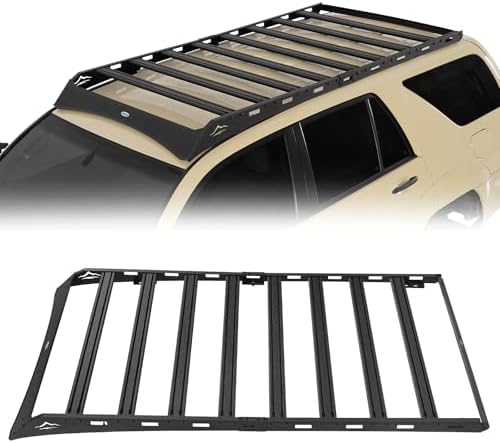
- 【Application】- Full-length overland aluminum roof rack compatible with 2003-2009 Toyota 4Runner 4th gen models. Also wor…
- 【High Weight Capacity】- When the cargo is evenly distributed, the rack can support up to 500 lbs load capacity—ideal for…
- 【Sleek, Aerodynamic Design】- The roof rack features a front wind deflector that enhances aerodynamics and reduces wind n…
Frequently Asked Questions
How Often Should I Clean My Roof Rack?
You should clean your roof rack every few months. Regular cleaning removes dirt, debris, and prevents rust. Use mild soap and water, avoiding harsh chemicals. This keeps the rack functional and extends its lifespan.
What Tools Are Needed For Roof Rack Maintenance?
Basic tools include a soft cloth, mild soap, water, and a lubricant. You may also need a wrench to tighten bolts. These tools help keep your roof rack secure and in good condition.
How Do I Prevent Rust On My Roof Rack?
Prevent rust by regularly cleaning and drying the rack. Apply a rust-resistant spray or lubricant to metal parts. Inspect for scratches or damage and treat them promptly to avoid corrosion.
When Should I Check Roof Rack Bolts And Screws?
Check bolts and screws every 3 to 6 months or before long trips. Tighten any loose parts to ensure safety. Regular checks prevent damage and improve load security.
Conclusion
Maintaining a roof rack keeps it strong and safe for use. Clean it often to stop dirt and rust build-up. Check bolts and straps to ensure they stay tight. Fix small damages quickly to avoid bigger problems. Store the rack in a dry place when not in use.
These simple steps save money and extend the rack’s life. Enjoy stress-free trips with a well-kept roof rack every time.
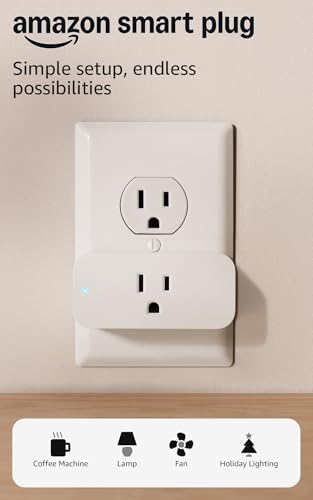
- Amazon Smart Plug works with Alexa to add voice control to any outlet.
- Simple to set up and use—plug in, open the Alexa app, and get started in minutes.
- Compatible with many lamps, fans, coffee makers, and other household devices with a physical on/off switch.
- This item contains two Amazon Smart Plugs.
- Amazon Smart Plug works with Alexa to add voice control to any outlet.
- Simple to set up and use—plug in, open the Alexa app, and get started in minutes.

- WHAT’S IN THE BOX – Includes one smart plug; Turns any light, even one in which you can’t place a Hue bulb—into a smart …
- UNLOCK THE FULL POWER OF HUE – Add a Hue Bridge to enjoy automations, control from anywhere in the world, and a secure, …
- INCONSPICUOUS, COMPACT DESIGN – Small, white, and with a subtle design, the Philips Hue Smart Plug was designed to blend…