
Ford Ranger Truck Bed Size: Get the Right Fit for Your Gear!
Choosing the right Ford Ranger truck bed size is key to hauling your gear. With different options available depending on the Ranger model year and cab configuration, it’s easy to get confused. This guide breaks down the Ford Ranger truck bed sizes, helping you pick the perfect one for work, play, or anything in between. We’ll cover everything you need to know to make smart hauling choices.
Understanding Ford Ranger Truck Bed Sizes
The Ford Ranger, a versatile mid-size pickup truck, has a long history of offering practical hauling solutions. A significant part of that practicality comes down to the different truck bed sizes available. These sizes directly impact what you can carry, how you can arrange it, and the overall utility of your Ranger. Whether you’re a weekend warrior hauling camping equipment, a contractor moving materials, or just need space for everyday items, knowing your Ranger’s bed dimensions is crucial.
Ford has offered the Ranger in various configurations over the years, and with each generation, there have been slight variations in bed lengths. However, generally, the Ford Ranger truck bed size discussions revolve around two primary lengths: a shorter bed and a longer bed. These are typically associated with different SuperCab and SuperCrew cab configurations. Understanding which cab you have is your first step in identifying the correct bed size.
Why Truck Bed Size Matters
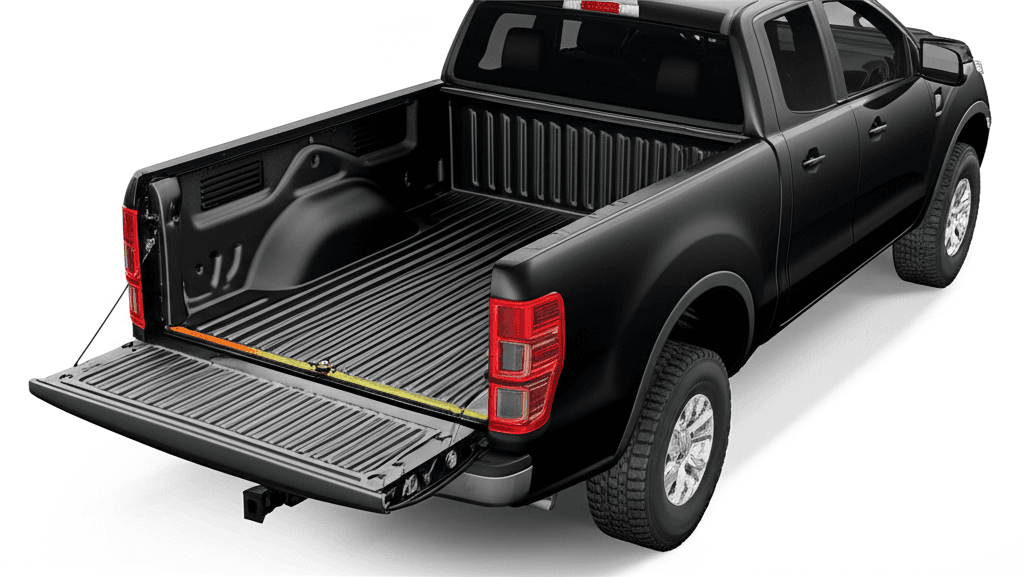
Your Ford Ranger’s truck bed is its workhorse. The size of this bed dictates its capability. A larger bed means you can fit more items, longer items, or bulky items with greater ease. For example, if you plan on carrying a dirt bike, a longer bed is essential. If you frequently haul lumber or large appliances, width and depth also become important factors, though standard dimensions often apply.
Beyond just fitting your cargo, the bed size also affects the truck’s overall footprint and maneuverability. A longer bed generally means a longer wheelbase, which can impact how easily your Ranger navigates tight city streets or parking lots. Conversely, a shorter bed offers better agility but less cargo capacity. It’s a trade-off that every Ranger owner eventually considers.
Ford Ranger Bed Dimensions by Generation
To give you the most accurate information, let’s look at the bed sizes offered across different Ford Ranger generations.
First Generation Ford Ranger (1983-1997)
The original Ford Ranger was a compact pickup truck that offered robust utility for its size. During this era, Ford offered two main bed lengths:
- Short Bed: Often referred to as the “Standard Bed.”
- Long Bed: Providing extra length for larger payloads.
The exact dimensions could vary slightly within this generation, but the core concept remained: a shorter, more maneuverable option and a longer, more cargo-capable option.
Second Generation Ford Ranger (1998-2012)
This generation saw a significant redesign, becoming a more modern and capable mid-size truck. The bed options continued to be a defining feature:
- Short Bed: Ideal for general use and easier parking.
- Long Bed: A popular choice for those needing more space for equipment and supplies.
This generation cemented the Ranger’s reputation for flexibility in its bed configurations, catering to a wider range of needs.
Third Generation Ford Ranger (2019-Present)
After a hiatus, the Ford Ranger returned to the North American market with a completely new platform, bringing updated technology and capabilities. The bed sizes were streamlined for this modern iteration:
- Short Bed: Typically paired with the SuperCrew (4-door) cab.
- Long Bed: Typically paired with the SuperCab (2-door) cab.
Understanding these general generational trends is helpful, but for the current generation, knowing the specific cab configuration is even more important.
Ford Ranger Truck Bed Size Options (2019-Present)
For the current generation of the Ford Ranger (2019 and newer), the truck bed sizes are directly linked to the cab style. Ford offers two cab configurations:
- SuperCab: This is Ford’s term for a smaller, two-door cabin. It usually comes with a longer bed to balance out the shorter cabin.
- SuperCrew: This is Ford’s term for a larger, four-door cabin. It generally comes with a shorter bed to maintain a more manageable overall vehicle length.
Let’s break down the specific dimensions for these popular configurations.
Ford Ranger 5-foot Box (Short Bed)
The 5-foot box is the shorter of the two primary bed options for the current generation Ford Ranger. This bed is designed to fit the SuperCrew (four-door) models, offering a good balance between passenger space and cargo utility.
Key Dimensions:
- Length: Approximately 61.0 inches (155.0 cm)
- Width (at wheel wells): Approximately 41.5 inches (105.4 cm)
- Width (at widest point): Approximately 50.0 inches (127.0 cm)
- Depth: Approximately 21.4 inches (54.3 cm)
What fits? This bed length is excellent for hauling items like bicycles (often with their front wheels removed), smaller ATVs, landscaping equipment, and general tools. It also accommodates most standard-sized coolers and camping gear. While it’s shorter, its width at the wheel wells still allows many items, like a standard sheet of plywood (if angled correctly or with the tailgate down), to fit.
Ford Ranger 6-foot Box (Long Bed)
The 6-foot box, often referred to as the “Long Bed,” is paired with the SuperCab (two-door) Ranger models. This configuration provides significantly more cargo space, making it a favorite for contractors, off-road enthusiasts, and anyone who regularly hauls larger or longer items.
Key Dimensions:
- Length: Approximately 72.8 inches (185.0 cm)
- Width (at wheel wells): Approximately 41.5 inches (105.4 cm)
- Width (at widest point): Approximately 50.0 inches (127.0 cm)
- Depth: Approximately 21.4 inches (54.3 cm)
What fits? The extra 11.8 inches of length compared to the 5-foot bed makes a big difference. You can comfortably fit motorcycles, dirt bikes, longer lumber, kayaks, and camping setups with ease. This bed is also ideal for larger home improvement projects, making trips to the lumber yard or hardware store more efficient.
Visualizing Your Cargo Space
Sometimes, numbers on a spec sheet don’t fully convey how much space you have. Here’s a way to think about it:
Imagine you’re loading bikes. With the 5-foot bed, you might need to turn one bike’s handlebars to fit two comfortably. With the 6-foot bed, fitting multiple bikes, even with their front wheels on, becomes much simpler, allowing you to get out and ride sooner.
For larger items, consider this: A standard 4×8-foot sheet of plywood or drywall will technically fit inside the 6-foot bed with the tailgate down. It will also fit in the 5-foot bed with the tailgate down, but it will extend quite a bit further. Always ensure long items that extend beyond the tailgate are properly secured and flagged with a red cloth or light at night, as per Department of Transportation guidelines for safe transport.
Table: Ford Ranger Bed Size Comparison
Here’s a handy comparison table for the current generation Ford Ranger truck bed sizes:
| Bed Size | Associated Cab | Approximate Length | Approximate Width Between Wheel Wells | Approximate Depth |
|---|---|---|---|---|
| 5-foot Box (Short Bed) | SuperCrew (4-door) | 61.0 inches (155.0 cm) | 41.5 inches (105.4 cm) | 21.4 inches (54.3 cm) |
| 6-foot Box (Long Bed) | SuperCab (2-door) | 72.8 inches (185.0 cm) | 41.5 inches (105.4 cm) | 21.4 inches (54.3 cm) |
As you can see, the primary difference is the length, giving you over a foot more usable cargo space with the 6-foot bed option.
Choosing the Right Bed Size for Your Needs
The decision between the 5-foot and 6-foot bed largely depends on your primary use for the Ranger. Let’s consider some common scenarios:
For the Weekend Warrior and Family Hauler
If your Ranger will be used for camping trips, hauling sports equipment like kayaks or bikes, or managing family errands and shopping, the 5-foot bed is often perfectly adequate. It offers enough space for most recreational gear and daily necessities. The shorter bed also contributes to a slightly shorter overall vehicle length, which can make it easier to park and maneuver in urban environments.
Pros of the 5-foot Bed for this user:
- Easier to park and maneuver.
- Better fuel economy in some cases due to lighter weight and less aerodynamic resistance.
- Still capable of hauling bikes, camping gear, and groceries.
For the Contractor and Outdoor Enthusiast
If your work or hobbies demand more space, the 6-foot bed is the clear winner. Contractors can fit more building materials, tools, and equipment. Outdoor enthusiasts can more easily transport dirt bikes, ATVs, longer lumber, or even the components for a DIY project that requires bulky materials. The extra length minimizes the need to leave the tailgate down for many common items.
Pros of the 6-foot Bed for this user:
- Significantly more cargo space for large or long items.
- Accommodates motorcycles, ATVs, and longer equipment with ease.
- Reduces the need for tailgating loads.
- Ideal for hauling materials for DIY projects and professional work.
Considerations for Accessories
No matter which bed size you choose, there’s a world of accessories to enhance your Ranger’s utility. Bed liners (spray-in or drop-in from brands like, BedRug), tonneau covers (hard, soft, roll-up), bed racks, and cargo management systems can all be tailored to fit specific bed lengths.
When purchasing accessories, always double-check compatibility with your specific Ranger model year and bed size. An accessory designed for a 5-foot bed might not fit correctly on a 6-foot bed, and vice versa. This is particularly true for tonneau covers and bed racks.
Frequently Asked Questions (FAQ)
Q1: What are the two main Ford Ranger truck bed sizes?
A1: The two main Ford Ranger truck bed sizes for the current generation are the 5-foot box (short bed) and the 6-foot box (long bed).
Q2: Which cab style comes with which bed size on the Ford Ranger?
A2: The 5-foot box (short bed) is typically paired with the SuperCrew (four-door) cab, while the 6-foot box (long bed) is usually paired with the SuperCab (two-door) cab.
Q3: Can I fit a dirt bike in a Ford Ranger truck bed?
A3: Yes, a dirt bike can fit in a Ford Ranger truck bed, but you’ll likely need the 6-foot (long) bed for the best fit, especially if you want to close the tailgate. For the 5-foot (short) bed, fitting a dirt bike often requires the tailgate to be down, and careful positioning is necessary.
Q4: What is the width of the Ford Ranger truck bed?
A4: The width between the wheel wells in a Ford Ranger truck bed is approximately 41.5 inches (105.4 cm). The width at its widest point is approximately 50.0 inches (127.0 cm).
Q5: Does the Ford Ranger bed size affect its towing capacity?
A5: While the bed size itself doesn’t directly dictate towing capacity, the cab configuration and overall model often associated with each bed size can have varying Gross Vehicle Weight Ratings (GVWR) and trailer towing packages. Always check the specific specifications for your Ranger trim and configuration.
Q6: Are accessories like tonneau covers interchangeable between the 5-foot and 6-foot Ranger beds?
A6: No, bed accessories like tonneau covers, bed liners, and bed racks are generally not interchangeable between the 5-foot and 6-foot Ranger beds. They are designed for specific lengths, so always ensure you purchase accessories compatible with your exact bed size.
Q7: What is the depth of the Ford Ranger truck bed?
A7: The depth of the Ford Ranger truck bed is consistently around 21.4 inches (54.3 cm) for both the 5-foot and 6-foot bed options.
Conclusion: Finding Your Perfect Ranger Fit
Understanding the Ford Ranger truck bed size is a fundamental step in maximizing your truck’s potential. Whether you opt for the agile 5-foot bed on the SuperCrew, perfect for daily driving and lighter hauls, or the more capacious 6-foot bed on the SuperCab, ideal for serious work and extensive gear, Ford offers a solution. These dimensions, along with the width and depth, ensure that your Ranger can handle a wide range of tasks.
By considering what you’ll most commonly be carrying—from bikes and camping equipment to lumber and tools—you can confidently choose the Ranger configuration that best suits your lifestyle. Remember to always confirm accessory compatibility and practice safe loading and hauling techniques. With the right bed size, your Ford Ranger is ready for whatever adventure or job you throw its way.