
Quick Summary:
A truck bed not level can stem from various issues like worn suspension, unbalanced cargo, or even a damaged frame. This guide offers straightforward fixes and checks to get your truck bed riding level again, ensuring a safer and more stable haul. We’ll cover simple adjustments and when to seek professional help.
Have you noticed your truck bed looking a little… off? Maybe it sags more on one side than the other, or it jiggles and bounces in a way that just doesn’t feel right. A truck bed not level is a common frustration for many truck owners, but it doesn’t have to stay that way! It can affect how your truck handles, how evenly your cargo sits, and even the overall safety of your ride. Don’t worry; you don’t need to be a master mechanic to figure this out. We’re going to break down the common reasons why your truck bed might not be level and guide you through simple, effective ways to fix it. Let’s get your truck back to its balanced best!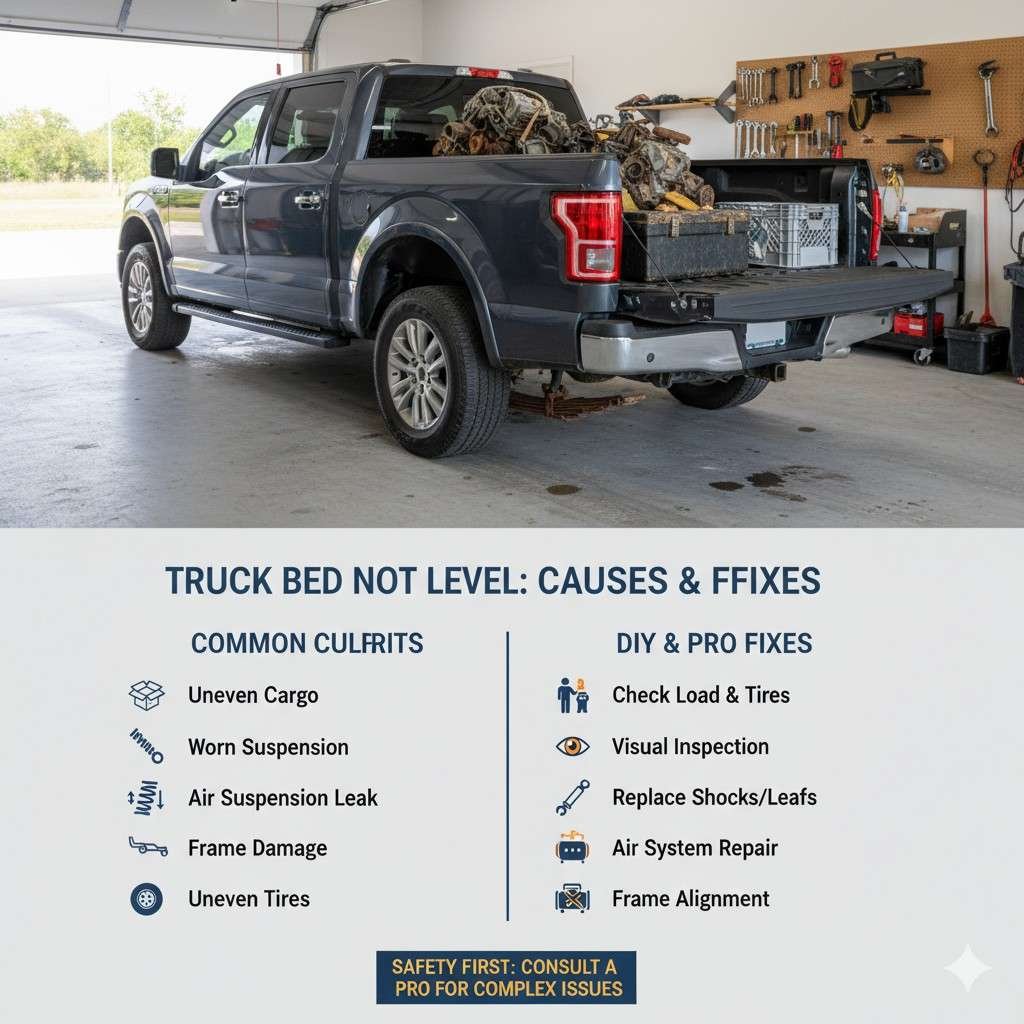
Why is My Truck Bed Not Level? Common Culprits Explained
It’s unsettling when your truck bed starts leaning. Several things can cause this, and understanding them is the first step to finding the right solution. Most often, it’s related to the suspension system, but sometimes it’s as simple as how you’ve loaded your gear.
1. Uneven or Overloaded Cargo
This is the most straightforward reason. If you load heavy items on one side of your truck bed, or if you’re carrying significantly more weight than your truck is designed for, the suspension will compress more on that side. This immediately creates an unlevel appearance and can negatively impact your truck’s handling and braking.
- Check your load distribution: Always try to balance weight evenly across the truck bed.
- Respect payload capacity: Know your truck’s maximum payload and avoid exceeding it. You can usually find this information in your owner’s manual or on a sticker inside the driver’s door jamb.
2. Worn or Damaged Suspension Components
Your truck’s suspension is designed to handle weight and keep the ride smooth. Over time, parts like springs, shock absorbers (or struts), bushings, and leaf springs can wear out, sag, or even break. If one side’s components fail or wear down faster than the other, it will cause that side of the truck bed to sit lower.
- Leaf Springs: These are common culprits, especially in older trucks or those frequently hauling heavy loads. They can weaken and sag with age.
- Shock Absorbers/Struts: Damaged or worn shocks/struts can’t properly support the vehicle’s weight, leading to sag.
- Bushings: These rubber or polyurethane components absorb vibration. If they degrade, they can allow more movement and unevenness.
3. Leaking or Faulty Air Suspension Systems
If your truck is equipped with an air suspension system, a leak in an air bag or a malfunctioning compressor/valve can cause one corner or side of the truck to sag. These systems are designed to self-level, so a problem here will be quite noticeable.
4. Frame Damage or Bending
In more severe cases, a serious accident or extreme off-road use can cause the truck’s frame to twist or bend. This is a significant structural issue that will definitely result in an unlevel truck bed and requires professional attention.
5. Uneven Tire Wear or Pressure
While less common for a persistently unlevel bed, significantly uneven tire pressure or severely worn tires on one side can contribute to a slight tilt. Always ensure your tires are inflated to the recommended pressure, which is typically found on a sticker on the driver’s side doorjamb or in your owner’s manual.
Identifying the cause is key. Once you have an idea of what might be happening, you can move on to potential solutions.
DIY Fixes for a Truck Bed Not Level: Getting Started
Before you head to a mechanic, there are several checks and simple fixes you can try yourself. These are beginner-friendly and can often resolve common leveling issues.
Step 1: Assess the Load and Tire Pressure
This is your first and easiest diagnostic step. Empty your truck bed completely to rule out any unevenly distributed cargo. Then, check your tire pressure on all four tires and ensure they are inflated to the manufacturer’s recommended PSI. You might be surprised how often this simple check solves the problem!
Step 2: Visual Inspection of Suspension Components
With the truck on a level surface and empty, take a good look at the suspension. You don’t need to be an expert. Look for:
- Leaf Springs: Are they visibly bent or cracked? Does one side look significantly flatter or more curved than the other?
- Shock Absorbers/Struts: Look for any signs of leaking fluid (oily residue) on the shock body.
- Bushings: Are there any signs of cracked, torn, or missing rubber on the suspension components?
Step 3: Check for Obvious Damage
Walk around your truck. Look underneath for any signs of bending, scraping, or freshly damaged metal, especially along the frame rails and suspension mounting points. This helps rule out frame issues for now.
Step 4: The Bed and Cab Mounts
Sometimes, the rubber mounts that attach the truck bed to the frame can wear out or get compressed unevenly. While harder to access without possibly lifting the bed, a visual check from underneath might reveal a visibly squashed mount on one side compared to the other.
When to Call in the Pros: Advanced Solutions
If the simple checks don’t reveal an obvious problem, or if you suspect more serious issues, it’s time to consider professional help. Mechanics have specialized tools and expertise to diagnose and fix complex suspension problems.
1. Leaf Spring Replacement or Addition
If your leaf springs are sagged or broken, they will need to be replaced. A mechanic can accurately diagnose the condition of your leaf springs and recommend the correct replacements.
For trucks that frequently carry heavy loads, some owners opt for aftermarket helper springs or airbags to supplement the existing leaf springs. These can help level the load and prevent excessive sagging.
Example: Timbren SES (Suspension Enhancement System) offers an easy-to-install upgrade that can significantly improve load support without altering your truck’s ride height when empty. You can find more information on their systems at Timbren.com.
2. Shock Absorber or Strut Replacement
Worn shocks or struts are a very common cause of sagging suspension. Replacing them on both sides ensures even support. It’s generally recommended to replace shocks/struts in pairs (both front or both rear) to maintain balanced handling.
3. Air Suspension Repair
For trucks with air suspension, a professional can diagnose leaks, faulty sensors, or compressor issues. Repairing these systems often requires specialized knowledge and equipment.
4. Frame Alignment and Repair
If a mechanic diagnoses frame damage, this is a serious issue. Frame straightening or repair is a complex job that involves specialized equipment to ensure the structural integrity of your truck is restored. This is essential for safety and proper handling.
5. Bushing Replacement
Worn suspension bushings can cause a variety of handling issues, including an unlevel ride. Replacing these rubber components can restore proper alignment and ride quality.
DIY vs. Professional: Making the Right Choice
Deciding whether to tackle a repair yourself or take it to a professional depends on a few factors. As Kelly Hester, your go-to gear expert, I always advise considering your skill set, the complexity of the repair, and the potential safety implications.
Here’s a quick breakdown:
| Repair Type | DIY Feasibility | Professional Recommendation | Notes |
|---|---|---|---|
| Checking Tire Pressure & Load Distribution | High | N/A | Always the first step. Free to check. |
| Visual Inspection of Suspension | High | N/A | Great for identifying obvious issues. |
| Replacing Shocks/Struts | Medium | High | Requires basic tools and some mechanical knowledge. If unsure, a pro is best. |
| Leaf Spring Repair/Replacement | Low to Medium | High | Can be dangerous due to spring tension. Best left to pros. |
| Air Suspension Repair | Very Low | Very High | Complex systems requiring specialized diagnostics. |
| Frame Repair/Alignment | Extremely Low | Essential Professional Job | Critical for safety and structural integrity. No DIY option. |
Safety First! Working on suspension components can be dangerous. Springs are under significant tension. If you’re not comfortable or don’t have the right tools, it’s always safer to have a qualified mechanic handle the repair. For more on vehicle maintenance safety, the National Highway Traffic Safety Administration (NHTSA) offers excellent resources on tire safety and general vehicle maintenance.
Enhancing Your Truck Bed Level for the Long Haul
Fixing an unlevel truck bed isn’t just about aesthetics; it’s about maintaining your truck’s performance, safety, and longevity. Once you’ve addressed the immediate issue, consider these long-term strategies to keep your truck bed sitting right, no matter what you’re hauling.
1. Invest in Quality Load Leveling Kits
If your truck frequently carries heavy loads, such as camper shells, towing trailers, or substantial cargo, a load-leveling kit can be a game-changer. These kits often include heavy-duty shocks, springs, or airbags designed to distribute weight more evenly and reduce sag.
- Air Helper Springs: These are adjustable airbags installed between the frame and the axle. They allow you to fine-tune the suspension support based on the load. Many reputable manufacturers offer these, such as Firestone Ride-Rite air springs.
- Towing Springs/Sensible Lift Kits: Some kits can provide a modest lift while significantly enhancing load-carrying capacity without compromising daily driving comfort.
2. Regular Inspections and Maintenance
Treat your truck’s suspension like any other vital system. Schedule regular check-ups, especially before and after demanding trips.
- Check for leaks: Look periodically at shocks and struts for any signs of fluid leaks.
- Inspect rubber components: Bushings and isolators can crack or degrade over time.
- Monitor spring condition: Visually inspect springs for any signs of cracking or excessive sagging.
Adhering to your truck’s recommended maintenance schedule, as outlined in your owner’s manual, is crucial. This often includes periodic suspension checks.
3. Understand Your Truck’s Capabilities
Knowing your truck’s Gross Vehicle Weight Rating (GVWR) and payload capacity is paramount. Overloading is one of the fastest ways to damage your suspension and cause an unlevel stance. Always err on the side of caution.
- GVWR: The maximum allowed weight of the fully loaded vehicle.
- Payload Capacity: The maximum weight of occupants and cargo your truck can carry.
You can usually find these figures on a sticker on the driver’s side doorjamb.
4. Consider Upgraded Components for Heavy Use
If you’re an avid outdoors person who frequently hauls gear, or if you regularly tow, investing in heavy-duty suspension components can prevent issues before they start. This might include:
- Heavy-duty leaf springs
- Performance shock absorbers
- Upgraded sway bars for better stability
Consulting with a truck accessory specialist or a reputable mechanic can help you select the best upgrades for your specific needs and driving style.
By taking proactive steps and performing regular maintenance, you can ensure your truck bed remains level and your ride stays stable and safe, no matter the adventure.
Frequently Asked Questions About Unlevel Truck Beds
Q1: Can an unlevel truck bed affect my truck’s alignment?
A1: Yes, a consistently unlevel truck bed, especially if caused by suspension issues, can certainly affect your truck’s wheel alignment. This can lead to uneven tire wear and affect how your truck steers and handles.
Q2: How do I know if my truck bed is actually unlevel or if it’s just my perception?
A2: The best way is to park your truck on a known level surface (like a garage floor or a level parking lot). Use a tape measure from the ground to the bottom of the truck bed rail on both sides. A significant difference, more than about half an inch, indicates an unlevel condition.
Q3: Is it safe to drive with an unlevel truck bed?
A3: Minor unlevelness due to temporary, balanced loads might be okay for short distances. However, if the truck bed is unlevel due to suspension problems, it can compromise handling, braking, and stability, making it unsafe to drive, especially at higher speeds or in adverse conditions.
Q4: Should I replace just one shock absorber if I see a leak on one side?
A4: It’s highly recommended to replace shock absorbers or struts in pairs (both sides of the same axle). This ensures consistent damping and prevents uneven handling. Replacing just one can lead to a lopsided ride and premature wear on the new part.
Q5: How much does it typically cost to fix an unlevel truck bed?
A5: The cost varies greatly depending on the cause. Simple fixes like adjusting tire pressure are free. Replacing shocks might cost a few hundred dollars. Major repairs like leaf spring replacement or frame straightening can run into thousands of dollars. Always get a quote from your mechanic.
Q6: Can I use airbags to temporarily fix a sagging truck bed?
A6: Airbags, whether temporary or part of an installed kit, are designed as suspension aids to help level a load. If they are properly installed and inflated, they can help level the truck. However, if the underlying cause is a broken spring or other damage, airbags are a temporary fix or a support, not a solution to underlying structural problems.
Conclusion
Dealing with a truck bed not level can seem like a daunting task, but as we’ve explored, it’s often a manageable issue with a little knowledge and the right approach. From simple checks of your cargo weight and tire pressure to understanding when worn suspension components need attention, you now have a clearer path to diagnosing and rectifying the problem. Remember, maintaining a level truck bed is more than just about appearance; it’s crucial for ensuring your truck handles safely, your cargo is stable, and your vehicle’s components aren’t subjected to unnecessary stress.
Don’t let an unlevel ride keep you from enjoying your truck to its fullest. Whether it’s a quick DIY adjustment or knowing when to trust a professional for more complex repairs, you’re equipped with the essential information. Keep up with regular checks, understand your truck’s limits, and consider upgrades if you’re a frequent heavy hauler. Your truck will thank you with a smoother, safer, and perfectly balanced ride for all your adventures to come.