
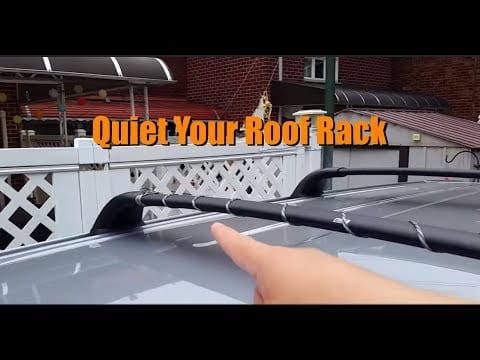
Roof box noise can be a real nuisance on road trips. It disrupts the peace and can be quite annoying.
Imagine cruising down the highway with a roof box humming loudly above. This noise can be distracting and frustrating. Roof boxes are great for extra storage, but the noise they generate can spoil the drive. It’s crucial to understand why this noise occurs and how to minimize it.
Various factors contribute to roof box noise, from the design of the box to how it’s mounted on the car. Addressing these issues can lead to a quieter, more enjoyable journey. In this post, we’ll explore tips and solutions to reduce roof box noise, ensuring a smoother and quieter ride for you and your passengers.
Credit: www.youtube.com
Causes Of Roof Box Noise
Wind flows over the roof box and causes noise. Poorly designed boxes create more drag. This increases the sound. Smooth shapes help reduce this noise. Air gaps also add to the problem. These gaps make whistling sounds. Tighter seals can help here. Positioning the box correctly matters too. If it’s too far forward or back, noise increases.
Thin materials make more noise. They vibrate more under wind pressure. Thicker materials help reduce this. Good design is crucial. Some designs have ridges and grooves. These can catch wind and make noise. Flat and smooth surfaces are better. Proper fittings also matter. Loose parts can rattle. Securely fastened parts make less noise. Noise-reducing features help too. Some boxes have built-in dampeners. These help a lot.
Choosing The Right Roof Box
Different shapes and sizes affect noise levels. A sleek, aerodynamic shape is quieter. Larger boxes can be noisier, especially at high speeds. Ensure your box is not too big for your car. The right size helps reduce drag and noise.
Good quality roof boxes are made from strong materials. Solid construction reduces vibrations and noise. Look for boxes with tight seals. Loose parts can rattle, causing noise. Well-built boxes last longer and stay quieter.
Proper Installation Techniques
A good roof box position reduces noise. Place the box in the center. Make sure it is not too far back or front. Check the car manual for the best spot. This helps with balance and safety. Proper positioning can lower wind noise.
Tighten all the straps and bolts well. Loose parts can rattle and make noise. Double-check the connections before you drive. Use the right tools to fasten each part. This ensures the roof box stays secure. A well-fastened box is quieter and safer.

Credit: www.instructables.com
Using Wind Deflectors
Wind deflectors help reduce noise from roof boxes. There are different types available. Some are made of plastic. Others are made of metal.
Clip-on deflectors are easy to attach. They fit most roof boxes. Bolt-on deflectors need tools for installation. They offer a stronger hold. Another type is stick-on deflectors. They use adhesive to attach. These are often cheaper.
Clean the roof box before starting. This helps the deflector stick better. Follow the instructions provided. Each type has its own steps. For clip-on deflectors, simply snap them on the edges. Make sure they are tight.
Bolt-on deflectors need screws. Use a drill for this. Ensure all screws are tight. Stick-on deflectors use adhesive strips. Peel off the backing and press them firmly. Check all parts are secure before driving.
Maintaining Your Roof Box
Check your roof box often. Look for any damage or loose parts. Make sure all locks work well. Check the mounting system too. It should be tight and secure. Regular checks can prevent big problems.
Clean your roof box with mild soap and water. Avoid harsh chemicals. Dry it well after cleaning. Lubricate locks and hinges. Use a light oil for this. This keeps parts moving smoothly. Clean and lubricate often to keep your roof box in good shape.
Driving Tips To Minimize Noise
Driving fast increases roof box noise. Try to keep your speed moderate. High speeds make more wind push against the roof box. This creates louder sounds. Staying within the speed limit helps reduce noise. Also, it improves safety.
Handling the car gently helps reduce noise. Avoid quick turns and sudden stops. They can make the roof box move more. This movement causes extra noise. Smooth driving keeps the roof box stable. Stability means less noise. Plan your routes to avoid heavy traffic. This helps you drive smoothly.
Alternative Storage Solutions
Rear-mounted boxes are a good choice for storage. They fit on the back of your car. These boxes reduce wind noise. You can reach them easily. Rear-mounted boxes are often more stable. They help balance the car’s weight. They also come in many sizes.
Use car seats and trunk space for storage. Soft bags work well inside the car. They don’t make noise. You can also use organizers. They keep things tidy and easy to find. Another idea is to use under-seat storage. It helps save space. These options are quiet and safe.
Additional Accessories To Reduce Noise
Noise reduction pads can help make your car quieter. These pads absorb vibrations. This means less noise. They are easy to install. Just stick them on the roof box. The pads are not expensive. They can be found in most car accessory stores. Using these pads can make your ride more peaceful.
Aerodynamic accessories help cut down wind noise. Items like wind deflectors can be very useful. These deflectors change the way air moves around the roof box. This reduces noise. Some roof boxes come with built-in deflectors. If not, they can be bought separately. Another option is using a roof fairing. This also helps reduce wind noise. Both items are easy to attach and remove.

Credit: www.pinterest.com
Frequently Asked Questions
What Causes Roof Box Noise?
Roof box noise is usually caused by wind resistance and turbulence. It’s more noticeable at higher speeds. Proper installation and aerodynamic design can help reduce it.
How Can I Reduce Roof Box Noise?
To reduce roof box noise, ensure it’s securely attached and properly aligned. Aerodynamic roof boxes and wind deflectors can also help minimize noise.
Are Certain Roof Box Brands Quieter?
Yes, some brands design roof boxes with aerodynamics in mind, making them quieter. Research and reviews can help identify quieter options.
Does Roof Box Weight Affect Noise?
Roof box weight can impact noise levels. Heavier boxes may create more drag, leading to increased noise. Balance weight and aerodynamics for optimal performance.
Conclusion
Reducing roof box noise can enhance your driving experience. Ensure proper installation and secure fit. Consider using noise-reducing accessories. Regularly check and maintain your roof box. These steps can help minimize noise and make your travels more pleasant. Enjoy quieter journeys and focus on the road ahead.
Happy driving!