

Kayaking offers a unique way to explore nature. But transporting and storing a kayak can be tricky.
Understanding the right kayak and rack options is essential. Whether you’re a beginner or an experienced paddler, having the right equipment makes a difference. Kayaks come in various shapes and sizes, each designed for specific water conditions. Equally important is the rack you use to transport your kayak.
A good rack ensures your kayak stays secure during travel, preventing damage. This blog will guide you through choosing the best kayak and the most suitable rack. You’ll learn about different types of kayaks and racks, ensuring your adventures are safe and enjoyable. Keep reading to find the best options for your kayaking needs.
Introduction To Kayak Transportation
Proper kayak transport keeps your kayak safe. It also protects your car. Incorrect transport can damage both. Kayaks can be heavy and awkward. This makes them hard to move. Good transport methods are necessary. They help avoid damage. They make trips easier. They save time and effort.
There are several ways to transport kayaks. Roof racks are popular. They are secure and easy to use. Kayak trailers are another option. They can carry more than one kayak. Foam blocks can also be used. They are cheap and simple. Each method has pros and cons. Choose one that fits your needs.
Choosing The Right Kayak Rack
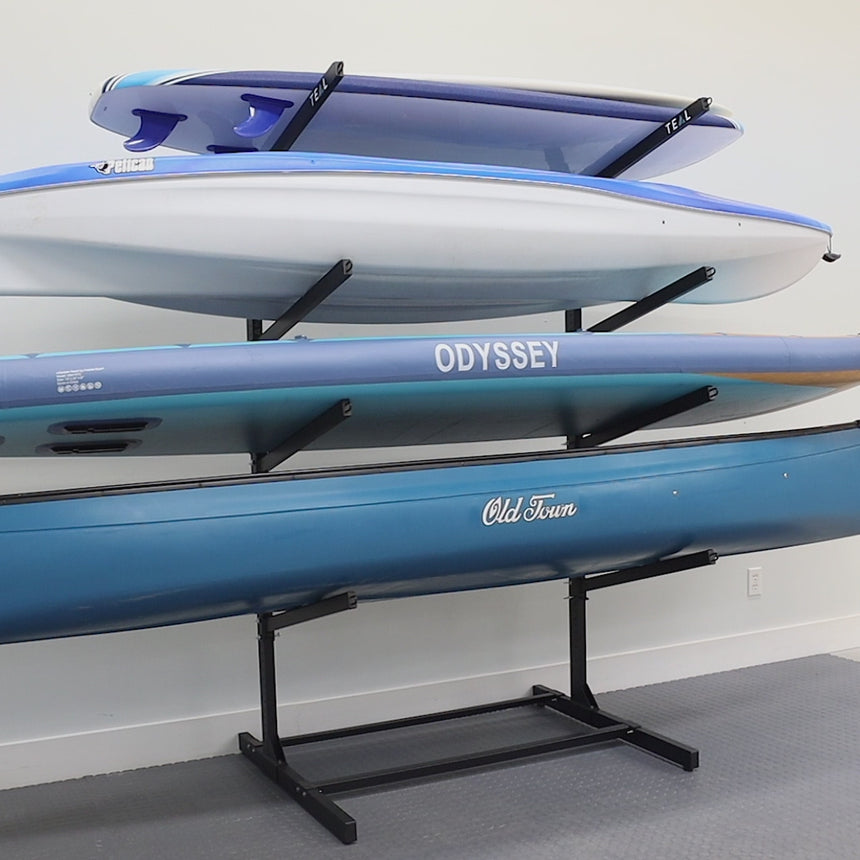
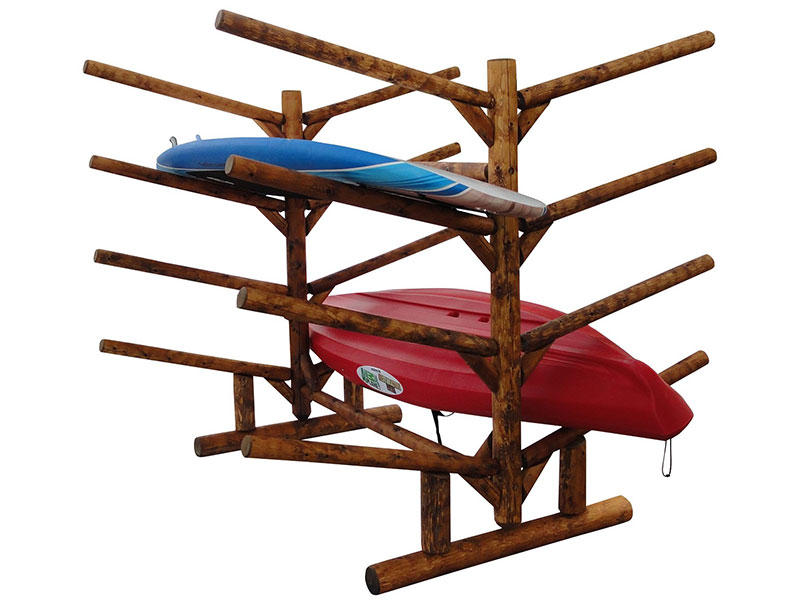
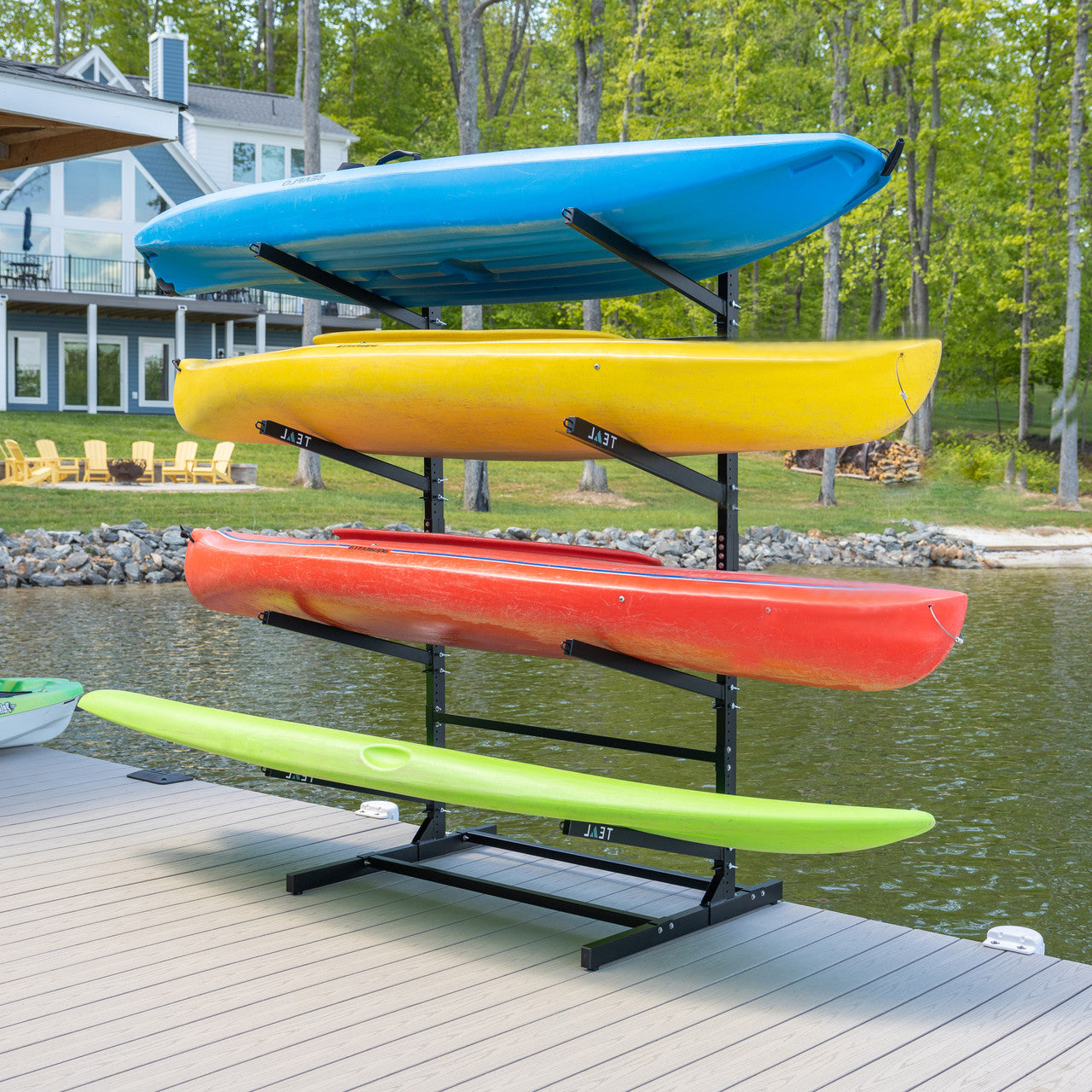
Kayak racks come in different types. J-style racks hold the kayak on its side. This saves space. Saddle racks cradle the kayak from below. They offer good support. Stackers can hold multiple kayaks. They are great for families. Finally, there are temporary foam pads. These are good for short trips.
Consider your car type. Not all racks fit all cars. Think about your kayak’s weight. Heavy kayaks need strong racks. Check the roof space of your car. Some racks need more space. Look at the rack’s ease of use. Some are easier to load. Finally, consider your budget. Some racks are more affordable.
Installing A Kayak Rack
You will need a few basic tools. A drill is essential. You also need a screwdriver, measuring tape, and a wrench. For safety, wear gloves and safety glasses. You will need bolts, nuts, and screws. Get the right type for your rack. Have a ladder ready. It helps to reach high places. Finally, make sure you have the rack itself.
First, read the instructions. Measure the space on your vehicle. Mark where the rack will go. Next, drill holes at the marked spots. Be careful. Attach the rack with bolts and nuts. Tighten them with a wrench. Check the rack’s stability. Ensure it is firm and secure. Finally, give it a test. Place your kayak on the rack. Make sure it fits well.
Credit: tealtriangle.com
Securing Your Kayak
Using straps and tie-downs is key to securing your kayak. Ensure that straps are tight but not too tight. Tight straps can damage your kayak. Always use at least two straps. One strap at the front and one at the back. This keeps the kayak stable during transport. Double-check the straps before driving. Loose straps can cause accidents. Remember, safety is important.
Inspect straps for wear and tear. Replace them if they are damaged. Ensure the kayak is centered on the rack. A centered kayak is more stable. Avoid overloading your vehicle. An overloaded vehicle can be hard to control. Test the setup by gently shaking the kayak. It should not move. Secure any loose ends of straps. Loose ends can flap and create noise. Drive carefully and avoid sudden stops. Sudden stops can shift the kayak.
Transporting Multiple Kayaks
Transporting multiple kayaks requires the right rack. J-style racks hold kayaks on their sides. This saves space on the roof. Stacker racks allow you to stack kayaks vertically. Saddle racks provide a cradled fit. They prevent movement during travel. Choose a rack based on your vehicle size. Also, consider the number of kayaks you need to transport.
Loading and unloading kayaks can be tricky. Lift with your legs, not your back. Place the kayak on the rack gently. Secure the kayak with straps. Check that the kayak is steady. For unloading, undo the straps first. Lower the kayak carefully to the ground. Always get help if the kayak is heavy. Safety is important during this process.
Credit: www.logkayakrack.com
Kayak Transport For Different Vehicles
Transporting a kayak on a car or SUV is easy. Use a roof rack for safety. Roof racks are strong and secure. Always tie the kayak tightly. Use straps to hold it in place. Check the kayak before driving. Ensure it does not move. Drive carefully and avoid sudden stops.
Trucks can carry kayaks in their beds. Use padding to protect the kayak. Secure the kayak with straps. Trailers are good for multiple kayaks. They keep kayaks safe and stable. Trailers need special hitches. Check all connections before driving. Always inspect straps and safety gear.
Maintaining Your Kayak Rack
Keep your kayak rack in good shape. Use water and mild soap. Clean it every month. This stops dirt from building up. Dry it well to prevent rust. Check for any damage while cleaning. Fix problems right away. This keeps your rack strong and safe.
Inspect your kayak rack often. Look for loose parts. Tighten them if needed. Check straps for wear and tear. Replace them if they look old. Make sure the rack is secure. This protects your kayak and car. Regular care will make your rack last longer.
Troubleshooting Common Issues
A shaky rack can be dangerous. Check the tightness of all bolts. Loose bolts often cause instability. Use a wrench to tighten them. Ensure the rack is level. An uneven rack can cause problems. Adjust the rack until it is straight. Inspect the base of the rack. The base should be firm and stable. Replace any worn parts. Always follow the manufacturer’s instructions. This ensures proper setup.
Protecting your kayak is important. Always use padding on the rack. This prevents scratches and dents. Secure the kayak with strong straps. Weak straps can break and cause damage. Avoid storing your kayak in direct sunlight. UV rays can harm the material. Keep your kayak covered when not in use. This keeps it clean and safe. Regularly check your kayak for cracks or wear. Fix any issues immediately.
Conclusion And Final Tips
Always choose the right kayak and rack for your needs. Consider your car size. Ensure the rack fits well. Secure the kayak properly. Use straps to keep it in place. Check everything before driving. Safety first.
Learn more from guides and videos. Many websites offer tips. Look for trusted sources. Ask experts for advice. Join online forums. Share your experiences. Improve your skills. Enjoy kayaking safely.
Credit: storeyourboard.com
Frequently Asked Questions
What Is The Best Kayak Rack For Cars?
The best kayak rack for cars depends on your vehicle. Thule and Yakima offer versatile, high-quality options that fit most cars.
How Do You Secure A Kayak On A Roof Rack?
To secure a kayak, use cam straps. Position the kayak properly and tighten the straps securely to prevent movement.
Can You Put A Kayak On A Roof Rack Alone?
Yes, you can put a kayak on a roof rack alone. Use a lift-assist rack or a kayak loader for easier handling.
Are Kayak Racks Safe For Highway Driving?
Yes, kayak racks are safe for highway driving. Ensure your kayak is properly secured and follow the manufacturer’s guidelines for speed limits.
Conclusion
Choosing the right kayak and rack makes your adventures easier. Proper storage keeps your kayak safe and extends its life. Invest in quality racks for convenience and peace of mind. Secure transportation ensures your kayak stays protected on the road.
Enjoy your time on the water without stress. Happy kayaking!