
Kayaking is a fantastic outdoor activity. But storing a kayak can be tricky.
Proper storage keeps your kayak in good shape for years. In this blog, we’ll explore the best ways to store a kayak. Whether you have limited space or a large garage, there are options for you. We’ll discuss indoor and outdoor storage solutions.
You’ll learn how to protect your kayak from damage and the elements. By the end, you’ll know how to store your kayak efficiently. This will save space and keep your kayak ready for your next adventure. Let’s dive into the world of kayak storage and find the perfect solution for you.

Credit: www.amazon.com
Choosing The Right Location
Indoor storage protects your kayak from weather. It keeps it safe from rain, snow, and sun. It can also stop animals from damaging it.
Outdoor storage is more convenient. You might have more space outside. But, you need a good cover. This will protect your kayak from the sun and rain.
Consider how often you use your kayak. If you use it a lot, outdoor storage may be better. You can get to it quickly. If you use it less, indoor storage keeps it safe for longer.
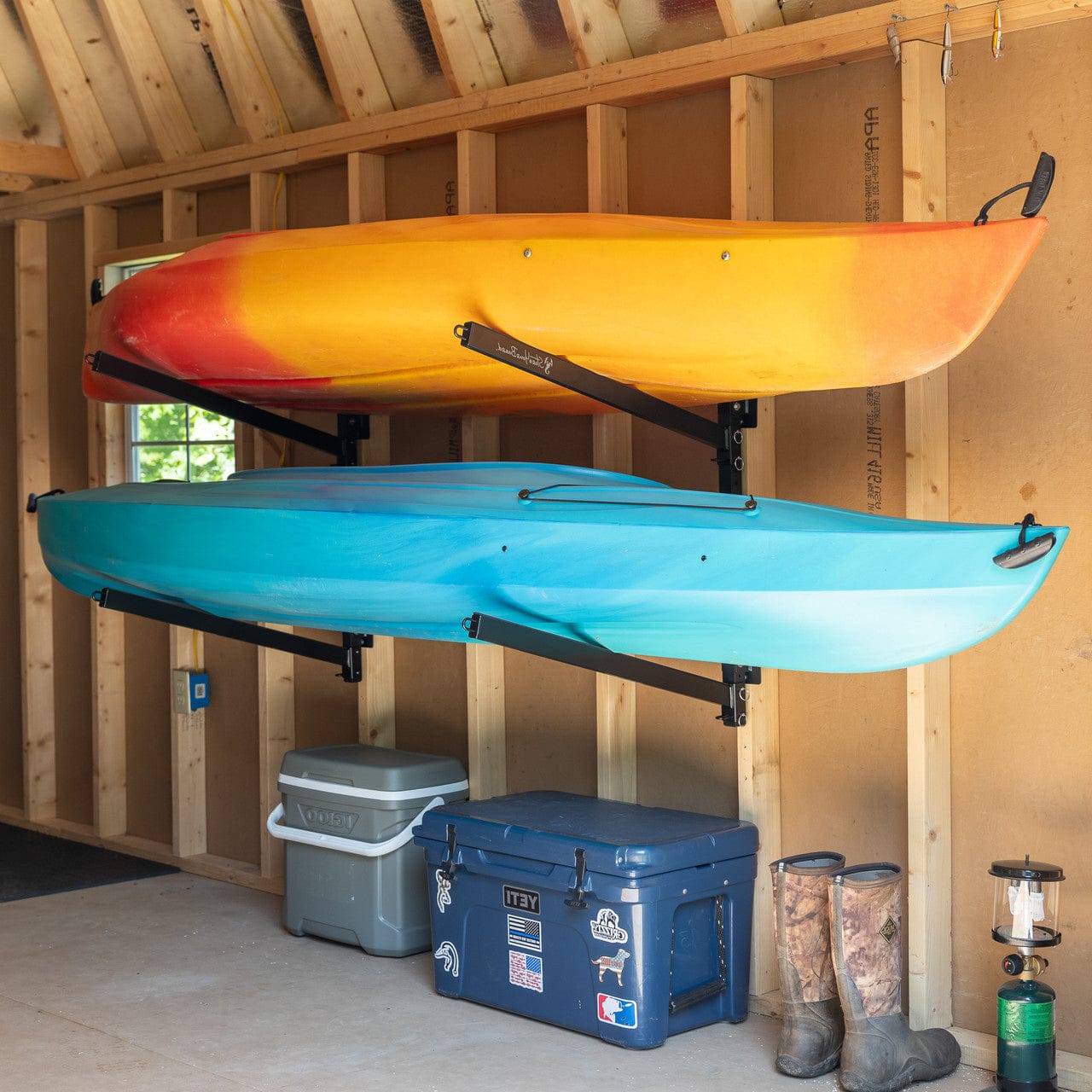
Think about your space. Do you have room inside? If not, outside is your only option. But make sure it’s safe. A shed or garage can work well.
Credit: www.reddit.com
Wall-mounted Racks
Wall racks come in many types. Some are simple hooks. Others are more complex. There are racks with padded arms. Some have straps to hold kayaks. Foldable racks save space when not in use. Fixed racks are sturdy and strong. Adjustable racks fit different kayak sizes. Choose the right one for your needs.
Find a solid wall. Use a stud finder to locate studs. Drill pilot holes for screws. Use proper hardware for your wall type. Follow rack instructions. Check the level of the rack. Tighten all screws firmly. Hang your kayak carefully. Make sure it’s secure. Enjoy your organized space.
Ceiling Storage Solutions
Kayak storage can be made easier with ceiling storage solutions. These systems maximize space and keep kayaks safe. Perfect for garages or sheds.
Pulley Systems
A pulley system helps save space. It lifts your kayak to the ceiling. This keeps the floor clear. Pulleys are easy to use. They make lifting heavy kayaks simple. No need for much strength. Install pulleys in your garage or shed. This keeps your kayak safe and out of the way. Many pulley systems come with locks. These locks keep the kayak secure. Choose a pulley system that fits your needs.
Ceiling Hooks
Ceiling hooks are another great option. They are simple and cheap. Hooks can hold your kayak up high. This frees up room below. Install hooks in strong ceiling beams. Make sure they can hold the weight. Use two hooks for better balance. Place them at each end of the kayak. This keeps the kayak steady. Ceiling hooks work well in garages and sheds. They keep your kayak off the ground.
Freestanding Racks
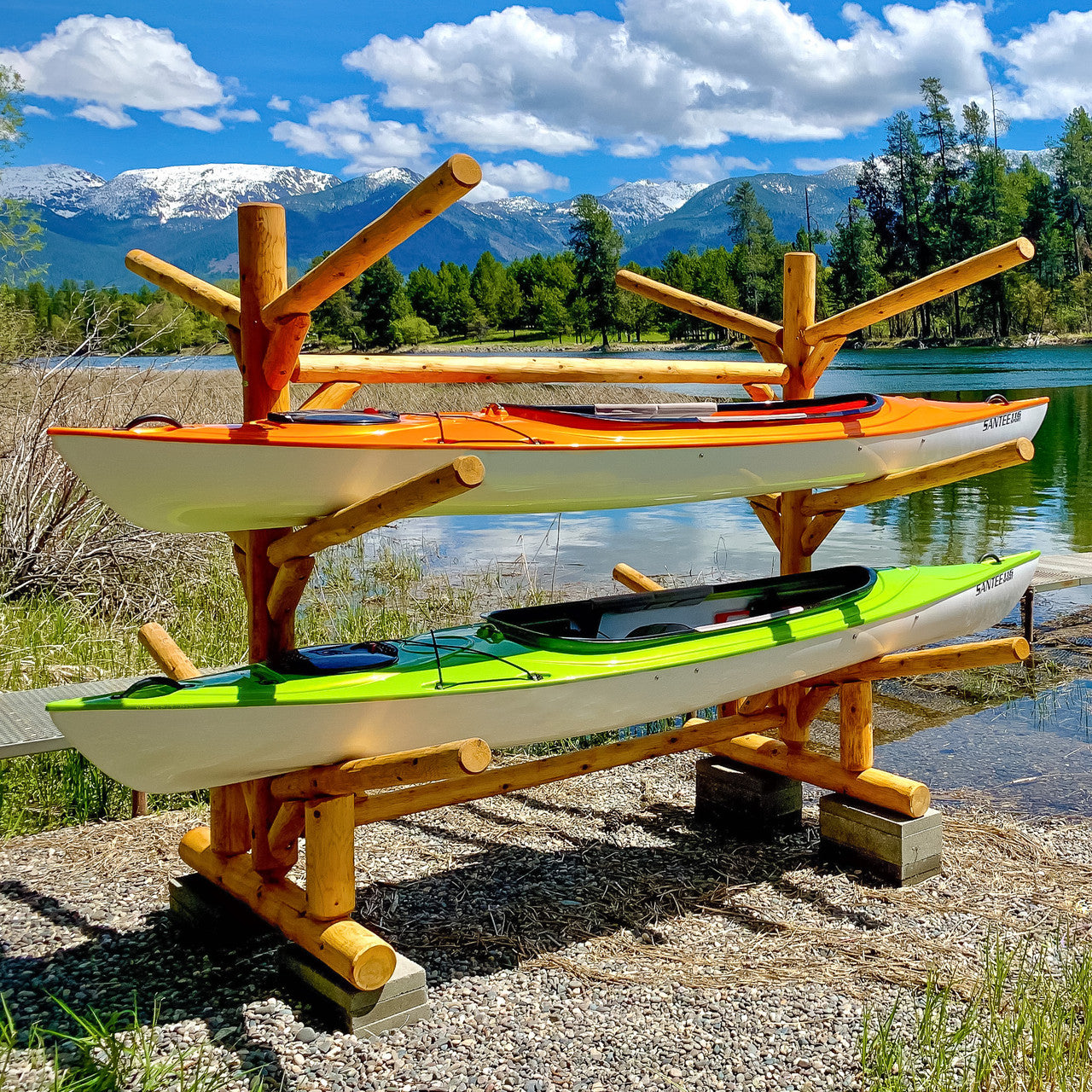
Freestanding racks are easy to use. They don’t need wall mounts. You can move them around. This is very handy. These racks save space. They keep kayaks off the ground. This protects the kayak. It lasts longer.
Freestanding racks are also stable. They can hold heavy kayaks. They have strong bases. This keeps the kayaks safe. Freestanding racks are great for many reasons.
| Model | Features | Price |
|---|---|---|
| Rack A | Holds 2 kayaks, portable, strong base | $150 |
| Rack B | Holds 3 kayaks, easy to assemble | $200 |
| Rack C | Holds 1 kayak, lightweight, rust-resistant | $100 |
Vertical Storage Options
Vertical stands save space. They keep kayaks upright and off the ground. This helps prevent damage. Vertical storage is good for small areas. It is easy to access the kayak. No need to lift it high. Just slide it in or out. These stands are often affordable. They come in many sizes.
There are also some downsides. Kayaks might fall if not secured well. Strong winds can tip them over. Extra straps or ties can help. Some stands may not fit all kayak sizes. They might not support very heavy kayaks. Always check the weight limit.
Credit: storeyourboard.com
Space-saving Accessories
A good kayak cover protects your kayak from the elements. It keeps dust, dirt, and pests away. Water-resistant covers are best for outdoor storage. Make sure to measure your kayak before buying a cover. Proper fit is key. A loose cover can let dirt in.
Storage bags help keep your gear tidy. Small bags can hold paddles, life jackets, and other accessories. Waterproof bags are great for keeping everything dry. Label your bags to find items quickly. Store bags in a dry place to avoid mold. Mesh bags allow air to circulate. This keeps your gear fresh.
Maintenance Tips
Rinse your kayak with fresh water after each use. Saltwater and dirt can damage it. Use mild soap to clean tough spots. Dry your kayak well. Moisture can cause mold and mildew. Pay extra attention to hidden areas. These spots are often missed.
Check your kayak for cracks and damage. Small issues can become big problems. Inspect the hull, seams, and fittings. Ensure all parts are secure. Tighten loose screws. Replace broken parts. Regular checks help keep your kayak in good shape.
Frequently Asked Questions
How To Store A Kayak Properly?
Store your kayak in a cool, dry place. Keep it off the ground and away from direct sunlight. Use padded racks or slings.
Can Kayaks Be Stored Outside?
Yes, but cover them with a UV-resistant tarp. Ensure they are elevated and secure to prevent damage from elements and pests.
Is It Safe To Hang A Kayak?
Yes, hanging a kayak is safe. Use wide straps or padded hooks. Avoid tight ropes that can deform the kayak.
What Are The Best Storage Racks For Kayaks?
The best storage racks are padded and adjustable. Wall-mounted or freestanding racks work well, depending on available space.
Conclusion
Proper kayak storage ensures your gear stays in top shape. Keep kayaks dry to avoid damage. Use racks or wall mounts to save space. Secure your kayak to prevent theft. These steps help prolong the life of your kayak. Enjoy stress-free adventures with well-stored equipment.
Start organizing your storage today for a better kayaking experience tomorrow. Happy paddling!