

Have you ever wondered how long the clutch in your car will actually last? Knowing this can save you from unexpected breakdowns and costly repairs.
Your clutch works hard every time you change gears, but how much life does it really have? You’ll discover the key signs to watch for, factors that affect clutch lifespan, and simple tips to make your clutch last longer. Keep reading—your car (and your wallet) will thank you.

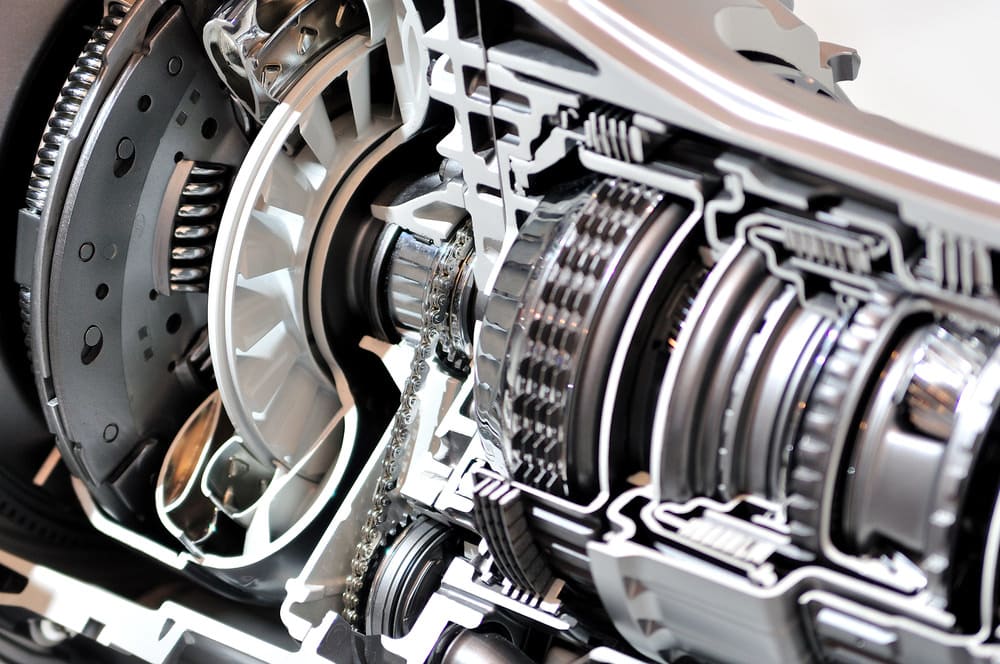
Credit: auto.howstuffworks.com
Clutch Basics
The clutch is a key part of a car with a manual transmission. It lets the driver change gears smoothly. Understanding how it works helps to know why it wears out over time. This section explains the clutch basics, its role, and types.
What A Clutch Does
The clutch connects the engine to the wheels. It allows power to flow from the engine to the transmission. When pressed, it stops the power flow. This lets the driver change gears without grinding.
Without a clutch, gear changes would be rough and could damage the car. It also helps the car start moving from a stop. The clutch controls when power is sent to the wheels.
Types Of Clutches
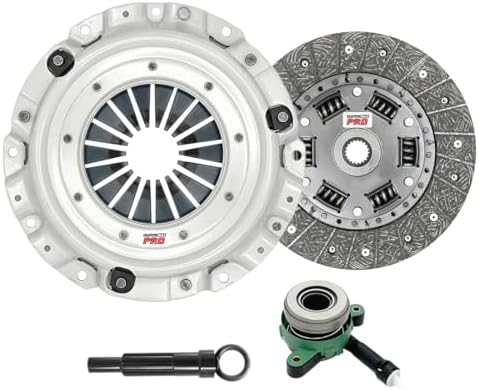
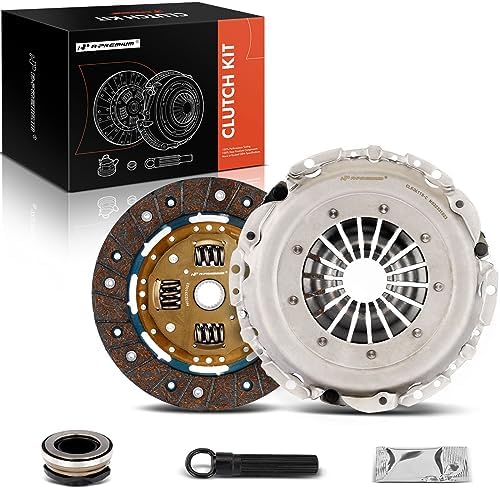
There are several types of clutches used in cars. The most common is the friction clutch. It uses a pressure plate and clutch disc to connect engine and transmission.
Other types include hydraulic clutches and electronic clutches. Hydraulic clutches use fluid to help engage and disengage the clutch. Electronic clutches use sensors and motors to control power flow.
Most everyday cars use the friction clutch because it is simple and reliable. Knowing the type of clutch helps understand its lifespan and maintenance needs.
Factors Affecting Clutch Life
The lifespan of a car’s clutch depends on many factors. These factors can change how fast or slow the clutch wears out. Understanding these helps you care for your car better. It also helps you avoid costly repairs.
Driving Habits
How you drive has a big effect on clutch life. Riding the clutch or keeping your foot on the pedal can cause fast wear. Quick starts and hard stops also strain the clutch. Smooth and gentle use helps the clutch last longer.
Vehicle Type
Different cars have different clutch designs. Heavier vehicles put more stress on the clutch. Sports cars often have stronger clutches but may wear faster due to aggressive driving. Small cars usually have lighter clutches that may wear slower.
Road Conditions
Driving on hills or rough roads can wear the clutch faster. Stop-and-go traffic makes the clutch work harder. Flat and open roads cause less wear. Road conditions affect how much the clutch slips and heats up.
Maintenance Practices
Regular checks keep the clutch in good shape. Changing fluids and adjusting the clutch pedal helps performance. Ignoring small problems can lead to bigger damage. Proper maintenance extends the life of the clutch.
Average Clutch Lifespan
The average clutch lifespan varies widely based on driving habits and vehicle type. Most clutches last for several years before needing replacement. Understanding the typical lifespan helps drivers plan maintenance and avoid sudden failures.
Many factors affect how long a clutch lasts. These include city driving, load, and how often the clutch is used. Regular checks can extend clutch life and improve car safety.
Typical Mileage Range
Most clutches last between 30,000 and 100,000 miles. Some high-quality clutches may go beyond this range. Driving style plays a big role in mileage. Frequent stop-and-go traffic wears clutches faster. Highway driving usually puts less stress on the clutch.
Signs Of Wear
Slipping clutch is a common wear sign. The engine revs but the car moves slowly. Difficulty shifting gears signals clutch problems. A burning smell from the car may indicate clutch overheating. Unusual noises when pressing the pedal also warn of wear.
Common Clutch Problems
Car clutches face many problems as they wear out. Recognizing common clutch problems helps you keep your car safe. These problems affect how your car drives and can cause damage if ignored.
Slipping Clutch
A slipping clutch happens when the clutch does not fully engage. The engine revs rise, but the car moves slowly. This reduces power and wastes fuel. Slipping often occurs because the clutch disc is worn out. Heat and friction cause the clutch to lose grip. Drivers may notice poor acceleration and a burning smell.
Dragging Clutch
A dragging clutch does not fully release when you press the pedal. This makes gear changes hard or noisy. The car may creep forward even with the clutch pressed. It can damage transmission parts over time. Common causes include a stuck clutch cable or air in the hydraulic system. Fixing a dragging clutch improves driving smoothness and safety.
Clutch Noise
Clutch noise signals worn or damaged parts. Squealing or grinding sounds happen when the clutch is used. Noise may come from the release bearing, pressure plate, or clutch disc. It often worsens when pressing or releasing the pedal. Ignoring these sounds risks sudden clutch failure. Early repair saves money and avoids breakdowns.
Extending Clutch Life
Extending the life of your car’s clutch saves money and avoids breakdowns. A clutch that lasts longer means fewer repairs and better driving experience. Simple habits can make a big difference in clutch wear. Small changes in how you drive and care for your car help keep the clutch healthy.
Smooth Driving Tips
Use the clutch gently. Avoid sudden starts and stops. Shift gears smoothly without rushing. Keep your foot off the clutch pedal when not changing gears. Do not rest your foot on the pedal while driving. These habits reduce clutch wear and tear.
Regular Inspections
Check the clutch system often. Watch for signs like slipping or unusual noises. Early detection of problems prevents bigger damage. Have a mechanic inspect your clutch during routine car services. Regular checks help keep your clutch in good shape.
Proper Repairs
Fix clutch issues quickly. Use quality parts for replacements. Avoid delaying repairs, as damage can worsen. Trust experienced mechanics for clutch work. Proper repairs ensure your clutch lasts longer and works well.
Credit: www.yourmechanic.com
When To Replace The Clutch
Knowing when to replace a car clutch is important for safe driving. The clutch helps control the power from the engine to the wheels. Over time, it wears out and stops working well. Replacing it on time avoids bigger car problems and saves money.
Key Warning Signs
Listen for strange noises when pressing the clutch pedal. A grinding sound may mean the clutch is worn. Notice if the pedal feels soft or sticks. This can show the clutch is slipping or damaged. Difficulty shifting gears also signals clutch trouble. The car may jerk or hesitate during gear changes. Burning smells after driving hard might come from a slipping clutch. Watch for these signs to know when to act.
Cost Considerations
Replacing a clutch can cost between $500 and $2,000. The price depends on the car model and labor fees. Parts quality also affects the total cost. Ignoring clutch issues can lead to more expensive repairs later. Regular checks and early replacement keep costs low. Budgeting for clutch repair is wise for car owners. It helps avoid unexpected expenses and keeps the car running smoothly.

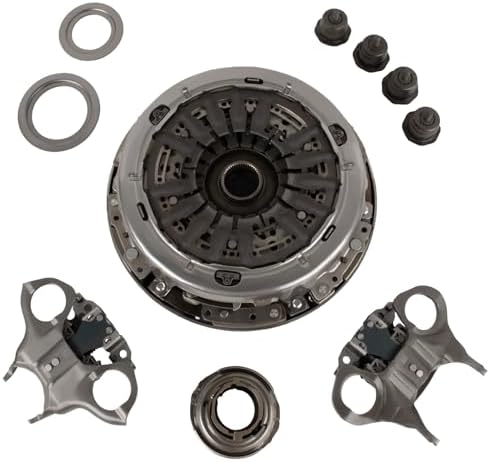
Credit: www.mrclutch.com


Frequently Asked Questions
How Long Does A Car Clutch Typically Last?
A car clutch usually lasts between 50,000 to 100,000 miles. Driving habits and vehicle type affect this lifespan significantly.
What Factors Reduce A Clutch’s Lifespan?
Frequent stop-and-go traffic, riding the clutch, and aggressive shifting wear the clutch faster. Proper use extends its life.
How Can I Tell If My Clutch Is Wearing Out?
Signs include slipping gears, difficulty shifting, and a burning smell. Early detection prevents costly repairs and ensures safety.
Does Driving Style Affect Clutch Durability?
Yes, smooth shifting and avoiding unnecessary clutch use improve its lifespan. Aggressive driving shortens clutch life dramatically.
Conclusion
A clutch usually lasts between 30,000 and 100,000 miles. Driving habits play a big role in its lifespan. Avoid riding the clutch to save it from early wear. Regular check-ups help catch problems before they get worse. Replacing a worn clutch keeps your car running smoothly.
Taking care of your clutch saves money and stress. Remember, every car and driver is different. Keep an eye on how your clutch feels and sounds. That way, you can enjoy a safer, smoother ride.