
As an Amazon Associate, RackReveal earns from qualifying purchases. Some links on this page are affiliate links, at no extra cost to you.
Bike racks are essential for transporting bicycles safely. They come in various types and designs.
But how do bike racks work? Bike racks secure your bike to your vehicle, ensuring it doesn’t move during transit. They are designed to fit different car models and bike sizes. Understanding how they function can help you choose the right one.
Whether you’re a casual cyclist or a biking enthusiast, bike racks make it easy to travel with your bike. They offer convenience and safety, preventing damage to both your bike and car. In this post, we’ll explore how bike racks work, their different types, and tips on using them effectively. Get ready to make your biking adventures hassle-free!
Introduction To Bike Racks
Bike racks provide a safe place to park bikes. They help prevent theft and keep bikes organized. People use bike racks at schools, stores, and parks. Bike racks are important for bike riders.
Purpose Of Bike Racks
Bike racks offer a secure spot for bikes. They reduce clutter and make parking easier. They also protect bikes from damage. Bike racks encourage biking and support green living.
There are many types of bike racks. Some are wall-mounted. Others are ground-mounted. Some bike racks hold one bike. Others hold many bikes. Bike racks can be made of metal or plastic. Each type has different uses.

- Securely Transport Bikes Anywhere: Destination 2 bike carrier lets you travel and tour with freedom and ease. Our tow hi…
- Designed for Maximum Versatility and Ease of Use: This hitch bike rack 2 will accommodate any bike frame and style. Slid…
- Special Security Features for Safe Transport: Our bicycle racks for trailer hitch include a locking threaded hitch pin t…
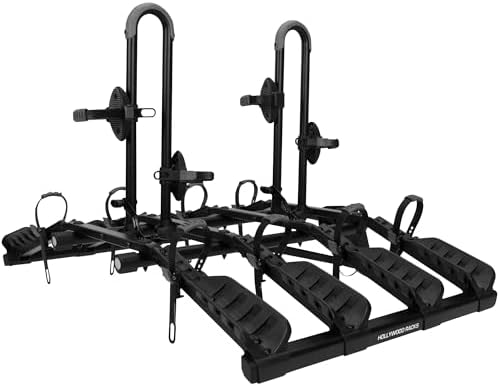
- Expand your Cycling Experience: Explore quiet country roads or take a cross-country tour with our 4 bike rack hitch moun…
- Perfect for Traveling with Friends and Family: This bike carrier hitch mount accommodates most bike models. With a max w…
- Quick and Easy Loading and Unloading: Our hitch mount bike rack features individual wheel trays for fast, hassle-free lo…
Benefits Of Using Bike Racks
Bike racks make travel easy. They save time. No need to fold or disassemble bikes. Just mount and go. They also free up car space for other items. This is especially useful for long trips. So, they make travel stress-free. Also, they fit many car types. This makes them versatile. In short, they make biking trips easier.
Bike racks keep your bike safe. They use strong locks. These locks are hard to break. This means your bike stays secure. Even when you stop to rest, your bike is safe. This reduces the risk of theft. So, you can travel without worry. Plus, they hold bikes firmly. This prevents damage during travel. Your bike stays safe and sound.
Types Of Bike Racks
Bike racks come in various types, each designed to carry bikes in different ways. They can be mounted on car roofs, trunks, or hitches, making transport easy and secure.
Roof-mounted Racks
Roof-mounted racks hold bikes on top of the car. They are great for long trips. These racks keep the bike secure. No need to worry about theft. But, lifting the bike can be hard. It requires strength and care. Roof racks can add height to the car. Be careful in low-clearance areas.
Hitch-mounted Racks
Hitch-mounted racks attach to the car’s hitch. They are easy to use. No need to lift the bike high. Just mount it on the rack. These racks can carry many bikes. Some models tilt for trunk access. They are stable and secure. Check the hitch size before buying one.
Trunk-mounted Racks
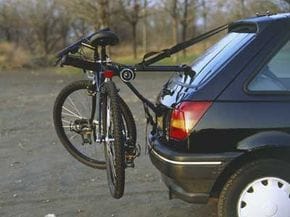
Trunk-mounted racks attach to the back of the car. They use straps and hooks. These racks are lightweight. They are easy to install and remove. No special tools needed. But, they can block the rear view. Be careful when driving. They are good for short trips. Check the straps often for safety.
Choosing The Right Bike Rack
Bike racks securely hold your bicycle during transport. Different designs cater to various needs, ensuring your bike stays safe. Easy to install and use, they make travel hassle-free.
Consider Your Vehicle
Think about your vehicle type. Some bike racks fit cars better. Others work well with trucks or SUVs. Make sure the rack you choose matches your vehicle. Check if you need extra parts. Some racks need adapters or extra tools.
Number Of Bikes
Count how many bikes you need to carry. Some racks hold one bike. Others can hold up to five bikes. More bikes need more space. Choose a rack that fits your needs. Think about future use too. You may get more bikes later.
Ease Of Installation
Check how easy the rack is to install. Some racks need tools. Others can be set up by hand. Read reviews about the installation process. Easy installation saves time and frustration. Make sure you can do it by yourself.
Installation Process
Installing bike racks involves attaching the rack securely to your vehicle. Follow the instructions provided, ensuring all straps and bolts are tight. Test the stability before loading bikes.
Tools Required
Tools you need include a wrench, screwdriver, and pliers. Also, get a measuring tape. These tools make the job easier. You might need other tools too. Check the bike rack instructions. Some racks need specific tools. Gather all tools before starting. This saves time and effort.
Step-by-step Guide
First, read the bike rack instructions. Next, find the right spot on your vehicle. Use the measuring tape to check the position. Then, attach the main rack frame. Tighten screws with a screwdriver. Use a wrench for bolts. Make sure everything is tight. Finally, double-check all parts. The rack should be secure and stable. Now, your bike rack is ready to use.
Loading And Unloading Bikes
Bikes should face the same direction on the rack. Place the heaviest bike closest to the vehicle. This helps with balance. Ensure tires sit securely in the grooves.
Use straps to hold the bike in place. Attach the straps to the frame. Tighten the straps well to avoid movement. Check all connections before driving.
Maintenance Tips
Bike racks hold bikes securely, using clamps or straps. They attach to cars, walls, or ground surfaces. Easy to use, they prevent theft and damage.
Regular Inspections
Check your bike rack often. Look for loose bolts and worn parts. Tighten any loose bolts. Replace any worn parts. These checks keep your bike rack safe.
Cleaning And Lubrication
Wipe the bike rack with a clean cloth. Remove any dirt or grime. Use a mild soap if needed. Dry the rack well. Apply a light oil to moving parts. This stops rust and keeps parts moving smoothly.

Common Issues And Troubleshooting
Loose straps can cause problems. Always check the straps before using the bike rack. Tighten them until they are secure. If the straps are old, they might need replacement. Strong straps keep the bike safe. Make sure the hooks are in place. Never drive with loose straps. It can be dangerous. Always double-check the tightness.
Bike rack movement is a common issue. Always ensure the rack is fixed tightly. Use all the provided bolts and screws. The rack should not wobble. If it moves, it can scratch your car. Check the alignment regularly. Make sure the rack is balanced. Tighten any loose parts. A stable rack is important for safety.
Safety Considerations
Bike racks can block your rear view. Make sure you can still see. Use mirrors to help with visibility. Check your blind spots often. This helps avoid accidents.
Each bike rack has a weight limit. Never exceed this limit. Overloading the rack can cause damage. It can even lead to accidents. Always check your bike’s weight. Compare it to the rack’s limit. Stay within the limit for safety.
Frequently Asked Questions
What Is A Bike Rack Used For?
A bike rack is used to securely transport bikes on a vehicle. It allows easy and safe bike transport without damage.
How Do You Install A Bike Rack?
To install a bike rack, follow the manufacturer’s instructions. Typically, it involves attaching the rack to your vehicle’s trunk, hitch, or roof.
Are Bike Racks Safe For Long Trips?
Yes, bike racks are safe for long trips when properly installed. Ensure your bikes are securely fastened to avoid movement.
Can Any Bike Fit On A Bike Rack?
Most bike racks are adjustable and can fit various bike sizes. However, check the compatibility of your bike with the rack’s specifications.
Conclusion
Bike racks offer a practical solution for transporting bicycles. They come in various types, each designed to meet specific needs. Understanding how they work helps you choose the right one. Proper installation ensures safety and convenience. Regular maintenance keeps your bike rack in good condition.
With a reliable bike rack, you can enjoy biking adventures hassle-free. It’s a small investment for a big payoff in convenience and freedom. Happy biking!
Further reading: roof rack (Wikipedia)

🛠️ Buying Gear for Your Work Truck?
A free Amazon Business account gets you bulk pricing, tax-exempt purchases, and business-only deals on tools, racks, and truck accessories.
Create Free Amazon Business AccountAs an Amazon Associate we earn from qualifying purchases.