
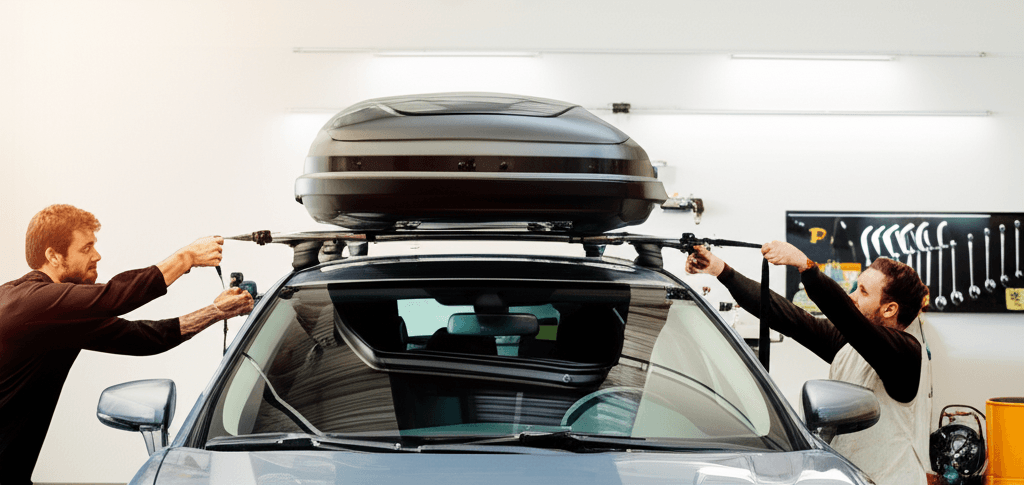
Yes, roof boxes generally do affect fuel consumption, increasing it due to added weight and aerodynamic drag. The extent of this impact depends on the box’s size, shape, load, and vehicle type. Careful selection and packing can minimize this effect.
Planning a road trip and wondering if adding a roof box to your car will cost you more at the pump? It’s a common concern for many drivers, especially when you need that extra space for luggage, sports gear, or camping equipment. You’re not alone if you feel a bit uncertain about how all these car accessories work together. Don’t worry, because understanding the impact of a roof box on your car’s fuel efficiency is simpler than you might think. We’ll break down exactly what you need to know, from how they work to how to keep your fuel costs as low as possible. Let’s explore how to maximize your car’s capacity without drastically increasing your gas bill.
The Aerodynamic Effect: How Roof Boxes Impact Your MPG
When you attach a cargo box to your car’s roof, you’re essentially adding a new shape to your vehicle’s profile. This shape interacts with the wind as you drive, and this interaction is called aerodynamic drag. Think of it like trying to walk into a strong wind – it takes more effort. The same principle applies to your car. The wind pushes against the roof box, forcing your engine to work harder to maintain speed. This increased effort directly translates to using more fuel.
The shape and size of the roof box play a significant role. Sleek, low-profile boxes designed with aerodynamics in mind will create less drag than larger, boxier ones. Even an empty roof box will increase drag compared to having nothing on the roof because it disrupts the smooth flow of air over your car.
Weight Matters, Too
Beyond aerodynamics, the weight of the roof box and its contents adds to your car’s overall load. A heavier car requires more energy to accelerate and maintain speed, especially on hills. While the weight of the box itself might be moderate, the gear you pack inside can add up quickly. This combined weight is another factor that contributes to a decrease in your miles per gallon (MPG).
Quantifying the Impact: How Much Fuel Consumption Increases
It’s tough to give an exact number because so many factors are involved, but research and real-world tests offer some insights. The general consensus is that adding a roof box an increase in fuel consumption can range from 2% to 10% or even more, especially at highway speeds.
Let’s break down the variables:
Roof Box Design: A well-designed, aerodynamic roof box will cause less of a fuel penalty than a basic, boxy one. Smooth lines and a low profile help the air flow around it more easily.
Speed: Aerodynamic drag increases significantly with speed. Driving at 75 mph creates much more drag than driving at 55 mph. This means the impact of a roof box is far greater on faster highways.
Load: The weight of the items you pack inside the box. A heavier load means your engine works harder.
Vehicle Type: Larger vehicles, like SUVs and trucks, might see a proportionally smaller percentage increase in fuel consumption compared to smaller, more fuel-efficient cars, but the absolute difference in gallons used could be similar or even higher.
Weather Conditions: Strong headwinds will exacerbate the fuel consumption hike.
Typical Scenarios and Estimated Increases
Here’s a general idea of what you might expect:
| Scenario | Effect on Car | Estimated Fuel Impact |
|---|---|---|
| Car with no roof box, driving at 65 mph | Baseline fuel consumption | Standard MPG |
| Car with an empty, aerodynamic roof box, driving at 65 mph | Slight increase in drag | Estimated 2–5% lower MPG |
| Car with a moderately loaded, aerodynamic roof box, driving at 65 mph | Increased drag and weight | Estimated 5–8% lower MPG |
| Car with a heavily loaded, less aerodynamic roof box, driving at 75 mph | Significantly increased drag and weight | Estimated 8–15%+ lower MPG |
| Car with a fully loaded, large, boxy roof box, driving at 75 mph | Maximum drag and weight | Could see decreases upwards of 15–20% in MPG |
It’s important to remember these are estimates. Your actual mileage will vary based on the specific conditions.
Choosing the Right Roof Box: Aerodynamics and Efficiency
When you’re in the market for a roof box, think like an engineer – you want something that cuts through the air as smoothly as possible. Not all roof boxes are created equal when it comes to fuel efficiency.
Key Features to Look For:
Low Profile Design: Boxes that sit lower on the crossbars will present a smaller frontal area to the wind, reducing drag.
Aerodynamic Shaping: Look for boxes with curved, tapered fronts and smooth surfaces. These are designed to channel air around them more effectively. Manufacturers often test these designs to optimize airflow. Some higher-end boxes even incorporate spoilers or diffusers to further minimize drag.
Material and Construction: Lighter materials like ABS plastic can help reduce the overall weight added to your car. A well-sealed box is also important to prevent wind noise, which can sometimes be an indicator of poor aerodynamics.
Size: Bigger isn’t always better. Choose a box that provides enough space for your needs but isn’t excessively large, as larger boxes generally create more drag.
When visiting a store or browsing online, pay attention to product descriptions. Manufacturers often highlight aerodynamic features. You can also look for reviews that specifically mention noise and fuel economy. Taking a moment to compare different models can save you money in the long run.
Maximizing Your Load: Packing Smart for Better MPG
How you pack your roof box can make a surprising difference. It’s not just about fitting everything in; it’s about how you place it within the box and the overall weight distribution.
Tips for Efficient Packing:
Distribute Weight Evenly: Try to place heavier items in the center of the box, over the roof crossbars. This helps maintain the car’s balance. Avoid packing all heavy items at the very front or back of the box.
Fill the Space: A partially empty box can be noisier and might shift items around, creating more drag. Try to fill the available space snugly, using soft bags or blankets to fill voids. This also helps prevent items from rattling.
Don’t Overpack: While you want to fill the space, don’t exceed the box’s weight limit or your car’s roof load capacity. Overloading can affect handling and is dangerous. Always check your car’s owner’s manual for its specific roof load rating.
Secure Everything: Loose items can shift during transit, affecting balance and potentially creating more drag or noise. Use any internal straps or securing points within the box.
Packing strategically is an often overlooked aspect of fuel efficiency. Think of it as a puzzle – arranging items to be secure, balanced, and reduce wasted space.
The Role of Roof Rack Systems (Crossbars)
The roof box itself isn’t the only culprit; the underlying roof rack system, consisting of crossbars and feet, also contributes to fuel consumption. These components are necessary to attach the roof box to your car, but they also add their own drag and weight.
Understanding Your Rack System
Crossbar Shape: Aerodynamic, wing-shaped crossbars create less drag than older, square-profile bars. Some manufacturers have designed their crossbars specifically to reduce wind noise and drag when a roof box is not attached, and these benefits carry over when a box is added.
Crossbar Spacing: The distance between your crossbars can influence how well a roof box sits and how aerodynamic the whole setup is. However, this is usually determined by your vehicle’s mounting points.
Installation: Proper installation is crucial. Ensure the feet are firmly attached to your vehicle’s mounting points and the crossbars are securely locked. Any looseness can create wind noise and inefficiency.
For those interested in the technical side of aerodynamics, resources like NASA’s Center for Aerospace Information offer a wealth of information on airflow and drag reduction principles, which are fundamental to how roof box designs are optimized.
Driving Habits That Minimize Fuel Consumption with a Roof Box
Even with the best-designed roof box and smart packing, your driving habits have a massive impact on fuel consumption. This is an area where you have direct control.
Driving Strategies for Better MPG:
Moderate Your Speed: This is arguably the most significant factor. Reducing your highway speed by just 5-10 mph can yield noticeable fuel savings. Try to stick to the speed limit or slightly below, especially when you have a loaded roof box.
Smooth Acceleration and Braking: Avoid sudden starts and stops. Gentle acceleration and anticipating traffic lights or other slowdowns so you can coast to a stop will save fuel. Your engine works harder when it has to make up for rapid changes in speed.
Use Cruise Control on Flat Roads: On relatively flat highways, cruise control can help maintain a steady speed, optimizing fuel use. However, be mindful that it might cause more aggressive acceleration on slight inclines.
Minimize Idling: If you’re stopped for more than a minute, it’s often more fuel-efficient to turn off your engine, especially in older vehicles. Modern cars are designed to restart efficiently.
Plan Your Route: Combining errands and avoiding unnecessary detours reduces overall mileage and fuel consumption.
These driving techniques are beneficial whether you have a roof box or not, but their impact is amplified when you’re carrying extra load and facing increased aerodynamic drag.
The Trade-Off: When a Roof Box is Worth the Fuel Cost
It’s clear that a roof box affects fuel consumption. So, is it ever worth it? Absolutely! For many, the ability to carry essential gear opens up opportunities for adventures and family trips that wouldn’t be possible otherwise.
Think about:
Family Vacations: Bringing along strollers, extra clothes, or camping gear can make family trips more comfortable and enjoyable.
Outdoor Adventures: Kayaks, skis, bikes, surfboards – if your car can’t fit them inside, a roof box or specific carriers are essential.
Moving or Large Purchases: Sometimes, you just need that extra cargo space for a temporary need.
* Maximizing Passenger Comfort: Keeping luggage on the roof means more legroom and comfort for your passengers inside the car.
The key is to weigh the benefits against the cost. If you only use a roof box occasionally, the increased fuel cost for those trips might be a small price to pay for the convenience and experience it enables. If you’re a frequent traveler or regularly transport large items, investing in a more aerodynamic box and adopting fuel-saving driving habits becomes even more important.
When to Remove Your Roof Box
If you don’t drive very far with your roof box mounted, or if it’s a temporary solution, consider removing it when it’s not in use. Even an empty, aerodynamic roof box increases drag and will slightly reduce your MPG. If you have a longer commute or do a lot of city driving where speed is lower, the difference might be less pronounced. However, for most drivers, removing the box when it’s not needed is one of the simplest ways to ensure you’re not needlessly burning extra fuel.
Think of it like this: a roof box is a tool for specific jobs. Once the job is done, put the tool away until you need it again. This simple habit can lead to significant savings over time.
Frequently Asked Questions (FAQ) About Roof Boxes and Fuel Consumption
Q1: Will my car feel different to drive with a roof box?
Yes, you might notice some changes. With a loaded roof box, your car will feel heavier, which can affect acceleration and braking. You might also experience more wind noise and a slight reduction in responsiveness, especially in windy conditions. It’s important to adjust your driving gently.
Q2: How much does an empty roof box affect gas mileage?
An empty, aerodynamic roof box can reduce your fuel efficiency by about 2-5%. A larger, less aerodynamic box will have a greater impact. This is due to increased air resistance (drag) even when no items are inside.
Q3: Is it better to put luggage on a roof rack or inside the car?
Generally, it’s more fuel-efficient to pack as much as possible inside your car. This keeps the weight low and reduces aerodynamic drag. However, if you don’t have enough space inside, a roof box becomes a necessary alternative. If your car is a large SUV or truck, the internal space might be considerable, but a roof box can still be useful for bulky items.
Q4: What is the typical weight capacity of a roof box?
Roof box weight capacities vary greatly by model but often range from around 50 kg (110 lbs) to 100 kg (220 lbs). Always check the specific product specifications and, crucially, your vehicle’s roof load limit. The vehicle’s limit is usually the most important factor to consider.
Q5: How can I reduce wind noise from a roof box?
Wind noise is often a sign of increased drag. Ensure your roof box is securely mounted and that all latches are firmly closed. Some roof boxes are designed to be quieter than others. Inspecting the seals and making sure no parts are loose can also help. Sometimes rearranging the contents can reduce rattling that might add to perceived noise.
Q6: Should I remove my roof box for short trips or when I’m not using it?
Yes, it’s highly recommended. Even an empty roof box increases aerodynamic drag and reduces fuel economy. For short trips or days when you don’t need the extra storage, removing the roof box will save you money on fuel and reduce wear and tear on your roof rack system.
Conclusion: Smart Travel is Efficient Travel
Adding a roof box to your vehicle is a fantastic way to expand your cargo-carrying capabilities, making longer trips and adventures more accessible and comfortable. However, it’s undeniable that this convenience comes with a trade-off: increased fuel consumption. The added weight and, more significantly, the aerodynamic drag created by the box mean your engine has to work harder, leading to a decrease in your MPG.
The good news is that this impact can be managed. By choosing a well-designed, aerodynamic roof box, packing your gear strategically to distribute weight evenly and fill empty spaces, and most importantly, by adopting smoother, more moderate driving habits, you can significantly mitigate the fuel penalty. Understanding the factors—from the box’s shape to your speed on the road—empowers you to make informed decisions.
Ultimately, the decision to use a roof box is about balancing needs and costs. For the freedom to carry what you need for the memories you want to make, the slight increase in fuel consumption is often a worthwhile investment. By being mindful of these tips, you can enjoy the benefits of your roof box while driving smarter and saving money at the pump whenever possible. Happy travels!