
If you manage a cold storage facility, you know how crucial it is to keep your products safe and organized. But are you using the right racking system to maximize space and efficiency?
Cold storage racking isn’t just about stacking shelves—it’s about protecting your inventory, saving energy, and boosting your bottom line. You’ll discover everything you need to know to choose the best racking for your cold storage needs. By the end, you’ll have clear, practical insights that can transform how you store and handle your products.
Ready to get started? Let’s dive in.
Benefits Of Cold Storage Racking
Cold storage racking offers many benefits for warehouses and storage facilities. It helps keep products organized and safe in cold environments. The right racking system makes the best use of space and improves how inventory is managed. It also boosts safety and makes items easier to access. Understanding these benefits helps in choosing the right system for cold storage needs.
Enhanced Space Utilization
Cold storage racking uses vertical space effectively. It allows stacking items safely without wasting floor area. This design helps store more products in less space. Efficient space use lowers storage costs and maximizes warehouse capacity. It also keeps the cold air circulating better around the products.
Improved Inventory Management
Racking systems organize products clearly and logically. This setup makes it easier to track inventory levels. Staff can find items quickly, reducing search time. It helps avoid product damage by keeping items off the floor. Better inventory control also reduces waste and spoilage.
Increased Safety And Accessibility
Cold storage racks provide stable support for heavy loads. They reduce the risk of accidents caused by falling items. Proper racking keeps pathways clear for workers and equipment. It improves access to goods, speeding up loading and unloading. Safe and easy access protects both workers and products.
Types Of Cold Storage Racking
Cold storage racking plays a key role in organizing frozen goods. Different types fit different needs and spaces. Choosing the right racking keeps products safe and easy to access.
Selective Pallet Racking
This racking type is common in cold storage warehouses. It allows direct access to every pallet. Easy to load and unload. It works well for diverse products with varied turnover rates. Space use is efficient but not the highest.
Drive-in And Drive-through Racking
These racks offer deep storage by stacking pallets closely. Drive-In means forklifts enter from one side only. Drive-Through allows entry from both sides for faster flow. Best for large quantities of similar products. Not ideal for items needing frequent access.
Push Back Racking
Push back racks hold multiple pallets on inclined carts. Pallets slide back when loaded, and forward when removed. Saves aisle space and increases storage density. Works well with products that have medium turnover. Access to the front pallet only.
Cantilever Racking
Cantilever racks store long or bulky items like pipes or lumber. Arms extend from a central column without front support. Easy loading and unloading of odd-shaped goods. Ideal for cold storage with non-palletized inventory. Helps keep items organized and accessible.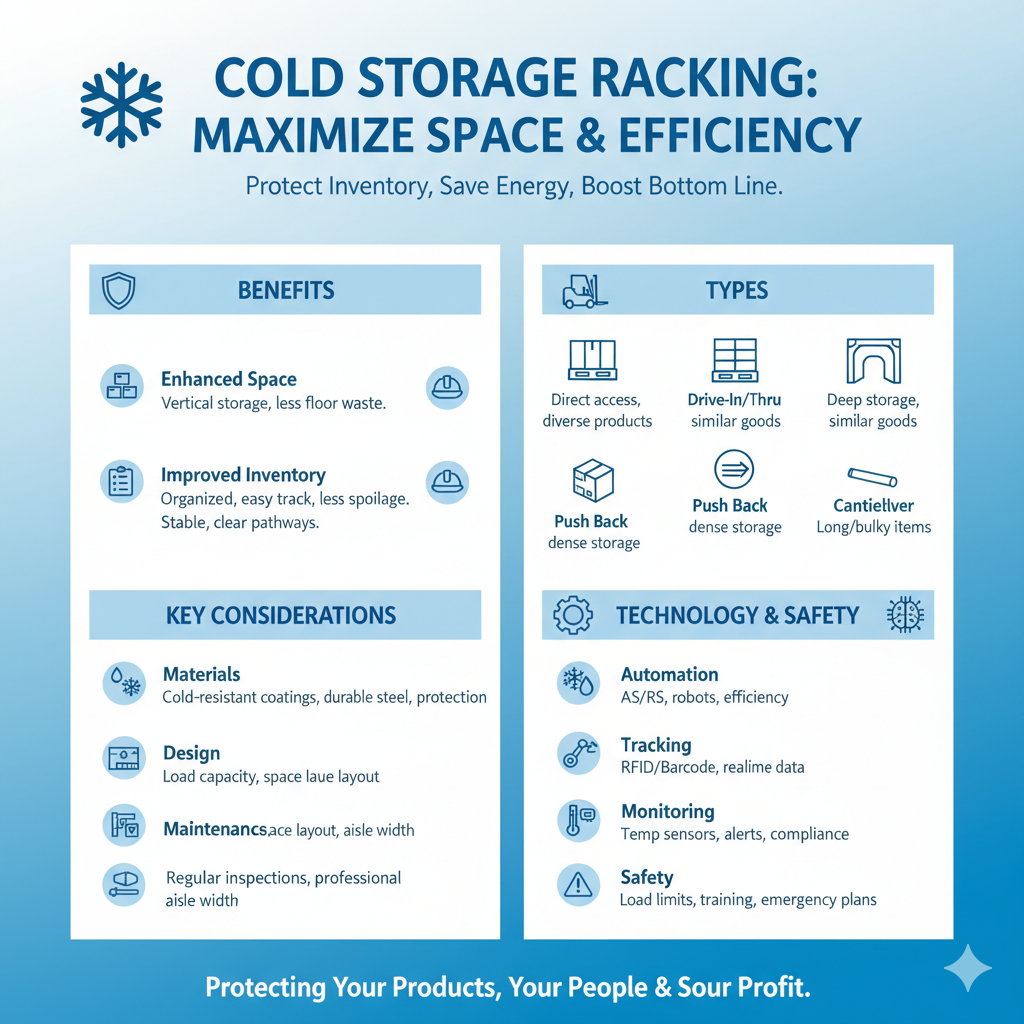
Materials And Construction
Cold storage racking requires special materials and construction. These racks must handle low temperatures and tough conditions. Choosing the right materials ensures safety and durability. It also protects goods from damage and contamination.
Cold-resistant Coatings
Coatings protect racks from cold damage. They prevent cracking and brittleness. These coatings keep racks strong and stable. They also help resist extreme temperature changes. This extends the rack’s life in cold storage.
Durable Steel Frames
Steel is the main material for cold storage racks. It offers strength and support for heavy loads. Steel frames resist bending and breaking. They maintain shape even in freezing conditions. This keeps stored items safe and organized.
Moisture And Corrosion Protection
Cold storage environments are damp and prone to rust. Protective treatments stop moisture from harming racks. Corrosion-resistant layers keep steel safe and clean. This prevents weakening and extends rack lifespan. Proper protection lowers maintenance costs.
Design Considerations For Cold Storage
Designing cold storage racking requires careful thought. The environment inside a cold storage unit is unique. Factors like temperature and humidity can affect the structure and safety of the racks. Proper design helps protect goods and ensures smooth operations.
Each element must work well together. This keeps products safe and accessible. The right design also saves space and improves efficiency. Below are key points to consider when planning cold storage racking.
Temperature And Humidity Effects
Cold storage environments often have very low temperatures. These can cause metal racks to become brittle over time. High humidity can lead to rust and corrosion. Use materials that resist cold and moisture damage. Coatings and finishes help protect the racks. Regular checks prevent long-term damage and maintain safety.
Load Capacity And Weight Distribution
Racks must support heavy loads safely. Calculate the maximum weight each shelf will hold. Distribute weight evenly to avoid rack failure. Use strong materials and secure fastenings. Overloading racks can lead to accidents and product loss. Clear labeling of load limits helps workers follow safety rules.
Space Layout And Aisle Width
Space is limited in cold storage rooms. Plan rack layout to maximize storage capacity. Leave enough aisle space for forklifts and workers. Narrow aisles save space but reduce movement ease. Wide aisles improve access but reduce storage space. Balance aisle width with operational needs for best results.
Installation Best Practices
Proper installation of cold storage racking ensures safety and efficiency. Following best practices reduces risks and extends the system’s life. Each step matters, from preparing the site to regular maintenance. Below are key practices to keep in mind.
Site Preparation
Clear the area of debris and obstacles before installation. Check the floor for levelness and strength. Uneven or weak floors can cause racking instability. Mark the layout clearly to avoid mistakes. Proper space planning helps maximize storage and access.
Professional Assembly
Hire experienced technicians for racking assembly. They follow manufacturer instructions closely. Correct assembly prevents accidents and product damage. Use the right tools and safety gear during installation. Double-check all bolts and connections for tightness.
Regular Inspections And Maintenance
Inspect racks regularly for damage or wear. Look for bent frames, loose bolts, or rust. Fix issues immediately to avoid accidents. Clean racks to prevent dirt buildup that affects strength. Schedule maintenance checks at least twice a year.
Maximizing Space Efficiency
Maximizing space efficiency is crucial in cold storage. Limited space and high costs make every inch valuable. Smart design and organization help store more products safely. This boosts productivity and lowers expenses.
Optimizing Rack Height
Use the full height of your storage area. Higher racks hold more items without expanding the footprint. Make sure racks are strong and safe to avoid accidents. Adjust rack height to match product size and forklift reach. Proper height reduces wasted space above stored goods.
Using Vertical Space
Stack products vertically to increase storage capacity. Use tall shelving and pallet racks designed for cold rooms. Vertical space often goes unused but can hold many items. Ensure easy access with suitable equipment like forklifts or pallet jacks. This method keeps floors clear and aisles wide.
Implementing Fifo And Lifo Systems
FIFO means first in, first out. It helps move older stock before new arrivals. FIFO prevents product spoilage in cold storage. LIFO means last in, first out. It suits products with longer shelf life or special handling. Choose a system that fits your product type and turnover. Organized stock flow saves space and reduces waste.
Safety Measures In Cold Storage Racking
Safety is a top priority in cold storage racking. Proper safety measures help prevent accidents and protect workers. Cold environments and heavy loads increase risks. Following clear rules keeps everyone safe and operations smooth.
Load Limits And Signage
Every rack has a weight limit. Exceeding this limit can cause racks to collapse. Signs must show load limits clearly and visibly. Workers should check these signs before placing items. Proper labeling helps avoid mistakes and damage.
Employee Training
Workers must learn safe handling of racks and products. Training includes how to stack items evenly and securely. Employees learn to spot damaged racks and report issues. Regular refreshers keep safety knowledge up to date.
Emergency Procedures
Clear plans help in case of accidents or emergencies. Workers should know exit routes and alarm locations. Drills prepare staff to react quickly and calmly. Emergency tools must be easy to find and use.
Technology Integration
Technology plays a big role in cold storage racking. It helps keep goods safe and organized. It also saves time and reduces errors. Many tools and systems work together to improve cold storage operations.
Automated Storage And Retrieval Systems
Automated storage and retrieval systems, or AS/RS, move products without human help. They use robots or machines to place and pick items on racks. This reduces worker fatigue and speeds up operations. AS/RS works well in cold environments, keeping products safe.
Inventory Tracking Solutions
Inventory tracking uses barcodes or RFID tags to follow products. It shows real-time stock levels and location. This helps avoid running out of items or overstocking. Tracking systems also reduce mistakes in order picking and shipping.
Temperature Monitoring Tools
Temperature monitoring tools check the cold storage environment constantly. Sensors send alerts if temperatures rise or fall outside set limits. This prevents spoilage and maintains product quality. These tools also help meet safety regulations easily.

- System: AMD Ryzen 7 8700F 4.1GHz 8 Cores | AMD B850 Chipset | 16GB DDR5 | 1TB PCIe 4.0 NVMe SSD | Windows 11 Home
- Graphics: NVIDIA GeForce RTX 5060 Ti 8GB Graphics | 1x HDMI | 2x DisplayPort
- Connectivity: 2 x USB-C 3.2 | 4 x USB-A 3.2 | 2 x USB-A 2.0 | 1 x LAN | WiFi 6 | Bluetooth 5.3 | 7.1 Channel Audio
Frequently Asked Questions
What Is Cold Storage Racking Used For?
Cold storage racking organizes and stores goods in refrigerated warehouses. It maximizes space, improves inventory management, and maintains product quality by ensuring proper airflow and temperature control.
How Does Cold Storage Racking Differ From Regular Racking?
Cold storage racking is designed to withstand low temperatures and humidity. It uses corrosion-resistant materials and allows better airflow to preserve perishable goods safely, unlike regular racking systems.
What Materials Are Best For Cold Storage Racking?
Stainless steel and galvanized steel are ideal materials. They resist rust, corrosion, and moisture damage, ensuring durability and hygiene in cold storage environments.
How To Maintain Cold Storage Racking Systems Effectively?
Regular inspections for rust, damage, and loose components are essential. Clean racks often to prevent contamination and ensure optimal airflow and safety in cold storage.
Conclusion
Cold storage racking helps keep products safe and organized. Choosing the right racks saves space and reduces damage. Regular checks ensure racks stay strong and reliable. Simple design and good layout improve work speed. Knowing these basics makes cold storage easier to manage.
Use this knowledge to keep your storage efficient and safe.

- NVIDIA Ampere Streaming Multiprocessors: The all-new Ampere SM brings 2X the FP32 throughput and improved power efficien…
- 2nd Generation RT Cores: Experience 2X the throughput of 1st gen RT Cores, plus concurrent RT and shading for a whole ne…
- 3rd Generation Tensor Cores: Get up to 2X the throughput with structural sparsity and advanced AI algorithms such as DLS…
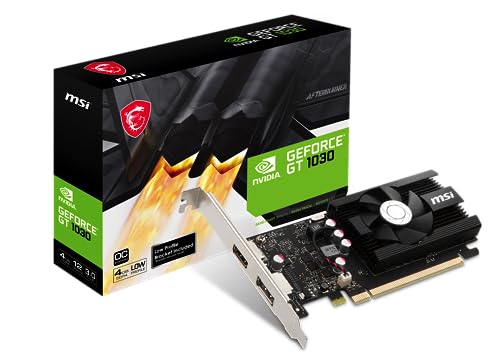
- Chipset: NVIDIA GeForce GT 1030
- Video Memory: 4GB DDR4
- Boost Clock: 1430 MHz

- DLSS is a revolutionary suite of neural rendering technologies that uses AI to boost FPS, reduce latency, and improve im…
- Fifth-Gen Tensor Cores, New Streaming Multiprocessors, Fourth-Gen Ray Tracing Cores
- Reflex technologies optimize the graphics pipeline for ultimate responsiveness, providing faster target acquisition, qui…
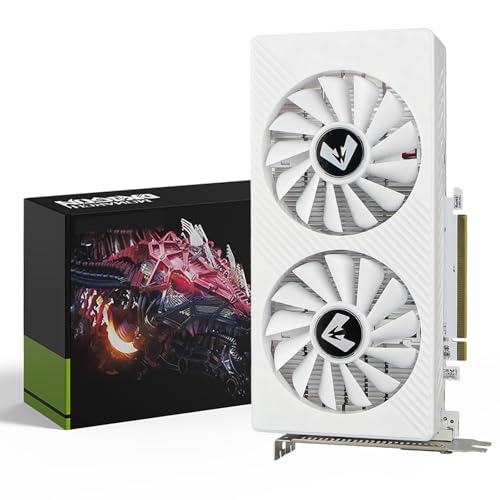
- 1.【Extraordinary Gaming Experience 】The RX580 Equipped with 8GB GDDR5 High-Performance Graphics Memory Featuring a 256-b…
- 2.【Advanced Refrigeration and Low noise】 Dual-fan Ice Armor Cooling System Equipped with a 90mm biomimetic shark fin fan…
- 3.【Diversing Interfaces and Different High-quality Viusal Experience】The RX580 has socketed with HDMI 2.0b + DisplayPort…

- AI-Powered Performance: The AMD Ryzen 7 260 CPU powers the Nitro V 16S, offering up to 38 AI Overall TOPS to deliver cut…
- Game Changer: Powered by NVIDIA Blackwell architecture, GeForce RTX 5060 Laptop GPU unlocks the game changing realism of…
- Supreme Speed. Superior Visuals. Powered by AI: DLSS is a revolutionary suite of neural rendering technologies that uses…

- HIGH-LEVEL PERFORMANCE – Unleash power with Windows 11 Home, an Intel Core i7 Processor 14650HX, and an NVIDIA GeForce R…
- FAST MEMORY AND STORAGE – Multitask seamlessly with 16GB of DDR5-5600MHz memory and store all your game library on 1TB o…
- DYNAMIC DISPLAY AND SMOOTH VISUALS – Immerse yourself in stunning visuals with the smooth 165Hz FHD+ display for gaming,…