
Quick Summary:
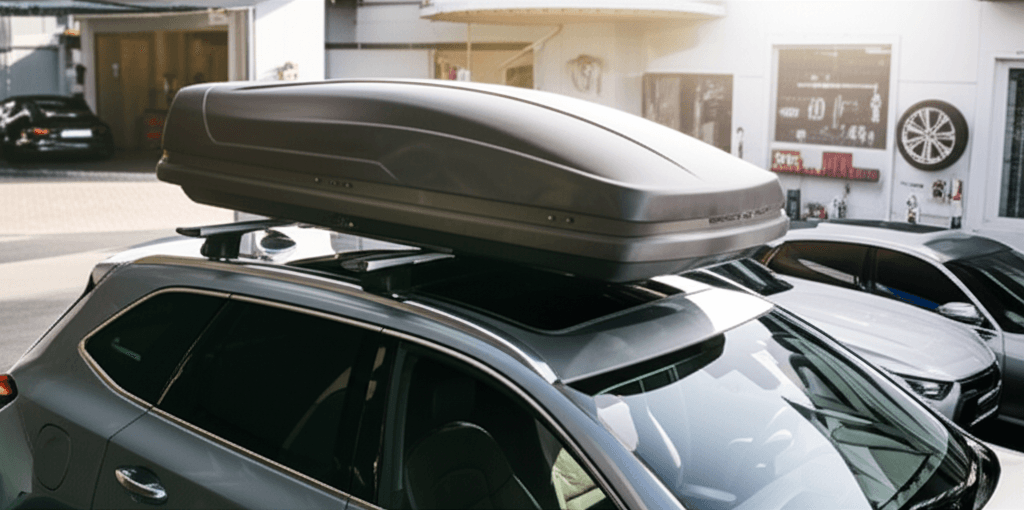
Wondering if cargo boxes are worth the investment? Yes, they absolutely can be! Cargo boxes offer versatile, secure storage for gear, freeing up your car’s interior and protecting your belongings from the elements. They’re a fantastic way to maximize your vehicle’s capacity for adventures and everyday hauling needs.
Heading out on an adventure, packing for a family trip, or just need more space for your gear? You’ve probably seen those sleek boxes mounted on top of cars and wondered, “Are cargo boxes worth it?” It’s a common question, especially when you start to think about adding new accessories to your vehicle. The good news is, you’re in the right place to find out! Many car owners face the same challenge: not enough room for everything they want to bring. Don’t worry, we’ll break down exactly what cargo boxes offer and help you decide if they’re the perfect fit for your needs. Let’s dive into making your travels and hauling a lot easier!
Are Cargo Boxes Worth It? The Beginner’s Breakdown
As Kelly Hester, your go-to for all things car gear, I get asked this a lot. Think of a cargo box, often called a roof box or ski box, as an extension of your car’s trunk. It sits neatly on your roof, strapped securely, and gives you extra space for luggage, sports equipment, strollers, you name it. For families, campers, skiers, or anyone who frequently hauls a lot, these boxes are more than just an accessory; they can be a game-changer. But are they worth the money? Let’s explore the nitty-gritty.
The Big Advantages: Why People Love Cargo Boxes
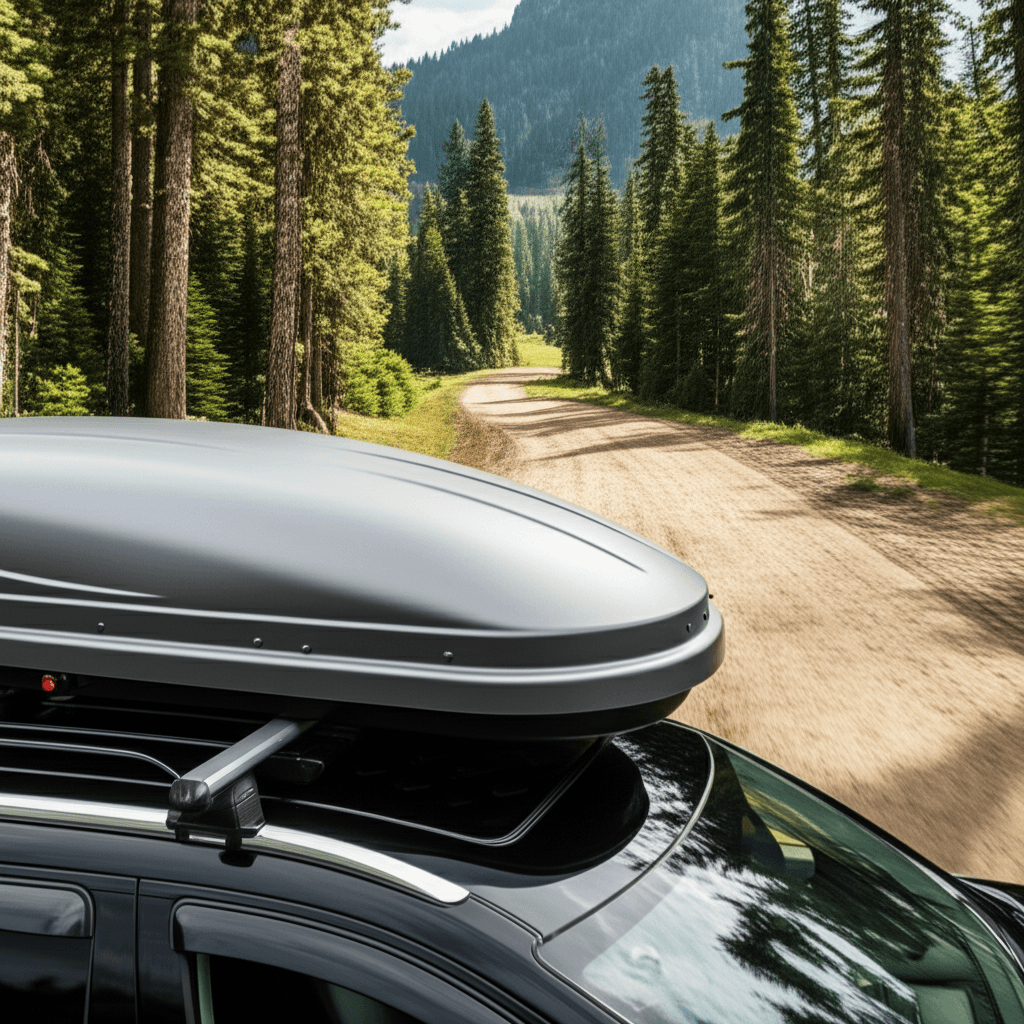
Cargo boxes aren’t chosen just because they look cool (though many do have a sleek design!). They offer some really practical benefits that make them a worthwhile addition for many vehicle owners. Here’s why they’re a popular choice:
- Massive Space Boost: This is the number one reason. They instantly add significant storage volume to your vehicle. Think of all that stuff that usually crowds your back seat or trunk – it can now have its own dedicated spot.
- Keeps Your Car Interior Clean and Tidy: No more dirty sports gear stinking up your car, or sandy beach towels leaving a mess. Everything stays contained in the box, keeping your cabin fresh and organized.
- Protection from the Elements: Most cargo boxes are lockable and weatherproof. This means your luggage, sleeping bags, or expensive ski gear are protected from rain, snow, sun, and dust.
- Versatility for All Sorts of Gear: Whether it’s suitcases for a road trip, skis for a winter getaway, camping equipment, or even baby strollers, cargo boxes can accommodate a wide range of items. Some are specifically designed for sports equipment like skis or kayaks, but general-purpose boxes are incredibly flexible.
- Improved Aerodynamics (Sometimes): While they do add drag, well-designed cargo boxes can be more aerodynamic than a car stuffed to the gills with gear strapped to a roof rack, potentially leading to slightly better fuel efficiency than a very poorly packed car.
- Easy Access to Your Vehicle’s Trunk: When your cargo is on the roof, you don’t have to dig through it to access items in your car’s trunk. Everything is neatly stowed away.
The Downsides and Considerations: What to Watch Out For
Like any automotive accessory, cargo boxes aren’t without their drawbacks. Understanding these will help you make a fully informed decision:
- Cost: Good quality cargo boxes can be a significant investment, ranging from a few hundred to over a thousand dollars.
- Fuel Economy Impact: Adding a box to your roof will increase your vehicle’s aerodynamic drag. This means you’ll likely see a decrease in your miles per gallon (MPG), especially at highway speeds. The impact can vary depending on the box’s design, size, and how full it is.
- Installation: While generally straightforward, installing a cargo box requires a roof rack system first. Attaching the box to the rack can sometimes be a two-person job and might take a little getting used to.
- Height Restrictions: Your vehicle will be taller with a cargo box installed. This is crucial to remember when entering parking garages, drive-thru lanes, or areas with low overhangs. Always check posted height limits! A good rule of thumb for most car washes is to avoid them with a cargo box on.
- Noise: Some cargo boxes can create wind noise, especially at higher speeds. The design and how securely it’s mounted play a big role in this.
- Storage When Not in Use: If you only use your cargo box occasionally, you’ll need a place to store it when it’s not on your car. They can be bulky and take up space.
The Essential Components: What You Need Before You Buy a Cargo Box
Before you even start looking at cargo boxes, there’s one crucial piece of equipment you absolutely need: a roof rack system. Cargo boxes don’t magically attach to your car’s roof. They need a foundation. Think of it like needing a sturdy table before you can place a decorative vase on it.
Roof Racks: The Unsung Hero
A roof rack system typically consists of:
- Crossbars: These are the horizontal bars that stretch across your roof.
- Fit Kit/Foot Pack (or similar mounting hardware): This is what actually attaches the crossbars to your car’s specific make and model. This can involve door clips, gutter mounts, or rails.
There are several types of roof racks, and the best one for you depends on your car:
| Roof Rack Type | Description | Best For |
|---|---|---|
| Factory/OEM Racks | Pre-installed by the car manufacturer, often integrated into the roofline (like raised rails or flush rails). | Vehicles that come standard with them. Usually require specific attachments. |
| Bare Roof Systems | Mount directly onto the car’s roof using clips that grip the door frame. | Cars without factory-installed racks or raised rails. |
| Raised Side Rails | Rails running front-to-back along the edges of the roof, with a gap underneath. Crossbars attach to these rails. | SUVs, minivans, and wagons with these rails. |
| Flush Side Rails | Similar to raised rails but sit directly on the roof with no gap. | Many modern SUVs and wagons. Require specialized foot packs. |
| Rain Gutters | Older vehicles might have a “gutter” along the roof edge. | Classic cars or older SUVs/trucks with this feature. |
Where to find reliable roof rack information: Always refer to your car’s owner’s manual for guidance on approved rack systems. Reputable manufacturers like Thule or Yakima have excellent online tools to help you find the right rack for your specific vehicle model and year. They’ll guide you through selecting the correct towers, crossbars, and fit kits. Always use their vehicle fit guides.
Once you have a roof rack system installed, you’ll need to ensure it can support the weight and dimensions of your chosen cargo box. Most car roof racks have a weight limit. Check both your car’s manual and the rack manufacturer’s specifications. Transporting heavy items on a rack that can’t handle the load is a major safety hazard.
Choosing Your Cargo Box: What to Look For
Now for the fun part – picking the box itself! Here are key factors to consider:
1. Size and Capacity
Cargo boxes come in various lengths, and their capacity is measured in liters (L) or cubic feet (cu ft). A common mid-size box might hold around 13-16 cubic feet.
- Small/Compact Boxes (up to 10 cu ft): Good for smaller cars, carrying duffel bags, or specialized gear like a couple of pairs of skis.
- Medium Boxes (10-15 cu ft): A popular choice for sedans and smaller SUVs. Can handle family luggage for a weekend trip.
- Large Boxes (15+ cu ft): Ideal for larger SUVs, minivans, or long road trips where you need to pack a lot. Can often fit multiple suitcases or bulky camping gear.
Pro Tip: Measure the gear you most commonly want to carry. Lay it out in your living room and get a sense of the volume. Then, compare that to the box dimensions. Don’t forget to consider the length and width limitations of your car’s roof. You don’t want the box hanging too far over the windshield or rear.
2. Opening Mechanism and Features
- Dual-Side Opening: This is a huge convenience! It allows you to open the box from either the passenger or driver’s side, making loading and unloading much easier, especially on busy roads or in tight parking spots.
- Hatch/Liftgate Clearance: Ensure the box won’t interfere with your rear hatch or trunk when it’s open. Measure the difference between the back of your roof rack and the bottom of your open hatch.
- Locking System: Most boxes come with integrated locks for security. Look for user-friendly and robust locking mechanisms.
- Quick-Mount Hardware: Some boxes have systems that allow for faster and easier attachment to the crossbars.
3. Material and Durability
Most cargo boxes are made from ABS plastic or a composite material. ABS plastic is common because it’s durable, relatively lightweight, and impact-resistant. Higher-end boxes might use more advanced composites. Consider the climate you’ll be using it in – extreme cold can make some plastics brittle.
4. Aerodynamics and Noise
The shape of the box significantly impacts both wind noise and fuel efficiency. Sleeker, more aerodynamic designs tend to be quieter and can have a lesser impact on MPG. User reviews can be very helpful here.
5. Budget
Prices vary widely. A basic, smaller box might be around $300-$500, while a large, feature-rich, aerodynamic model can cost $800-$1200 or more. Remember to factor in the cost of the roof rack system if you don’t already have one!
Installing Your Cargo Box: A Step-by-Step Guide
Once you have your roof rack and cargo box, it’s time to get them mounted. This is usually a straightforward DIY process. Always refer to the specific instructions that came with your roof rack and cargo box, as designs can vary.
Tools You Might Need:
- The cargo box and its mounting hardware
- The roof rack system (towers, crossbars, fit kit)
- A step stool or small ladder (for easier access to the roof)
- A friend to help (highly recommended for lifting and stability!)
- A measuring tape
- A basic wrench set (often included with the hardware)
Installation Steps:
- Install the Roof Rack System First: Follow your rack manufacturer’s instructions precisely to install the towers and crossbars onto your car’s roof. Ensure they are firmly secured and positioned according to the recommended distances (often specified by the box manufacturer for optimal weight distribution).
- Position the Cargo Box: With help, carefully lift the cargo box and place it onto the crossbars. Center it as much as possible, ensuring it sits evenly.
- Align the Mounting Hardware: Most cargo boxes have internal mounting plates or brackets that align with the crossbars. You’ll typically slide these into place from underneath. Refer to your box’s manual to know where these points are on the crossbars.
- Secure the Box to the Crossbars: Insert the bolts or clamps through the mounting hardware and into the box. Hand-tighten everything first.
- Adjust and Tighten: Once all the hardware is in place, adjust the box for perfect alignment. Then, gradually tighten all nuts and bolts in an alternating pattern (like tightening lug nuts on a tire). Don’t overtighten, but ensure they are snug and the box feels secure and doesn’t shift.
- Test the Fit: Gently push and pull on the box to ensure it’s firmly attached and doesn’t move excessively.
- Lock It Up: With the box securely mounted, close and lock it.
- Final Check: Before driving off, double-check that all mounting hardware is tight and the box is stable.

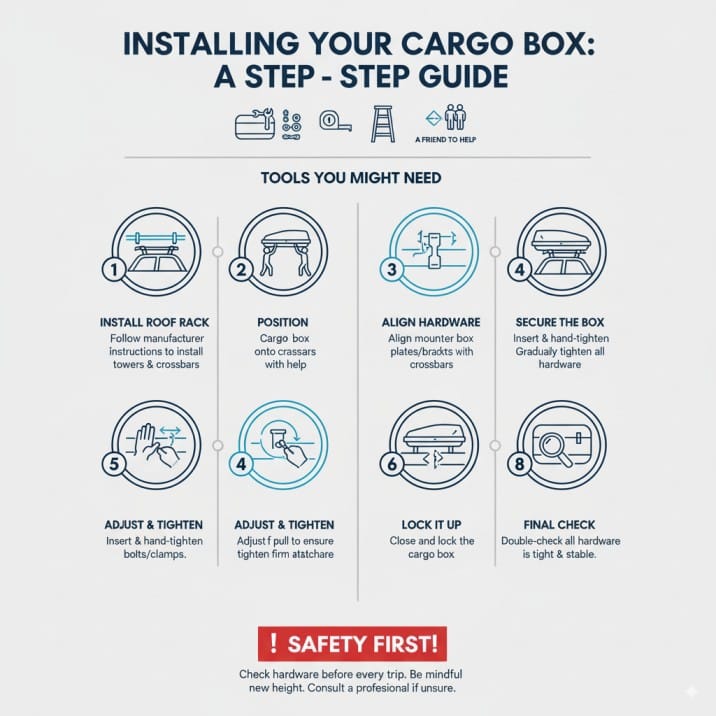
Safety First: Never skip the step of checking your mounting hardware before every trip, and periodically during long journeys. Also, be mindful of your vehicle’s new height. If you’re unsure about any part of the installation, consider getting it done by a professional at a car accessories shop or an auto installer.
Cargo Box vs. Other Cargo Solutions
It’s helpful to see how cargo boxes stack up against other ways of carrying extra gear.
| Feature | Cargo Box | Roof Basket | Hitch-Mounted Cargo Carrier | Interior Cargo Netting/Organizers |
|---|---|---|---|---|
| Capacity | High, enclosed | High, open (can add a cargo net) | Moderate to High, open | Low to Moderate, organizational |
| Weather Protection | Excellent (lockable, waterproof) | Poor (gear exposed) | Poor (gear exposed) | N/A |
| Security | Good (lockable) | Minimal (requires separate locking for gear) | Minimal (requires separate locking for gear) | None |
| Aerodynamics / MPG Impact | Moderate to High | High (can be significant) | Low to Moderate (depending on design) | Very Low |
| Installation Complexity | Moderate (requires roof rack) | Moderate (requires roof rack) | Easy to Moderate (requires hitch receiver) | Easy |
| Cost | Moderate to High | Moderate | Low to Moderate | Low |
| Best For | Luggage, skis, camping gear, general travel where weather protection is needed. | Bulky, dirty, or oddly shaped items that don’t need protection, like camping coolers, firewood. | Large, heavy items like coolers, generators, or storage bins. Good for vehicles without roof racks. | Keeping the interior organized, small items, groceries. |
When is a Cargo Box the Clear Winner?
- Your primary need is to transport luggage, sleeping bags, or valuable gear that needs protection from rain, snow, or theft.
- You frequently take family road trips and want to maximize seating space by moving bags to the roof.
- You’re a skier or snowboarder who needs to transport long equipment safely.
- Your vehicle has factory-installed roof rails or you’re investing in a solid aftermarket roof rack system that can support a box’s weight.
When Might Another Option Be Better?
- You only need to carry dirty or rugged items that can withstand the elements (a roof basket might be better).
- You have a trailer hitch on your vehicle and want to carry items like large coolers or generators (a hitch carrier is ideal).
- Your vehicle doesn’t have a roof rack, and you don’t want to invest in one, but you still need extra cargo space (a hitch carrier could be a solution).
- You’re focused solely on interior organization (nets and dividers are sufficient).
Maintaining Your Cargo Box for Longevity
Once you’ve invested in a cargo box, taking care of it will ensure it serves you well for many adventures to come. Proper maintenance is simple but important.
- Cleaning: After trips, especially in harsh weather, wash your cargo box with mild soap and water. Rinse thoroughly. Avoid harsh chemicals or abrasive cleaners that could damage the plastic.
- Inspection: Regularly check the box for any cracks, loose fittings, or damage. Inspect the latches and lock cylinders to ensure they are working smoothly. A little silicone spray can help keep locks from sticking.