
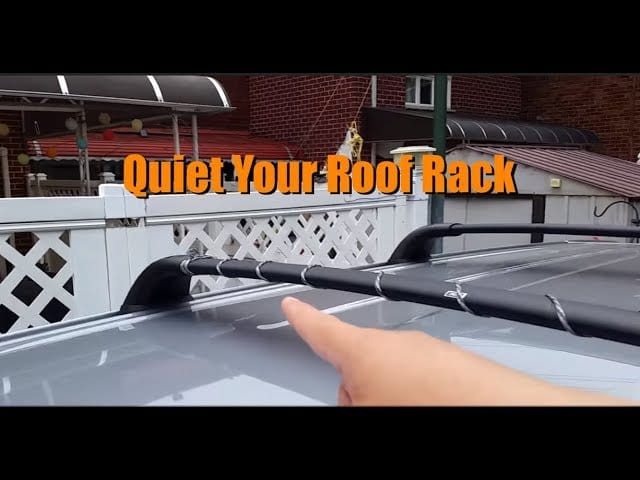
A noisy roof rack can be annoying. It can also signal a problem.
So why is your roof rack making noise? Roof racks are great for extra storage. They let you carry bikes, luggage, and gear. But sometimes, they make noise. This can be a rattle, whistle, or hum. The noise can happen for many reasons.
Loose parts, wind resistance, or improper installation are common causes. Understanding the root of the problem is essential. It ensures your roof rack works well and stays secure. Plus, fixing the noise can make your drives quieter and more enjoyable. So, let’s explore why roof racks make noise and how to solve it.
Credit: www.youtube.com
Common Causes Of Roof Rack Noise
Loose parts on your roof rack can cause noise. Check for any loose screws or bolts. Tighten them with a wrench. Make sure all parts are secure. This will help reduce noise. Inspect the rack regularly. Check all the joints and connections. A loose component can create a lot of noise. A well-maintained rack is quieter.
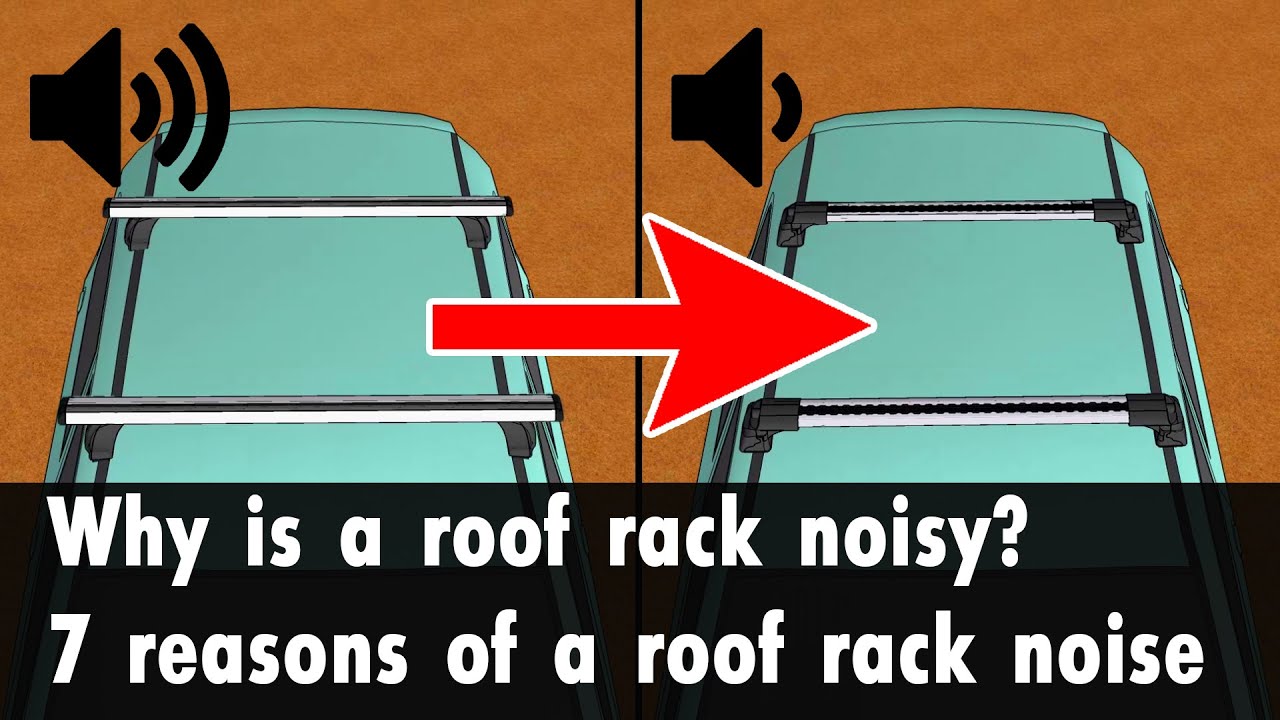
Aerodynamic drag causes wind noise. The shape of the rack affects this. A flat rack can create more noise. Consider using aerodynamic bars. These bars are quieter. They cut through the wind better. Proper placement of items on the rack also helps. Keep them low and close together. This reduces wind resistance. Less drag means less noise.

Credit: www.reddit.com
Identifying The Source Of Noise
First, check if the roof rack is tight. Loose parts can make noise. Look for any missing bolts. Next, examine the roof rack’s alignment. A crooked rack can cause vibrations. Inspect the roof rack for signs of wear. Worn parts can rattle.
Different noises can signal different issues. A whistling sound may mean wind is passing through gaps. Rattling noises often mean loose parts. Humming sounds might be from the rack’s shape. Listen carefully to pinpoint the noise type.
Tightening And Securing Roof Rack
A few tools can help fix roof rack noise. Common tools include a wrench, screwdriver, and pliers. A torque wrench is useful too. Proper tools make the job easier. Make sure all tools are in good condition.
Use the right tool for each part. First, tighten the bolts by hand. Then use a wrench to make them snug. Do not over-tighten. Check the rack to see if it moves. If it does, tighten more. Check all parts for tightness. Loose parts make noise. Tighten them well.
Credit: www.a1roofracks.com.au
Using Wind Fairings
Wind fairings can help reduce noise from roof racks. They direct airflow over the rack. This reduces drag and makes your ride quieter. Fairings also improve fuel efficiency by cutting wind resistance. They are easy to install and can fit most roof racks. Fairings also protect your gear from wind damage.
Make sure the fairing is the right size for your rack. Clean the surface before attaching the fairing. Use the provided clips for secure attachment. Position the fairing at the front of the rack. Check that it is tight and secure. Test drive to ensure noise reduction. Adjust if needed for best results.
Adjusting Roof Rack Position
Proper placement can reduce noise. Place the rack evenly on the roof. Make sure it is not too far forward or backward. This helps balance the weight. It also helps reduce air drag.
Wind can cause noise. Adjust the angle of your rack. A slight tilt can help. Use aerodynamic bars if possible. These bars can cut through the wind. Keep your rack low and close to the roof. This helps reduce wind resistance.
Padding And Damping Solutions
Foam padding is a good choice. It softens the contact points. Rubber padding can also help. It absorbs vibrations well. Felt padding is another option. It is soft and quiet. Use these types of padding to reduce noise.
Clean the roof rack first. This helps the damping material stick. Measure the areas to cover. Cut the damping material to size. Apply it to the roof rack. Make sure it is smooth. This will help reduce noise.
Maintaining Your Roof Rack
Check your roof rack often. Look for loose bolts. Tighten them if needed. Inspect for rust or damage. Replace damaged parts. Clean the rack to avoid dirt build-up. Dirt can cause noise. Keep the roof rack in good shape. Your drive will be quieter.
Use padded brackets. They help reduce noise. Add rubber strips to the rack. They absorb vibrations. Ensure the load is secure. Loose items can rattle. Cover sharp edges with tape. This stops wind noise. Check the roof rack before each trip. Make adjustments as needed.
When To Seek Professional Help
Your roof rack makes loud noises even after adjusting. The rack feels loose or moves while driving. You notice any damage to the rack or car roof. The noise continues even without a load.
Read reviews from other users. Check their experience with roof racks. Compare prices and services. Ask for a warranty on their work.
Frequently Asked Questions
Why Is My Roof Rack So Noisy?
Roof racks can be noisy due to wind resistance. Ensure all parts are tightly secured and streamlined. Check for loose bolts and straps.
How Can I Reduce Wind Noise From My Roof Rack?
To reduce wind noise, use aerodynamic crossbars and fairings. Keep the rack empty when not in use. Position items securely.
Are All Roof Racks Noisy?
Not all roof racks are noisy. Aerodynamic designs minimize noise. Proper installation and maintenance also reduce noise levels.
Does Roof Rack Noise Affect Fuel Efficiency?
Yes, roof rack noise indicates increased wind resistance. This can reduce fuel efficiency. Removing the rack when not needed improves mileage.
Conclusion
To sum up, roof rack noise can be annoying and distracting. Regularly check for loose parts. Ensure proper installation and secure all items. Wind noise may reduce with aerodynamic bars. Padding can also help. Regular maintenance is key. Addressing these issues ensures a quieter, safer ride.
Enjoy your travels without the hassle of a noisy roof rack. Remember, a little care goes a long way. Stay safe on the road!