
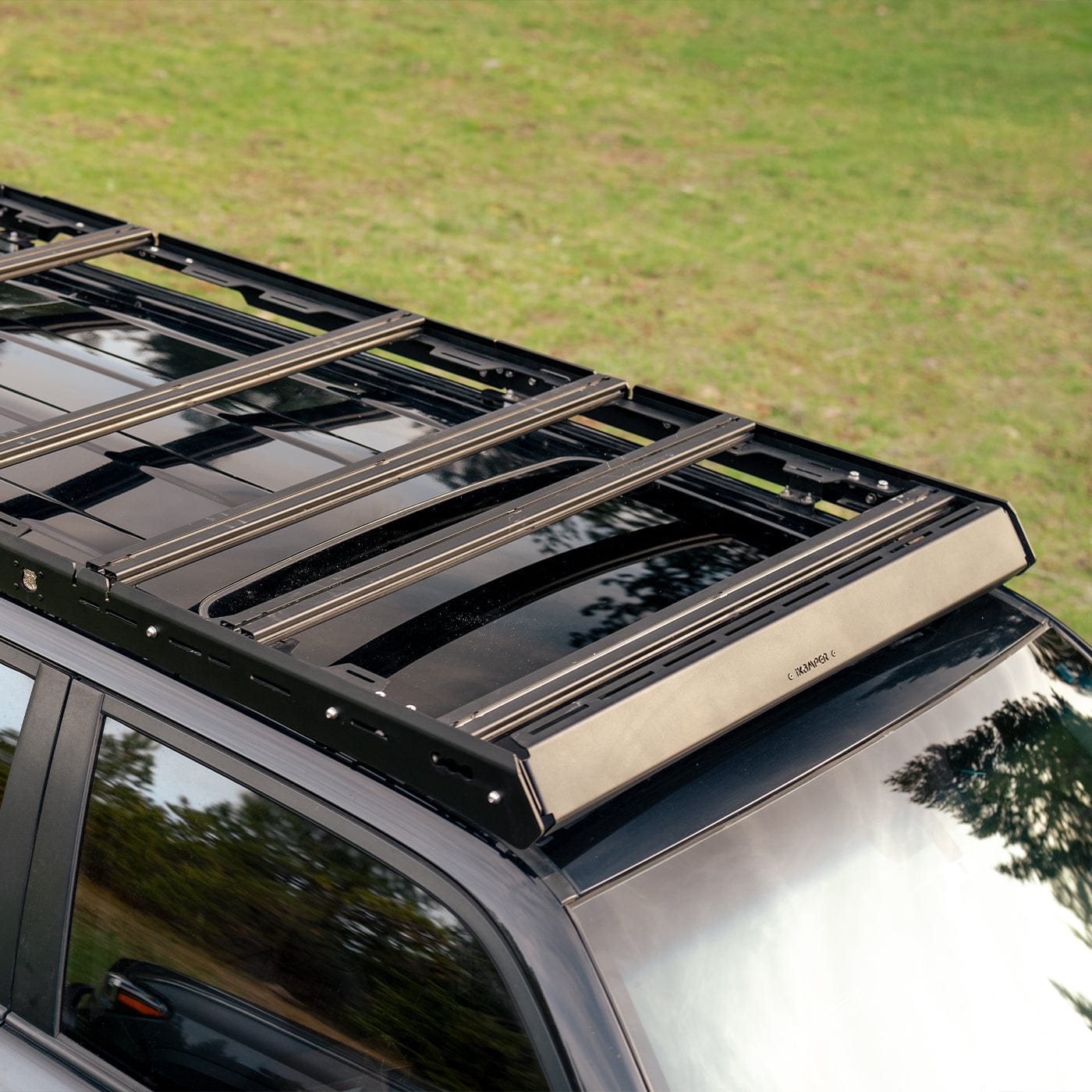
The Best Roof Rack for Adventure Needs: Elevate Your Exploration
For the avid adventurer, a reliable roof rack is more than just an accessory; it’s a gateway to expanded possibilities. Whether you’re a passionate cyclist, a devoted kayaker, a camping enthusiast, or a family embarking on cross-country road trips, the ability to efficiently and safely transport your gear is paramount. A high-quality roof rack system fundamentally transforms your vehicle, unlocking its true potential for carrying everything from bulky camping equipment and sporting goods to surfboards and skis. But with a plethora of options on the market, choosing the best roof rack for your specific adventure needs can feel like navigating uncharted territory. This comprehensive guide will illuminate the path, helping you select a roof rack that not only meets but exceeds your expectations, empowering you to chase your next adventure with confidence.
Understanding Roof Rack Fundamentals
Before diving into specific recommendations, it’s crucial to understand the core components and types of roof rack systems available. At its most basic, a roof rack consists of crossbars that span the width of your vehicle’s roof, supported by towers or feet that attach to the vehicle’s specific mounting points. These mounting points vary significantly between vehicles, ranging from factory-installed roof rails and fixed points to bare roofs.
Crossbars are the horizontal bars that your gear directly attaches to. They come in various materials and profiles, each with its own advantages. Aluminum crossbars are generally lighter and more resistant to corrosion, making them a popular choice for many. Steel crossbars, while heavier, often offer superior strength and durability, ideal for carrying heavier loads. The profile of the crossbar is also important; aerodynamic or wing-shaped bars can reduce wind noise and improve fuel efficiency compared to traditional square bars.
Towers or Feet are the interface between the crossbars and your vehicle. Their design is dictated by your vehicle’s roof configuration.
Raised Roof Rails: Many SUVs and wagons come equipped with raised rails that run the length of the roof. Towers designed for raised rails clamp onto the underside of these rails.
Flush Roof Rails: Similar to raised rails but sit directly on the roof. Towers for flush rails typically attach to the designated mounting points along the rail.
Fixed Points: Some vehicles have discrete, threaded mounting points, often under small covers, that are specifically designed for roof rack attachments.
Rain Gutter Mounts: Older vehicles or some trucks utilize rain gutters along the edge of the roof for mounting towers.
Bare Roof Mounts: These are the most versatile and often the most secure, using clamps that grip the vehicle’s door frame. Proper fitting is critical to prevent damage and ensure stability.
The locking mechanism of the roof rack is also a key consideration for security. Many systems come with integrated locks to prevent theft of the roof rack itself.
Types of Roof Racks and Their Applications
The best roof rack truly depends on your intended use. Different types of rack systems are purpose-built to handle specific types of gear and loads.
Cargo Boxes: Maximizing Storage for Any Adventure
For families or those who need to carry a significant amount of gear, a cargo box (also known as a cargo carrier or roof box) is an excellent solution. These enclosed, aerodynamic containers offer weather-resistant storage, protecting your belongings from the elements. They significantly increase your vehicle’s carrying capacity and can be particularly useful for fragile items or those you want to keep out of the main cabin. When choosing a cargo box, consider its capacity (measured in liters), its length, width, and height to ensure it clears your vehicle’s tailgate when opened, and its weight capacity. The roof rack you choose must be robust enough to support the added weight of the cargo box and its contents.
Bike Racks: Transporting Your Two-Wheeled Companions
Cycling is a beloved pastime for many adventurers, and safely transporting bicycles is a common need. There are several types of bike racks designed for roof rack systems:
Fork Mount Bike Racks: These hold the bike by its front fork, usually requiring the removal of the front wheel. They are generally lighter, more aerodynamic, and less prone to overtightening than frame-mount racks.
Frame Mount Bike Racks: These secure the bike by its frame, often with a clamp that tightens around the downtube. They are convenient as they don’t require wheel removal.
Wheel-On Bike Racks: These hold the bike by its wheels, offering a quick and easy loading process without touching the frame or fork.
When selecting a bike rack for your roof rack, consider the type of bikes you’ll be carrying (road bikes, mountain bikes, fat-tire bikes) and the number of bikes you need to transport.
Kayak and Canoe Carriers: Hitting the Water with Ease
Transporting a kayak or canoe requires specialized carriers designed to grip and secure these bulky watercraft.
J-Cradles: These angled carriers hold kayaks on their sides, minimizing the vertical profile and often allowing for multiple kayaks to be carried on a single roof rack.
Saddle Carriers: These resemble saddles and support the kayak flat on its hull. They can be easier to load for some, especially for heavier sea kayaks.
Strap Systems: While not often sold as standalone carriers, robust strap systems are crucial regardless of the carrier type to ensure your watercraft is securely fastened to the roof rack.
The width and weight of your kayak or canoe will influence the type and strength of roof rack you need.
Ski and Snowboard Carriers: Conquering the Slopes
For winter sports enthusiasts, ski and snowboard carriers are essential.
Clamp-Style Carriers: These carriers have jaws that clamp down on the skis or snowboards, holding them securely between the crossbars. They are generally easy to use and effective for most snow sports equipment.
* Strap Carriers: Similar to clamp styles, these use integrated straps to secure the gear.
Consider the number of skis or snowboards you need to carry and their length when choosing this type of roof rack attachment.
Choosing the Best Roof Rack: Key Considerations
Selecting the right roof rack involves a careful evaluation of several factors to ensure it aligns with your vehicle, your gear, and your adventurous lifestyle.
Vehicle Compatibility is Paramount
The single most important factor is ensuring the roof rack system is designed to fit your specific vehicle make, model, and year correctly. Manufacturers like Thule, Yakima, and Rhino-Rack offer extensive fit guides that allow you to input your vehicle details to find compatible towers, crossbars, and accessories. A poorly fitted roof rack not only risks damaging your vehicle but also poses a significant safety hazard.
Load Capacity: The Backbone of the Rack
Every roof rack system has a stated load capacity – the maximum weight it can safely carry. This includes not only the weight of your gear but also the weight of any accessories like cargo boxes or bike racks. Always check your vehicle’s owner’s manual for its roof load limit, as this often dictates the overall maximum weight you can safely carry on the roof. Exceeding this limit can compromise vehicle stability and damage your car.
Durability and Material
Your adventures likely take you off the beaten path, so a durable roof rack is essential. Aluminum is often preferred for its lighter weight and corrosion resistance, while steel offers superior strength for heavier loads. Consider the conditions you’ll be adventuring in – if you frequently encounter salt spray or humid environments, rust-resistant materials are a must.
Ease of Installation and Use
While most roof rack systems are designed for DIY installation, some are more user-friendly than others. Look for systems with clear instructions and intuitive designs, especially if you plan to frequently attach and detach accessories. Systems with integrated locking mechanisms also add a layer of security and convenience.
Aerodynamics and Noise Reduction
Wind noise can be a significant annoyance on long journeys. Aerodynamic crossbars and well-designed accessories can help minimize this, improving your driving experience and potentially fuel efficiency.
Maintaining Your Roof Rack for Longevity
To ensure your roof rack continues to serve your adventure needs reliably for years to come, proper maintenance is key. Regularly inspect the towers, crossbars, and any attached accessories for signs of wear, corrosion, or damage. Ensure all bolts and locking mechanisms are tightened appropriately. Clean your roof rack system periodically, especially after exposure to salt, dirt, or sand, using mild soap and water. This simple maintenance will prolong the life of your investment and guarantee its performance on future expeditions.
Investing in the right roof rack is an investment in your adventures. By understanding the different types, considering your specific needs, and prioritizing safety and compatibility, you can select a roof rack system that will reliably carry your gear and open up a world of possibilities for exploration. So, pack your bags, load up your gear, and hit the road – your next great adventure awaits, made possible by a dependable roof rack.