
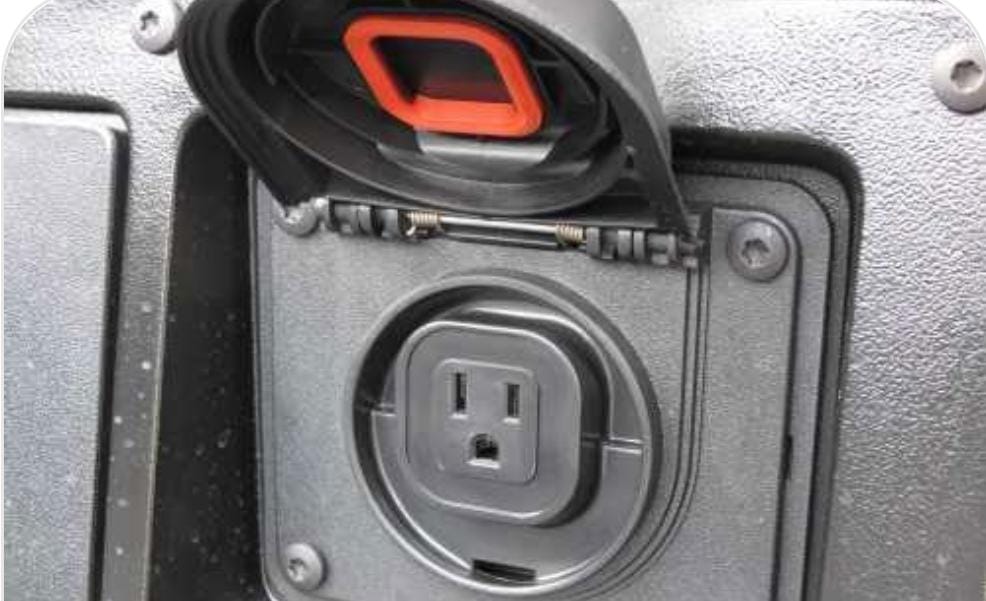
Truck Bed Outlet Fix: Effortless Solutions for Power On-the-Go
The humble pickup truck bed is a versatile workspace, a mobile workshop, and often the starting point for adventure. Whether you’re hauling equipment for a job site, setting up camp in a remote location, or simply need to power tools or electronics far from a wall socket, a functional truck bed outlet is a game-changer. However, like any electrical component, these outlets can eventually succumb to wear and tear, weather exposure, or simple malfunction. When you encounter a dead truck bed outlet, it’s more than just an inconvenience; it’s a roadblock to productivity and convenience. Fortunately, a truck bed outlet fix is often within reach, and with the right approach, you can restore this essential functionality with relative ease.
The ability to tap into a power source directly from your truck bed opens up a world of possibilities. Imagine the convenience of running a portable refrigerator to keep your drinks cold on a long haul, charging your power tools without needing a generator, or even setting up a temporary lighting system for a late-night project. A working truck bed outlet transforms your truck into a mobile command center, enhancing its utility in countless scenarios. However, when that familiar hum of electricity is replaced by silence, it’s time to investigate. This guide aims to provide you with a clear path toward a successful truck bed outlet fix, addressing common issues and offering practical solutions.
Understanding Common Truck Bed Outlet Problems
Before diving into the troubleshooting process, it’s helpful to understand why your truck bed outlet might have stopped working. Several factors can contribute to this common problem:
Blown Fuse: This is by far the most frequent culprit. Electrical systems are protected by fuses, which are designed to sacrifice themselves by melting when an excessive current flows through the circuit. This prevents damage to more expensive components. If an accessory plugged into the truck bed outlet caused a short circuit or an overload, it’s highly likely that the corresponding fuse has blown.
Faulty Wiring: Over time, the wiring harness connected to the truck bed outlet can become damaged. This could be due to vibration, abrasion from cargo, corrosion from exposure to the elements (especially road salt and moisture), or even rodent damage. Loose connections, frayed wires, or corroded terminals can all interrupt the flow of power.
Damaged Outlet Receptacle: The physical outlet itself can sustain damage. Dropping heavy items onto it, forcing incompatible plugs, or prolonged exposure to water and dirt can lead to cracked plastic, bent pins, or internal corrosion within the receptacle.
Inverter or Power Converter Issues: Many truck bed outlets are tied into an inverter or a power converter system, especially if they are designed to provide AC power (like a standard wall outlet). These components can fail due to age, overheating, or electrical surges. If your truck has a higher-voltage outlet or one that converts DC to AC, troubleshooting the inverter itself becomes a crucial step in your truck bed outlet fix.
Vehicle’s Battery or Charging System: While less common for a single outlet failure, a weak or failing vehicle battery, or a malfunctioning alternator, can lead to inconsistent or absent power to various accessories, including the truck bed outlet.
The DIY Truck Bed Outlet Fix: A Step-by-Step Approach
Tackling a truck bed outlet fix yourself can be a rewarding experience, saving you time and money. Here’s a methodical approach to diagnose and repair the issue:
Step 1: Consult Your Owner’s Manual
This is your primary resource. Your owner’s manual will illustrate the location of the fuse box(es) in your vehicle and provide a diagram or legend identifying which fuse controls the truck bed outlet. It will also often detail the amperage rating of the correct fuse to use as a replacement.
Step 2: Locate and Inspect the Fuse
Most vehicles have multiple fuse boxes – one typically under the dashboard and another in the engine compartment. Your owner’s manual will guide you to the correct one. Once you’ve found the fuse corresponding to the truck bed outlet, carefully pull it out using a fuse puller (often included in the fuse box lid or available at any auto parts store). Visually inspect the fuse. If the metal filament inside is broken or appears burned, the fuse is blown and needs replacement.
Step 3: Replace the Blown Fuse
Ensure you replace the blown fuse with one of the exact same amperage rating. Using a fuse with a higher rating is a dangerous fire hazard, while a lower rating will simply blow again immediately. You can purchase replacement fuses at any auto parts store. Once the new fuse is in place, test the truck bed outlet. If it now works, you’ve likely solved the problem. If not, proceed to the next steps.
Step 4: Inspect the Wiring and Receptacle
This step requires a bit more hands-on work. You may need to remove trim panels in the truck bed or near the outlet to gain access to the wiring.
Visual Inspection: Carefully examine the wires leading to the outlet. Look for any signs of damage: exposed copper, frayed insulation, signs of melting, or corrosion. Pay close attention to where the wires connect to the back of the outlet receptacle.
Check Connections: Ensure all connections are secure. If you see any corrosion on the terminals (the metal parts where wires connect), you can clean them using electrical contact cleaner and a small wire brush or sandpaper.
Test for Voltage (Advanced): If you’re comfortable using a multimeter, you can test for voltage at the outlet. Set your multimeter to measure DC voltage (VDC) and set the range appropriately (usually 20V). Place the red probe on the positive terminal of the outlet and the black probe on the negative terminal while the ignition is on (or in accessory mode, as specified by your manual for this circuit). If you get a reading close to your vehicle’s battery voltage (around 12-14V), then power is reaching the outlet, and the problem is likely with the outlet itself or the plug you’re using. If you get no reading, the issue lies further up the circuit (wiring, fuse, or power source).
Step 5: Address Wiring Issues
If you find damaged wiring, you’ll need to repair it.
Splicing: For frayed or broken wires, you can splice in a new section of wire using crimp connectors and heat shrink tubing for a durable and weather-resistant repair. Ensure you use wire of the same gauge.
Corrosion: Clean corroded terminals thoroughly. You can use dielectric grease to protect the connections from future moisture and corrosion.
Step 6: Replace the Outlet Receptacle
If the outlet receptacle itself appears physically damaged, or if you’re getting voltage to it but it still doesn’t function, it might need replacement. This usually involves disconnecting the wires from the back of the old outlet and connecting them to the new one. Make sure the replacement part is compatible with your vehicle’s make and model.
When to Seek Professional Help
While many truck bed outlet fix scenarios can be resolved with DIY efforts, there are times when professional assistance is the better option. If you’re uncomfortable working with electrical systems, lack the necessary tools, or if the problem proves more complex (e.g., issues with the vehicle’s main power distribution module or the inverter), taking your truck to a qualified mechanic specializing in automotive electrical systems is advisable. They have the diagnostic equipment and expertise to pinpoint and resolve even the most intricate electrical faults.
A functional truck bed outlet is a significant asset for any pickup truck owner. By understanding the common causes of failure and following a systematic troubleshooting approach, you can often perform a successful truck bed outlet fix yourself, ensuring you always have the power you need, wherever your adventures or work take you. Don’t let a dead outlet limit your truck’s potential – a little investigation can bring power back to your bed.