
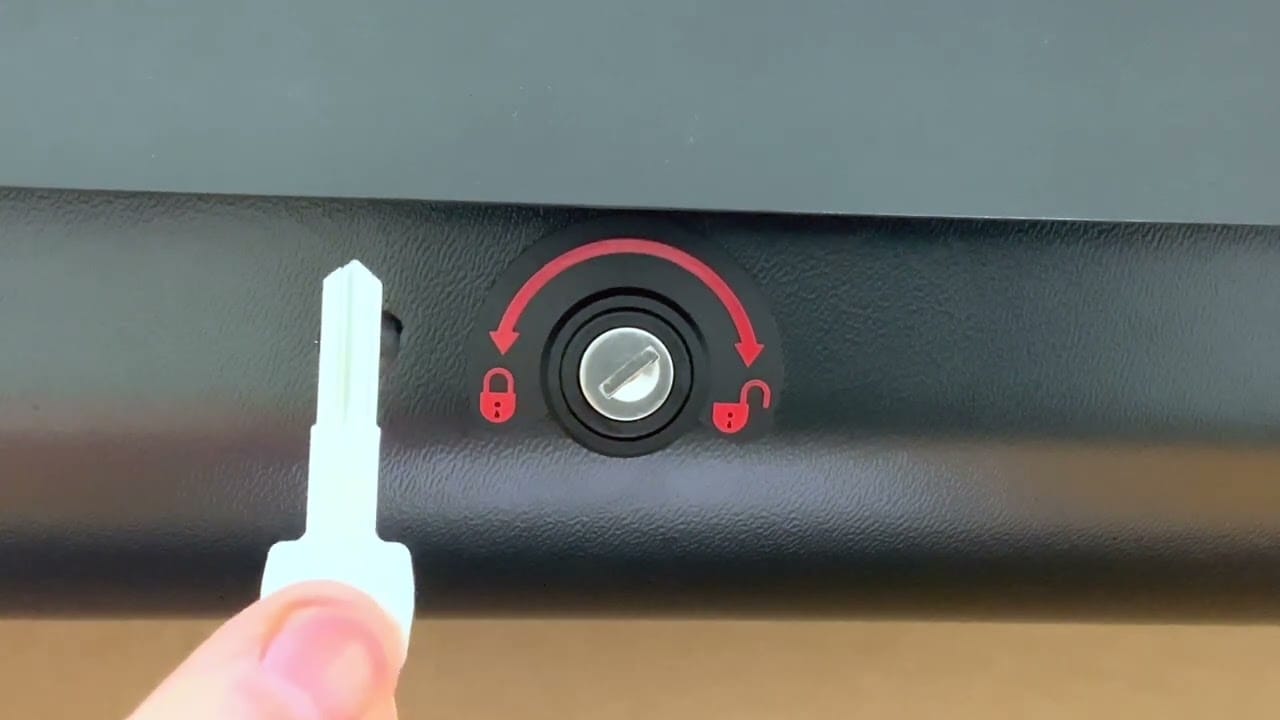
Thule Roof Box Lock: Your Effortless Fix Guide
A Thule roof box is an invaluable addition for any adventurer, family on the go, or anyone who simply needs more cargo space for their gear. But what happens when the most crucial component — your Thule roof box lock — encounters a problem? A malfunctioning lock can leave you stranded, unable to access your equipment or secure your belongings. This guide is designed to be your comprehensive, yet remarkably simple, resource for troubleshooting and resolving common issues with your Thule roof box lock, ensuring your adventures continue without a hitch. We understand the frustration that a sticky or unresponsive lock can cause, and we’re here to provide clear, actionable steps to get it working perfectly again.
Understanding the Thule Roof Box Lock Mechanism
Before diving into troubleshooting, a basic understanding of how the Thule roof box lock operates is beneficial. Most Thule roof box locks are part of a central locking system. This means rotating a single key typically actuates multiple locking points simultaneously. The locking mechanism involves a cylinder that houses the key tumblers. When the correct key is inserted and turned, it aligns these tumblers, allowing the latching mechanism to engage or disengage. The latches themselves often extend into the roof box’s lid and mate with corresponding slots in the base, creating a secure seal. The robustness of this system is a hallmark of Thule quality, but like any mechanical device, it can sometimes require a little attention.
Common Thule Roof Box Lock Issues and Solutions
Let’s address the most frequent problems you might encounter with your Thule roof box lock:
Stiff or Difficult to Turn Key:
This is the most common complaint and is often due to a lack of lubrication or the accumulation of dirt and debris within the lock cylinder.
Solution: Lubrication is Key. The best lubricant to use for a Thule roof box lock is a silicone-based spray or a graphite powder lubricant. Avoid using oil-based lubricants like WD-40, as these can attract dust and dirt over time, potentially worsening the problem.
1. Clean the Cylinder: Before applying lubricant, try to blow out any loose debris from the lock cylinder using compressed air.
2. Apply Lubricant: Insert the nozzle of the silicone spray or apply a small amount of graphite powder into the keyhole.
3. Work the Key: Insert the Thule roof box lock key and gently turn it back and forth several times. Don’t force it. The lubricant needs a chance to penetrate the tumblers.
4. Repeat if Necessary: You might need to repeat this process a few times and give the lubricant some time to work.
Key Won’t Insert or Remove:
This can be caused by bent keys, misaligned lock mechanisms, or obstructions.
Solution: Check Alignment and Obstructions.
1. Inspect the Key: Ensure the key is not bent or damaged. If it is, you may need a replacement key.
2. Check Lid Alignment: Ensure the roof box lid is properly seated in its closed position. Sometimes, if the lid isn’t perfectly aligned, it can put pressure on the locking mechanism, making it difficult to insert or remove the key. Try gently pressing down on the lid while manipulating the key.
3. Look for Obstructions: Shine a flashlight into the keyhole to check for any foreign objects like small stones, ice, or dirt that might be blocking the key. If you find something, use compressed air or a thin, non-metallic pick to gently dislodge it.
Lock Cylinder Spins Freely Without Engaging:
This usually indicates that the internal components of the lock cylinder have failed or are no longer properly connected to the latching mechanism.
Solution: Inspect and Potentially Replace the Lock Cylinder.
1. Examine the Latch: Open the roof box (if possible) and examine the latching arms. Ensure they are moving freely when you attempt to turn the key. Sometimes, the mechanism that connects the lock cylinder to the latch can become loose or break.
2. Tighten Mounting Screws: Locate the screws that hold the lock cylinder in place from the inside of the lid. Ensure these are snug. Caution: Do not overtighten, as this can strip the threads or crack the plastic.
3. Consider Cylinder Replacement: If the cylinder spins without any resistance and the internal mechanism appears intact when visible, the lock cylinder itself may need to be replaced. Contact Thule customer support or a Thule dealer for replacement parts and instructions specific to your roof box model.
Can’t Lock the Thule Roof Box:
This could be due to misaligned latches, the lid not being fully closed, or an issue with the locking mechanism itself.
Solution: Ensure Proper Closing and Latch Alignment.
1. Close the Lid Firmly: Make sure the lid of your Thule roof box is pushed down completely and evenly. A loose lid will prevent the latches from engaging correctly.
2. Check Latch Engagement: Some Thule roof boxes have indicators on the latches that show if they are properly engaged. Ensure these are in the locked position. You might need to wiggle the lid slightly to help the latches seat correctly.
3. Lubricate and Test: If the lid is closed correctly but still won’t lock, try lubricating the lock cylinder and latch points as described earlier. Sometimes, a little lubrication can free up a stiff mechanism.
Proactive Care for Your Thule Roof Box Lock
Prevention is always better than cure, especially when it comes to securing your valuable gear. Implementing a routine maintenance schedule can significantly extend the life and reliability of your Thule roof box lock.
Regular Lubrication: Apply a silicone-based lubricant to the lock cylinders at least twice a year, or more frequently if you live in a harsh climate (e.g., areas with extreme temperatures, salt spray, or high humidity).
Keep it Clean: Regularly wipe down the exterior of your roof box, paying attention to the lock areas. Use a damp cloth, and if necessary, a mild soap solution. Avoid harsh chemicals that could damage the plastic or metal components.
Handle Keys with Care: Treat your Thule roof box lock keys with respect. Avoid using them for anything other than their intended purpose, and don’t expose them to excessive stress or force. Store them in a safe place when not in use.
Professional Inspection: If your Thule roof box lock is showing signs of wear or you’re frequently encountering minor issues, consider having it professionally inspected by a Thule dealer. They can identify potential problems before they become major ones and perform any necessary adjustments or replacements.
When to Seek Professional Help for Your Thule Roof Box Lock
While many Thule roof box lock issues can be resolved with simple DIY solutions, some problems may require professional intervention. If you’ve tried the troubleshooting steps outlined above and are still experiencing difficulties, or if you suspect a more serious mechanical failure, it’s time to contact a Thule service center or a qualified automotive accessories specialist. Attempting to force a stuck lock or disassemble the mechanism without proper knowledge can often cause further damage, leading to more expensive repairs. Remember, a secure Thule roof box lock is essential for peace of mind on every journey.
By following this effortless fix guide, you can confidently tackle common problems with your Thule roof box lock and ensure your cargo is always safe and accessible. Regular maintenance and prompt attention to any issues will keep your Thule roof box lock functioning smoothly for many miles and adventures to come.