

Have you ever faced the frustration of a dead car battery and wondered what the right way to jump start it is? One common question that pops up is whether the donor car should be running during the jump start.
It might seem like a small detail, but the answer can make a big difference in getting your car back on the road safely and quickly. Keep reading to discover the simple steps you need to follow and avoid common mistakes that could cost you time, money, or even damage your vehicle.
Your next jump start will be smoother and safer with this essential knowledge.

Credit: www.reddit.com
Why Jump Starting Matters
A dead car battery can cause big trouble. It stops your car from starting. This can leave you stuck in many situations. Knowing how to jump start a car helps you get moving fast.
Jump starting saves time and money. It avoids calling a tow truck or waiting for help. This skill is useful for every driver. It keeps you safe and ready on the road.
Common Causes Of Dead Batteries
Batteries die for many reasons. Leaving lights on overnight drains the battery. Cold weather makes batteries weaker. Old batteries lose their power over time.
Short trips do not recharge the battery fully. Faulty charging systems also cause battery failure. Knowing these causes helps prevent dead batteries.
Basics Of Jump Starting
Jump starting uses another car’s battery to start your car. You need jumper cables and a working vehicle. Connect the cables carefully to avoid sparks or damage.
Start the donor car first to charge the battery. Then, try to start your car. This process transfers power and brings your battery back to life.

Credit: www.reddit.com
Running Vs. Not Running Donor Car
When jump starting a car, the choice to run the donor car or keep it off matters. Both methods have different effects on the process. Knowing these differences helps jump start safely and effectively.
Running the donor car means its engine is on during the jump start. Not running means the engine is off, and only the battery provides power. Each approach has benefits and risks.
Benefits Of Running The Donor Car
Running the donor car keeps its battery charged. It supplies steady power to the dead battery. This reduces the chance of voltage drops during jump start.
The engine running powers the alternator. The alternator helps recharge the dead battery faster. This supports smoother starting of the dead vehicle.
It also protects the donor car’s battery from draining too much. The engine keeps the battery healthy during the jump.
Risks Of Running The Donor Car
Running the engine can cause sparks near the battery. Sparks may lead to dangerous gas explosions. Safety risks increase if cables connect incorrectly.
The donor car’s engine parts move. Loose cables might get caught or damaged. This creates hazards for people working on the jump start.
Some modern cars have sensitive electronics. Running the engine during jump start might cause electrical damage. Always check the vehicle manual for advice.
When To Keep Donor Car Off
Keep the donor car off if it has an old or weak battery. This prevents draining the donor battery further. It also lowers the chance of electrical damage.
If you are unsure about cable connections, keep the engine off. This reduces sparks and accidents during setup. Connect cables carefully before starting.
For short jump starts, turning the engine off is usually safer. It still provides enough power to start the dead car. Then, run the donor car to recharge batteries.
Step-by-step Jump Starting Process
Jump starting a car can be simple with the right steps. Follow this clear process to jump start safely and quickly. Each step helps protect you and your vehicles from damage. This guide explains what to do from start to finish.
Preparing Both Vehicles
Park the donor car close to the dead battery car. Keep the cars’ engines off. Make sure both cars are in park or neutral. Set the parking brakes on both vehicles. Open the hoods and find the batteries. Check the battery terminals for dirt or corrosion. Clean terminals if needed for a good connection.
Connecting Jumper Cables
Use good quality jumper cables for safety. Attach one red clamp to the positive terminal of the dead battery. Connect the other red clamp to the positive terminal of the donor battery. Attach one black clamp to the negative terminal of the donor battery. Connect the last black clamp to a metal part of the dead car’s engine block. Do not connect it to the dead battery’s negative terminal.
Starting The Dead Battery Car
Start the donor car first. Let it run for a few minutes. Try starting the dead battery car. If it does not start, wait a few more minutes. Once the dead car starts, keep both cars running. Remove cables in reverse order. Remove the black clamp from the engine block first. Then the black clamp from the donor battery. Remove the red clamps last. Drive the jump-started car for at least 15 minutes to charge the battery.
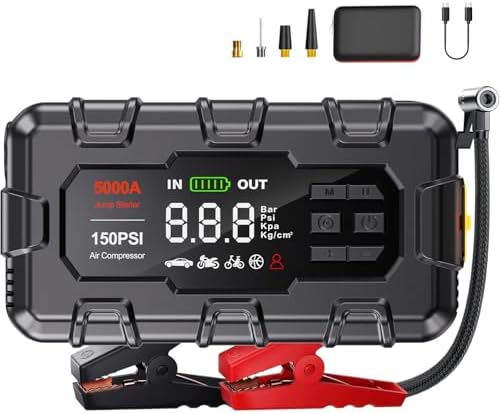
- 5000A Car Jump Starter- Our powerful car jumper starter portable provides 5000A peak current. This powerful feature can …
- 5 in-1 Jump Starter- Jump starter, air compressor, mobile power supply, flashlight, LED light, five functions are set in…
- Mobile Power Supply- This jump box for car battery is a large capacity mobile power supply, USB output port 5v / 3a, the…
Safety Precautions To Follow
Jump starting a car can be risky without the right safety steps. Following precautions protects your car and your health. It helps avoid damage and accidents. Learning key safety tips makes the process smooth and safe.
Always prepare properly before connecting the jumper cables. Small mistakes can cause sparks or harm. Keep calm and focus on safety.
Avoiding Electrical Damage
Use cables with good insulation. Check for cracks or exposed wires. Connect the positive cable first to the positive terminals. Then connect the negative cable to a metal part of the dead car away from the battery.
Do not touch the cable clamps together. This can cause a short circuit. Avoid reversing the cable connections. It can damage both car batteries and electronics.
Turn off all electrical devices in both cars. Radios, lights, and air conditioners should be off. This reduces the risk of voltage spikes during the jump start.
Protecting Yourself During Jump Start
Wear safety glasses to protect your eyes from sparks. Keep your hands dry and wear gloves if possible. Avoid leaning over the batteries during the process.
Make sure both cars are in park or neutral and the parking brakes are on. Keep metal jewelry away from the battery terminals. Sparks can cause burns or electric shocks.
Work in a well-ventilated area. Car batteries release gases that can be harmful. Stay alert and do not rush. Safety is the most important step in jump starting.
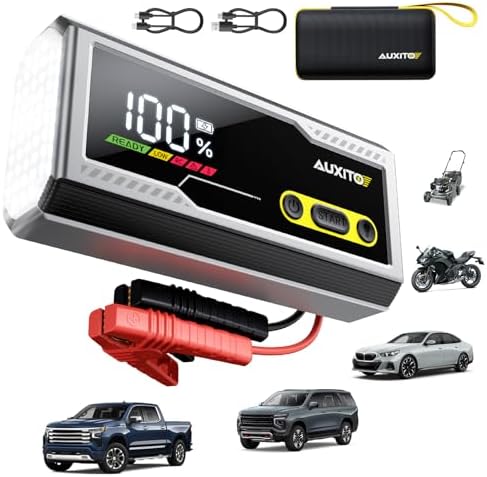
- 【6000A Powerful Jump Starter】With 6000A peak current, AUXITO car battery Jump Starter effortlessly start All Gas and 12L…
- 【Smart Digital Display for Real-Time Monitoring】: Monitor your battery’s health and device status at a glance. The intui…
- 【One-Touch Booster & Voltage Intelligence】: Activate with confidence! AUXITO jumper starter features a one-touch boost f…
Common Mistakes To Avoid
Jump starting a car can be tricky. Many people make simple mistakes that cause problems or even damage. Knowing what to avoid helps keep the process safe and successful.
Incorrect Cable Connections
Connecting jumper cables wrongly is the top mistake. The red cable must go to the positive (+) terminal on both cars. The black cable goes to the negative (–) terminal on the donor car. On the dead car, connect the black cable to a metal part away from the battery. Mixing these connections can cause sparks or damage the electrical system. Double-check each connection before starting the jump.
Ignoring Vehicle Compatibility
Not all cars work well together for jump starting. Differences in battery voltage or engine type can cause issues. Using a donor car with a much larger engine or different battery system may harm both vehicles. Always check the owner’s manual for compatibility advice. Avoid jump starting if the cars do not match in battery voltage or system type.
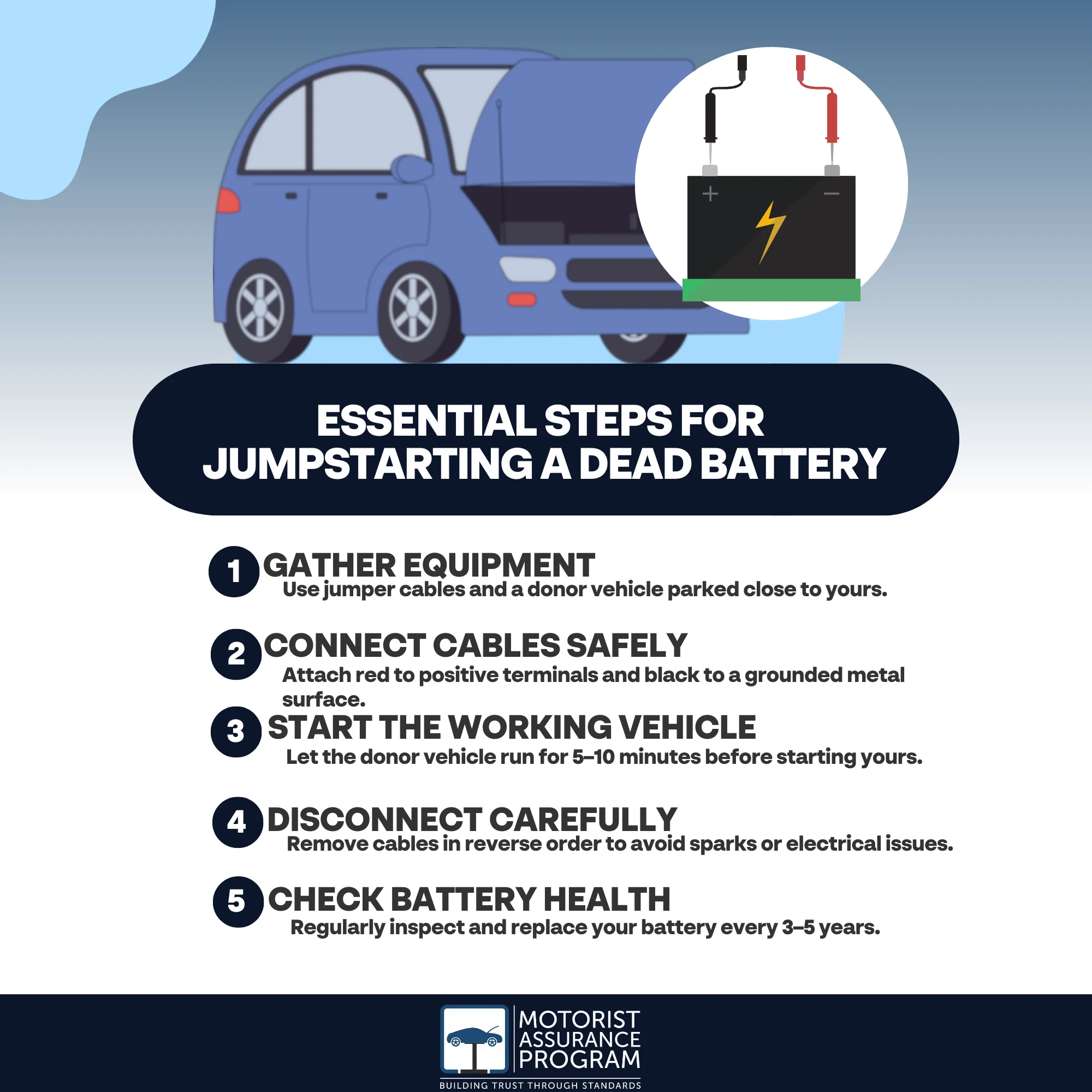
Credit: motorist.org
Alternative Solutions To Jump Starting
Jump starting a car is common when the battery dies. Sometimes, the usual method with a donor car may not be easy or safe. Alternative solutions exist to help start your car without relying on another vehicle. These methods can be simple and effective. They also reduce risk and save time.
Using Portable Jump Starters
Portable jump starters are small battery packs. They connect directly to your car battery. No need for a donor car. These devices are easy to use and carry. Just attach the clamps to your battery terminals. Then turn on the jump starter. It gives enough power to start your car. Many models also have USB ports to charge phones. Always keep one in your car for emergencies.
Calling Roadside Assistance
Roadside assistance is a helpful service for car trouble. Professionals come to your location to jump start your vehicle. They have the right tools and skills. This option is safe and reliable. You avoid the risk of handling cables incorrectly. Many insurance plans include roadside help. You can also call a local towing company. This service can save stress and ensure your car starts properly.
Frequently Asked Questions
Should The Donor Car Be Running During Jump Starting?
Yes, the donor car should be running to provide a stable voltage. This prevents battery drain and ensures efficient power transfer to the dead battery.
What Happens If The Donor Car Is Off While Jump Starting?
If off, the donor battery may drain quickly. Insufficient power can fail to start the dead vehicle and may harm both batteries.
Can Jump Starting Damage The Donor Car’s Electrical System?
Jump starting with the donor car running is safe if done correctly. Improper connections or using a faulty battery can cause electrical damage.
How Long Should The Donor Car Run Before Jump Starting?
Let the donor car run for a few minutes before connecting. This helps the battery build a good charge for an effective jump start.
Conclusion
Keeping the donor car running during jump starting helps provide steady power. This reduces the risk of battery damage for both cars. It also makes the process quicker and safer. Always connect the cables correctly and follow safety steps. Jump starting is easy with the right approach.
Remember, a running donor car supports a smooth jump start every time.