
If you work with pallet racks or are planning to set up a storage system, understanding each part is key to making the right choices. You might have seen terms like beams, uprights, and braces but felt unsure about what they really mean or how they fit together.
This guide breaks down every pallet rack part in simple language, so you can easily identify and use them. By the time you finish reading, you’ll feel confident about your storage setup and avoid costly mistakes. Ready to get clear on pallet rack parts?
Let’s dive in.
Pallet Rack Basics
Pallet racks are essential for organizing storage spaces efficiently. They help store heavy items on pallets safely and neatly. Understanding the basics of pallet racks is useful for anyone managing a warehouse or storage area.
Knowing the parts and types of pallet racks allows better use and maintenance. This section explains the key components and common types of pallet racks.
Key Components
Pallet racks have several important parts. Upright frames are the vertical structures that hold the weight. Beams connect the uprights and support the pallets. Decking sits on the beams to hold smaller items or loose goods. Braces add stability to the rack system. Safety pins or clips lock beams in place to prevent accidents.
Types Of Pallet Racks
There are different pallet rack types for various storage needs. Selective racks offer easy access to every pallet. Drive-in racks allow forklifts to enter and store pallets deeply. Push-back racks use carts that move pallets backward for higher density. Cantilever racks hold long or bulky items that need open space. Each type suits different warehouse layouts and product types.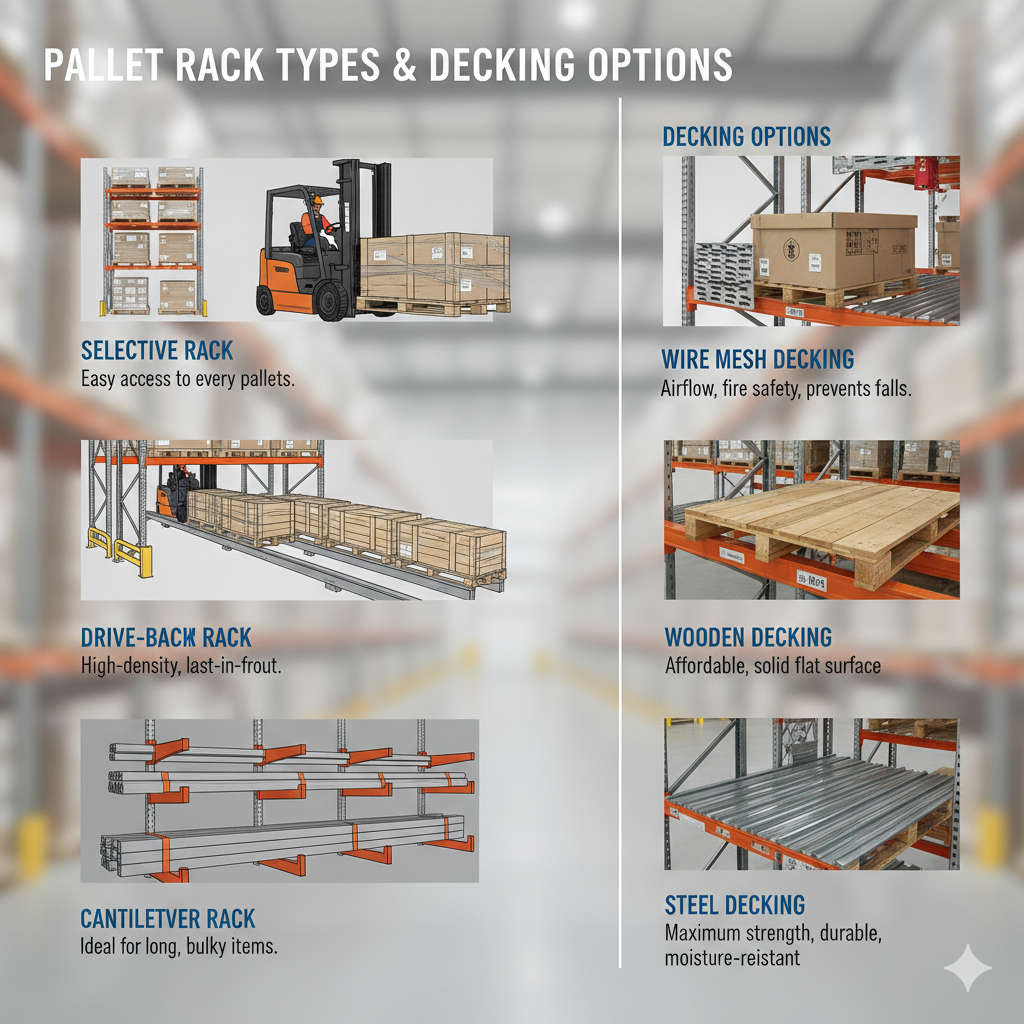
Uprights And Frames
Uprights and frames are key parts of pallet racks. They form the main structure that holds everything together. These parts support the weight of stored goods and keep the rack stable. Understanding uprights and frames helps in choosing the right pallet rack system for your storage needs.
Vertical Supports
Uprights are the vertical supports of a pallet rack. They stand tall and carry the load from the shelves. Made of steel, uprights provide strength and durability. They have holes or slots for beams to connect. This design allows easy adjustment of shelf heights. Strong uprights prevent the rack from bending or collapsing under heavy weight.
Frame Sizes And Load Capacity
Frames come in different sizes and shapes. The size depends on the space and weight requirements. Larger frames can hold more weight but need more floor space. Each frame has a load capacity, which is the maximum weight it can support safely. Choosing the right frame size and load capacity ensures safety and efficiency in storage. Always check these details before buying pallet racks.
Beams And Bracing
Beams and bracing are key parts of a pallet rack. They hold the weight of the stored items. These parts keep the rack strong and safe. Without them, the rack could bend or fall. Understanding beams and bracing helps you pick the right rack for your needs.
Each type has a special job. They work together to support heavy loads and keep the rack steady. Let’s explore the main types of beams and bracing in pallet racks.
Horizontal Beams
Horizontal beams connect the vertical uprights. They form the shelves where pallets rest. These beams carry the weight of pallets and products. Usually, they are made of steel for strong support. Beams come in different lengths and load capacities. Proper beam choice prevents sagging and collapse.
Cross Bracing
Cross bracing links the uprights diagonally in an “X” shape. It stops the rack from moving side to side. This bracing keeps the rack stable under heavy loads. Cross bracing also helps resist strong forces like wind or bumps. It improves the overall safety of the rack system.
Diagonal Bracing
Diagonal bracing runs at an angle between uprights or beams. It supports the frame and prevents twisting. This bracing adds extra strength to tall or heavy racks. Diagonal bracing helps racks hold heavy pallets safely. It also protects the structure from damage during use.
Decking Options
Decking options play a key role in pallet rack systems. They support loads and improve safety. Choosing the right decking depends on your storage needs, weight capacity, and budget. Each type has unique benefits and drawbacks. Below, we explain the main decking options.
Wire Mesh Decking
Wire mesh decking consists of metal grids that fit on rack beams. It allows air and light to pass through. This decking type helps with fire safety by letting sprinklers reach all areas. It is strong and easy to clean. Wire mesh decking prevents smaller items from falling through the racks.
Wooden Decking
Wooden decking uses solid planks or plywood sheets. It offers a flat surface for storing many types of goods. Wood is affordable and simple to install. It can support heavy loads but may wear out over time. Wooden decking is often used in warehouses with light to medium storage needs.
Steel Decking
Steel decking provides a very strong and durable surface. It is made of solid steel panels or corrugated sheets. Steel decking can hold heavy pallets and withstand rough use. It is resistant to damage from moisture and chemicals. This option suits warehouses with high traffic and heavy loads.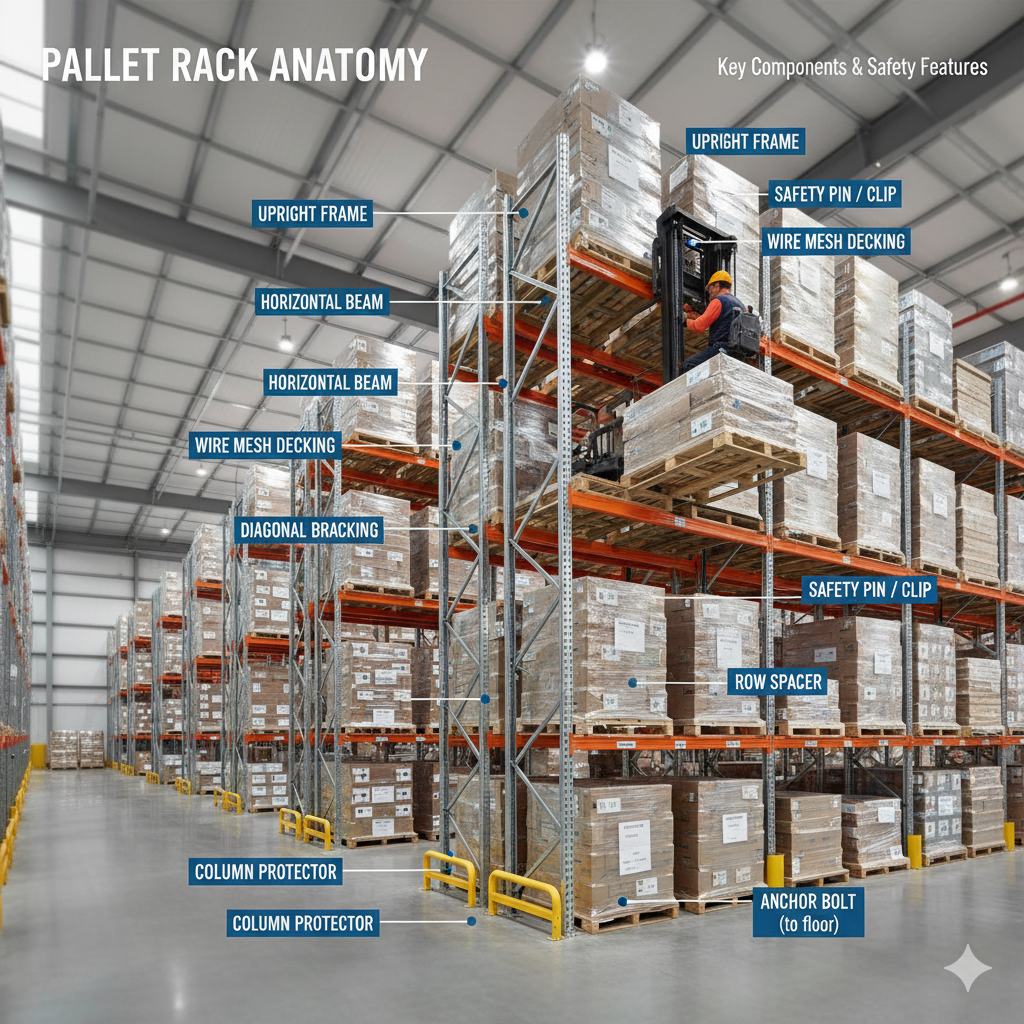
Accessories And Safety Features
Accessories and safety features improve pallet rack systems. They protect racks and workers. These parts keep storage safe and organized. Each part has a specific role. Understanding these helps maintain a secure warehouse.
Column Protectors
Column protectors guard the rack’s vertical beams. They absorb impact from forklifts or pallets. These protectors prevent damage and costly repairs. Installing them reduces the risk of rack collapse. They are made from strong materials like steel or plastic.
Row Spacers
Row spacers keep racks aligned and stable. They connect rows of pallet racks together. This stops racks from moving or tipping. Row spacers help maintain even spacing for aisles. They improve safety by stabilizing the storage system.
Safety Pins And Clips
Safety pins and clips lock beams in place. They prevent accidental beam dislodging during loading or unloading. These small parts secure the rack’s structure. Using them reduces the chance of accidents. Safety pins and clips are easy to install and remove.
Load Capacity And Weight Distribution
Load capacity and weight distribution are key factors for safe pallet rack use. They ensure racks hold the right amount of weight without damage or collapse. Understanding these terms helps maintain warehouse safety and efficiency. Proper management protects goods and workers alike.
Weight Limits
Weight limits specify the maximum load a rack can hold. These limits depend on rack design and materials. Exceeding limits risks bending or breaking parts. Labels on racks show weight limits for each shelf or beam. Always check these before loading pallets. Following limits prevents accidents and extends rack life.
Load Distribution Techniques
Load distribution means spreading weight evenly across the rack. Uneven loads cause stress and weaken racks. Place heavier items near the rack frame for support. Avoid stacking all heavy pallets on one side. Use pallets that fit well on shelves. Balanced loads keep racks stable and safe during use.
Installation And Maintenance
Proper installation and maintenance are crucial for pallet racks. They ensure safety and extend rack life. Understanding these steps helps you avoid accidents and costly repairs.
Assembly Tips
Start by reading the manufacturer’s instructions carefully. Use the right tools for each part. Secure beams tightly to prevent movement. Check that uprights stand straight and level. Avoid overloading racks beyond their weight limit. Work slowly and double-check each connection. Proper assembly reduces the risk of collapse and damage.
Inspection And Repairs
Inspect racks regularly for dents, cracks, or bends. Look closely at welds and bolts for damage. Replace any broken or worn parts immediately. Tighten loose bolts to keep racks stable. Clean racks to remove dust and debris. Early repairs prevent bigger problems and keep workers safe. Document all inspections and repairs for records.
Common Terminology
Understanding pallet rack parts starts with knowing the common terms. This helps when reading manuals or talking with suppliers. Clear knowledge avoids mistakes and saves time. Below are key terms used in the pallet rack industry.
Industry Jargon
Industry jargon refers to words used only by pallet rack professionals. These words may confuse new users. For example, “upright” means the vertical posts that hold the rack. “Beam” refers to the horizontal bars connecting uprights. “Load capacity” shows how much weight a rack can hold safely.
Another term is “bay,” which means a single section of a rack. “Row” is a series of bays placed side by side. “Anchor” means the bolts used to fix racks to the floor. Understanding jargon makes communication clear and precise.
Abbreviations And Acronyms
Abbreviations shorten long terms. Acronyms are words made from the first letters of other words. Both are common in pallet rack parts. For example, “PPE” stands for Personal Protective Equipment. It includes gloves and helmets worn during installation.
“SKU” means Stock Keeping Unit, a unique number for each product. “OSHA” is the Occupational Safety and Health Administration, a U.S. safety group. Knowing these abbreviations helps in reading safety guides and instructions.

- Cherry Blossom: The fresh scent of cherry blossoms is the best accompaniment to spring
- Midnight Love: A blend of berries, jasmine and amber gives you a seductive and feminine experience, enjoy your night out
- The Stars: Like the stars, make every moment glow with an addictive fragrance
Frequently Asked Questions
What Are The Main Parts Of A Pallet Rack System?
Pallet rack systems mainly include uprights, beams, braces, and decking. Uprights provide vertical support. Beams hold pallets. Braces add stability. Decking supports the load. Each part works together to ensure safe and efficient storage.
How Do Pallet Rack Beams Function In Storage?
Beams connect uprights horizontally and support pallets. They carry the weight of stored items. Beams are adjustable to fit different pallet sizes. Strong, durable beams ensure stable and secure storage for warehouse inventory.
Why Are Pallet Rack Braces Important?
Braces connect uprights and maintain rack stability. They prevent racks from swaying or collapsing. Proper bracing enhances safety and structural integrity. Without braces, racks risk failure under heavy loads.
What Types Of Decking Are Used In Pallet Racks?
Common decking includes wire mesh, wood, and steel. Wire mesh allows airflow and visibility. Wood decking supports heavy loads affordably. Steel decking offers maximum strength and durability. Choosing decking depends on load type and safety needs.
Conclusion
Understanding pallet rack parts helps keep your storage safe and efficient. Each part plays a key role in supporting weight and stability. Knowing these terms makes communication easier during setup or repair. Clear knowledge saves time and reduces mistakes in your warehouse.
Use this glossary as a quick guide whenever you need it. Storage systems work best when all parts fit and function well together. Keep this list handy for smooth pallet rack management.
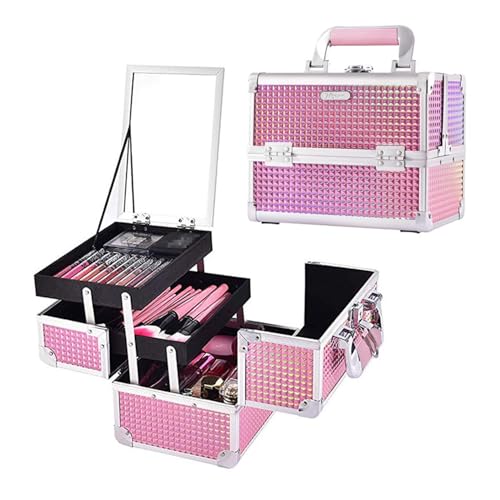
- Mermaid Pink Makeup Box: Makeup box measures 9.44 x 6.69 x 7 inches, making it an ideal size for travel. Made from high-…
- Makeup Train Case with Mirror: This makeup train case features an extendable cantilever 2-tier tray design that provides…
- Makeup Case Easy and Convenient Cleaning: The tray bottom and case bottom are covered with stainproof plastic films, mak…
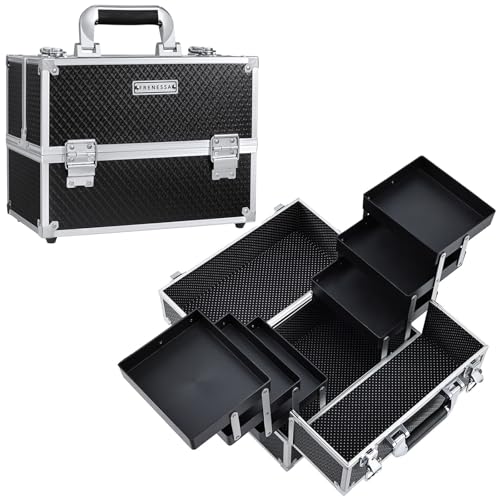
- “Hard Large Makeup Case: Measuring 11.8 x 7.1 x 8.8 inches. This sturdy black makeup case organizes and carries cosmetic…
- Makeup Train Case with 6 Trays: The extendable cantilever tray with six tiers offers a spacious and practical storage so…
- Makeup Case Organizer Easy to Clean: Keeping these trays looking their best is incredibly simple. Just gently wipe the s…

- Professional Makeup Case with LED Mirror: The size of the travel makeup case is 9.8 x 8.6 x 5 inches, featuring durable …
- Customizable Storage: The makeup bag features movable partitions and expandable compartments for flexible organization. …
- 3 Color Lights Makeup Mirror: This lighted travel makeup mirror with 80 LEDs, offers white lights,warm lights and cool l…

- 【RELAVEL MAKEUP BOX with led mirror】Large capacity cosmetic organizer case with makeup brush storage and 3 colors 4K sil…
- 【ADVANCED 3 COLOR FILL LIGHT MIRROR】Detachable Velcro Makeup Mirror with 3 lighting modes for switching with cool, natur…
- 【DETACHABLE MAKEUP STORAGE BOX】 Relavel makeup train case comes with 6 detachable shock resistant EVA partitions for cus…

- Hard Makeup Case: This sturdy silver makeup case organizes and carries cosmetics effortlessly. Its portable 9.84″x7.08″x…
- Versatile Makeup Box: This train case efficiently organizes all your beauty products. Its extendable 4-tier cantilever t…
- Portable & Lockable Cosmetic Case: This makeup organizer case offers the convenience of portability, designed in a manag…

- Rose Gold Floral Makeup Case: This sturdy rose gold floral makeup case organizes and carries cosmetics effortlessly. Its…
- Versatile Makeup Box: This train case efficiently organizes all your beauty products. Its extendable 4-tier cantilever t…
- Portable & Lockable Cosmetic Case: This makeup organizer case offers the convenience of portability, designed in a manag…