

Choosing synthetic motor oil is a smart move for your car. It offers superior protection, better performance in extreme temperatures, and can extend your engine’s life. Learn why this upgrade is a genius choice for your vehicle’s health and longevity.
Your car’s engine is its heart, and the right motor oil is its lifeblood. But walk into any auto parts store, and you’re faced with a wall of options. What’s the difference between conventional and synthetic, and why should you care? If you’re looking to give your engine the best possible care and ensure smoother, more reliable performance, then understanding the benefits of motor oil synthetic is your next smart step. This guide will break down exactly why synthetic oil is a genius choice for your vehicle, from understanding its advanced properties to knowing when and how to make the switch. We’ll cover everything you need to know to confidently choose the best oil for your car.
Motor Oil Synthetic: Your Genius Choice Explained
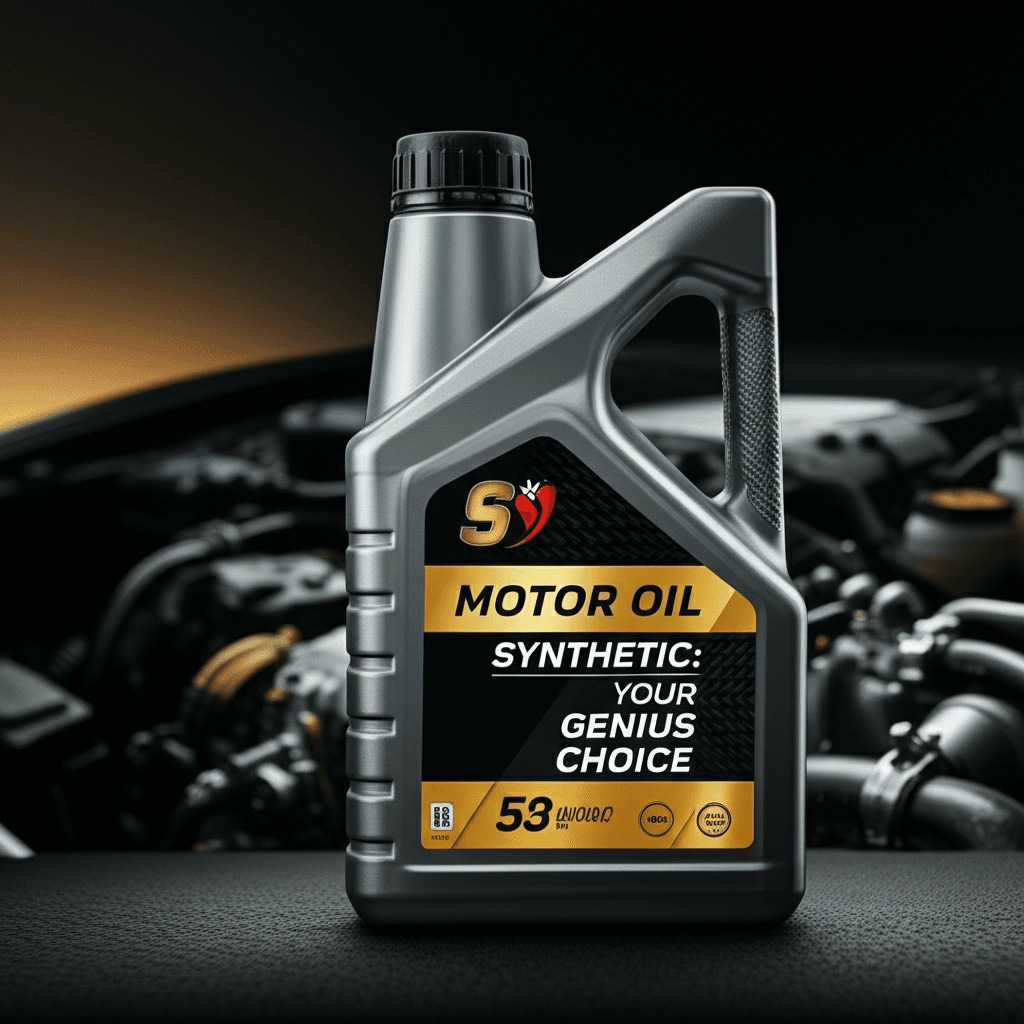
So, what exactly makes synthetic motor oil such a “genius choice” for your car? It all comes down to how it’s made and the incredible benefits it offers compared to traditional conventional oil. Think of it as the difference between a basic, off-the-rack suit and a custom-tailored one – both cover you, but one fits and performs significantly better.
What is Synthetic Motor Oil?
Conventional motor oil is derived directly from crude oil, undergoing basic refining processes. While it does its job, it contains natural impurities and its molecular structure isn’t as uniform. Synthetic motor oil, on the other hand, starts with a base oil that is chemically engineered. This process strips out the impurities found in crude oil and creates molecules that are much more uniform in size and shape. This controlled manufacturing process results in a lubricant that offers superior performance across the board.
The Science Behind the Superiority
The uniformity of synthetic oil molecules is key. These smooth, consistent molecules reduce friction more effectively than the varied shapes in conventional oil. This means less drag, better protection against wear, and improved fuel efficiency. Furthermore, synthetic oils are engineered to withstand extreme temperatures better. They resist breaking down at high heat and continue to flow at very low temperatures, protecting your engine during cold starts and under heavy load.
Key Benefits of Using Synthetic Motor Oil
Making the switch to synthetic motor oil offers a host of advantages that directly impact your car’s health and your driving experience.
- Enhanced Engine Protection: Synthetic oils provide a stronger protective film between moving engine parts, significantly reducing wear and tear. This is especially crucial during startup, when most engine wear occurs.
- Superior Performance in Extreme Temperatures: Your engine faces a range of temperatures. Synthetics maintain their viscosity better. They are less likely to thicken in the cold, ensuring proper lubrication at start-up, and less likely to thin out or break down under high heat, offering consistent protection.
- Improved Fuel Economy: With reduced friction, your engine doesn’t have to work as hard to move its parts. This can translate to a slight but noticeable improvement in your gas mileage.
- Longer Oil Life & Extended Drain Intervals: Synthetic oils are more resistant to oxidation and thermal breakdown. This means they stay cleaner and maintain their lubricating properties for longer, allowing for extended oil change intervals as recommended by your vehicle manufacturer.
- Cleaner Engine: Synthetic oils often contain advanced additive packages that help keep your engine cleaner by preventing sludge and deposit buildup.
What to Look For When Buying Synthetic Motor Oil
When you’re ready to buy, you’ll notice variations in synthetic oils. Here’s what to consider to make the best choice for your specific vehicle.
Viscosity Grade (e.g., 5W-30, 0W-20)
This is the most critical piece of information. The numbers on the oil bottle, like “5W-30,” indicate the oil’s viscosity (thickness). The “W” stands for “Winter,” meaning the first number is the oil’s viscosity at cold temperatures. The second number is its viscosity at operating temperature (usually 212°F or 100°C). Always consult your car’s owner’s manual to find the recommended viscosity grade for your specific make and model. Using the wrong viscosity can negatively impact performance and protection.
API Service Category and ILSAC Standards
Look for the American Petroleum Institute (API) service symbol (like API SP) and the International Lubricant Specification Advisory Committee (ILSAC) starburst symbol. These certifications indicate that the oil meets specific performance standards set by the automotive industry. For instance, API SP is the latest standard for gasoline engines, offering improved protection against low-speed pre-ignition (LSPI) and better wear protection than previous standards.
Vehicle Manufacturer Approvals
Some vehicle manufacturers have their own specific oil specifications or approvals (e.g., GM dexos1™, Ford WSS-M2C946-B1). If your owner’s manual lists a specific manufacturer approval, it’s best to choose an oil that meets that standard. This ensures the oil has been tested and approved for your particular engine design.
Type of Synthetic: Full Synthetic vs. Synthetic Blend
Most oils labeled “synthetic” or “full synthetic” are 100% synthetic. However, you might also see “synthetic blend” oils. These contain a mix of conventional and synthetic base oils. While better than conventional oil alone, they don’t offer the same level of performance and protection as full synthetic. For the “genius choice” benefits, opt for full synthetic.
Synthetic Motor Oil vs. Conventional: A Quick Look
To really see the difference, let’s compare the key aspects:
| Feature | Conventional Motor Oil | Synthetic Motor Oil |
|---|---|---|
| Base Oil | Refined crude oil | Chemically engineered base oil |
| Molecular Uniformity | Varied, less uniform | Highly uniform |
| Temperature Performance | Less stable; can thicken in cold, thin in heat | Excellent stability; flows well in cold, resists breakdown in heat |
| Wear Protection | Good | Superior |
| Oil Life | Shorter drain intervals (e.g., 3,000-5,000 miles) | Longer drain intervals (e.g., 7,500-15,000 miles, or as recommended) |
| Fuel Economy | Standard | Potentially improved |
| Cost | Lower upfront cost | Higher upfront cost |
Pros and Cons of Synthetic Motor Oil
Every choice has its advantages and considerations. Here are the pros and cons of opting for synthetic oil:
| Pros | Cons |
|---|---|
| Superior engine wear protection | Higher upfront cost |
| Better performance in extreme hot and cold temperatures | May not be necessary for older vehicles (check manual) |
| Extended oil drain intervals, potentially saving money long-term | Initial cost can be a barrier for some budget-conscious drivers |
| Improved fuel efficiency | |
| Helps keep engine cleaner, preventing sludge buildup |
According to AAA, using the recommended motor oil is crucial for engine longevity. They found that high-quality oil, whether conventional or synthetic, provides essential protection. However, synthetic oils generally offer a higher level of performance and protection, especially under demanding conditions. For more on general car maintenance, the National Highway Traffic Safety Administration (NHTSA) offers valuable resources on their website.
Top 5 Amazon Products: Smart Synthetic Motor Oil Choices
Ready to upgrade your engine’s protection? Here are some of the top-rated synthetic motor oils available on Amazon USA. Always double-check your owner’s manual for the specific viscosity grade and oil type recommended for your vehicle before purchasing.
1. Mobil 1 0W-40 Advanced Full Synthetic Motor Oil
Mobil 1 is a leader in synthetic oil technology, and their 0W-40 formula is designed for ultimate performance and protection. It excels in extreme temperatures, prevents sludge and deposits, and provides excellent wear protection. It’s great for high-performance engines and everyday driving alike.
2. Castrol EDGE Extended Performance Full Synthetic Motor Oil 5W-30
Castrol EDGE is engineered for drivers who demand the best. This 5W-30 full synthetic oil offers exceptional strength for your engine, reducing friction and maximizing performance through extended drain intervals. It delivers reliable protection under a variety of driving conditions.
3. Pennzoil Platinum Full Synthetic 5W-30 Motor Oil
Pennzoil Platinum uses a unique PurePlus Technology that converts natural gas into a 99.5% pure base oil. This results in a cleaner, more robust synthetic oil that offers excellent piston cleanliness, wear protection, and extreme temperature performance. It’s a fantastic choice for keeping your engine running like new.
4. Royal Purple 5W-30 API-Licensed Synthetic Motor Oil
Royal Purple is known for its high-performance synthetic lubricants. This 5W-30 oil provides superior protection by maximizing film strength and providing excellent surface coverage. It helps prevent wear and tear, enhances fuel economy, and ensures optimal engine performance, especially in demanding situations.
5. Valvoline Advanced Full Synthetic 5W-30 Motor Oil
Valvoline’s Advanced Full Synthetic is designed to offer superior protection against extreme temperatures and engine stress. It helps prevent sludge and deposit formation, leading to a cleaner engine and more efficient operation. This oil is a dependable choice for everyday drivers looking for enhanced engine life.
How to Safely Switch to or Maintain Motor Oil Synthetic
Switching to synthetic is generally straightforward, but it’s always good to know the best practices. For most modern cars, you can simply remove the old conventional oil and filter and refill with synthetic oil of the correct viscosity and specification. However, there are a few things to keep in mind.
Step 1: Check Your Owner’s Manual
This is the most crucial step. Your owner’s manual will specify the recommended viscosity grade (e.g., 0W-20, 5W-30) and API service category or manufacturer approval (e.g., API SP, dexos1™ Gen 3) for your vehicle. Using the wrong oil can cause damage. If your car is older, especially if it has high mileage and has only ever used conventional oil, check if the manufacturer has any specific recommendations about switching. For most vehicles manufactured after 1990, switching to synthetic is perfectly safe.
Step 2: Choose the Right Synthetic Oil
Based on your owner’s manual, select a full synthetic motor oil that meets or exceeds the manufacturer’s specifications. Pay attention to the viscosity grade and the API/ILSAC certifications or manufacturer approvals.
Step 3: Gather Your Supplies
If you’re doing the oil change yourself, you’ll need:
- The correct amount of synthetic motor oil (check your manual).
- A new oil filter that fits your car.
- A new oil drain plug washer (recommended).
- An oil filter wrench.
- A drain pan large enough to hold the old oil.
- A funnel.
- Gloves and rags.
- Safety glasses.
- A car jack and jack stands for safely raising your vehicle (if needed).
Step 4: Drain the Old Oil
Safely raise your vehicle if necessary. Locate the oil drain plug on the bottom of the oil pan. Place the drain pan beneath it, remove the plug (turn counter-clockwise), and let the oil drain completely. Once drained, clean and reinstall the drain plug with a new washer, tightening it securely (don’t overtighten).
Step 5: Replace the Oil Filter
Locate your oil filter. Use the oil filter wrench to remove the old filter (turn counter-clockwise). Make sure the old filter’s rubber gasket comes off with the old filter. Before installing the new filter, lightly coat the rubber gasket of the new filter with a bit of new oil. This helps create a good seal and makes it easier to remove next time. Screw the new filter on clockwise until snug, then tighten it an additional 1/2 to 3/4 turn by hand.
Step 6: Add the New Synthetic Oil
Remove the oil filler cap on top of your engine. Using a funnel, pour in the manufacturer-recommended amount of new synthetic motor oil. Replace the oil filler cap.
Step 7: Check the Oil Level and Run the Engine
Lower your vehicle if it was raised. Start the engine and let it run for about a minute to circulate the new oil and fill the filter. Check for any leaks around the drain plug and oil filter. Turn off the engine and wait a few minutes for the oil to settle. Then, pull out the dipstick, wipe it clean, reinsert it fully, and pull it out again to check the oil level. It should be between the “add” and “full” marks. Add more oil if needed, but be careful not to overfill.
Common Mistakes to Avoid:
- Using the wrong viscosity: This is the most critical error. Always stick to what your owner’s manual recommends.
- Over-tightening the drain plug or oil filter: This can strip threads or crack components, leading to leaks.
- Not replacing the drain plug washer: The old washer might not seal properly, causing leaks.
- Overfilling the oil: Too much oil can cause foaming and damage seals. Too little oil starves the engine of lubrication.
- Ignoring check engine lights: If your oil light comes on, investigate immediately.
For those who prefer not to do it themselves, any professional mechanic can perform an oil change with synthetic oil. Discussing your intentions with them will ensure they use the correct product for your vehicle.
Frequently Asked Questions (FAQ)
Is synthetic motor oil really better than conventional oil?
Yes, generally, full synthetic motor oil offers superior protection, performs better in extreme temperatures, lasts longer, and can improve fuel efficiency compared to conventional oil. The advanced chemistry behind synthetics provides a higher level of engine lubrication and defense against wear.
Can I mix synthetic oil with conventional oil?
While most modern synthetic and conventional oils are designed to be compatible, it’s generally not recommended to mix them regularly, especially if you’re aiming for the full benefits of synthetic. Mixing them can dilute the performance advantages of the synthetic oil. If you’ve accidentally mixed them, and your owner’s manual doesn’t explicitly forbid it, it’s usually not catastrophic, but it’s best to switch back to a single type at your next oil change.
How often should I change my synthetic motor oil?
This depends heavily on your vehicle manufacturer’s recommendations, driving habits, and the specific oil used. Many synthetic oils allow for extended drain intervals, ranging from 7,500 to 15,000 miles or even more. Always consult your owner’s manual for the definitive interval. For severe driving conditions (short trips, stop-and-go traffic, towing), you may need to change it more frequently.
Will switching to synthetic oil cause my car to leak oil?
No, switching to synthetic oil will not cause your car to leak oil. However, synthetic oils are excellent solvents. If your engine has built-up sludge from years of conventional oil use, the cleaning action of synthetic oil might dislodge deposits that were actually sealing small leaks. In such rare cases, a leak might become apparent after switching. This is usually a sign that seals are wearing out, not that the synthetic oil itself is the problem.
My owner’s manual recommends conventional oil. Can I still use synthetic?
For most vehicles manufactured after 1990, you can safely use synthetic oil even if the manual recommends conventional. Synthetic oil generally exceeds the performance capabilities of conventional oil. Check if the synthetic oil meets the same API service category and viscosity grade specified in your manual. If your car is very old or has specific unique lubrication needs, it’s always best to clarify with a trusted mechanic or the manufacturer.
Is a synthetic blend a good compromise?
A synthetic blend motor oil offers better protection and performance than conventional oil but isn’t as robust as full synthetic. It can be a good option if you want some of the benefits of synthetic without the higher cost, and if it meets your vehicle’s requirements. However, for the ultimate “genius choice” for your engine’s longevity and protection, full synthetic is the way to go.
Choosing the right motor oil is a fundamental aspect of car care, and embracing motor oil synthetic is a decision