
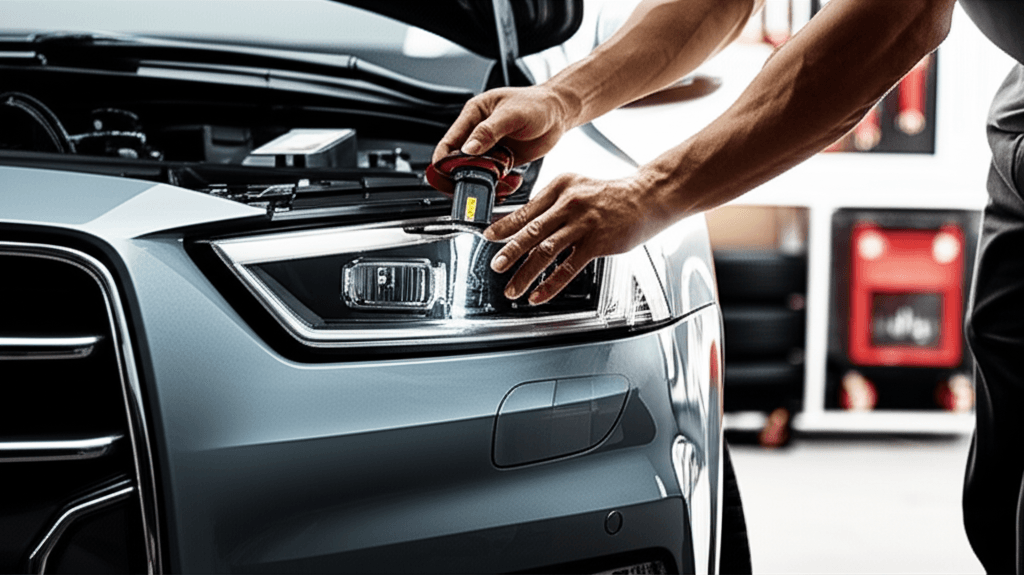
Upgrade your vehicle’s lighting for significantly better visibility, safer nighttime driving, and a modern look with LED headlight bulbs. This guide helps you choose the best LED headlight bulbs, understand their advantages, and enjoy a confident, brighter ride.
Are you tired of dim headlights that make nighttime driving feel like a chore? Do you struggle to see road signs or potential hazards in the dark? Many older vehicles come equipped with halogen bulbs that just don’t cut it anymore. Thankfully, there’s a brilliant solution: upgrading to LED headlight bulbs. These modern marvels offer a significant leap in brightness and clarity. In this guide, we’ll explore why LED headlight bulbs are considered the best upgrade for your vehicle, what to look for when you’re shopping, and how to make the switch confidently. Get ready for a brighter, safer driving experience!
Why LED Headlight Bulbs Are the Smartest Upgrade
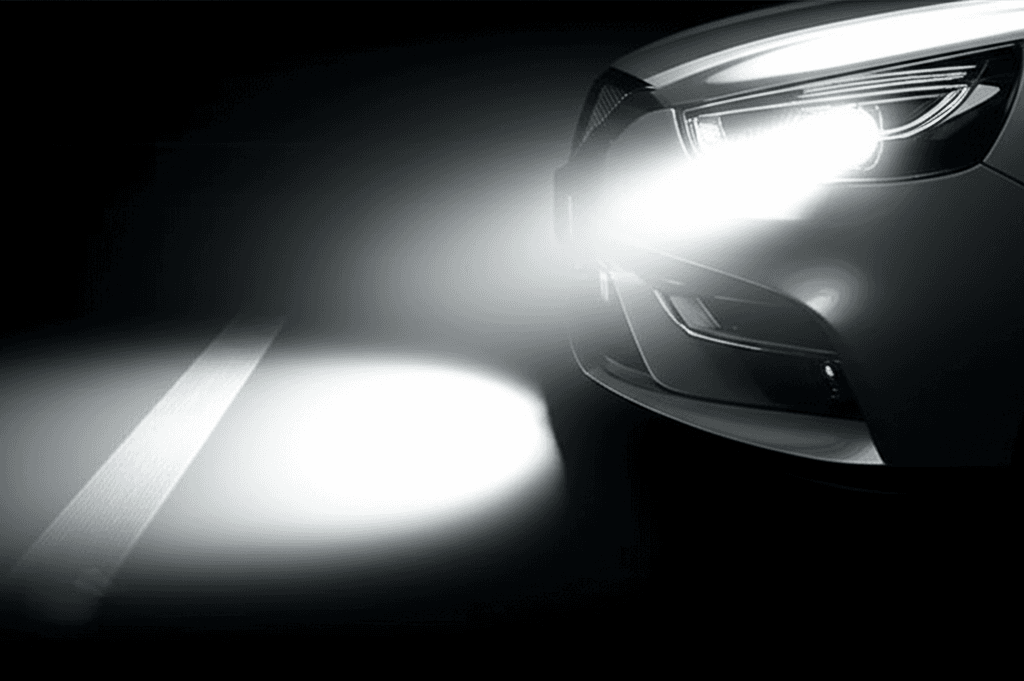
When it comes to improving your car’s lighting, the conversation almost always leads to LED headlight bulbs. But why are they so popular, and what makes them a superior choice over traditional halogen bulbs? Let’s break it down.
Brighter Illumination for Safer Driving
The most significant advantage of LED headlight bulbs is their superior brightness. They produce a much more intense light output compared to halogens, often measured in lumens. More lumens mean a brighter beam, which translates directly to better visibility on the road. You’ll be able to see further ahead, spot pedestrians, cyclists, and road debris sooner, and generally feel more in control during those dark drives. According to the National Highway Traffic Safety Administration (NHTSA), improved visibility is a key factor in preventing nighttime crashes, making this upgrade a serious safety consideration.
Enhanced Clarity and Color Temperature
Beyond just raw brightness, LED bulbs offer a cleaner, crisper light that’s closer to natural daylight. This cooler color temperature (often around 5000K to 6000K) reduces eye strain and makes it easier for your brain to process visual information, especially over long drives. Halogen bulbs, with their yellowish hue, can sometimes make it harder to distinguish colors, which is crucial for reading road signs or identifying emergency vehicles. The clear white light from LED headlight bulbs makes everything on the road appear more distinct and true to color.
Energy Efficiency and Longevity
LEDs are incredibly energy-efficient. They consume significantly less power than halogen bulbs to produce the same amount of light. This reduced power draw can have a minor positive impact on your vehicle’s fuel economy and takes some of the strain off your car’s electrical system. Even more impressive is their lifespan. While a halogen bulb might last 500 to 1,000 hours, high-quality LED headlight bulbs can last for 20,000 to 50,000 hours or even more. This means you’ll likely never have to replace them for as long as you own the vehicle, saving you money and hassle in the long run.
Modern Aesthetics
Let’s be honest, the clean, white light of LED headlights gives a car a modern, high-tech look. If your vehicle has older, yellowish halogen headlights, upgrading to LEDs can instantly give it a facelift and a more premium appearance. It’s a simple change that can significantly improve the overall look of your car.
What to Consider When Buying LED Headlight Bulbs
Not all LED headlight bulbs are created equal. To get the best performance and avoid common pitfalls, here’s what you need to consider:
Bulb Type and Fitment
This is the absolute most crucial step. Your car requires a specific bulb type (e.g., H11, 9005, H7) for its low and high beams. Using the wrong bulb won’t just mean it won’t fit; it can also lead to improper light projection, blinding other drivers, or not illuminating the road correctly. Always consult your car’s owner’s manual or use an online fitment guide (many retailers offer these on their websites) to determine the exact bulb size(s) needed for your vehicle. You can’t just grab any set of LED headlight bulbs; they need to be the right match for your car.
Brightness (Lumens) and Beam Pattern
While higher lumens generally mean brighter light, it’s not the only factor. The way the light is projected is critical. A good LED bulb is designed to mimic the filament location of a halogen bulb, ensuring the light beam is focused correctly by your car’s headlight housing. Poorly designed LEDs can scatter light, creating dark spots on the road and a blinding glare for oncoming drivers. Look for bulbs that specifically mention a “focused beam” or “beam pattern,” and check reviews to see if users report issues with glare or insufficient road illumination.
Color Temperature (Kelvin)
As mentioned earlier, color temperature affects how you perceive the light and how it affects others. Most people find a color temperature between 5000K and 6000K to be ideal for visibility and aesthetics. Temperatures above this can appear excessively blue, which isn’t necessarily better for seeing and can sometimes be mistaken for emergency vehicle lights. Temperatures below 5000K will be warmer and less bright-looking.
Cooling System
LEDs generate heat, and effective cooling is essential for their longevity and performance. Most LED headlight bulbs use either a heatsink (often a finned aluminum base) or a small, integrated fan to dissipate heat. Fans are generally more effective at cooling but can sometimes be a source of noise, though most are very quiet. Consider the space available in your headlight housing when choosing between fan-cooled and heatsink designs.
Durability and Water Resistance (IP Rating)
Your headlight bulbs are exposed to the elements – rain, dust, extreme temperatures. Look for bulbs with a good IP (Ingress Protection) rating, such as IP65 or higher, which indicates they are protected against dust and water jets. High-quality construction materials, like aircraft-grade aluminum for the housing, also contribute to durability.
CAN Bus Compatibility (for some vehicles)
Many modern cars use a CAN bus (Controller Area Network) system to monitor their lights. If you install LED bulbs that draw significantly less power than the original halogens, the car’s computer might interpret this as a burnt-out bulb and trigger a warning light on your dashboard. Many quality LED bulbs include built-in resistors or decoders to prevent this. If your car has a CAN bus system (often indicated in the owner’s manual or by checking online forums for your specific make/model), ensure the LED bulbs you choose are labeled as “CAN bus compatible” or “error-free.”
Comparing LED Headlight Bulb Types
Here’s a quick look at some common features and differences you’ll find.
| Feature | Halogen Bulbs | Standard LED Bulbs | CAN Bus Compatible LED Bulbs |
|---|---|---|---|
| Brightness | Moderate | High to Very High | High to Very High |
| Lifespan | Short (500-1000 hours) | Very Long (20,000+ hours) | Very Long (20,000+ hours) |
| Energy Use | Higher | Lower | Lower |
| Color Temperature | Yellowish (approx. 3000K) | Cool White (5000K-7000K) | Cool White (5000K-7000K) |
| Beam Pattern | Designed for housing | Varies; quality matters for focus | Varies; quality matters for focus |
| CAN Bus Error | No | May cause errors on modern cars | Designed to prevent errors |
| Cost | Low | Medium | Medium to High |
| Pro/Con | Pros | Cons |
|---|---|---|
| LED Headlight Bulbs | Significantly brighter, much longer life, energy efficient, cleaner light, modern look. | Can be more expensive upfront, need to ensure correct fitment, potential for dashboard errors without CAN bus compatibility, requires proper beam pattern design to avoid glare. |
Top 5 LED Headlight Bulb Picks on Amazon (USA)
Choosing the right brand can be overwhelming. Here are five highly-rated LED headlight bulb options available on Amazon that offer excellent performance and compatibility for many vehicles. Always double-check the fitment for your specific car model before purchasing!
1. Philips Ultinon Boost LED
Philips is a trusted name in lighting, and their Ultinon Boost series offers exceptional brightness and a precise beam pattern that mimics OEM halogens. They are designed for durability and longevity, providing a significant visibility improvement without causing glare to other drivers. These are a fantastic choice for a top-tier upgrade.
2. AUXITO 120W 20000LM LED Bulbs
These AUXITO bulbs are known for their incredible brightness and heat dissipation, thanks to their advanced cooling system. They offer a crisp white light and a clear cut-off line in the beam pattern, minimizing glare. They are often plug-and-play with many vehicles, making installation straightforward.
3. Alla Lighting 20000 Lumen LED Bulbs
Alla Lighting provides a powerful lighting solution with these high-lumen LED bulbs. They feature a compact design that fits most housings and a specialized beam pattern to ensure optimal road illumination. Many users report a dramatic improvement in night-time driving visibility with these bulbs.
4. SEALIGHT Scopercase LED Bulbs
SEALIGHT offers a reliable and cost-effective LED upgrade. Their Scopercase bulbs focus on achieving a clear cut-off line for safety and easy installation. They are designed for longevity and provide a noticeable increase in brightness and clarity over standard halogen bulbs.
5. SANSUI H11/H8/H9 LED Bulbs (20000LM)
SANSUI brings robust performance with these high-lumen LED bulbs. Engineered for better heat management and consistent brightness, they offer a superior driving experience. Their design aims for a perfect beam pattern, ensuring you see more of the road ahead while respecting other drivers.
How to Install LED Headlight Bulbs (Step-by-Step)
Replacing your headlight bulbs with LEDs is often a DIY-friendly task. However, it’s crucial to do it safely and correctly. Always refer to your vehicle’s owner’s manual for specific instructions. Here’s a general guide:
- Safety First: Ensure your vehicle is parked on a level surface, the engine is off, and the headlights have cooled down if they were recently used. Disconnect the negative terminal of your car battery for extra safety, especially if you need to reach deep into the engine bay.
- Locate the Headlight Assembly: Open your vehicle’s hood. The headlight bulbs are typically accessed from behind the main headlight assembly in the engine bay.
- Access the Bulb: You might need to remove a dust cover or shield to get to the back of the headlight. Some vehicles may require removing the headlight assembly itself, or accessing it from underneath the car. Consult your manual!
- Disconnect the Old Bulb: Unplug the electrical connector from the old halogen bulb. There’s usually a tab you need to press to release it.
- Remove the Old Bulb: The bulb is typically held in place by a retaining clip or a twist-lock mechanism. Carefully release the clip or twist the bulb counter-clockwise to remove it from the housing.
- Install the New LED Bulb: Handle the new LED bulb by its base, avoiding touching the actual LED chips. Insert the LED bulb into the housing, ensuring it’s oriented correctly. Secure it with the retaining clip or twist-lock mechanism. The LED chips should ideally be positioned at the 3 o’clock and 9 o’clock positions, mimicking the filament of a halogen bulb for proper beam projection.
- Reconnect the Electrical Connector: Plug the electrical connector from your car’s wiring harness firmly onto the new LED bulb.
- Reinstall Dust Cover/Shield: If you removed a dust cover or shield, reinstall it to protect the headlight assembly from dust and moisture.
- Test the Lights: Reconnect your car battery (if disconnected). Turn on your headlights with the engine running. Check that both low and high beams work correctly. Aim your headlights to ensure they are not blinding oncoming traffic. Many auto parts stores offer headlight aiming services or you can find DIY guides online from sources like AAA.
Common Mistakes to Avoid:
- Touching the glass or LED chips of the new bulb with bare hands (oils can cause premature bulb failure).
- Forcing the bulb into the housing (it should fit smoothly).
- Installing the bulb in the wrong orientation (this severely affects beam pattern).
- Buying bulbs without checking fitment for your specific car.
- Not addressing CAN bus errors if your vehicle requires them.
Frequently Asked Questions (FAQ)
Are LED headlight bulbs worth the upgrade?
Yes, absolutely! For most drivers, LED headlight bulbs are one of the most impactful and beneficial upgrades you can make to your vehicle. They offer significantly improved visibility, a longer lifespan, and a more modern look, all contributing to a safer and more pleasant driving experience.
Can I put LED bulbs in my car if it didn’t come with them?
In most cases, yes. As long as you purchase the correct bulb type (e.g., H11, 9005) for your vehicle and ensure they are designed for proper beam projection, you can replace your factory halogen bulbs with LED headlight bulbs.
Will LED bulbs cause a dashboard error light?
On some modern vehicles with CAN bus systems, installing LEDs that draw less power can trigger a ‘bulb out’ warning light. To avoid this, look for LED headlight bulbs specifically advertised as “CAN bus compatible” or “error-free.”
How do I aim my headlights after installing LED bulbs?
Proper aiming is crucial for safety. Many auto repair shops can aim your headlights for a small fee. You can also find DIY guides online from reputable automotive resources like Car and Driver or local mechanic websites. The general principle is to adjust them so the beam hits the road at the correct height and distance without blinding oncoming drivers.
Are LED headlights legal?
In the USA, regulations for aftermarket lighting can vary by state. Generally, as long as your LED headlight bulbs produce a proper beam pattern (no excessive glare) and are the correct color (typically white or amber), they are considered legal. It’s always a good idea to check your local vehicle lighting laws if you have concerns.
How long do LED headlight bulbs last compared to halogen?
LED bulbs have a vastly superior lifespan. While halogen bulbs typically last between 500 to 1,000 hours, high-quality LED headlight bulbs can last anywhere from 20,000 to 50,000 hours or even more. This means you’ll likely never need to replace them during your ownership of the vehicle.
Drive Brighter, Drive Safer
Upgrading to LED headlight bulbs is a smart move for any car owner looking to improve their driving experience. The benefits of enhanced visibility, reduced eye strain, and incredible longevity make them a standout automotive upgrade. By understanding what to look for and how to install them safely, you can confidently make the switch and enjoy a brighter, safer journey on the road. Regular maintenance and simple upgrades like these are key to keeping your vehicle in great shape and ensuring your safety every time you get behind the wheel.