
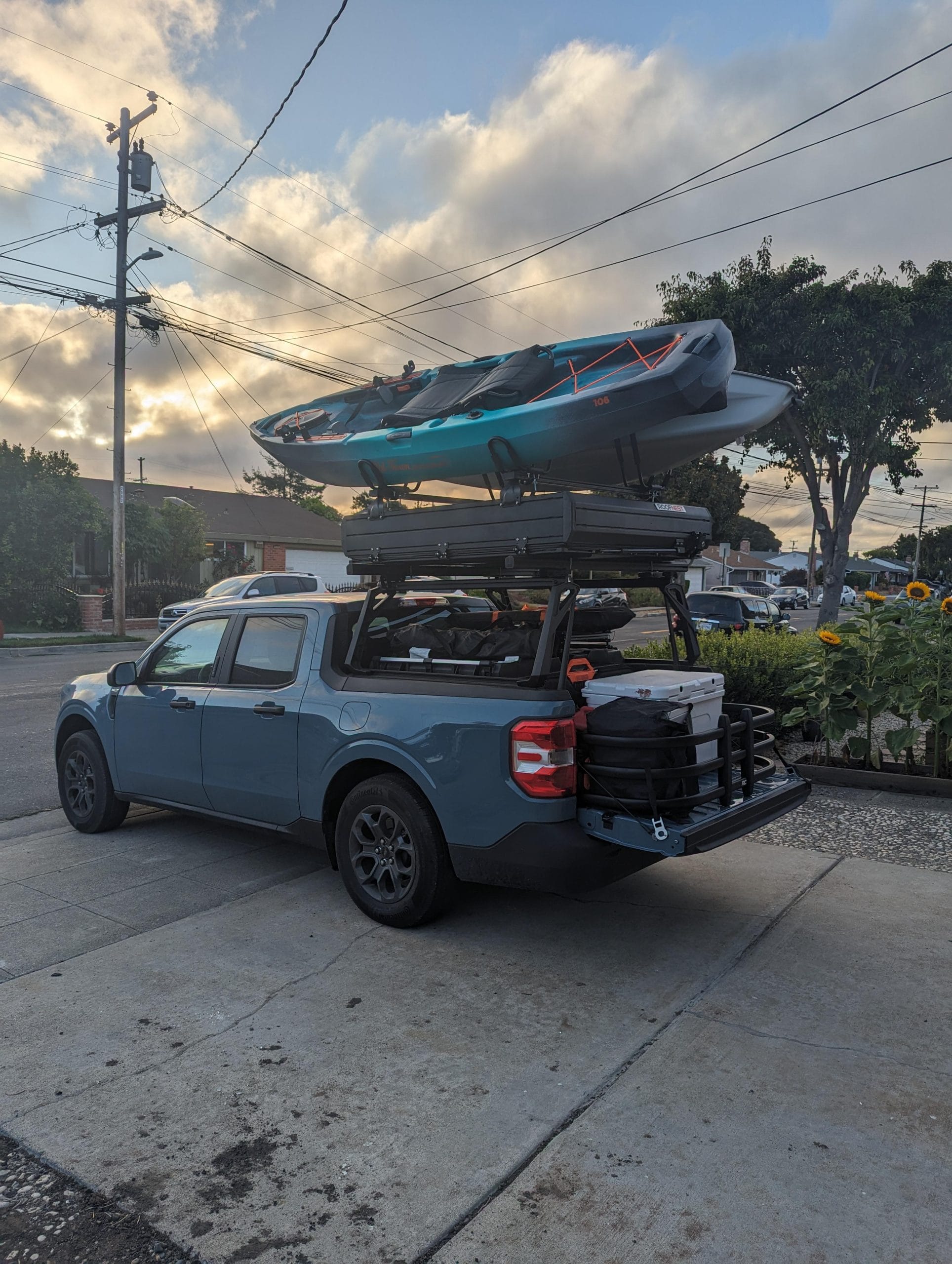
Kayaking and rooftop tents offer a unique adventure experience. This combination provides freedom and flexibility.
Imagine paddling through serene waters by day and sleeping under the stars at night. Kayaks let you explore hidden waterways and remote spots. Roof top tents ensure you rest comfortably, high above the ground. This blend of activities brings you closer to nature.
It’s perfect for those who seek both thrill and tranquility. Whether you are a seasoned adventurer or a curious beginner, this guide will show you how to combine kayaking and rooftop camping. You’ll learn tips, tricks, and essential gear to make your trips unforgettable. Ready to elevate your outdoor adventures? Let’s dive in and explore the world of kayaking and rooftop tents.
Introduction To Adventure Duo
A kayak and a roof top tent make a perfect adventure duo. The combo works well for nature lovers and outdoor enthusiasts. You can explore waterways by day and sleep under the stars at night. This setup offers both mobility and comfort. You can travel to remote places with ease.
The kayak allows you to access hidden spots. Paddling in a kayak is fun and offers a great workout. Meanwhile, the roof top tent provides a cozy place to rest. It’s easy to set up and keeps you safe from wild animals. This combination offers the best of both worlds.
Choosing The Right Kayak
There are different types of kayaks. Recreational kayaks are great for calm waters. They are easy to use and very stable. Touring kayaks are for long trips. They are faster and track well. Whitewater kayaks are for rivers with rapids. They are short and easy to turn. Fishing kayaks have space for gear. They are stable and often have rod holders.
Weight is important. A lighter kayak is easier to carry. Length affects speed and tracking. Longer kayaks are faster and track better. Width affects stability. Wider kayaks are more stable. Material matters too. Plastic kayaks are durable. Fiberglass ones are lighter but can crack. Seat comfort is crucial for long trips. Padded seats are better.
Selecting The Perfect Roof Top Tent
Roof top tents come in different styles. Hard shell tents are durable. They can handle bad weather. Soft shell tents are lighter. They are easier to set up. Hybrid tents mix both styles. They offer good balance.
Look for strong materials. They should be waterproof. Check the tent’s size. It should fit your car. Ensure it has good ventilation. This keeps it cool. A built-in mattress is a plus. It adds comfort. Easy setup is important. This saves time.
Credit: www.reddit.com
Preparing For The Journey
Bring waterproof bags for your clothes and gear. Pack a first aid kit. Always have extra food and water. Don’t forget a map and compass. A flashlight with spare batteries is crucial. Take a multi-tool and duct tape. These can fix many problems.
A life jacket is a must for kayaking. Wear a helmet for protection. Use knee pads and elbow pads. Carry a whistle for emergencies. Bring sunscreen and sunglasses to protect from the sun. Always have a fire extinguisher in your vehicle. Check your roof top tent for damage before the trip.
Setting Up Your Roof Top Tent
First, park your car on a flat surface. Make sure you have all the tools ready. Read the instruction manual for your tent. Follow the steps one by one. Secure the tent tightly. Check all bolts and screws. Ensure they are tight and firm. A loose tent can be dangerous. Always double-check your work.
Always check the weather before setting up. A clear day is best. Take your time. Rushing can cause mistakes. Ask a friend for help. Two people make it easier. Keep the tent clean. Dirt can damage it. Store the tent properly when not in use. This will make it last longer. Regularly inspect your tent. Look for any damage. Fix problems right away.

Credit: www.tacomaworld.com
Launching And Maneuvering The Kayak
Start by placing the kayak in shallow water. Ensure the kayak is steady. Step into the kayak with one foot. Sit down and pull the other foot in. Use the paddle to push off from the shore. Keep your balance as you move forward. Practice makes perfect.
Grip the paddle firmly with both hands. Keep your strokes even and smooth. Use your core to steer. Lean slightly forward to go faster. Lean back to slow down. Avoid sudden movements to keep balance. Watch the water for obstacles. Always stay alert.
Top Destinations For Kayak And Tent Adventures
The Grand Canyon offers stunning views and calm waters. Paddle through the crystal-clear lakes in Banff National Park. Enjoy the serene environment of Lake Tahoe. The Everglades in Florida is perfect for a kayak trip. Experience diverse wildlife and landscapes. Don’t miss Acadia National Park in Maine. Its coastal views are breathtaking.
Discover the beauty of Apostle Islands in Wisconsin. Explore sea caves and pristine beaches. Visit Boundary Waters in Minnesota for peace and quiet. Paddle through calm, untouched waters. Head to Assateague Island in Maryland. Wild horses roam freely here. Enjoy the tranquility of Black Canyon in Nevada. It’s less crowded and offers unique views.

Credit: www.tacomaworld.com
Maintenance And Care
Proper maintenance and care for your kayak and rooftop tent ensure their longevity. Always clean and dry both items after each use. Regularly inspect for any damage or wear and repair promptly.
Cleaning And Storage
Clean your kayak after each use. Use fresh water and mild soap. Remove all dirt and debris. Dry it completely before storing. Store the kayak in a cool and dry place. Avoid direct sunlight. For roof top tents, clean the fabric with a soft brush. Use water and mild soap. Rinse well and let it dry. Store the tent in a dry area. Keep it away from sharp objects.
Routine Inspections
Inspect your kayak regularly. Check for cracks or damage. Look at the hull and fittings. Tighten loose screws. For roof top tents, check the seams. Ensure the zippers work well. Look for any tears in the fabric. Inspect the mounting hardware. Make sure everything is secure.
Environmental Considerations
Kayaking and using rooftop tents can reduce environmental impact. They minimize the need for large vehicles and permanent campsites. Enjoy nature responsibly by choosing eco-friendly gear.
Leave No Trace Principles
Pack out all trash and leftover food. Always stay on marked trails. Do not disturb wildlife or plants. Camp on durable surfaces to avoid damaging nature. Dispose of waste properly. Leave what you find. Be considerate of other visitors.
Eco-friendly Practices
Use reusable water bottles and containers. Choose biodegradable soaps and detergents. Opt for solar-powered gadgets. Carpool or use public transport to reduce carbon footprint. Support local eco-friendly businesses. Use energy-efficient camping gear. Respect nature and minimize your impact.
Frequently Asked Questions
What Is A Kayak Roof Top Tent?
A kayak roof top tent is a camping tent designed to be mounted on the roof of a vehicle, providing a convenient and elevated sleeping area.
How Do I Mount A Roof Top Tent?
To mount a roof top tent, you need a sturdy roof rack system. Follow the manufacturer’s instructions for secure installation.
Can I Use A Kayak Roof Top Tent In All Weather?
Yes, most kayak roof top tents are designed for various weather conditions. Ensure your tent is rated for the specific weather you expect.
How Many People Can A Roof Top Tent Accommodate?
Roof top tents vary in size. Most commonly, they accommodate 2 to 4 people. Check the tent specifications for exact capacity.
Conclusion
Planning a trip with a kayak and roof top tent offers great adventure. It combines water exploration and comfortable camping. Perfect for nature lovers. Enjoy scenic views and serene waters. Experience the best of both worlds. This setup is ideal for weekends or extended vacations.
Pack your gear, set up your tent, and paddle away. Embrace nature in a unique and exciting way. Travel light, sleep well, and paddle freely. Your next adventure awaits!