
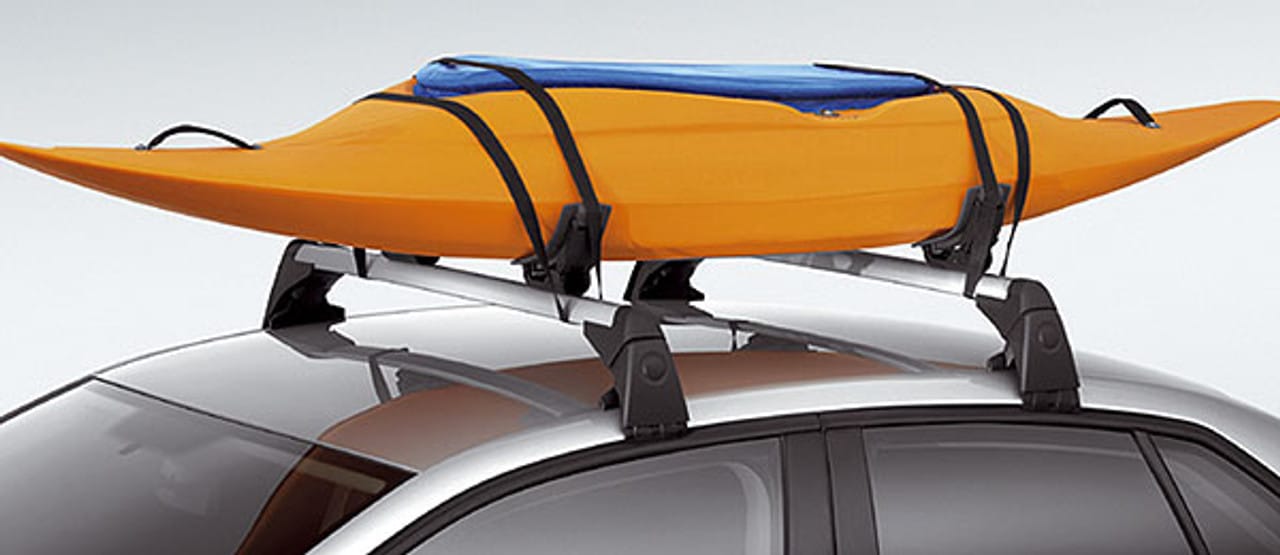
Kayak Roof Rack: Secure & Effortless Transport
Transporting your kayak doesn’t have to be a strenuous ordeal. A quality kayak roof rack system is your ticket to enjoying the water without the hassle of getting your beloved vessel to its destination. Gone are the days of struggling with awkward positioning or worrying about your kayak shifting loose during transit. Modern kayak roof rack solutions are designed for both security and user-friendliness, ensuring your kayak arrives safely and you arrive relaxed.
Whether you’re heading to a serene lake, a rushing river, or the open ocean, the right kayak roof rack is indispensable for any serious paddler. It’s more than just an accessory; it’s a crucial piece of equipment that protects your investment and enhances your overall outdoor experience. This guide will delve into the world of kayak roof rack systems, helping you understand the different types available, key features to consider, and how to choose the best one for your needs and vehicle.
Understanding Your Kayak Roof Rack Options
The market offers a diverse range of kayak roof rack systems, each with its unique advantages. Understanding these options is the first step towards making an informed decision.
J-Style Racks: Angled for Convenience
J-style racks, often referred to as J-cradles or J-hooks, are a popular choice for their space-saving design. They hold the kayak on its side, allowing you to typically fit two kayaks on a single crossbar system, whereas a flat rack might only accommodate one. This angled position also makes loading and unloading easier, especially for individuals or those with less upper body strength. The scooped design cradles the kayak securely, minimizing stress on its hull. When choosing a J-style kayak roof rack, look for padded interiors to prevent scratching and robust construction to withstand the elements and the weight of your kayak.
Saddle-Style Racks: Hull-Friendly Support
Saddle-style racks feature padded saddles or rollers that conform to the hull of your kayak. These are often considered the most hull-friendly option, as they distribute the weight evenly across a wider surface area, reducing the risk of hull deformation, particularly with lighter composite kayaks. Many saddle systems offer a load assist feature, such as a roller on the rear of the rack. This roller significantly eases the process of sliding the kayak onto the roof, a real boon when you’re loading solo. A well-designed saddle kayak roof rack will have ample padding and adjustable tensioners to keep the kayak snug and stable.
Universal Mounts & Flat Racks: Versatility in Design
Some kayak roof rack systems are designed as universal mounts that can accommodate a variety of watercraft, including kayaks, canoes, and paddleboards. These often consist of padded bars or a simple frame that provides a flat surface for the kayak to rest upon. While they offer excellent versatility, they may not offer the specialized support that J-style or saddle racks do. If you have an irregularly shaped kayak or carry multiple types of watercraft, a good universal mount kayak roof rack could be an ideal solution. Ensure they are compatible with your vehicle’s existing roof rack crossbars.
Platform Racks: The Ultimate Stability
For those who prioritize maximum stability and security, platform racks offer a dedicated, custom-fit solution. These racks are often integrated directly into a vehicle’s roof system or are designed to attach securely to existing crossbars, creating a stable, flat platform. A kayak can then be strapped directly to this platform. While often the most expensive option, a platform kayak roof rack provides unparalleled security and makes loading exceptionally straightforward, as you can often slide the kayak directly onto the platform with minimal lifting.
Key Features to Consider for Your Kayak Roof Rack
Beyond the basic styles, several features can significantly enhance the usability, security, and longevity of your kayak roof rack.
Material and Durability: Look for racks made from corrosion-resistant materials like powder-coated steel or aluminum. These materials are robust enough to handle the weight of most kayaks and withstand exposure to sun, rain, and salt water.
Padding and Protection: Adequate padding is essential to protect your kayak’s hull from scratches and dents. Ensure the materials used for padding are durable and won’t degrade quickly under UV exposure.
Locking Mechanisms: For added security against theft, opt for a kayak roof rack system that includes integrated locks for both the rack-to-crossbar attachment and the kayak-to-rack straps.
Ease of Installation and Loading: Consider how easy the rack is to install on your vehicle and, more importantly, how easy it is to load and secure your kayak. Features like rollers, quick-release straps, and intuitive designs can make a world of difference.
Weight Capacity: Always check the weight limit of the kayak roof rack system and ensure it’s well within the capacity of your vehicle’s roof load rating. Overloading can be dangerous and damage both your kayak and your vehicle.
Compatibility: Ensure the kayak roof rack system you choose is compatible with your vehicle’s existing roof rack system, whether it’s factory-installed crossbars or an aftermarket system.
Securing Your Kayak: Beyond the Rack
Even the best kayak roof rack is only part of the equation. Proper securing techniques are paramount to safe transport.
Straps: Use high-quality, non-slip straps with durable buckles. Cam buckle straps are excellent as they provide tension without over-tightening, which can damage the kayak. Always thread straps through the rack and around the kayak, ensuring they are snug but not so tight that they deform the hull.
Bow and Stern Lines: For maximum safety, especially on longer journeys or at higher speeds, it’s crucial to attach bow and stern lines. These lines run from the front and rear of your kayak to secure anchor points on your vehicle’s chassis or bumper. This prevents the kayak from lifting or shifting forward or backward. A good kayak roof rack will often include attachment points for these lines.
* Proper Placement: Position your kayak centrally on the crossbars of your kayak roof rack. Distribute the weight as evenly as possible.
The Benefits of Investing in a Quality Kayak Roof Rack
Investing in a reliable kayak roof rack system offers numerous advantages. Firstly, it significantly reduces the physical strain associated with transporting a kayak, making it accessible for more people. Secondly, it safeguards your kayak from damage during transit, preserving its condition and value. Thirdly, it provides peace of mind, knowing that your kayak is securely fastened and less likely to cause an accident. Finally, it allows you to explore new waterways with greater freedom and convenience.
In conclusion, a kayak roof rack is an essential accessory for any kayak enthusiast. By carefully considering your needs, the types of racks available, and key features, you can select a system that ensures your kayak is transported securely and effortlessly, getting you to the water and back home without unnecessary stress. Happy paddling!