
Quick Summary: Running a generator in your truck bed at night is generally safe if you take critical precautions against carbon monoxide poisoning and fire hazards. Always operate it in a well-ventilated area, keep it away from living spaces, and ensure proper fuel handling.
Heading out on an adventure or need backup power more often? You might be wondering about using your generator from your truck bed, especially after dark. It sounds convenient, right? Pop it in the back, plug in, and you’ve got power. But when the sun goes down, safety becomes even more important. Many people worry about the risks, and that’s smart. This guide will walk you through exactly how to do it safely, so you can enjoy your power source without any worries. We’ll cover everything you need to know to keep yourself, your passengers, and your vehicle out of danger.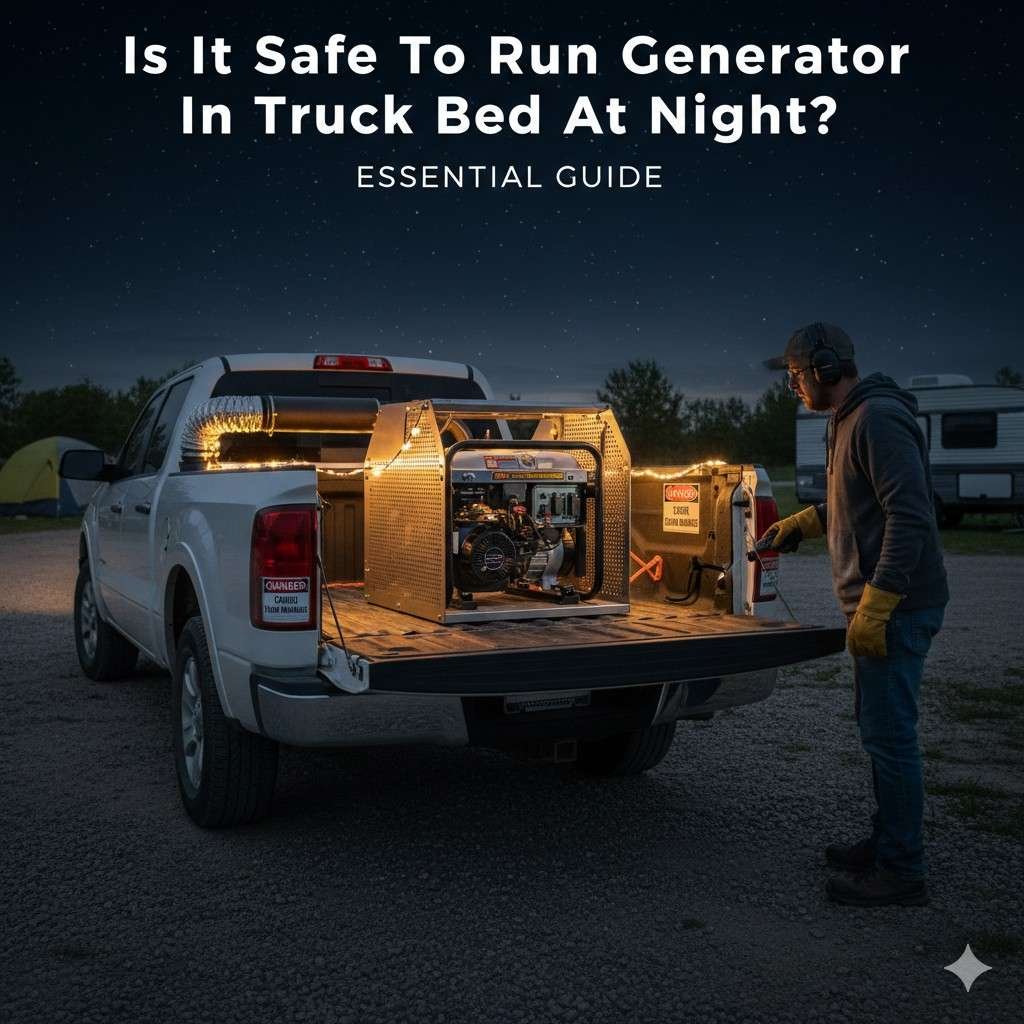
Why People Use Generators in Truck Beds
Truck beds offer a surprisingly versatile platform for setting up a generator. For campers, tailgaters, and remote workers, the truck bed provides a stable, elevated surface that keeps the generator out of the mud or water. This also makes it easier to access for refueling or starting. Plus, with a tonneau cover or a truck cap, you can offer some protection from the elements, which is a big plus when you’re planning to use it overnight or during unpredictable weather.
The convenience factor is huge. Instead of lugging a generator far from your vehicle, it’s already right there. This is especially helpful when you’re setting up camp late or need power for essential equipment without a lot of fuss. It’s about maximizing the utility of your truck and having power wherever you go.
The Dangers of Running a Generator in a Truck Bed at Night
While convenient, running a generator in a truck bed, especially at night, presents significant risks if not handled properly. The primary dangers are:
- Carbon Monoxide (CO) Poisoning: This is the most critical risk. Generators produce carbon monoxide, an odorless, colorless, and deadly gas. The enclosed or semi-enclosed space of a truck bed, particularly when combined with a truck cap or tonneau cover, can trap this gas. If the exhaust is directed towards your living space, or if the gas seeps into your cabin or tent, it can be fatal. Nighttime is particularly dangerous because people are often sleeping and less likely to detect the early symptoms of CO poisoning, such as headaches, dizziness, nausea, or confusion.
- Fire Hazards: Generators get hot during operation, and their exhaust can reach very high temperatures. Placing a running generator too close to flammable materials in your truck bed (like tarps, camping gear, extra fuel cans, or even the truck’s bed liner) can ignite them. Spilled fuel during refueling is another significant fire risk, especially at night when visibility is poor.
- Noise Disturbances: While not a safety hazard in the same vein as CO or fire, a noisy generator can be a nuisance to yourself and others, especially in quiet campgrounds or residential areas at night.
- Theft and Vandalism: Leaving expensive equipment like a generator unattended, even in your truck bed, can make it a target for theft, particularly in less secure locations or at night.
Essential Safety Precautions
To mitigate these risks, diligence is key. Treat your generator with respect, understand its output, and always prioritize safety over convenience.
Carbon Monoxide: The Invisible Killer
This is your number one concern. Carbon monoxide is a silent assassin. Your generator’s engine produces it as a byproduct of fuel combustion. Even a small amount can build up to dangerous levels very quickly, especially in confined spaces.
Ventilation is Non-Negotiable
Under no circumstances should you run your generator inside a fully enclosed space like a garage, or with your truck cap windows and RV door closed. The truck bed itself, even when open, can trap CO if the wind is blowing in a certain direction or if the truck cap is sealed. Always ensure there is ample airflow. This means:
- Keep the truck cap’s windows and vents fully open.
- Do not run the generator if your RV door or tent is positioned directly in line with the generator’s exhaust.
- Position the generator in the truck bed so its exhaust is directed away from any openings to your living space.
- Consider investing in a portable generator exhaust extender. These are flexible hoses designed to pipe the exhaust gases further away from the vehicle and its occupants. Ensure the hose is secured properly and is rated for high temperatures.
CO Detectors: Your Lifeline
This is one piece of gear you absolutely should not skip. A carbon monoxide detector is a small, battery-operated device that alerts you to the presence of CO gas. It’s your early warning system.
- Install CO detectors inside your RV, tent, or any enclosed living space you’ll be occupying while the generator is running.
- Test them regularly to ensure they are working properly.
- Never disable a CO detector.
- For added safety, consider a detector that can also sense propane or natural gas if you are using a dual-fuel generator.
For more information on carbon monoxide safety, the U.S. Environmental Protection Agency (EPA) offers detailed guidance on proper generator usage, including critical safety warnings about CO poisoning.
Preventing Fire Hazards
Generators produce heat and use flammable fuel. Both are a recipe for disaster if you’re not careful.
Fuel Handling Safety
Storing and refueling your generator requires extreme caution:
- Store fuel in approved containers away from living areas and heat sources. Ideally, keep fuel cans outside your vehicle entirely.
- Refuel only when the generator is turned off and has cooled down. Never refuel a hot generator.
- Avoid spills. If you do spill fuel, wipe it up immediately and allow the area to dry before starting the generator.
- Do not store partially filled fuel cans inside your truck bed or vehicle.
Generator Placement and Surroundings
Think of your generator like an open flame. Keep it away from anything that can burn.
- Maintain clearance. Most generator manufacturers recommend at least 5 feet (about 1.5 meters) of clearance around the generator for ventilation and to prevent heat from igniting nearby materials.
- Keep the area clean. Ensure the truck bed around the generator is free of debris such as rags, oil, bedding, grass, leaves, or any other flammable materials.
- Consider a heat shield. If your generator is positioned close to the truck’s fuel tank or other sensitive components, a heat shield might be a wise investment.
- Secure the generator. Use tie-downs or a generator security mount to prevent it from shifting during transport, which could lead to damage or spills.
Noise and Security Considerations
Even after addressing CO and fire risks, a few other points are worth noting.
- Noise: If you’re in a campground or a place where noise is an issue, consider running your generator only during designated hours. If it’s a particularly loud generator, you might look into sound-dampening enclosures or consider a quieter inverter generator.
- Security: When running your generator at night, especially if you’re sleeping in a tent or RV connected to it, ensure your vehicle is in a secure location. Consider using a generator lock or cable to deter theft when the generator is not in use.
Choosing the Right Generator for Truck Bed Use
Not all generators are created equal, and some are better suited for portability and truck bed mounting than others.
Inverter Generators vs. Conventional Generators
You’ll primarily encounter two types of portable generators:
- Conventional Generators: These are typically less expensive and produce more raw power. However, they are also louder, heavier, and their power output fluctuates, which can be harmful to sensitive electronics.
- Inverter Generators: These are more technologically advanced. They produce cleaner, more stable power, are significantly quieter, more fuel-efficient, and often more compact and lighter. Their “eco-mode” can adjust engine speed to match power demand, saving fuel and reducing noise. For truck bed use, especially at night, an inverter generator is almost always the superior choice due to its noise level and cleaner power.
Size and Power Output
The size (wattage) of the generator you need depends on what you plan to power. Calculate the total wattage required by your devices. Most small to medium inverter generators range from 1,000 to 3,500 watts, which is usually sufficient for charging devices, running lights, a small fridge, or a microwave.
Fuel Type
Generators run on gasoline, propane, or a combination (dual-fuel). Propane burns cleaner and is often easier to store for longer periods without degrading, but it can be less efficient than gasoline. Dual-fuel models offer flexibility.
Setting Up Your Generator Safely: A Step-by-Step Guide
Here’s a practical guide to getting your generator set up and running in your truck bed safely.
- Select a Safe Location: Choose a level, stable surface in your truck bed. Ensure there’s plenty of space around it for ventilation. Position it so the exhaust faces away from the truck cab, any nearby tents, or RVs.
- Ensure Ventilation: Open all truck cap windows and vents. If you have a tonneau cover, ensure it’s not trapping exhaust.
- Install CO Detectors: Place functional carbon monoxide detectors inside your sleeping/living area. Test them before starting the generator.
- Check Generator Condition: Inspect the generator for any damage, loose parts, or fuel leaks. Ensure the air filter is clean.
- Refuel Safely (If Needed): If refueling, ensure the generator is off and cool. Use an approved fuel can and pour slowly to avoid spills.
- Start the Generator: Follow the manufacturer’s instructions. Once running, check that it’s stable and the exhaust is flowing in the intended direction.
- Connect Your Appliances: Plug in only what you intend to power. Avoid overloading the generator.
- Monitor and Maintain: Periodically check the generator and its surroundings for any issues. Listen for unusual noises.
- Shut Down Safely: Turn off appliances first, then shut down the generator. Allow it to cool completely before covering or moving it.
Generator Placement Options in the Truck Bed
How you position the generator in the truck bed can impact safety and convenience.
Directly in the Bed
This is the most straightforward method. The generator sits directly on the truck bed floor. Ensure it’s tied down and positioned to maximize airflow and direct exhaust away from occupants.
On a Generator Mount/Platform
Some aftermarket mounts bolt into the truck bed, providing a raised or stable platform. This can keep the generator off the floor, away from potential moisture, and can sometimes be designed to improve exhaust direction.
A generator mount can also help secure the unit, preventing it from sliding during transit or operation.
Under a Cap or Tonneau Cover
This is where caution is crucial. While a cap or cover offers protection from weather, it significantly increases the risk of CO buildup. If you must use it under a cap:
- Keep ALL windows and vents of the truck cap wide OPEN.
- Ensure there is a clear path for exhaust to escape and fresh air to enter constantly.
- Never seal the cap completely when the generator is running.
- A CO detector inside the cap and one inside your living space are mandatory.
For this reason, many experts recommend running generators with truck caps fully open or, preferably, with the generator positioned outside the truck bed (e.g., on the ground adjacent to the truck) if space and conditions allow.
Troubleshooting Common Issues
Even with the best preparation, you might encounter a minor issue.
- Generator won’t start: Check fuel level, ensure the fuel valve is open, check the choke, and make sure the on/off switch is in the “on” position. For electric start, ensure the battery is charged. Sometimes, a clogged fuel filter or spark plug issue can be the culprit. Consult your owner’s manual.
- Generator stops running: This could be due to low fuel, an overloaded circuit (check breakers), or overheating. Allow it to cool down. If it’s an inverter generator, it might be shutting down to protect sensitive electronics or due to a lack of load (some require a minimum load to run).
- Too much vibration/noise: Ensure the generator is on a level surface and that all bolts are tight. For some models, an anti-vibration mat can help.
Generator Safety Checklist
Before each use, especially at night, tick off these essential points:
| Check Item | Status (Yes/No) | Notes |
|---|---|---|
| Generator is on a level, stable surface. | ||
| At least 5 feet clearance around the generator. | ||
| No flammable materials near the generator. | ||
| Generator exhaust directed away from living spaces. | ||
| All truck cap/RV/tent windows/doors open for ventilation. | ||
| CO Detector(s) installed and tested inside living space. | ||
| Fuel is stored safely, away from generator. | ||
| Generator is off and cool for refueling. | ||
| No fuel spills. | ||
| Extension cords are in good condition and rated for outdoor use. |
Conclusion
Using your generator in your truck bed at night can indeed be safe and incredibly convenient, but it demands respect for its power and its byproducts. Carbon monoxide and fire are the most serious risks you must actively manage. By prioritizing ventilation, using carbon monoxide detectors, handling fuel responsibly, and maintaining clear space around your running generator, you dramatically reduce the potential for danger.
Always follow your generator’s specific operating manual and local regulations. A little preparation goes a long way in ensuring your power source enhances your experience rather than jeopardizing your safety. Enjoy the peace of mind that comes with being prepared and making informed decisions for your outdoor adventures or power needs.
Frequently Asked Questions (FAQ)
Q1: Can I run my generator in my truck bed with a closed truck cap?
A1: No, you should never run a generator inside a fully enclosed space, including a truck cap with all windows closed. The enclosed nature will trap deadly carbon monoxide gas. You can run it with ALL truck cap windows and vents fully open, ensuring constant airflow, but extreme caution is still advised. It’s often safer to operate it outside the truck bed if possible.
Q2: What is the biggest risk of running a generator at night?
A2: The biggest risk is carbon monoxide (CO) poisoning. CO is an odorless, colorless gas produced by generators. At night, while you’re sleeping, you are most vulnerable because you won’t detect the early symptoms of CO poisoning, which can be fatal.
Q3: How far away from my RV or tent should the generator be?
A3: While there isn’t a strict rule for all situations, manufacturers often recommend a minimum of 5 feet (1.5 meters) clearance around the generator for ventilation. Crucially, ensure the exhaust is directed away from any openings to your living space, regardless of the distance.
Q4: Do I need a carbon monoxide detector if my generator is in an open truck bed?
A4: Yes, absolutely. Even in an open truck bed, wind conditions can push exhaust fumes towards your living area (tent, RV, or even your truck’s cabin if windows are open). A CO detector is essential for early warning.
Q5: Is it safe to store fuel in my truck bed while the generator is running?
A5: No, it is highly unsafe to store fuel cans near a running generator. Generators get hot, and fuel is highly flammable. Always store fuel separately, in approved containers, away from the operating generator and any heat sources.