
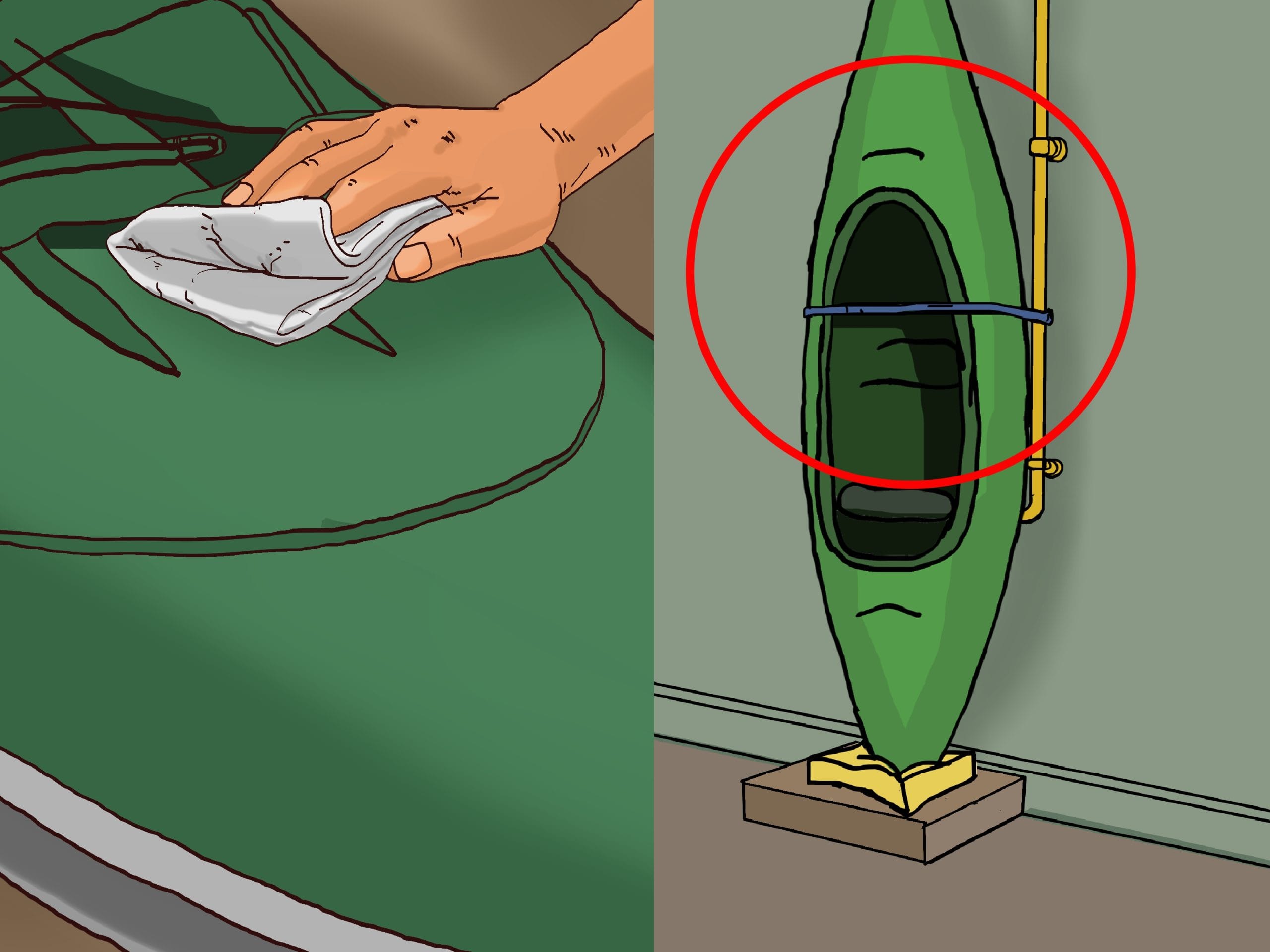
Storing a kayak may seem tricky, but it doesn’t have to be. Proper storage ensures your kayak stays in top shape for years.
Kayaks are an investment in fun and adventure. But to keep them in good condition, you need to store them correctly. Incorrect storage can lead to damage like warping or cracks. Whether you have a garage, shed, or limited space, there are various methods to store a kayak safely.
Understanding how to store your kayak properly will save you time and money on repairs. This guide will show you the best ways to store your kayak and keep it ready for your next outing. Let’s dive in and protect your valuable gear.
Choosing The Right Storage Location
Storing a kayak indoors is the best option. It protects from weather and theft. A garage or shed works well. Outdoor storage is also possible. Use a kayak cover to protect it. Place it in a shaded area. Avoid direct sunlight. Sun can damage the material.
Cold climates can cause cracks in the kayak. Store it indoors if possible. In hot areas, keep it out of the sun. High heat can warp the kayak. Use a cover for extra protection. In rainy places, keep it dry. Moisture can cause mold.
Preparing Your Kayak For Storage
Start by washing your kayak with fresh water. Use a mild soap. Scrub dirt, mud, and algae. Be sure to clean all areas. Rinse thoroughly to remove soap. Dry your kayak completely. Use towels to speed up drying. Air dry in a sunny spot. Moisture can cause mold and damage. Ensure no water is left in the kayak.
Take off all removable parts. Remove seats, paddles, and storage bags. Store these items separately. Check for any damage or wear. Repair or replace as needed. This keeps accessories in good condition. Also, it prevents loss of small items. Your kayak will be ready for the next adventure.
Indoor Storage Solutions
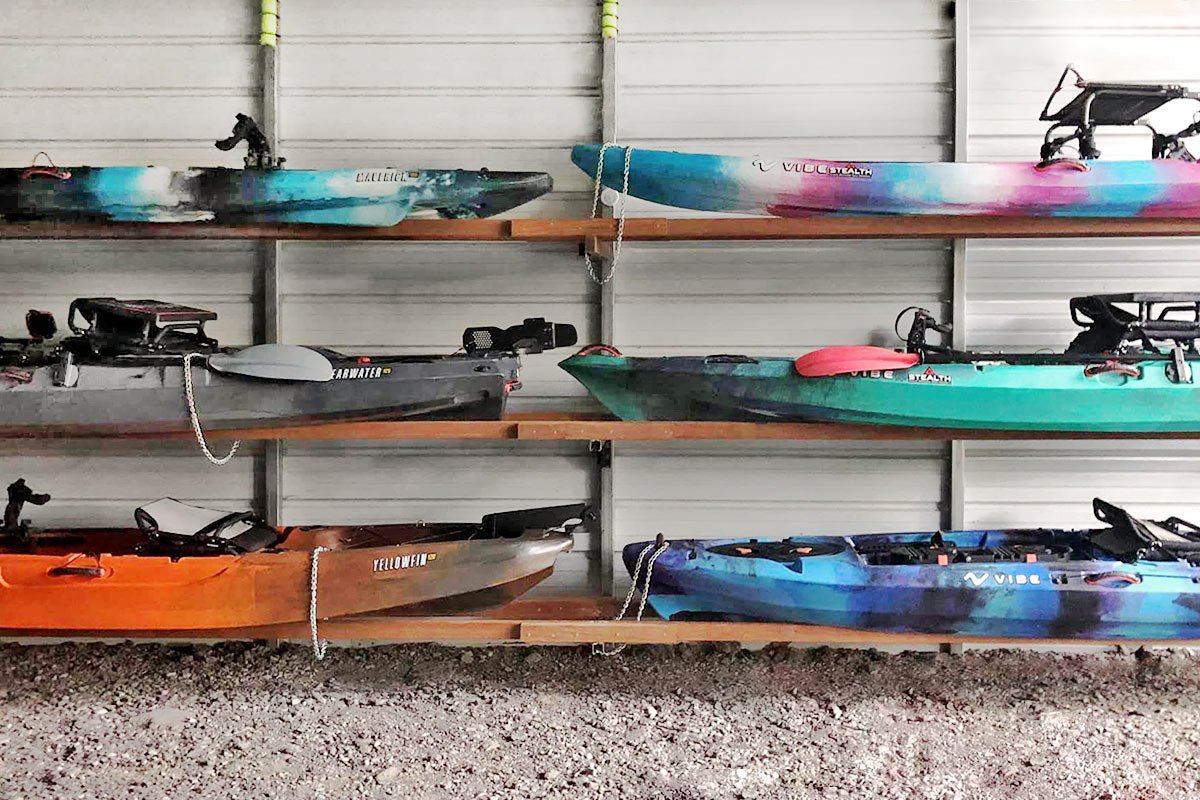
Store a kayak indoors by using wall-mounted racks. This keeps the kayak off the ground and saves space. Alternatively, ceiling hoists offer a great solution, especially in garages.
Wall-mounted Racks
Wall-mounted racks save floor space. They keep the kayak off the ground. This prevents damage. It also makes the kayak easy to access. Install racks on a sturdy wall. Make sure they can hold the kayak’s weight. Use straps or bungee cords for extra security. This keeps the kayak from falling.
Ceiling Hoists
Ceiling hoists lift the kayak up and out of the way. They are great for garages. They use pulleys and ropes to lift the kayak. This keeps the floor clear. Always check the weight limit of the hoist. Secure the kayak with straps. This prevents it from slipping. Ceiling hoists save space and protect the kayak.
Credit: www.reddit.com
Outdoor Storage Options
A kayak cover protects your kayak from rain, sun, and dirt. It keeps the kayak dry and clean. Choose a cover that fits well and is made of durable material. Secure the cover tightly with straps or bungee cords. This prevents the cover from blowing away in strong winds. A good cover can extend the life of your kayak.
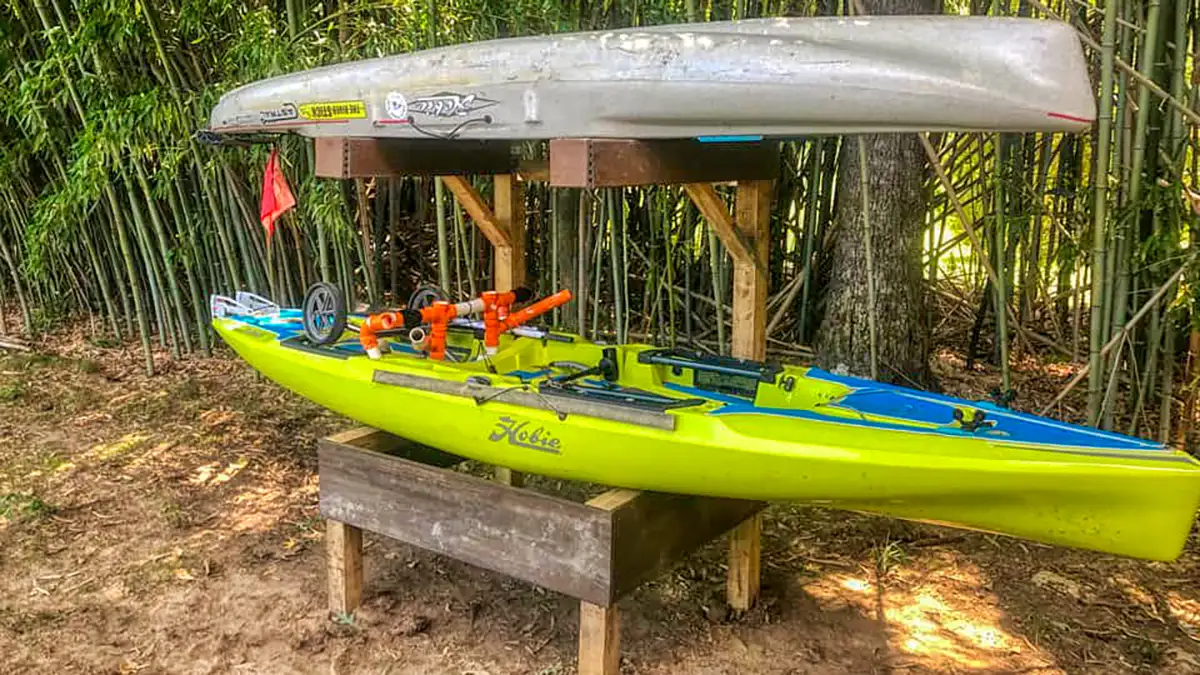
Elevated platforms keep your kayak off the ground. This prevents damage from moisture and pests. Use strong materials like wood or metal to build the platform. Ensure the platform is stable and level. Keeping your kayak elevated also makes it easier to clean and inspect.
Protecting Your Kayak From Weather
The sun can damage your kayak. UV rays weaken the material. Store your kayak in the shade. Use a UV-resistant cover. This will protect it from the sun. Check for any cracks often.
Rain and snow can harm your kayak. Water can freeze and expand. This may cause cracks. Keep your kayak in a dry place. Use a waterproof cover. Make sure it stays dry inside. This prevents mold and other damage.
Credit: www.wired2fish.com
Storing Different Types Of Kayaks
Sit-on-top kayaks are best stored indoors. This keeps them safe from sun damage. You can hang them on a wall with straps. Make sure the straps are wide. This helps to avoid dents. Store them on their side. This position is best for weight distribution.
Deflate your inflatable kayak first. Make sure it is dry before storing. Fold it neatly to avoid creases. Store it in a cool, dry place. Avoid placing heavy items on top. This can damage the kayak. Use a storage bag if possible. This keeps it clean and safe.
Preventing Common Storage Issues
Store your kayak out of direct sunlight. UV rays can damage the material. Keep it in a cool, dry place. Store the kayak on its side or upside down. This helps prevent the hull from warping. Use padded supports to hold it. Avoid hanging the kayak by its handles.
Check the storage area for pests. Mice and insects can harm your kayak. Clean the kayak thoroughly before storage. This removes food and debris that attract pests. Use mothballs or pest repellents. Place them near the kayak. Cover the kayak with a breathable fabric. This keeps pests out while allowing airflow.
Regular Maintenance During Storage
Inspect your kayak every few weeks. Look for any cracks or holes. Check the seams and the hull. Make sure there is no mold or mildew. Examine the straps and buckles. Replace them if they look worn. Look under the kayak for any pests or animals.
Fix small cracks with sealant. Patch any holes you find. Tighten any loose screws. Clean the kayak with mild soap and water. Dry it completely before storing. Lubricate the moving parts. Cover the kayak to protect it from dust.
Credit: vibekayaks.com
Frequently Asked Questions
How Do You Store A Kayak Indoors?
Store your kayak indoors by using wall racks, ceiling hoists, or padded stands. Keep it away from direct sunlight and moisture.
Can You Store A Kayak Vertically?
Yes, you can store a kayak vertically. Ensure it rests on its stern and is securely fastened to prevent tipping.
What Is The Best Way To Store A Kayak Outside?
Store your kayak outside using a weather-resistant cover. Place it on padded stands or hang it with straps.
Should A Kayak Be Stored Upside Down?
Yes, store a kayak upside down on padded racks or stands. This prevents hull deformation and water accumulation.
Conclusion
Proper kayak storage extends its lifespan and maintains performance. Always clean before storing. Choose a cool, dry place away from direct sunlight. Use storage racks or hangers for support. Avoid pressure points to prevent damage. Regularly check for any signs of wear or damage.
A well-maintained kayak ensures enjoyable future adventures. Follow these tips for a hassle-free experience. Happy kayaking!