
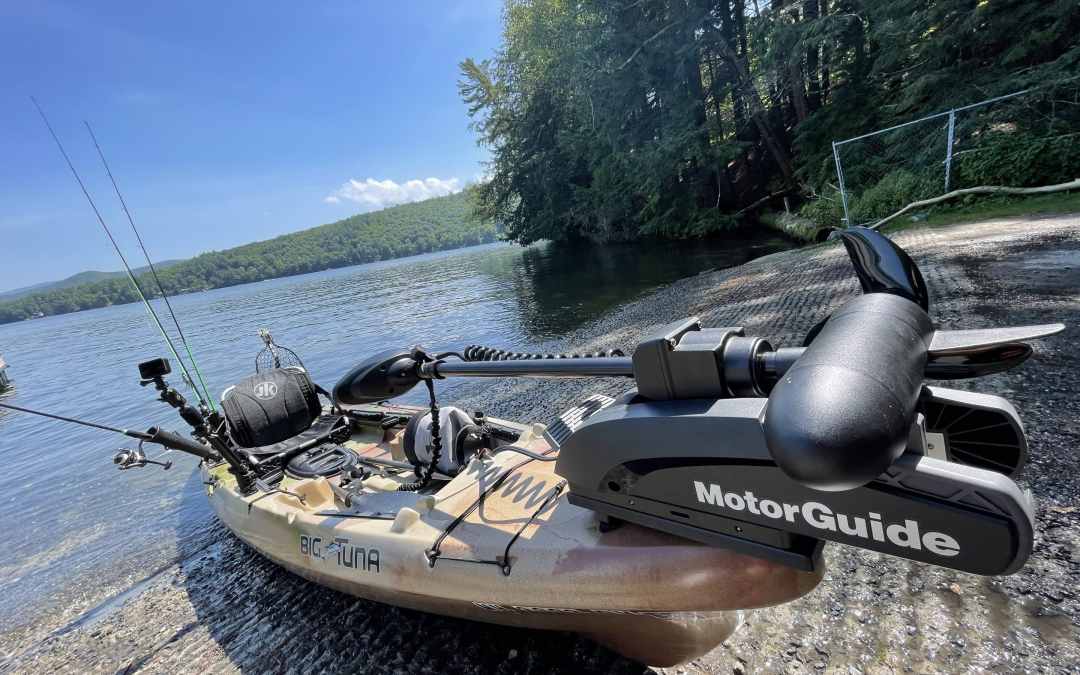
Mounting a kayak can seem tricky at first. But it doesn’t have to be.
Learning how to mount a kayak is essential for every paddler. Whether you are a beginner or have some experience, mastering this skill can make your kayaking trips smoother and more enjoyable. By knowing the correct way to get in and out of your kayak, you can avoid accidents and have more fun on the water.
This guide will walk you through the steps needed to mount a kayak safely and efficiently. Get ready to boost your confidence and make your kayaking adventures even better. Let’s dive in!
Choosing The Right Kayak
Mounting a kayak properly ensures a safe and enjoyable trip. Start by securing the kayak on a stable surface. Adjust the straps and check for balance before heading out.
Types Of Kayaks
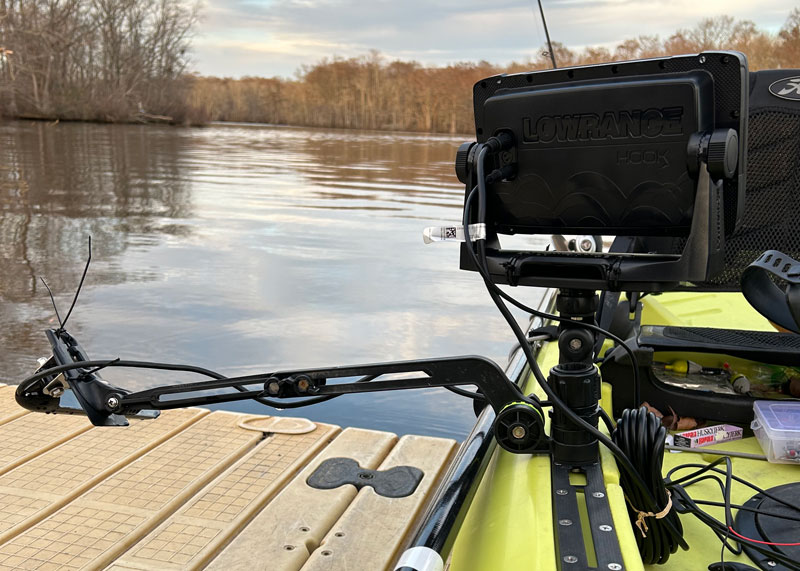
There are many types of kayaks. Each type has a special use. Recreational kayaks are for calm waters. Touring kayaks are great for long trips. Fishing kayaks have space for gear. Whitewater kayaks are for fast rivers. Think about where you will use your kayak.
Selecting Based On Activity
Pick a kayak that fits your activity. For calm lakes, choose a recreational kayak. For ocean trips, use a touring kayak. Fishing kayaks are best for fishing. Whitewater kayaks are for fast rivers. Always match your kayak to your activity.
Credit: fishtalkmag.com
Essential Gear
Mounting a kayak correctly ensures safety and stability on the water. First, place the kayak parallel to the water’s edge. Then, gently slide it into the water while holding onto the sides.
Safety Equipment
Safety gear is very important. Always wear a life jacket. It keeps you afloat. A whistle helps in emergencies. Bright clothing makes you visible. Bring a first aid kit too. Safety first!
Paddles And Accessories
Choose the right paddle. It should be the right size. Too long or short is bad. Paddle leashes keep paddles from floating away. Dry bags keep items dry. Seat cushions make you comfy. Foot braces help control the kayak. These items make kayaking fun and easy.
Preparing Your Kayak
Check your kayak for any cracks or holes. Look at the hull. Make sure it is smooth. Inspect the paddles. They should be strong and clean. Don’t forget the seat. It must be comfortable. Make sure the foot braces are intact.
Pack your gear in waterproof bags. Put the heavier items in the center. This keeps the kayak balanced. Secure your gear with straps. Make sure nothing can fall out. Bring a first aid kit. Always have extra water and snacks. Keep a map and compass in a dry place.
Launching Techniques
Place the kayak in shallow water. Hold the kayak steady. Step one foot into the kayak. Then, sit down slowly. Keep your balance. Push off from the shore with your paddle. Start paddling once you are floating.
Place the kayak parallel to the dock. Sit on the dock and put your feet in the kayak. Hold the dock with one hand. Lower yourself into the kayak slowly. Keep the kayak steady with your other hand. Push off from the dock with your paddle. Start paddling once you are free from the dock.
Getting In And Out
Place your kayak in shallow water. Make sure it is stable. Stand beside the kayak. Hold the sides for balance. Step one foot in. Keep your weight low. Sit down quickly. Bring the other foot in. Adjust your position. Now, you are ready to paddle.
Paddle to shallow water. Make sure the kayak is stable. Hold the sides for balance. Lift one foot out. Stand up slowly. Keep your weight low. Step out with the other foot. Move to solid ground. Ensure the kayak is secure. You have exited safely.
Credit: www.etrailer.com
Balancing And Stability
Mounting a kayak requires balance and stability. Place one foot in the kayak while holding onto the dock. Slowly shift your weight and sit down carefully.
Maintaining Balance
Keep your body centered in the kayak. Distribute your weight evenly. Use your hips to adjust balance. Sit up straight. This helps with stability. Keep your knees bent slightly. This improves control. Hold the paddle firmly but relaxed. Look ahead, not down. This helps maintain balance.
Handling Waves And Currents
Focus on staying calm. Paddle smoothly and steadily. Face waves head-on. This reduces the chance of tipping. Keep your paddle in the water. It helps with stability. Use small, controlled strokes. Avoid sudden movements. Stay alert and aware of your surroundings. Adjust your balance as needed. Lean into the waves slightly.
Paddling Techniques
Basic strokes are easy to learn. Forward stroke helps you move ahead. Backward stroke helps you move back. Place the paddle in the water and pull it. Repeat on the other side. Sweep stroke turns your kayak. Move the paddle in a wide arc. Practice makes these strokes smooth.
Advanced moves need more skill. Draw stroke moves your kayak sideways. Place the paddle near the kayak. Pull the water towards you. Sculling draw keeps you moving sideways. Move the paddle in a figure-eight. Low brace stops you from tipping over. Keep the paddle low and push the water. High brace helps you recover from a tilt. Push down with the paddle. These moves need practice.

Credit: www.amazon.com
Safety Tips
Secure your kayak on stable ground before mounting. Wear a life jacket and ensure your paddle is within reach. Keep your balance as you step into the kayak.
Weather Considerations
Check the weather before going kayaking. Avoid strong winds and storms. Sunny days are best for kayaking. Wear sunscreen to protect your skin. Dress in layers for changing weather. Always carry a waterproof jacket. Stay alert to weather changes.
Emergency Procedures
Always wear a life jacket. Keep a whistle for emergencies. Know how to swim before kayaking. Have a first aid kit with you. Tell someone your kayaking plans. Carry a mobile phone in a waterproof case. Learn basic rescue skills. Stay calm in an emergency. Signal for help if needed.
Frequently Asked Questions
What Equipment Do You Need To Mount A Kayak?
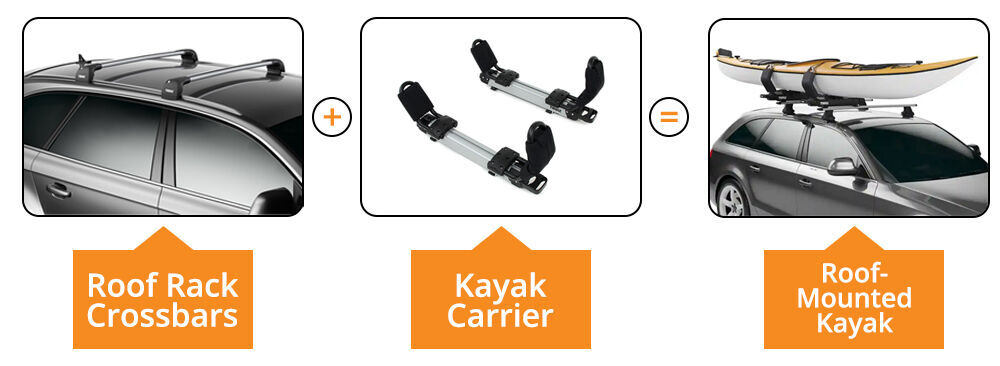
You need a kayak, paddle, life jacket, and roof rack. Ensure all equipment is secure and in good condition.
How Do You Secure A Kayak To A Roof Rack?
Place the kayak on the rack, use straps to secure it. Tighten the straps to prevent movement during transport.
Can You Mount A Kayak On Any Vehicle?
Most vehicles can mount a kayak with the right roof rack. Check your vehicle’s roof weight limit and compatibility.
How Do You Lift A Kayak Onto A Car?
Lift with your legs, not your back. Use a second person if the kayak is heavy. Place it gently on the rack.
Conclusion
Mounting a kayak doesn’t have to be difficult. Follow these steps for ease. Remember to stay safe and check your equipment. Practice makes perfect. With time, it becomes second nature. Enjoy your kayaking adventures! Share your experiences with friends. Happy paddling!