
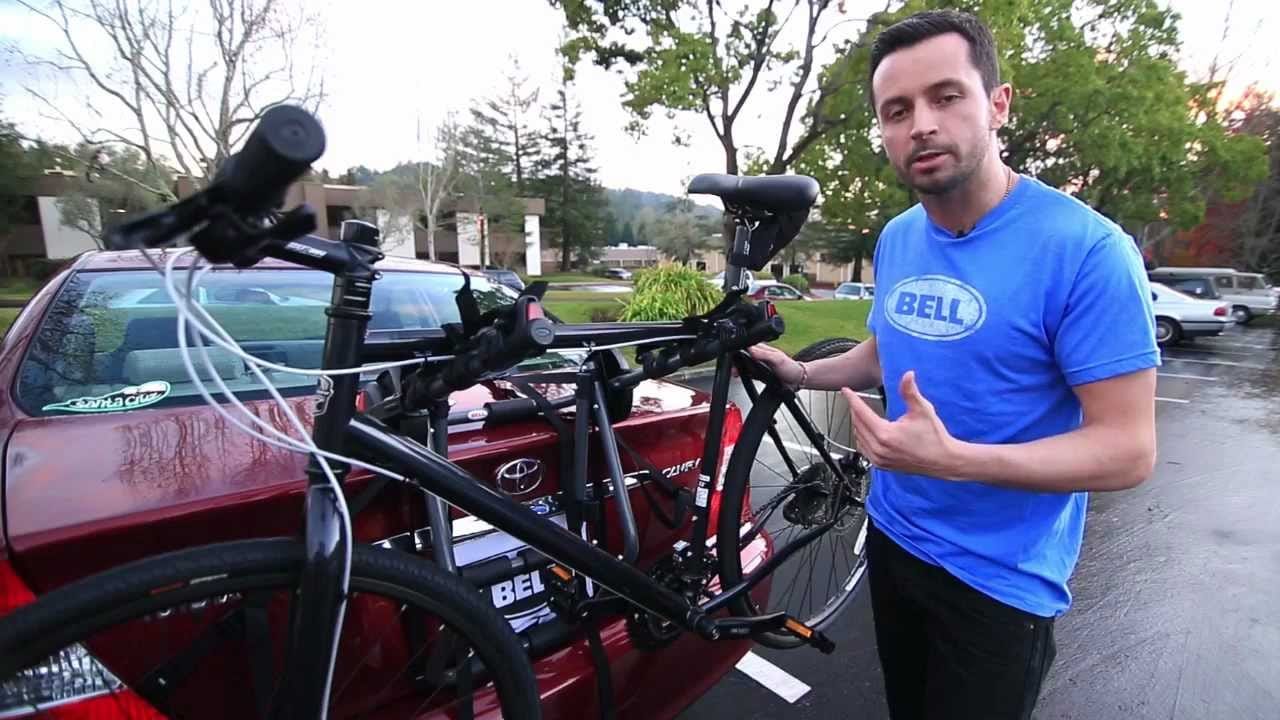
Fixing a bike rack can seem daunting at first. But with the right steps, it becomes simple.
A bike rack can get damaged or loose over time. This can cause problems during your ride. Knowing how to fix your bike rack can save you time and money. It ensures your bike stays secure when you need it most.
In this guide, you will learn how to identify common issues with bike racks. We will also show you how to fix them with basic tools. Whether your bike rack is wobbly or parts are missing, we have solutions. Get ready to make your bike rack as good as new. Let’s dive in and start fixing!
Gather Necessary Tools
Gather essential tools like wrenches, screwdrivers, and pliers. These help with tightening bolts and adjusting the rack. A repair stand keeps the bike steady.
Basic Tools Required
To fix a bike rack, you need some basic tools. A screwdriver is essential for tightening screws. Wrenches help with bolts and nuts. Pliers are useful for gripping and bending. A tape measure helps ensure proper alignment. Keep a cleaning cloth handy to wipe off any dirt.
Specialized Tools To Consider
Sometimes, you need specialized tools. A torque wrench ensures screws are tight enough. Allen keys fit specific bolts on bike racks. Lubricant keeps moving parts smooth. Consider a rubber mallet to gently tap parts into place. Thread-locking fluid helps screws stay secure.

Credit: www.youtube.com
Identify The Problem
Identify the problem by checking for loose bolts or broken parts. Look for rust or wear on the bike rack.
Common Issues With Bike Racks
Bike racks can face many issues over time. Loose bolts can cause instability. Broken straps can lead to bikes falling. Bent frames may not hold bikes properly. Rust can weaken the rack. Worn-out padding may scratch bikes.
Signs Of Wear And Tear
Look for rust spots on metal parts. Check for cracks in plastic pieces. Inspect straps for fraying. Notice if bolts are missing. Ensure padding is intact. Bent or wobbly parts need fixing.
Safety Precautions
Ensure your bike rack is stable before making adjustments. Wear gloves to protect your hands from sharp edges. Check bolts and screws regularly for safety.
Personal Safety Measures
Wear gloves to protect your hands. Always use safety goggles. Keep a first aid kit nearby. Ensure proper lighting. Work in a well-ventilated area. Avoid loose clothing. Tie back long hair. Use sturdy footwear. Keep tools organized.
Protecting The Bike
Place the bike on a soft surface. Use padding to prevent scratches. Secure the bike properly. Avoid leaning the bike against sharp objects. Check the bike for damages. Inspect tires for punctures. Clean the bike before starting work. Use gentle cleaning products. Avoid using high-pressure water. Dry the bike completely after cleaning. Ensure all parts are dry.
Tightening Loose Bolts
Secure loose bolts to fix a bike rack effectively. Ensure all bolts are tight to keep the rack stable and safe. Regularly check and tighten to prevent wobbling.
Inspecting Bolt Connections
First, look at all the bolts on your bike rack. Make sure they are not loose. Check each bolt by hand. Tighten any that feel loose. Use a wrench for this task. Tight bolts help keep the rack stable. Loose bolts can cause problems. Always inspect before each ride. Safety is very important.
Proper Techniques For Tightening
Use the right size wrench. Turn the wrench clockwise to tighten. Do not overtighten the bolts. This can strip the threads. Tighten each bolt until snug. Check the rack again. Make sure it is secure. Repeat this process for all bolts. It ensures safety and stability. Regular checks are key. Keep your bike rack in good shape.
Repairing Damaged Straps
Fixing a bike rack often involves repairing damaged straps. Inspect the straps for any wear and tear. Replace any broken or frayed straps with new ones to ensure the bike rack is secure.
Types Of Straps
Bike racks use different types of straps. Some are nylon straps. Others are rubber straps. Nylon straps are strong and durable. Rubber straps are flexible and easy to use. Both types hold the bike in place. Always check the straps for any wear or tear.
Step-by-step Strap Replacement
First, remove the old strap. Use a screwdriver if needed. Next, take the new strap. Ensure it is the right size. Attach one end to the bike rack. Pull it tight around the bike. Secure the other end. Check the fit. Make sure it is snug. Test the bike. Shake it gently. The bike should not move. If it moves, tighten the strap again.

Credit: www.wikihow.com
Fixing Bent Or Broken Parts
Check the bike rack for any bent or broken parts. Look closely at each part. See if it is bent or cracked. Bent parts can be straightened. Broken parts might need replacement. Make sure to note all the damage. This will help in fixing the rack properly.
Use pliers to straighten bent parts. Be gentle and patient. Do not use too much force. It could break the part. Replace any broken parts with new ones. Make sure the new parts fit well. Tighten all bolts and screws. Ensure the rack is secure before using it again.
Lubricating Moving Parts
Use the best lubricant for bike racks. Choose a lubricant made for metal moving parts. Avoid using household oils.
Clean the parts before adding lubricant. Apply in small amounts. Ensure even coverage on all parts. Wipe off any extra lubricant. Repeat this every few months.
Testing The Repair
After fixing a bike rack, ensure it is secure by gently shaking it. Check all bolts and attachments are tight. Make sure the bike sits properly on the rack.
Load Testing
Place the bike on the rack. Make sure it fits well. Check if the bike moves too much. Tighten any loose parts. Use a bit of force. The bike should stay in place. If it moves, adjust the rack.
Ensuring Stability And Safety
Check all the screws again. Make sure they are tight. Shake the rack gently. It should not wobble. Push the bike rack. It should feel solid. If it wobbles, fix it.

Credit: www.emtbforums.com
Frequently Asked Questions
How Do You Tighten A Loose Bike Rack?
First, identify the loose parts. Use a wrench to tighten bolts and screws. Ensure the rack is securely fastened to your vehicle. Check for any movement by shaking the rack gently.
What Tools Are Needed To Fix A Bike Rack?
Common tools include a wrench, screwdriver, and pliers. A hex key set might also be needed. These tools help tighten bolts, screws, and adjust parts.
Why Is My Bike Rack Wobbling?
A wobbling bike rack is usually due to loose bolts or improper installation. Tighten all fasteners and ensure the rack is correctly mounted. Check the connection points regularly.
How Often Should I Check My Bike Rack?
Check your bike rack before each use. Regular inspections help ensure safety. Tighten any loose parts and inspect for damage.
Conclusion
Fixing a bike rack doesn’t have to be complex. Use the steps provided to make your task easier. Regular maintenance can prevent future issues. Always keep your tools handy and check your rack often. A well-maintained bike rack ensures safe and hassle-free rides.
Enjoy your cycling adventures without worries. Follow these tips to keep your bike rack in top shape.