
Attaching a surfboard to a roof rack can seem tricky at first. But it’s easier than you might think.
Surfing is a beloved sport. Many surfers need to transport their boards. A roof rack is a great solution. But securing your board properly is crucial. Incorrect attachment can lead to damage or loss. It can also be dangerous on the road.
Ensuring your board is safe will give you peace of mind. This guide will teach you how to attach your surfboard securely. With a few simple steps, you’ll be ready to hit the waves. Whether you’re new to surfing or a seasoned pro, these tips will help you keep your board safe during travel. Read on to learn more.

Credit: speedsurfingblog.com
Choosing The Right Roof Rack
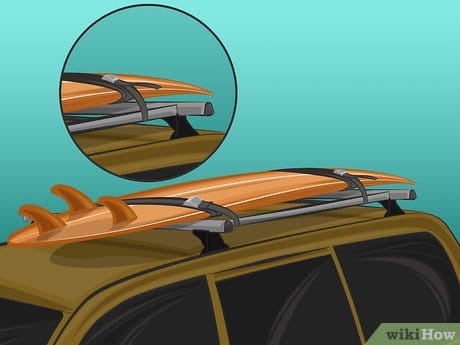
Secure your surfboard on the roof rack with straps. Place the board upside down and nose forward. Tighten straps snugly to avoid movement during travel.
Types Of Roof Racks
There are different types of roof racks. The main types are:
- Factory-installed racks
- Aftermarket racks
- Soft racks
Factory racks come with the car. Aftermarket racks can be added later. Soft racks are easy to install. They are also cheap. Each type has pros and cons. Choose based on your needs.
Compatibility With Your Vehicle
Ensure the roof rack fits your car. Check the roof type. Some racks fit only certain roofs. Flat roofs need different racks than curved roofs. Measure your car roof. Compare it with the rack size. A good fit is important. It keeps your surfboard safe.
Credit: www.bleujour.com
Preparing Your Surfboard
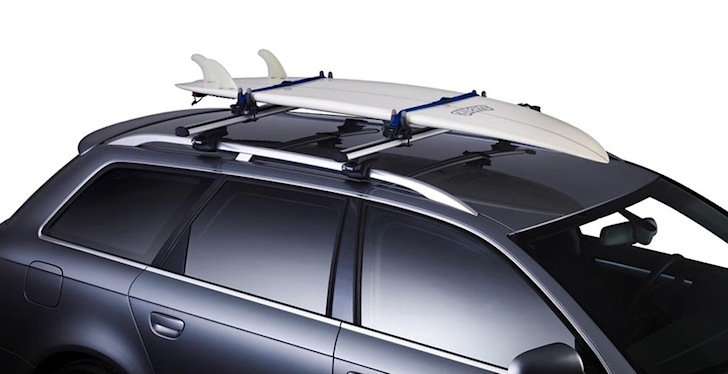
Secure your surfboard to the roof rack by using strong, adjustable straps. Make sure the board is centered and tightly fastened. Check that the board does not move during the drive.
Cleaning And Drying
Make sure your surfboard is clean. Use fresh water to rinse off salt. Then, dry it well with a soft towel. This stops rust and keeps your board safe. Dirt and salt can cause damage over time. Clean and dry are key steps before travel.
Inspecting For Damage
Check your surfboard for any cracks or dings. Even small damage can get worse during transport. Use your hands to feel for rough spots. Look closely at the edges and bottom. Fix any damage before you leave. A healthy board means a safe trip.
Positioning The Surfboard
Place the surfboard on the roof rack. Make sure it is centered. The board should be flat. It should not tilt. Check that the fins are facing up. This keeps the board safe.
Line up the surfboard with the car. The nose should face forward. This cuts down wind resistance. Ensure both ends are balanced. The board should not hang over too much. This helps in keeping it stable during the drive.
Securing The Surfboard
Ensure your surfboard is secure by attaching it properly to the roof rack. Use strong, durable straps to keep it in place. Double-check the tightness for a safe trip.
Using Straps And Tie-downs
First, place your surfboard on the roof rack. Make sure it is centered. Use strong straps to hold the board in place. Loop the straps over the board. Then, secure them to the roof rack. Pull the straps tight. Check that the board does not move.
Double-checking Tightness
Give the straps a good pull. They should not loosen. If they do, tighten them more. Check all the knots. Make sure they are firm. Push the surfboard lightly. It should not shift. This ensures your board is safe.
Protecting Your Surfboard
Using padding is key to protect your surfboard. Place soft foam or towels under your board. This helps to prevent scratches and dents. Also, board covers can add an extra layer of protection. Use them to shield your board from the sun and dirt.
Distribute the weight evenly on the roof rack. Avoid tight straps. They can create pressure points. This might cause damage to your surfboard. Check the straps often. Make sure they are snug but not too tight.
Driving With A Surfboard
Keep your speed under control. Driving fast with a surfboard can be risky. Surfboards catch wind easily. This can make your car unsteady. Always follow the speed limits. Safety first.
Check your surfboard often. It should not move or wiggle. Movement can loosen the straps. Tighten them if needed. A stable surfboard means a safe drive. Pay attention to any unusual sounds.
Tips For Long Drives
Stop every few hours. Check the surfboard and roof rack. Ensure all straps are tight. Look for any movement. Adjust if needed. This keeps the surfboard secure. It also makes your drive safer.
Rain and wind can affect the surfboard. Use waterproof covers. This protects the board from rain. Wind can loosen straps. Tighten them as needed. Be mindful of snow and ice. These can make straps slippery.
Removing The Surfboard
Begin by loosening the straps on your roof rack. Hold the surfboard steady with one hand. Carefully slide the surfboard off the rack. Use both hands to bring it down. Avoid sudden movements. Check for any damage. Place the surfboard on a soft surface. This prevents scratches. Do not drop the surfboard.
Find a cool, dry place. Avoid direct sunlight. Clean the surfboard before storing. Use fresh water to rinse it. Dry the board completely. Use a surfboard bag for extra protection. Keep it away from heavy objects. Store it horizontally or vertically. Check regularly for damage. This ensures a long life for your surfboard.

Credit: www.wikihow.com
Frequently Asked Questions
How Do You Secure A Surfboard To A Roof Rack?
Ensure the surfboard is centered on the rack. Use strong straps to secure it tightly. Double-check the stability before driving.
What Straps Are Best For Securing Surfboards?
Use high-quality, durable straps designed for surfboards. Look for padded straps to prevent damage.
Can I Attach A Surfboard Without A Roof Rack?
It’s not recommended. Roof racks provide a secure and stable way to transport your surfboard safely.
How Many Surfboards Can I Carry On A Roof Rack?
Most roof racks can hold 2-3 surfboards. Always check your vehicle’s load capacity and secure each board properly.
Conclusion
Securing your surfboard to a roof rack is simple. Just follow the steps. Ensure the board is clean and positioned correctly. Use sturdy straps for safety. Always double-check the setup before driving. This prevents accidents. With practice, it becomes routine.
Enjoy your surfing adventures stress-free. Safe travels and happy surfing!