
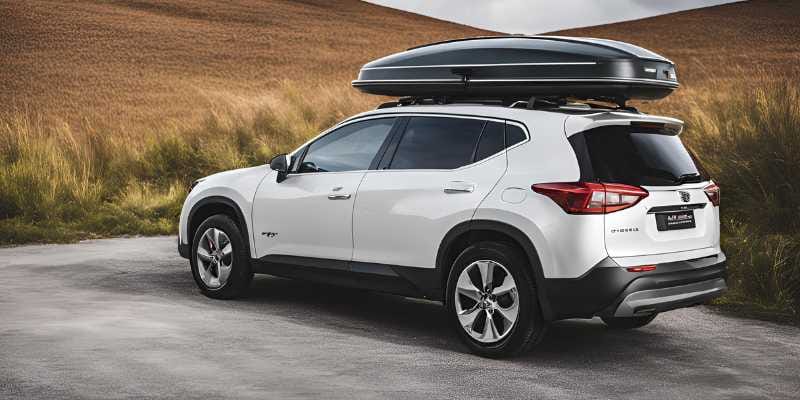
Stunning Roof Box Storage: The Ultimate Guide to Maximizing Your Vehicle’s Capacity
Are you tired of the constant struggle to fit all your gear into your car, especially when embarking on adventures? Do you find yourself playing Tetris with luggage, or worse, leaving essential items behind? If so, it’s time to discover the transformative power of roof box storage. Far beyond just an accessory, a well-chosen roof box can dramatically expand your vehicle’s carrying capacity, unlocking a new level of freedom for road trips, camping excursions, ski holidays, and family vacations. This comprehensive guide will delve deep into the world of roof box storage, helping you understand its benefits, explore various types, and find the perfect solution to elevate your travel experiences.
Why Invest in Roof Box Storage? The Unparalleled Benefits
The primary allure of roof box storage is undeniably its ability to significantly increase your vehicle’s cargo space. For families, campers, skiers, or anyone who enjoys extended trips, limited interior space can be a major constraint. A roof box acts as a seamless extension of your car’s capacity, allowing you to transport bulky items like tents, sleeping bags, skis, snowboards, strollers, and even extra luggage without compromising passenger comfort. No more cramped back seats or children kicking the back of your chair!
Beyond sheer volume, roof box storage offers practical advantages that enhance the overall travel experience. It keeps the interior of your vehicle clean and organized, preventing sand, mud, or snow from infiltrating your seating areas. This organized approach also makes unpacking and repacking at your destination far more efficient. Furthermore, many roof boxes are weatherproof and lockable, providing crucial protection for your belongings against the elements and potential theft, offering peace of mind as you travel.
The world of roof box storage is diverse, offering a range of sizes, styles, and materials to suit different needs and vehicle types. Understanding these variations is key to making an informed purchase.
By Size and Capacity: Roof boxes come in a variety of lengths, widths, and heights, directly correlating to their cargo volume, typically measured in liters.
Compact Roof Boxes: Ideal for smaller cars or for carrying specific items like skis or a few bags. They offer a modest capacity boost without significantly altering your vehicle’s profile.
Mid-Size Roof Boxes: A popular choice for families or those who need a balance between capacity and vehicle footprint. They can accommodate a good amount of luggage for weekend getaways or moderate camping trips.
Large Roof Boxes: Designed for the avid adventurer or larger families who require maximum roof box storage. These can swallow up a significant amount of gear, making them perfect for extended holidays or serious expeditions.
By Opening Style:
Front Opening: These boxes open from the front, offering excellent aerodynamic performance and reducing visual obstruction for the driver.
Dual Opening (or Side Opening): These boxes can be opened from either side, providing unparalleled loading and unloading convenience, especially when parked on narrow streets or alongside other vehicles. This is a particularly valuable feature for roof box storage accessibility.
By Material and Construction:
ABS Plastic: The most common material, known for its durability, UV resistance, and relatively lightweight properties. Many high-quality ABS boxes feature reinforced bases for added strength.
Fiberglass: Offers superior strength and impact resistance but is generally heavier and more expensive.
Fabric/Soft-Shell Roof Bags: A more budget-friendly and flexible option, these are essentially large bags that attach to your roof rack. While they offer excellent roof box storage for soft items, they don’t provide the same rigid protection against impact or extreme weather as hard-shell boxes.
Essential Considerations for Choosing Your Roof Box Storage
Selecting the right roof box storage solution involves more than just picking the largest or cheapest option. Several critical factors need careful consideration to ensure compatibility, safety, and optimal performance.
1. Vehicle Compatibility and Weight Limits: This is paramount. Your vehicle manufacturer specifies a maximum roof load limit, which includes the weight of the roof box itself and its contents. Exceeding this limit can compromise your vehicle’s handling, braking, and potentially damage your roof or roof rack system. Always consult your vehicle’s owner’s manual for this crucial information. The type of roof rack system you have (e.g., flush rails, raised rails, fixed points) will also dictate which crossbars and, consequently, which roof boxes are compatible.
2. Aerodynamics and Noise: A poorly designed roof box can significantly increase wind resistance, leading to increased fuel consumption and annoying wind noise at higher speeds. Look for boxes with a streamlined, low-profile design that minimizes drag. Some premium models incorporate aerodynamic features like spoilers or specially shaped bases to reduce noise.
3. Security and Locking Mechanisms: For valuable or essential items, security is a major concern. Most quality roof boxes come with integrated locks that secure both the lid to the base and often the box to the crossbars. Ensure the locking mechanism feels robust and secure.
4. Ease of Installation and Use: While many roof boxes are designed for straightforward DIY installation, some can be more complex. Consider how easily the box attaches to your crossbars and how user-friendly the locking mechanisms are. Dual-opening boxes, as mentioned, offer enhanced ease of use for loading and unloading.
5. Intended Use and Cargo Type: Think about what you’ll primarily be carrying. If it’s skis, ensure the box is long enough and has a suitable internal layout. For general camping gear, a wider and deeper box might be more appropriate. If you’re concerned about UV exposure to your gear, a darker, more UV-resistant material might be preferable.
Mastering Roof Box Storage: Tips for Installation and Loading
Once you’ve chosen your roof box storage, proper installation and loading are essential for safety and maximizing its utility.
Installation: Most roof boxes use a clamping system that attaches to your vehicle’s crossbars. Ensure the crossbars are securely fastened to your roof rails or mounting points according to the manufacturer’s instructions. Position the roof box centrally on the crossbars and evenly tighten the clamps. Double-check all fixings before driving.
Loading: Distribute weight evenly within the roof box storage. Place heavier items at the bottom and towards the center of the box to maintain a low center of gravity. Avoid overpacking; while capacity is generous, exceeding the box’s weight limit is dangerous. Use soft bags or duffel bags to fill gaps and prevent items from shifting during transit. Secure loose items with cargo nets or straps. Ensure the lid closes smoothly and the locks engage correctly.
The Final Word: Elevating Your Adventures with Roof Box Storage
Investing in roof box storage is an investment in more enjoyable, less stressful travel. It liberates your vehicle’s interior, protects your gear, and opens up possibilities for spontaneous adventures and well-equipped journeys. By understanding the various options available and carefully considering your specific needs and vehicle compatibility, you can confidently select a roof box storage solution that seamlessly integrates with your lifestyle. Embrace the freedom of extra space – your next great adventure awaits, and with the right roof box storage, you’ll be perfectly equipped to tackle it.