
Have you ever been stuck on the side of the road because your car suddenly wouldn’t start? It’s a frustrating feeling, especially when you don’t know what went wrong.
Often, the problem is a worn-out CVT drive belt or timing belt. These small parts are easy to overlook but so important for your car’s smooth running. Choosing the right belt can save you from unexpected breakdowns and costly repairs.
It also gives you peace of mind every time you hit the road. In this guide, we’ll walk you through everything you need to know about CVT drive belts and timing belt replacement. By the end, you’ll feel confident picking the best product for your car. Let’s make car troubles a thing of the past and keep your engine running smoothly. Keep reading to find the best options for your vehicle.
Timing Belt Replacement Manual
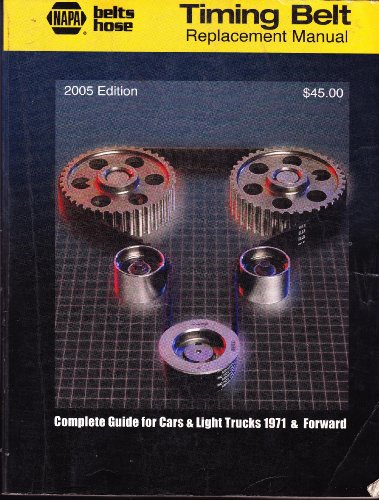
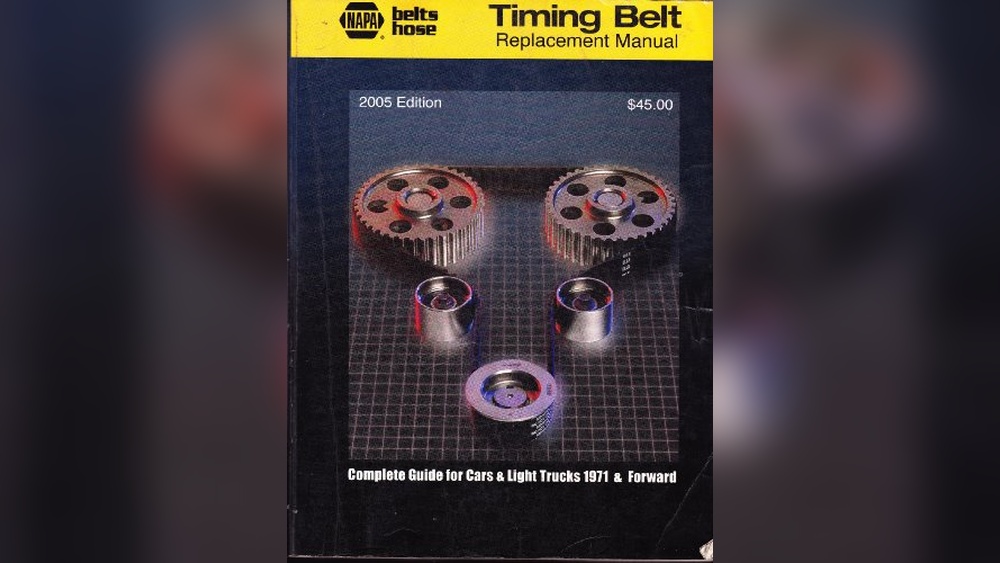
The Timing Belt Replacement Manual (2005 Edition, Complete Guide for Cars & Light Trucks 1971 & Forward) is ideal for automotive enthusiasts, DIY mechanics, and professional technicians who want a comprehensive resource for timing belt replacement on a wide range of vehicles. If you own or service cars and light trucks manufactured from 1971 onward, this manual provides detailed guidance to ensure accurate and efficient timing belt maintenance.
Pros:
- Comprehensive coverage of timing belt replacement for cars and light trucks from 1971 onwards
- Published by trusted manufacturer NAPA, ensuring reliable and accurate information
- Step-by-step instructions that are useful for both beginners and experienced mechanics
- Helps reduce repair costs by enabling DIY maintenance
Cons:
- Number of pages is not specified, which may affect the perceived depth of content
- Publication date (2004) may mean some newer vehicle models are not included
This manual offers a detailed walkthrough of timing belt replacement procedures, making it easier to understand the complex steps involved in maintaining your vehicle’s engine. By following the guide, users can avoid common pitfalls that might cause engine damage and ensure their timing belt is installed correctly. The inclusion of both cars and light trucks broadens its applicability, making it a versatile tool in any garage.
Additionally, the manual’s trusted source, NAPA, guarantees that the information is technically sound and up to date as of its publication. Users benefit from clear, concise instructions that save time and effort during repairs. Whether you are doing routine maintenance or tackling a challenging repair, this guide empowers you to work confidently and efficiently, ultimately extending your vehicle’s engine life.


Frequently Asked Questions
What Is A Cvt Drive Belt And Its Function?
A CVT drive belt connects the pulleys in a continuous variable transmission. It enables smooth, stepless gear changes and efficient power transfer in vehicles.
When Should I Replace My Cvt Drive Belt?
Replace the CVT drive belt every 60,000 to 100,000 miles or if you notice slipping or unusual noises. Regular inspection is essential.
How Do I Inspect A Cvt Drive Belt For Wear?
Check the belt for cracks, fraying, or glazing. Also, look for signs of slipping or unusual vibrations during driving.
Can I Replace The Cvt Drive Belt Myself?
Replacing a CVT drive belt requires mechanical skills and special tools. It’s best done by a professional mechanic to avoid damage.
What Happens If A Cvt Drive Belt Fails?
If the belt fails, your vehicle may lose power transmission, leading to stalling or inability to move. Immediate replacement is crucial.
How Does A Timing Belt Differ From A Cvt Drive Belt?
A timing belt synchronizes engine components, while a CVT drive belt transfers power in variable transmissions. Both are vital but serve different functions.
Conclusion
Choosing the right CVT drive belt is key to your vehicle’s smooth performance. This guide covered important points like belt types, materials, and signs you need a replacement. Remember, a good belt lasts longer and saves you money on repairs.
Regular checks help catch problems early. Always pick belts that match your car’s make and model. Proper installation is just as important as the belt itself. Taking care of your CVT belt means better fuel efficiency and safer driving. Keep this guide handy when shopping or servicing your vehicle.
Simple steps can prevent big issues down the road. Stay informed, stay safe, and enjoy a smooth ride every time.