
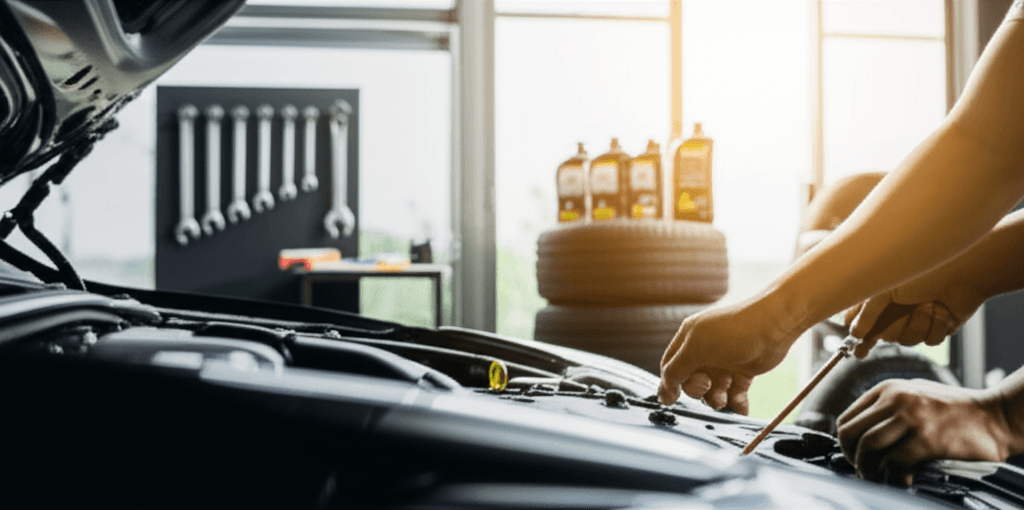
Brake fluid DOT 4 is the go-to choice for many vehicles, offering superior performance and safety over older DOT 3 fluids. It’s crucial for reliable braking. This guide explains why DOT 4 is essential and how to choose the right one for your car.
Brake Fluid DOT 4: The Essential Choice for Your Safety
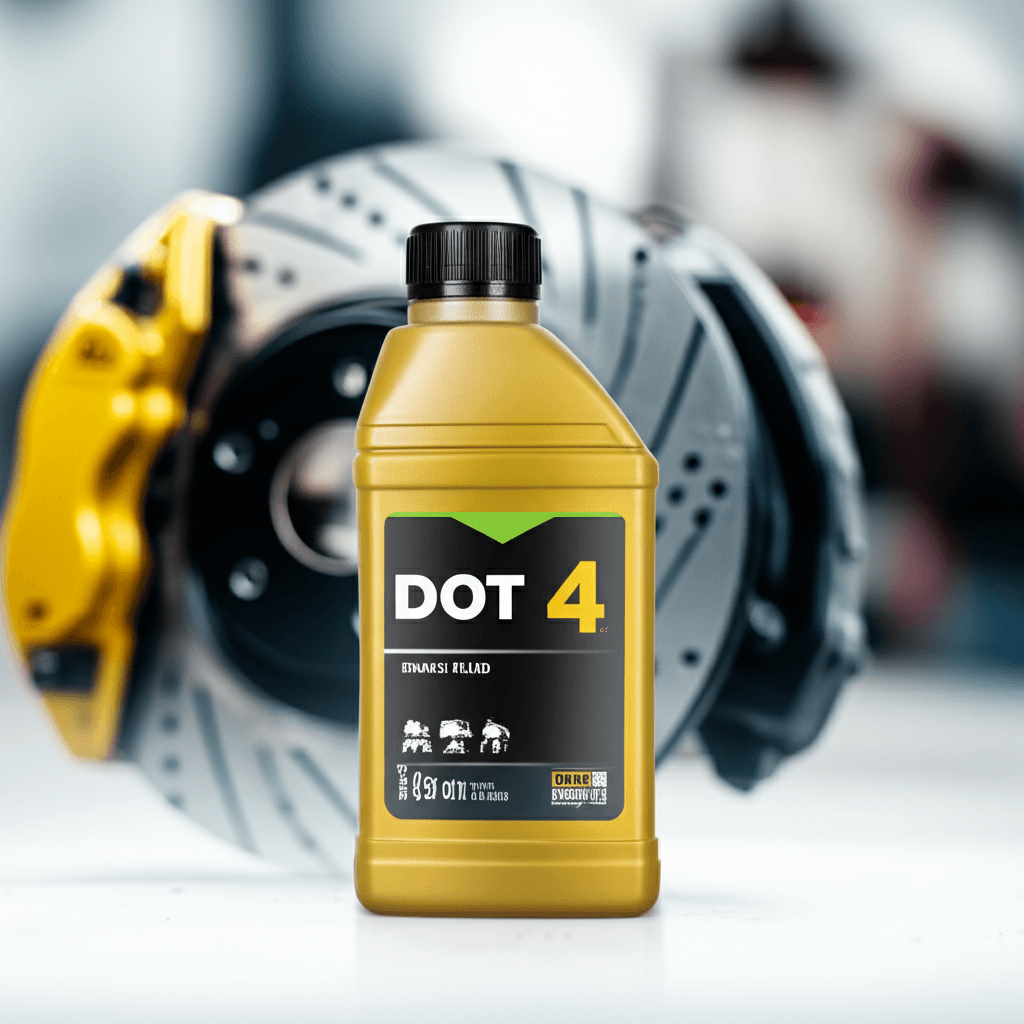
Have you ever wondered what’s really going on inside your car’s braking system? It might seem complex, but the truth is relatively simple: your brakes rely on a special fluid to do their job. This fluid, pushed by your foot on the brake pedal, travels through the brake lines to force the brake pads against the rotors, slowing or stopping your vehicle. When this fluid isn’t up to par, your braking performance can suffer, putting you and others at risk. That’s where choosing the right type of brake fluid becomes incredibly important. For many modern cars, the answer is clear: brake fluid DOT 4. It’s a smart upgrade that offers better protection and responsiveness than older standards, making it an essential choice for keeping your car safe and performing its best. In this guide, we’ll break down what makes DOT 4 so special and help you pick the perfect fluid for your needs.
Why Brake Fluid DOT 4 is Your Car’s Best Friend
Brake fluid might not be as exciting as a new set of tires or a loud exhaust, but it’s arguably one of the most critical components for your vehicle’s safety. Without a properly functioning brake system, your car simply won’t stop, especially when you need it to most. So, what exactly is brake fluid, and why should you pay attention to its classification, like DOT 4?
Brake fluid is a hydraulic fluid that transmits pressure from the brake pedal to the brake calipers. When you press the brake pedal, you’re not directly moving the brake pads; instead, you’re increasing hydraulic pressure within the brake lines, which is then converted into mechanical force to engage the brakes. This fluid needs to withstand extreme temperatures, resist compression, and not degrade over time. The U.S. Department of Transportation (DOT) sets standards for brake fluid to ensure safety and consistent performance across different brands and types.
There are several DOT classifications, including DOT 3, DOT 4, DOT 5, and DOT 5.1. Each has its own properties, with DOT 4 being a significant step up from DOT 3. Understanding these differences can help you make informed decisions about your car’s maintenance. Let’s dive into why DOT 4 is often the recommended, and sometimes essential, choice.
Understanding DOT Standards: What the Numbers Mean
The “DOT” in brake fluid stands for the Department of Transportation. The numbers that follow (3, 4, 5, 5.1) indicate specific performance standards established by the U.S. government. The primary factors that differentiate these fluids are their boiling points and their chemical composition.
Wet Boiling Point vs. Dry Boiling Point
One of the most critical properties of brake fluid is its boiling point. Your brakes generate a lot of heat during operation, especially during heavy braking. If the brake fluid boils, it creates vapor bubbles within the brake lines. Since gas is compressible (unlike liquid), these bubbles will cause your brake pedal to feel spongy and significantly reduce your braking effectiveness, a phenomenon known as “brake fade.”
- Dry Boiling Point: This is the boiling point of new, uncontaminated brake fluid. A higher dry boiling point means the fluid can handle more heat before it starts to vaporize.
- Wet Boiling Point: This is the boiling point of brake fluid after it has absorbed a certain amount of moisture. Brake fluid is hygroscopic, meaning it naturally attracts and absorbs water from the atmosphere. Water contamination lowers the boiling point considerably, making the wet boiling point a more realistic indicator of performance over time. The DOT standards specify minimum wet boiling points.
Why is water contamination so important? It’s not just about lowering the boiling point. Water can also cause corrosion within the brake system’s metal components, leading to expensive repairs and compromising safety. This is why regular brake fluid checks and changes are so vital.
DOT 3 vs. DOT 4: The Key Differences
DOT 3 fluid has been around for a long time and is still used in some older vehicles. However, DOT 4 offers significant advantages, especially for modern cars with more demanding braking systems, including those with Anti-lock Braking Systems (ABS) and Electronic Stability Control (ESC).
DOT 4 fluid is typically glycol-based, similar to DOT 3. The main difference lies in its composition, which includes chemical additives that elevate both its dry and wet boiling points. This means DOT 4 can withstand higher temperatures before boiling and remains more resistant to moisture absorption.
Here’s a quick comparison:
| Brake Fluid Type | Minimum Dry Boiling Point | Minimum Wet Boiling Point | Boiling Point Advantage (vs. DOT 3) | Common Use |
|---|---|---|---|---|
| DOT 3 | 401°F (205°C) | 271°F (133°C) | Standard | Older vehicles, some light-duty trucks |
| DOT 4 | 446°F (230°C) | 311°F (155°C) | Higher than DOT 3 (Significant) | Most modern passenger cars, ABS, ESC systems |
| DOT 5 (Silicone-based) | 500°F (260°C) | 356°F (180°C) | Highest (but not compatible with DOT 3/4/5.1) | Vintage military vehicles, some specialty applications |
| DOT 5.1 (Glycol-based) | 446°F (230°C) | 356°F (180°C) | High (compatible with DOT 3/4) | High-performance vehicles, often OEM fill |
As you can see, DOT 4 offers a noticeable improvement in boiling points over DOT 3. This enhanced performance is crucial for several reasons:
- Improved Safety: Reduced risk of brake fade under demanding conditions, such as prolonged downhill braking or emergency stops.
- Better for Modern Cars: Vehicles equipped with ABS and ESC often generate more heat in the braking system. DOT 4 handles this extra heat more effectively.
- Longer Service Life (Theoretically): Its better resistance to moisture absorption means it can maintain optimal performance slightly longer, though regular changes are still essential.
For many drivers, especially those with newer vehicles or those who experience challenging driving conditions, upgrading to or sticking with brake fluid DOT 4 is a straightforward way to enhance safety and braking reliability. It’s important to always check your vehicle owner’s manual to confirm the manufacturer’s recommendation. For a wealth of information on vehicle maintenance and safety, the AAA website (AAA.com) is a great resource.
When is DOT 4 the Right Choice?
So, when should you specifically look for brake fluid DOT 4? Here are the most common scenarios:
- Manufacturer Recommendation: The most critical factor is what your car’s owner’s manual specifies. If it calls for DOT 4, you should use DOT 4.
- ABS and ESC Systems: Vehicles equipped with Anti-lock Braking Systems (ABS) and Electronic Stability Control (ESC) systems often require DOT 4 fluid due to the more complex hydraulic pressures and higher operating temperatures these systems can generate.
- Performance Driving or Towing: If you frequently drive in mountainous areas with long descents, tow heavy loads, or engage in performance driving, the higher boiling point of DOT 4 offers a crucial safety margin.
- Replacing DOT 3: In many cases, you can safely upgrade from DOT 3 to DOT 4. If your car currently uses DOT 3, switching to DOT 4 can provide enhanced braking performance and safety. However, it’s always best to confirm this is permissible with your vehicle manufacturer. Never mix DOT 5 (silicone-based) with DOT 3, DOT 4, or DOT 5.1 (glycol-based) fluids.
- General Maintenance for Peace of Mind: Even if your car is compatible with DOT 3, using DOT 4 can offer a slight advantage in longevity and resistance to heat and moisture, contributing to overall peace of mind.
Choosing brake fluid DOT 4 is a smart move for many vehicle owners seeking a balance of advanced performance, improved safety, and compatibility with a wide range of modern vehicles.
What to Look For When Buying Brake Fluid DOT 4
When you head to the auto parts store or shop online for brake fluid, you’ll see various brands and products all labeled as DOT 4. How do you pick the best one for your needs? Here’s what to consider:
1. Meet or Exceed Manufacturer Specifications
This is non-negotiable. Always check your vehicle’s owner’s manual. It will explicitly state the required brake fluid type. While you can often upgrade from DOT 3 to DOT 4, you should never use a fluid that does not meet the DOT standard recommended or specified by your car’s manufacturer. Using a lower-grade fluid is dangerous, and using incompatible types (like mixing DOT 5 silicone with glycol-based fluids) can cause severe damage to your braking system.
2. Glycol-Based (Most Common for DOT 4)
The vast majority of DOT 4 brake fluids are glycol-based. This means they are compatible with each other and with DOT 3 fluids. They are also compatible with the seals and components found in most automotive brake systems. You’ll usually see “glycol-based” or a statement of compatibility with DOT 3 and DOT 4 systems on the packaging.
3. High Wet Boiling Point
While all DOT 4 fluids must meet a minimum wet boiling point, some are formulated with additives that push this number even higher. For drivers in humid climates, those who tow, or those who want the absolute best protection against brake fade, looking for a DOT 4 fluid with a wet boiling point well above the minimum (e.g., 320°F / 160°C or higher) is a good idea.
4. Corrosion Inhibitors
Since brake fluid absorbs moisture, corrosion is a constant threat to your metal brake lines and components. High-quality DOT 4 fluids contain advanced corrosion inhibitors to protect your system from internal rust and degradation. This is a hallmark of premium brake fluids.
5. Antioxidant Additives
Over time, brake fluid can oxidize, leading to deposits that can clog small passages in ABS units or calipers. Top-tier brake fluids often include antioxidants to prolong fluid life and maintain system cleanliness.
6. Brand Reputation and Reviews
Stick with reputable brands known for quality automotive fluids. Brands like Valvoline, Lucas Oil, Prestone, Bosch, and Mighty are generally reliable. Reading user reviews can also provide insight into real-world performance and ease of use.
7. Container Size
Brake systems typically require about one quart (one liter) of fluid for a complete flush and fill. You can often buy brake fluid in 12 oz, 32 oz (quart), or even gallon sizes. For a simple top-off or a single brake job, a quart is usually sufficient. If you plan on doing more maintenance or have multiple vehicles, a larger container might be more economical. Always ensure the container is sealed and undamaged when purchased.
For more official guidance on vehicle maintenance and safety requirements, the National Highway Traffic Safety Administration (NHTSA.gov) is an excellent resource.
DOT 4 Brake Fluid Maintenance Schedule
Brake fluid is not a “fill it and forget it” fluid. Its performance degrades over time, primarily due to moisture absorption. Like most automotive fluids, it has a recommended service interval.
General Recommendation:
- Every 12,000 to 24,000 miles OR Every 1 to 2 years: This is the most common recommendation for changing brake fluid. Whichever comes first is usually the guideline.
Why such frequent changes? As brake fluid absorbs moisture, its boiling point drops significantly. For example, fluid that starts with a wet boiling point of 311°F (155°C) can drop to around 275°F (135°C) after just two years of use. This makes your brakes more susceptible to fading, rendering them less effective under stress. Furthermore, water in the fluid accelerates corrosion inside the brake system.
Factors Affecting Fluid Life:
- Climate: Humid or wet climates lead to faster moisture absorption.
- Driving Habits: Frequent hard braking or driving in hilly terrain puts more heat into the system, accelerating fluid degradation.
- Brake System Health: Minor leaks or seal degradation can allow more moisture ingress.
How to Check Brake Fluid:
You can have your brake fluid’s moisture content tested using a simple, relatively inexpensive brake fluid tester. These testers measure the electrical conductivity of the fluid, which changes as water is absorbed. Many professional mechanics and some DIY enthusiasts keep these on hand. Visually, brake fluid should be clear or slightly amber. If it appears dark brown or black, it’s definitely time for a change, regardless of mileage or time.
Regularly replacing your brake fluid according to your vehicle manufacturer’s schedule (or the general recommendation if your manual is vague) is a crucial part of preventive maintenance that ensures your brakes remain reliable and your car stays safe on the road. Consistently checking and maintaining your brake fluid is a fundamental aspect of responsible car ownership.
Top 5 DOT 4 Brake Fluid Products on Amazon
Choosing the right brake fluid DOT 4 is important for your vehicle’s braking performance and safety. Here are five excellent options available on Amazon USA that offer great value and quality for your car maintenance needs.
1. Valvoline Synthetic Brake Fluid DOT 4
Valvoline is a trusted name in automotive fluids, and their Synthetic Brake Fluid DOT 4 is a reliable choice. It’s formulated to exceed DOT 4 standards, offering superior protection against vapor lock and providing excellent performance in both high and low temperatures. Its advanced formula helps prevent corrosion and is compatible with all brake system components. Great for everyday driving and more demanding conditions.
2. Prestone DOT 4 Brake Fluid
Prestone is another leading brand in the automotive aftermarket. Their DOT 4 Brake Fluid is designed to provide excellent braking performance and protection. It offers a high boiling point to prevent vapor lock and is specifically formulated to protect against corrosion and ensure smooth operation of ABS and other brake system components. A solid, dependable option for most vehicles requiring DOT 4.
3. Bosch DOT 4 Premium Brake Fluid
Bosch is renowned for its high-quality automotive parts and fluids, and their DOT 4 Premium Brake Fluid is no exception. Engineered to meet and exceed DOT 4 specifications, it offers exceptional performance and stability, especially under extreme heat. It provides superior protection against corrosion and ensures the reliable operation of modern braking systems like ABS and ESC. A top-tier choice for discerning car owners.
4. Super Tech DOT 4 Brake Fluid
If you’re looking for a more budget-friendly option that still meets DOT 4 standards, Super Tech is a good choice. Available at Walmart, this brake fluid provides adequate protection against extreme heat and corrosion. While it might not have the advanced additive packages of premium brands, it is a reliable option for routine maintenance on vehicles that simply require DOT 4 fluid. Always confirm it meets your specific vehicle’s needs.
5. ATE TYP 200 DOT 4 High Performance Brake Fluid
For those who demand the absolute best or drive high-performance vehicles, ATE TYP 200 is a standout. This is a top-tier DOT 4 fluid with an extremely high dry boiling point (536°F/280°C) and excellent wet boiling point (over 400°F/204°C). It offers superior protection against vapor lock and is favored by performance driving enthusiasts for its exceptional heat resistance and ability to maintain peak braking performance under the most demanding conditions. It’s also designed to protect against corrosion.
How to Safely Top Off or Replace Your Brake Fluid (DIY Guide)
Replacing or topping off your brake fluid might sound daunting, but with the right preparation and knowledge, you can easily do it yourself and build confidence in your car care abilities. Safety is always the top priority, so remember to wear gloves and eye protection.
Step-by-Step Guide: How to Safely Top Off or Replace DOT 4 Brake Fluid
Step 1: Gather Your Supplies
DOT 4 brake fluid (the exact type recommended for your vehicle)
Clean funnel (optional)
Gloves & eye protection
Clean cloth or paper towels
Owner’s manual
Step 2: Locate the Brake Fluid Reservoir
Open your hood and find the reservoir labeled Brake Fluid
It’s typically near the back of the engine compartment on the driver’s side
Step 3: Check the Fluid Level & Condition
The reservoir has MIN and MAX lines
Fluid should be clear to light amber
If it’s dark brown/black, it’s time for a full brake fluid flush — not just a top-off
Step 4: Add DOT 4 Brake Fluid
Clean the reservoir cap area to prevent dirt from entering
Slowly pour brake fluid until it reaches the MAX line
Avoid overfilling
Important:
Brake fluid is corrosive — if it spills on paint, wipe immediatelyStep 5: Close the Cap Securely
Make sure the cap is tight to prevent moisture absorption
Step 6: Test Your Brakes
Start the car and press the brake pedal a few times
It should feel firm, not spongy
If the pedal still feels soft, have a professional inspect your brake system — you may need a full bleed/flush.
Final Thoughts
Choosing and maintaining the right brake fluid DOT 4 is a simple but powerful step toward safer, more reliable driving. With higher boiling points and better moisture resistance than DOT 3, DOT 4 gives your braking system the durability and performance modern vehicles require — especially those equipped with ABS and ESC.
Whether you’re topping off at home or scheduling routine maintenance, staying on top of brake fluid health keeps your vehicle ready for every stop, turn, and sudden road situation. Treat your brake system right, and it will protect you every mile.
FAQs About DOT 4 Brake Fluid
1. Can I mix DOT 3 and DOT 4 brake fluid?
Yes — DOT 3 and DOT 4 are compatible. But performance improves when you switch fully to DOT 4.2. Can I use DOT 4 instead of DOT 3?
Most cars that use DOT 3 can upgrade to DOT 4.
Always check your owner’s manual first.3. How often should DOT 4 brake fluid be changed?
Every 1–2 years or 12,000–24,000 miles, whichever comes first.4. What happens if brake fluid gets low?
Braking performance will drop — and it can lead to brake failure.
Low fluid may also signal a leak — get it inspected.5. Can I use DOT 4 in a vehicle that requires DOT 5?
No. DOT 5 is silicone-based and not compatible with DOT 3/4/5.1 (glycol-based fluid).6. Is DOT 5.1 better than DOT 4?
DOT 5.1 has a higher boiling point, but for most drivers, DOT 4 is ideal and more cost-effective.