
Bike racks are essential for secure bike storage and transportation. They come in various types and styles to suit different needs.
Understanding bike rack requirements is crucial for both avid cyclists and casual riders. Whether you need a rack for your car, home, or workplace, there are specific factors to consider. These include the type of bikes you have, the available space, and the installation process.
A good bike rack not only secures your bike but also ensures that it remains undamaged during transport or storage. This guide will help you identify the key requirements for choosing the perfect bike rack, ensuring that your bike remains safe and secure at all times. Let’s dive into what you need to know about bike rack requirements.
Introduction To Bike Racks
Bike racks are essential for keeping bicycles safe. They help prevent bike theft. Good bike racks are secure and easy to use. Many people rely on them daily. They are found in cities, parks, and schools.
Bike racks make biking more convenient. They provide a place to park bikes. This reduces clutter and keeps sidewalks clear. People feel safer when their bikes are locked. This encourages more people to ride bikes. It’s good for health and the environment.
There are many types of bike racks. Some are for single bikes. Others hold multiple bikes. Wall-mounted racks save space. Floor racks are easy to use. There are also car racks for travel. Choose the best type for your needs.
Choosing The Right Bike Rack
Think about how many bikes you need to carry. Check the space in your car. Measure it. Compare it with the bike rack size. Will you use the rack often or just sometimes? Consider the weight of your bike. Heavy bikes need sturdy racks. Light bikes can use simpler racks.
Check if the rack fits your bike’s frame. Some racks work better with certain bike types. Mountain bikes need different racks than road bikes. Look at the bike’s tire size. Make sure the rack holds it well. Check if the rack can hold your bike’s weight. Secure fit is important. A loose fit can cause damage.
Installation And Setup
Ensure the bike rack fits your vehicle properly. Follow the instructions carefully for secure installation. Test the stability before use.
Mounting Options
Bike racks offer various mounting options. Wall-mounted racks save space. Floor-standing racks are easy to use. Ceiling-mounted racks keep bikes off the ground. Choose the type that fits your space.
Tools And Equipment Needed
Gather the necessary tools before starting. A drill is often required. Use a level to ensure straight installation. Get screws and anchors for secure mounting. Have a wrench or screwdriver ready. Safety goggles protect your eyes.
Safety Considerations
A good bike rack must have strong locking mechanisms. This keeps your bike safe. Thieves look for easy targets. Make it hard for them. Choose racks with secure locks. Look for anti-theft features. Some racks come with built-in locks. Others need separate locks.
Weather resistance is important. Rain, snow, and sun can damage racks. Choose racks with rust-proof materials. Stainless steel and coated metal are good choices. Some racks have UV protection. This stops sun damage. Durable materials last longer. Your bike stays safe in all weather.
Maintenance Tips
Check your bike rack regularly for any damage. Look for loose bolts or screws. Ensure all parts are in good condition. Tighten any loose parts. Replace broken parts immediately. This will keep your bike rack safe and secure.
Keep your bike rack clean. Use a mild soap and water. Rinse thoroughly to remove soap residue. Dry the rack with a soft cloth. This prevents rust and prolongs its life.
Credit: www.bikecoloradosprings.org
Space Optimization
Efficient bike racks save space. They help organize areas better. Use vertical racks to store more bikes. This way, floor space is free. You can walk around easily. Horizontal racks are good too. They keep bikes aligned. Easy to pick and go.
Separate bikes by size. This helps in finding the right bike quickly. Use labels for each bike. It makes things clear. Racks with adjustable hooks are best. They fit different bike sizes. Keep kids’ bikes low. Adults’ bikes should be higher. This keeps things simple.
Cost And Budgeting
Bike racks come in many price ranges. Some cost as little as $50. Others can be over $500. Cheaper options may lack some features. More expensive ones often last longer. Consider your needs and budget. Think about how often you will use the rack. This can help in making a good choice.
Investing in a good bike rack can save money over time. A sturdy rack can last for years. It protects your bike and car. This can prevent costly damage. Spending more now might be smart. It can avoid bigger expenses later.
Popular Brands And Models
Thule is a well-known brand for bike racks. Their models are strong and last long. Yakima is another top choice. Their racks are easy to use. Allen Sports offers affordable options. They are good for beginners.
Many customers like Thule racks. They say they are durable and easy to install. Yakima users love the simple design. They mention the racks are user-friendly. Allen Sports gets mixed reviews. Some find them cost-effective, others say they wear out quickly.
Environmental Impact
Bike rack requirements help reduce environmental impact by promoting cycling. Cycling lowers emissions and decreases traffic congestion.
Sustainable Materials
Using sustainable materials is important for bike racks. Recycled metals are a good choice. They help reduce waste. Bamboo is another option. It grows fast and is strong. Reclaimed wood can also be used. It gives old wood new life. These materials lower the environmental impact.
Eco-friendly Choices
Choosing eco-friendly bike racks helps the planet. They should be made with low-impact processes. This means less pollution. Non-toxic paints should be used. This keeps the air clean. Durable racks last longer. This means fewer replacements. Making smart choices helps the environment.
Credit: www.madrax.com

Credit: www.bikecoloradosprings.org
Frequently Asked Questions
What Are The Dimensions For A Bike Rack?
Bike racks should be at least 30 inches wide and 72 inches tall. This accommodates two bikes comfortably.
How Much Space Do I Need Around A Bike Rack?
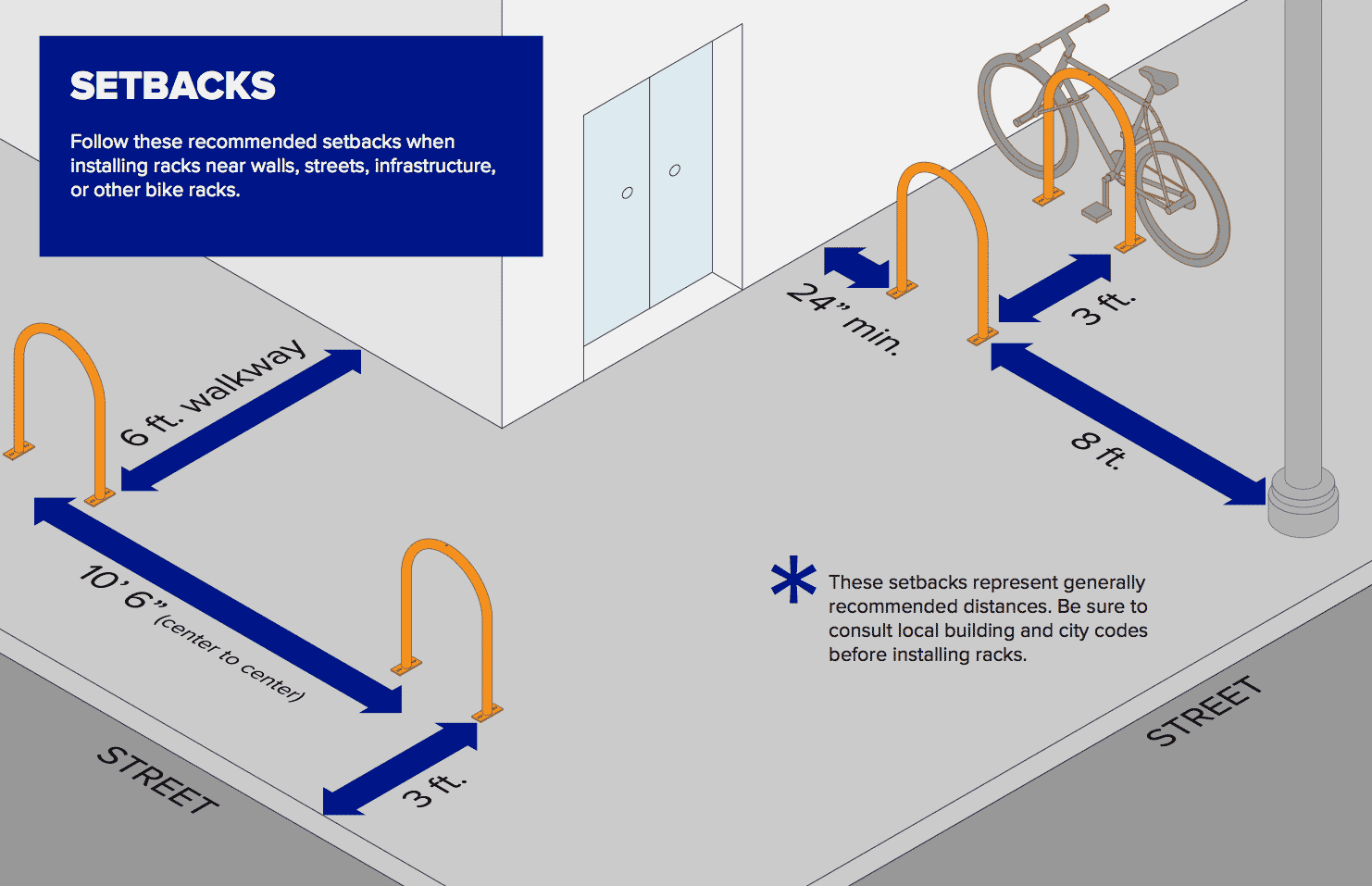
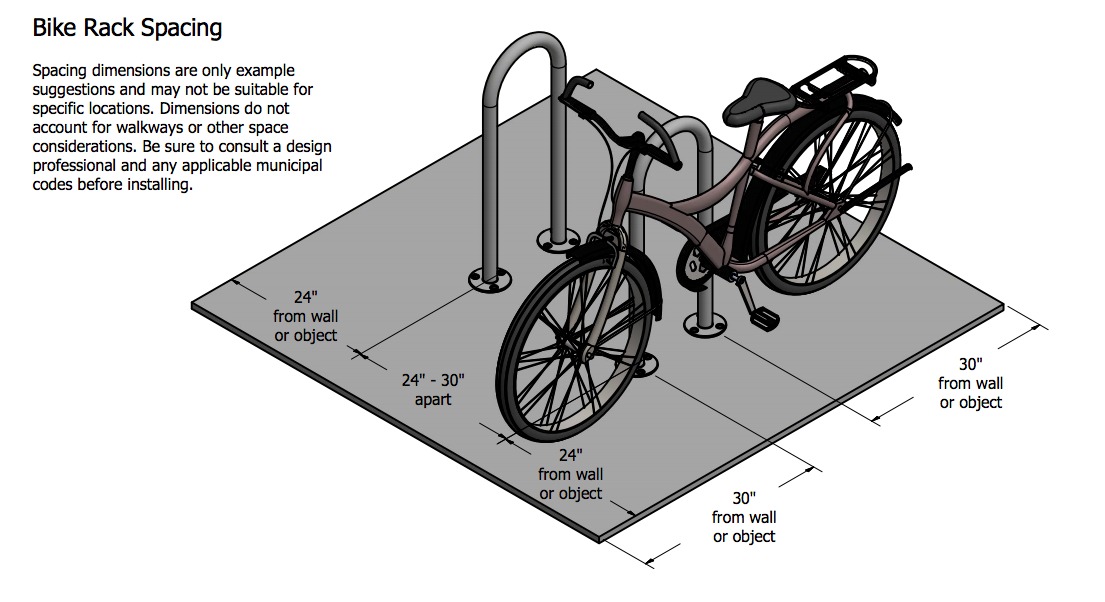
Allow at least 24 inches of space on all sides. This ensures easy access and maneuverability for users.
What Materials Are Best For Bike Racks?
Steel and aluminum are the most durable materials. They resist weather and wear, providing long-term reliability.
How To Secure A Bike To A Rack?
Use a quality U-lock or chain lock. Secure both the frame and at least one wheel to the rack.
Conclusion
Choosing the right bike rack ensures safe and easy transportation of your bike. Always consider your vehicle type, bike size, and security needs. Quality racks offer durability and peace of mind. Installation should be simple and hassle-free. Remember, a good bike rack protects your investment.
Your bike deserves the best care. Happy riding!