
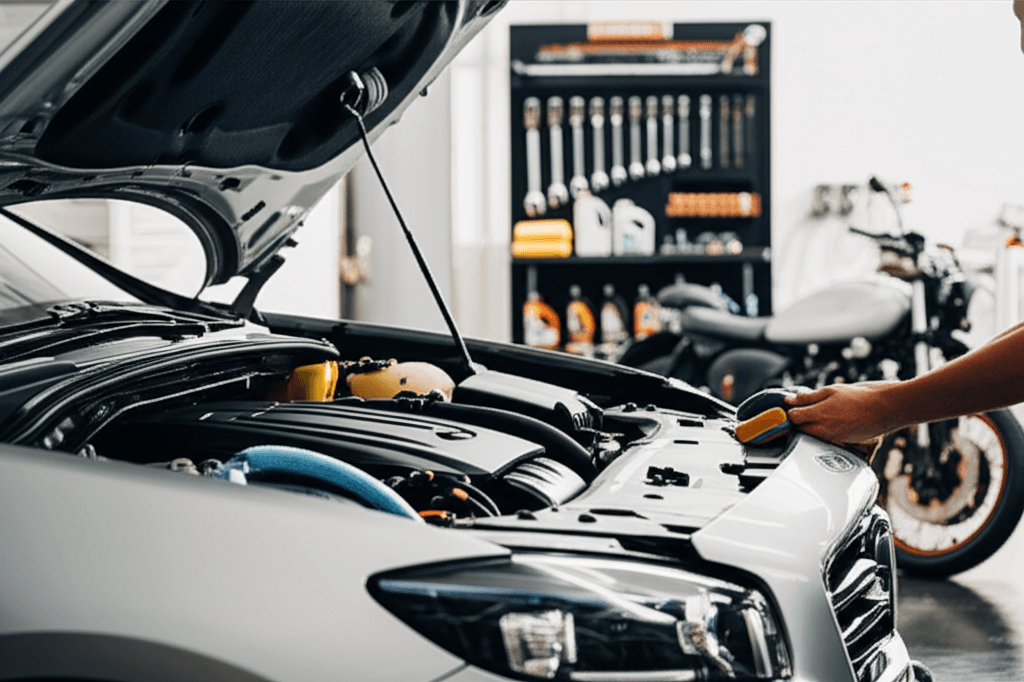
Understanding the 15 Essential Engine Fluids in Your Car is Key to Longevity and Performance. This Genius Guide Covers Them All.
Your car is more than just metal and wheels; it’s a complex system powered by a symphony of moving parts. For smooth operation and a long lifespan, these parts rely on a variety of essential fluids. Knowing about these 15 vital liquids is your first step to confident car ownership. This guide makes understanding them easy.
Have you ever wondered what all those little reservoirs under your hood are for? Your car uses several types of fluids to keep everything running smoothly, from the engine itself to the brakes and steering. Ignoring these critical fluids can lead to costly repairs and frustrating breakdowns. But don’t worry! This post will demystify the 15 essential engine fluids your car needs. You’ll learn what each one does, when to check it, and how to keep your vehicle in top shape.
The Role of Fluids in Your Vehicle
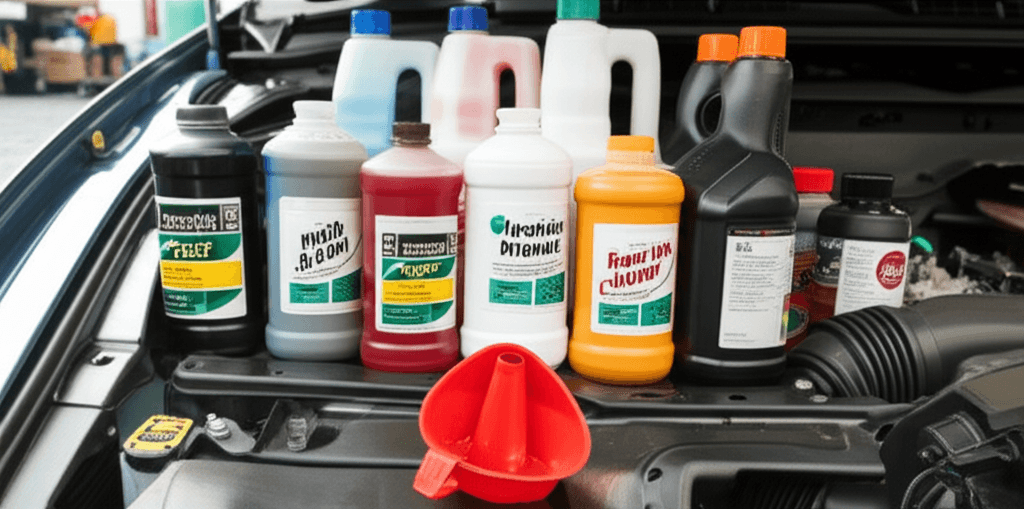
Think of your car’s fluids like the blood in your body. They lubricate, cool, clean, protect, and enable various systems to function. Each fluid has a specific job, and its condition directly impacts the performance and longevity of its associated system. For instance, engine oil reduces friction and prevents overheating, while brake fluid transmits the force from your foot to the brakes. Keeping these fluids at the correct levels and within their recommended quality is a cornerstone of preventative maintenance. It’s not about being a master mechanic; it’s about smart, simple care.
Why Different Fluids Matter
Cars are sophisticated machines requiring specialized solutions for different challenges. You wouldn’t use dish soap to wash your car, and you can’t use just any fluid in every part of your vehicle. Each fluid is engineered with unique properties to handle specific temperatures, pressures, and chemical environments. For example, coolant needs to withstand extreme heat and cold to prevent your engine from freezing or boiling over, while transmission fluid ensures seamless gear changes. Neglecting any one of these 15 vital fluids can have a cascade effect, potentially damaging other components. Regular checks are your best defense.
Choosing the Right Fluids: What to Look For
When it comes to selecting the right fluids, consulting your owner’s manual is your absolute best friend. It will specify the exact type, viscosity (for oils), and specifications required for your particular make and model. Using the wrong fluid can be as bad as having none at all, leading to premature wear, poor performance, or even catastrophic failure. Always look for reputable brands that meet or exceed the manufacturer’s specifications. For a quick reference, consider these factors:
- Manufacturer Specifications: This is non-negotiable. Your owner’s manual is the ultimate guide.
- Brand Reputation: Stick with well-known brands that have a proven track record in the automotive industry.
- Viscosity (for engine oil): This refers to the oil’s thickness (e.g., 5W-30). It’s crucial for proper lubrication in various temperatures.
- Additives Package: Some fluids contain special additives to enhance performance, clean, or protect against corrosion.
- Certifications: Look for industry standards like API (for engine oil) or DOT (for brake fluid).
Understanding Your Car’s 15 Essential Engine Fluids
Let’s dive into the details of each of the 15 critical fluids your car relies on. Knowing their purpose will empower you to perform simple checks and understand when it’s time for a change.
1. Engine Oil
This is arguably the most critical fluid for your engine. Engine oil lubricates moving parts, reduces friction, cleans away dirt and sludge, and helps dissipate heat. Regular oil changes are essential for engine health and longevity. You can easily check your oil level using the dipstick under the hood.
2. Coolant (Antifreeze)
Coolant circulates through your engine to absorb excess heat and keep it from overheating. In winter, it prevents the engine block from freezing. It’s a mixture of antifreeze and water, typically a 50/50 ratio. Make sure it’s the correct type for your vehicle, as formulations vary.
3. Brake Fluid
Brake fluid is a hydraulic fluid that transmits the force applied to the brake pedal to the brake calipers, which then squeeze the brake pads against the rotors. It needs to be able to withstand high temperatures and absorb moisture without degrading. Low or contaminated brake fluid can lead to brake failure.
4. Power Steering Fluid
If your car has power steering, this fluid transmits hydraulic pressure that makes it easier to turn the steering wheel. Over time, it can degrade or leak, causing steering to become stiff and difficult. Check the reservoir level regularly.
5. Transmission Fluid (Automatic & Manual)
This fluid lubricates the transmission’s gears and clutches, enabling smooth gear changes and preventing wear. For automatic transmissions, it also acts as a hydraulic fluid to engage gears. Different transmissions require specific types of fluid, so always check your owner’s manual.
6. Windshield Wiper Fluid
While seemingly simple, washer fluid is essential for visibility. It cleans your windshield from dirt, bugs, and road grime. In winter, you’ll want a de-icing formula. Keeping this topped up ensures you can clear your view anytime.
7. Differential Fluid
Found in rear-wheel-drive and all-wheel-drive vehicles, differential fluid lubricates the gears in the differential, allowing the wheels to rotate at different speeds when turning. It’s often overlooked but crucial for drivetrain longevity.
8. Transfer Case Fluid
If your vehicle has four-wheel drive or all-wheel drive, it likely has a transfer case. This fluid lubricates and cools the components within the transfer case, which directs power to the front and rear axles.
9. Clutch Fluid
In manual transmissions, clutch fluid is a hydraulic fluid that operates the clutch system. Similar to brake fluid, it transmits force and needs to be at the correct level and free from contamination for proper clutch engagement and disengagement.
10. Fuel (Gasoline/Diesel)
While not a fluid typically checked under the hood, your fuel is the lifeblood of your engine. The type of fuel you use matters, and keeping your tank adequately filled prevents premature wear on the fuel pump.
11. Radiator Flush/System Cleaner
Periodically, the cooling system needs a thorough flush to remove rust, scale, and other deposits that can impede coolant flow and reduce efficiency. These cleaners are used before adding new coolant.
12. AC Refrigerant
This is the gas that enables your air conditioning system to cool the cabin. While not a fluid you check or add regularly, leaks can deplete it, requiring professional servicing.
13. Head Gasket Sealant (Temporary Fix)**
This is a specialized product used as a temporary stop-gap for minor head gasket leaks. It’s not a regular maintenance fluid but is essential to know about in emergency situations to potentially get you to a repair shop.
14. Oil Stabilizer
This additive can help reduce oil consumption, thicken oil slightly for better lubrication, and reduce friction. It’s often used in older engines or those starting to show signs of wear.
15. Additives for Fuel/Oil (e.g., Injector Cleaners, Octane Boosters)
These are supplementary products designed to improve fuel efficiency, clean engine components, or boost performance. Use them judiciously and according to product directions.
Fluid Maintenance Schedules: When to Check and Change
Keeping up with fluid maintenance is key. While your owner’s manual is the ultimate guide, here’s a general idea of typical service intervals. Remember, driving conditions (like frequent short trips, towing, or extreme temperatures) can require more frequent service.
| Fluid Type | Check Interval | Change Interval (Typical) | Notes |
|---|---|---|---|
| Engine Oil | Monthly / Every 1,000 miles | 3,000-10,000 miles (or 6-12 months) | Depends heavily on oil type (conventional vs. synthetic) and manufacturer recommendation. |
| Coolant | Monthly / Every 1,000 miles | 30,000-60,000 miles (or 2-5 years) | Check for debris and level. Follow manufacturer’s specific coolant type. |
| Brake Fluid | Every 6 months | 2-3 years | Can absorb moisture; perform a simple test or fluid exchange. |
| Power Steering Fluid | Monthly / As needed | 40,000-60,000 miles (or 2-5 years) | Check for leaks and listen for whining sounds. |
| Transmission Fluid | Every 6 months | 30,000-100,000 miles | Extremely variable. Crucial for automatic transmissions. Consult your manual. |
| Differential Fluid | Every 6 months | 30,000-60,000 miles | Important for RWD/AWD vehicles. |
| Windshield Wiper Fluid | As needed | N/A | Keep it topped up for visibility. |
For systems like AC refrigerant and clutch fluid, periodic professional checks are more common than DIY fluid changes. Always refer to your owner’s manual for the most accurate schedule for your specific vehicle. The National Highway Traffic Safety Administration (NHTSA) also provides general maintenance guidelines for vehicle safety.
What happens if I don’t maintain my fluids?
Ignoring fluid maintenance can lead to a variety of problems, ranging from minor inconveniences to major mechanical failures. Low or dirty engine oil can cause increased friction, leading to engine overheating and premature wear, potentially resulting in a blown engine. Depleted or contaminated brake fluid can significantly reduce braking performance, putting you and others at risk. For example, the AAA reports that many roadside breakdowns are preventable with basic maintenance, including fluid checks. Similarly, old transmission fluid can cause shifting problems, and in severe cases, lead to transmission failure, a very expensive repair. It’s always best to stay on top of fluid checks and changes to avoid these costly issues.
Top 5 Engine Fluid Picks on Amazon
When it comes to selecting the right fluids, choosing quality products from reputable brands is essential. Here are some top-rated options available on Amazon that consistently receive excellent reviews from car owners.
1. Mobil 1 Extended Performance Full Synthetic Motor Oil
This high-performance synthetic oil offers superior engine protection and performance, especially in extreme conditions. Its advanced formula helps to keep your engine clean, reduce wear, and extend drain intervals, making it an excellent choice for drivers who want the best for their vehicle. Perfect for those seeking peace of mind and long-term engine health.
2. Prestone Antifreeze/Coolant AS255
Prestone is a trusted name in coolant. This all-makes, all-models formula provides all-season protection against freezing and boiling while preventing rust and corrosion. It’s designed for easy use, often requiring just a 50/50 mix with distilled water, making it a convenient and reliable choice for maintaining your cooling system.
3. Valvoline Synthetic Brake Fluid DOT 3
Valvoline’s Synthetic Brake Fluid is engineered to meet the rigorous demands of today’s braking systems. It offers a high boiling point to prevent vapor lock (a dangerous condition where brakes fail due to heat), ensuring consistent and reliable braking performance. It also helps protect against corrosion within the brake system.
4. Royal Purple High Performance Synthetic Motor Oil
Royal Purple is known for its premium synthetic lubricants. This motor oil is designed to maximize engine performance and protection by providing superior lubrication and reducing friction. It’s an excellent choice for performance enthusiasts or anyone looking to get the most out of their engine, offering extended protection and improved fuel economy.
5. Zerex G-05 Antifreeze/Coolant
This is a specialized hybrid organic acid technology (HOAT) coolant designed for many European and American vehicles. It offers excellent protection against corrosion and erosion for all coolant system metals. If your owner’s manual specifies a HOAT coolant, Zerex is a reliable and effective option for maintaining your engine’s cooling system.
Simple Fluid Checks You Can Do At Home
You don’t need to be a mechanic to perform basic fluid checks. These simple steps can save you a lot of trouble. Here’s how to do it safely:
- Safety First: Ensure your engine is cool and the car is parked on a level surface. Never open a hot radiator cap, as pressurized hot coolant can cause severe burns.
- Engine Oil: Locate the oil dipstick (usually has a brightly colored handle). Pull it out, wipe it clean with a cloth, reinsert it fully, and pull it out again. Check the oil level against the markings on the dipstick. If it’s low, add the correct type of oil in small increments, rechecking the level until it’s within the proper range.
- Coolant: Locate the coolant reservoir (usually a translucent plastic tank with ‘Min’ and ‘Max’ lines). Check the level when the engine is cool. If it’s below the ‘Min’ line, add a 50/50 mixture of the specified coolant and distilled water. Never open the radiator cap directly unless the engine is completely cool.
- Brake Fluid: Find the brake fluid reservoir (usually a small, translucent plastic container near the driver’s side firewall). Check the fluid level against the markings. If it’s low, it could indicate worn brake pads or a leak, so it’s best to have it inspected by a professional.
- Power Steering Fluid (if applicable): Locate the power steering fluid reservoir. It will have a dipstick or a marked fill line. Check the level when the engine is warm (as specified by your manual) and add fluid if necessary.
- Windshield Wiper Fluid: Open the hood and find the reservoir, usually labeled with a windshield/wiper symbol. Simply pour in the appropriate wiper fluid until it reaches the fill line.
Common Mistakes to Avoid:
- Using the wrong type of fluid (e.g., mixing coolant types, using regular water in the cooling system).
- Overfilling reservoirs, especially engine oil.
- Checking fluids when the engine is hot (except where specifically instructed).
- Ignoring low fluid levels or strange smells/sounds.
Frequently Asked Questions About Engine Fluids
Here are some common questions car owners have about their vehicle’s essential fluids:
Can I mix different brands of engine oil?
It’s generally best to stick with one brand or type of oil that meets your vehicle’s specifications. While mixing oils of the same viscosity and specification is usually okay in a pinch, it’s not ideal for long-term engine health.
How often should I really change my engine oil?
Your owner’s manual is the definitive source. Modern synthetic oils can last 7,500 to 10,000 miles or more, while conventional oils may need changing every 3,000 to 5,000 miles. Driving conditions and oil type are big factors.
Is it bad to drive with low coolant?
Yes, it can be very dangerous for your engine. Low coolant means your engine can overheat, leading to severe damage like warped cylinder heads or a blown head gasket. Always top it up or have a mechanic inspect for leaks.
What are the signs of bad brake fluid?
Signs include a spongy brake pedal, a darkening or murky appearance of the fluid, and reduced braking effectiveness. Brake fluid absorbs moisture over time, lowering its boiling point and increasing corrosion risk.
Do I need to flush my cooling system or just top it up?
Both! You should top up your coolant regularly if the level is low. However, the entire system should be flushed and refilled with fresh coolant according to your manufacturer’s recommended schedule (typically every 2-5 years) to remove contaminants and ensure optimal performance.
How do I know if my transmission fluid needs changing?
Check the owner’s manual for the interval. Visually, if the fluid is dark brown, smells burnt, or has particles in it, it definitely needs changing. For many automatics, checking the fluid level and condition is done with the engine running and in park.
What’s the difference between conventional and synthetic oil?
Synthetic oil is engineered in a lab to be more uniform and pure, offering better protection at extreme temperatures, better lubrication, and longer life than conventional oil, which is refined from crude oil.